It’s you. It’s all about you.
The journey from identifying a rare disease, to conducting studies, to approving a treatment, is long – but it always starts with the patient, and the information patients share among the medical, biotechnological and advocacy communities, as well as within the patient community.
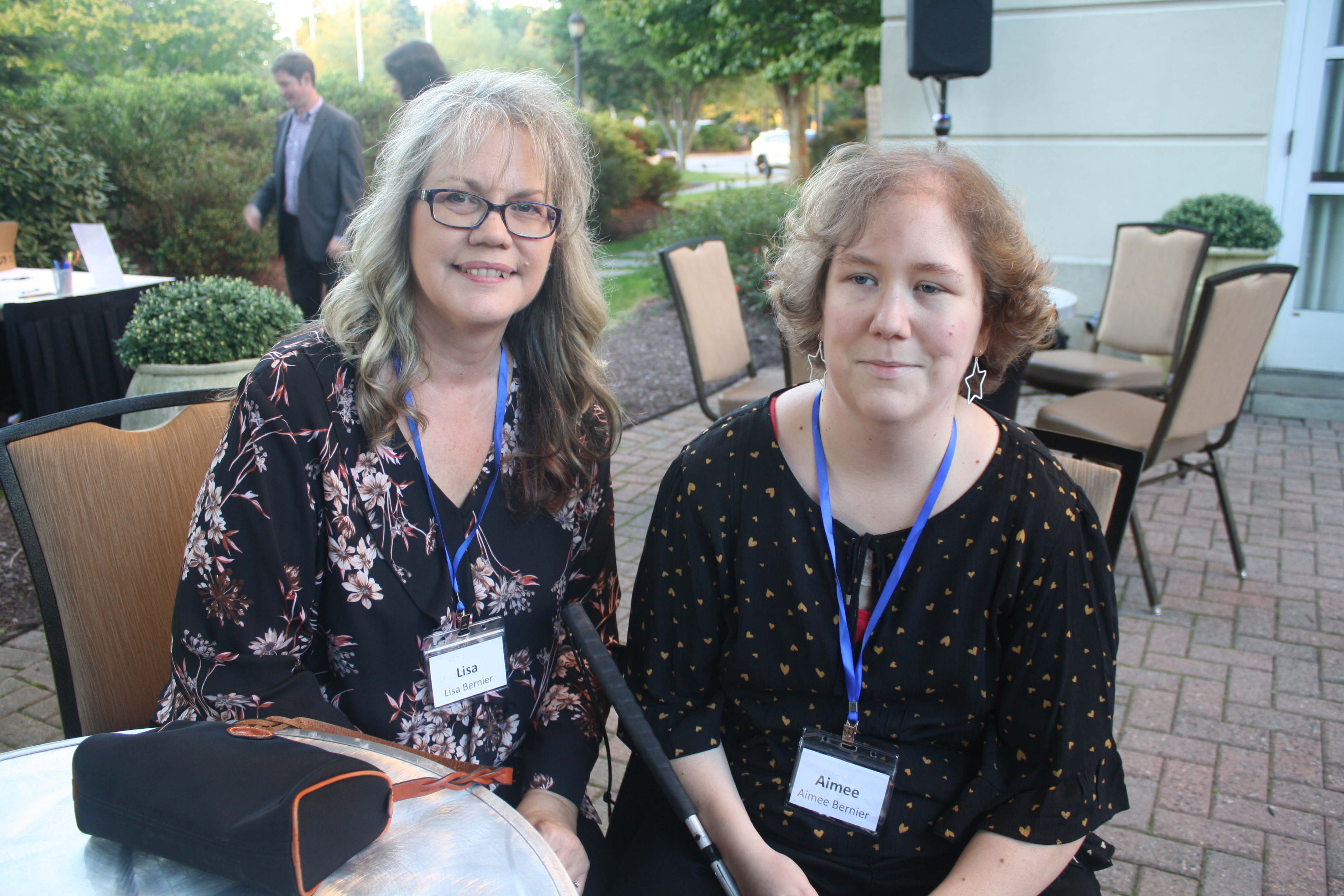
At a fall gathering of families living with Leber congenital amaurosis (LCA) and other rare inherited retinal diseases (IRDs), Lisa Bernier found help and support for her visually impaired daughter for the first time in seven years. Bernier and her 25-year-old daughter, Aimee, traveled to the first-ever Hope in Focus (formally Sofia Sees Hope) LCA Family Conference at the insistence of Aimee’s optometrist.
“Advocacy ends after school ends,” Bernier says.
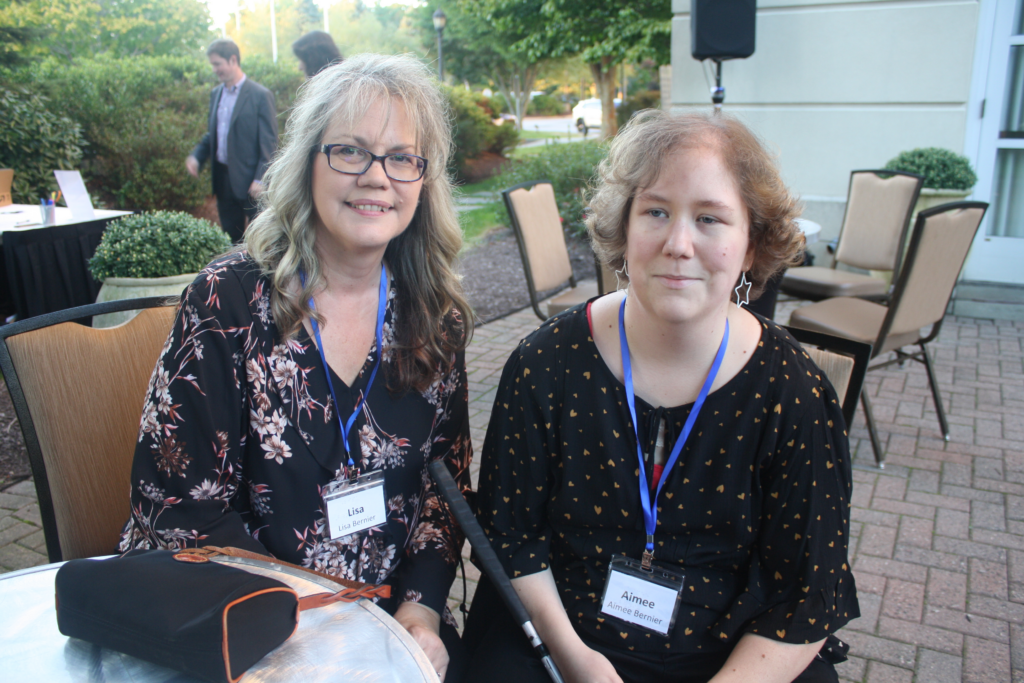
Aimee has Bardet-Biedl Syndrome (BBS), a complex disorder affecting many parts of the body, including the retina. She and others with BBS have retinal degeneration similar to retinitis pigmentosa (RP). Aimee had good experiences at the Perkins School for the Blind and graduated in 2011. Then it became difficult for her mother to find support.
“We’re basically on our own, to advocate for ourselves,” Bernier says. Her 30-year-old son also has BBS with many, but not all, of the same characteristics, and his vision loss is five years’ advanced.
(Editor’s note: Laws vary from state to state, but typically, public education is required to provide services to students in need until age 21, even after high school graduation. Children with learning disabilities who receive services under the Individuals with Disabilities Education Act (IDEA) or the Rehabilitation Act of 1973 (RA) in public elementary and secondary school may continue to have legal rights under federal laws in college programs and in employment. When students graduate from high school or reach age 21, their rights under the IDEA come to an end. As resources can vary greatly from state to state, finding support and resources for a child may fall on the family post-graduation.)
During the early years, Bernier searched for any information on BBS and RP through reading the New England Journal of Medicine, which described those with BBS as having low cognitive skills and dying from kidney failure. Even when Aimee was born, the doctors didn’t understand BBS. Bernier and her husband were grateful to be introduced to the doctors and genetic staff at Shriners Hospitals for Children in Springfield, Mass., where they helped with the health care needs of Aimee and her brother until they were 18.
Bernier said she was thrilled to be at the conference in a roomful of retinal experts, patient advocates, and families attending the Oct. 6 gathering.
Active Patient Community Is Key
During multiple sessions, attendees heard updates on research, learned about the roles played by organizations developing treatments, and gained insight into how an active patient community can support and accelerate treatment.
Spark Therapeutics, Applied Genetic Technologies Corporation (AGTC), National Organization for Rare Disorders (NORD), Foundation Fighting Blindness (FFB), and Sofia Sees Hope are among the many partners working to collaborate with and learn from the patient community to propel research momentum.
More than 50 people from New England, across the country and Mexico attended the conference, including the session titled “The Role of the Patient Voice in Developing Treatments for Rare Disease.” Sofia Sees Hope Executive Director Annette Tonti moderated a three-member panel comprised of:
• Jamie Ring, Head of Patient Advocacy at Spark Therapeutics, which developed the gene therapy called LUXTURNA™ that helps restore vision to people with RPE65 genetic mutations;
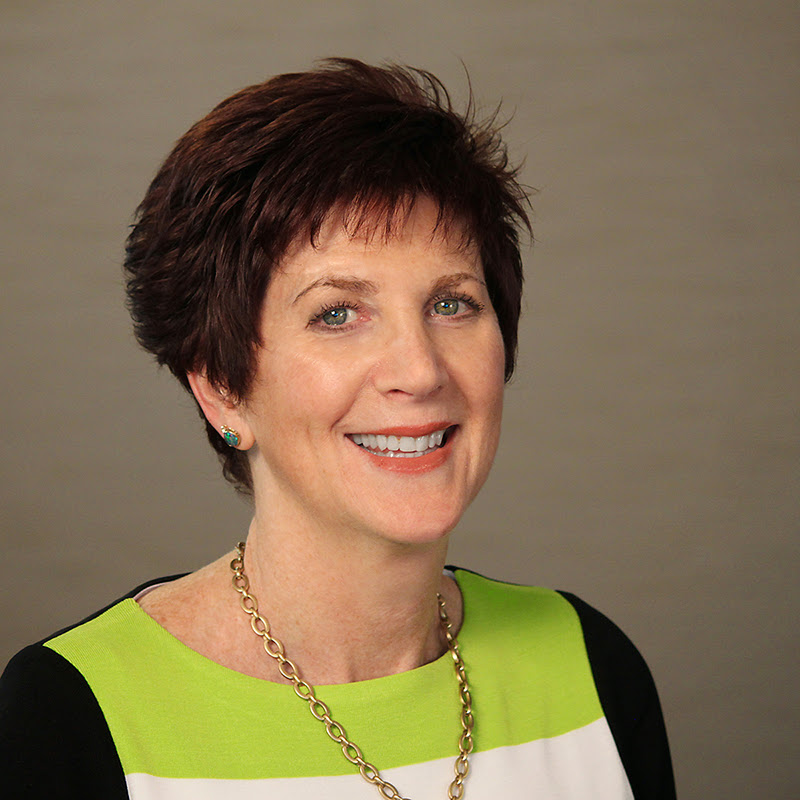
• Jill Dolgin, PharmD, Head of Patient Advocacy at AGTC, a clinical stage biotechnology company focusing on rare IRDs and developing therapies that replace “broken” genes with normal, functional genes;
• Kristen Angell, Associate Director of Advocacy at NORD, a voice for the 30 million Americans with rare diseases and the official U.S. sponsor of Rare Disease Day, which takes place annually on the last day of February.
Personal experiences of family and/or friends dealing with rare diseases motivated all three women to become advocates for patients. As Angell paradoxically put it: “Rare disease has always been common in my family.”
Ring, Dolgin and Angell are a critical part of a relatively new profession – patient advocacy – to help people find support and learn how to become engaged in the process of drug development and research to find treatments for rare diseases.
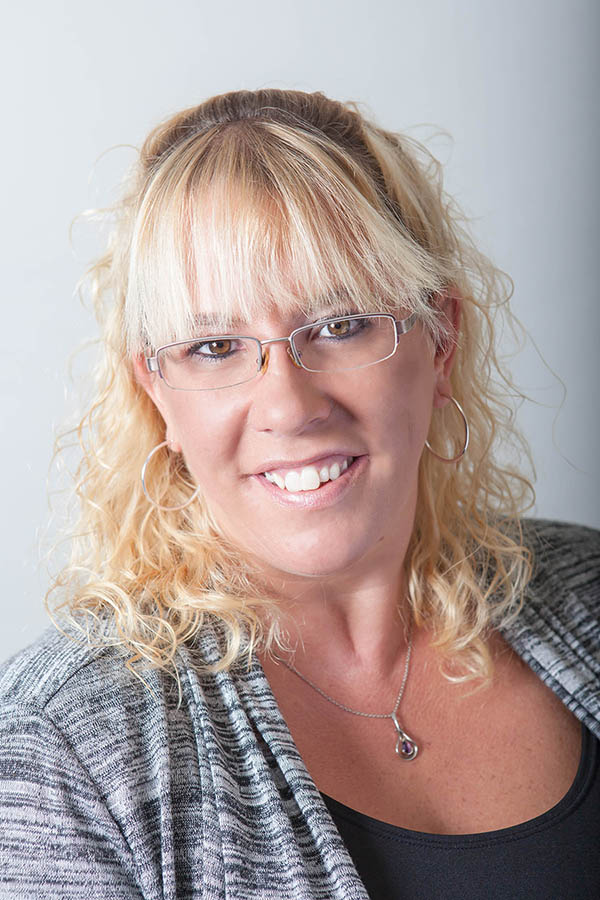
Ring from Spark Therapeutics said she has a passion for helping amplify the voices of the patients and their families and making sure those voices are understood and considered.
“People feel their story doesn’t matter,” she said. “The thing in rare disease is that YOU ARE the expert,” and patient information is critical to doctors and biotechnology companies alike. “At Spark, we want to make sure that patient voice has a seat at the table.”
Connections and Clarity
“There’s no one-size-fits-all,” Ring said. “Simply connecting with other people is probably the most important thing you can do … and having the clarity of your diagnosis allows you to do that most effectively.”
For IRDs, it is essential to know your gene and it’s a good idea to register with My Retina Tracker, a confidential, online, patient registry managed by the Foundation Fighting Blindness. Patient data tracked through registries and collected by researchers helps scientists and biotechnology companies develop clinical drug trials.
AGTC’s Dolgin told the audience that 7,000 rare diseases exist, but fewer than 15 percent have advocacy groups that can assist patients with resources, advocate for clinical research, and find access to vital therapies.
Dolgin, a trained pharmacist, emphasized: “As patient advocates in the pharmaceutical industry, we’re representing the patient at the corporate table.” A priority for the company is to find and educate people with IRDs and encourage them to get genetically tested.
Patients need to be identified, encouraged to enroll in natural history studies, and followed systematically through natural history studies long before beginning the clinical drug trials necessary to seek approval for commercial use from the U.S. Food and Drug Administration. Natural history studies are critical components to clinical research, providing an understanding of the rate of disease progression without treatment to the rate of disease progression after treatment.
Angell said NORD developed 20 patient registries for 20 different diseases in the last few years. She oversees the Rare Action Network, with 5,000 members nationally and ambassadors in 32 states, including Connecticut. The network empowers patients and families to directly reach out to lawmakers to encourage and support the rare disease community.
Angell also encouraged using social media and suggested setting up programs with local chambers of commerce to make people aware of patients in their own community.
“Awareness goes hand in hand with advocacy.”
Shared Experiences & Knowledge
The role of the patient voice continues even more so after development of a treatment. Ask the people with families living with LCA. Sofia Sees Hope has been working to connect these families who have similar concerns and many of them have supported one another and become friends.
Tami Morehouse attended the patient advocacy session and served as panelist in a conference session earlier in the day called “The Road to Treatment: Understanding How Therapies Are Developed.” She is a pioneering LCA patient, in that at age 44 in 2009, Morehouse became the oldest person at the time to take part in the successful Phase 1 RPE65 gene therapy trial, a precursor to the FDA’s December 2017 approval of LUXTURNA.
She’s had many conversations with people involved in the process of LCA treatment or are hopeful they might be involved in a future clinical trial. The first person she talked with was Sarah St. Pierre Schroeder, the mother of now 10-year-old Creed Pettit. They communicated last April on the eve of the boy’s surgery in which doctors at Miami’s Bascom Palmer Eye Institute would inject under his retina a human-engineered virus that gives instructions on how to produce an essential protein for vision.
“I kept thinking about her and Creed in the days prior to Creed’s procedure,” Morehouse said. “I remembered how I felt when I was in their shoes and couldn’t help but reach out to them on the night before Creed’s procedure. As it turned out, Sarah seemed very open and happy to talk with someone who had been there and understood a little about all that they were feeling and wondering about.”
Creed’s mom felt enormous relief in talking with Morehouse.
“I will never forget the emotions I felt when Tami reached out to me,” St. Pierre Schroeder said. “Every sentence in her email brought me more comfort about what I was doing for Creed. She was so open about her journey, I felt like we had known each other forever.”
LUXTURNA took decades of research, many millions of dollars and countless advocacy connections to come to fruition. It is a long journey that begins with the patient and comes full circle.