Through the Eyes of Love: Just James!

Caitlin and Greg Smith eagerly looked forward to the birth of their fourth child, who would complete their busy family of two girls and a boy. Caitlin’s pregnancy was unremarkable, and the family excitedly welcomed baby James in June 2023. But when he was about two months old, the couple noticed that James wasn’t visually tracking as they had expected. “His eyes were closed much more than our other children, and I remember thinking that was odd,” Caitlin said. “He also wouldn’t lock eyes with us or look directly at objects or our faces.” Worried, the Smiths took James to their pediatrician, who wasn’t overly concerned given his age but suggested seeing a pediatric ophthalmologist.
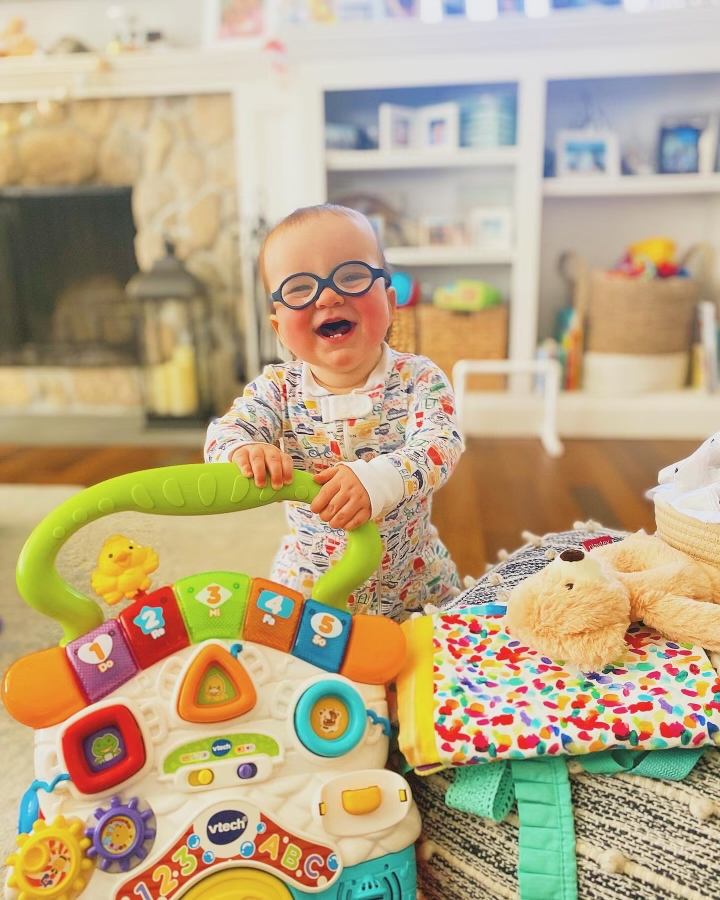
James in pjs and black glasses, sitting up next to his toys with a big smile on his face
James with his toys

A Diagnosis

Unfortunately, the ophthalmology exam revealed that something was wrong. “The doctor noticed pigmentation in his macula and mentioned it could be a number of things but recommended that James be seen by a retinal specialist at Boston Children’s Hospital,” said Caitlin. “The doctor did a clinical exam and, based on seeing degeneration in the retina, diagnosed James with Leber congenital amaurosis (LCA). It was a terrible shock. We knew nothing about inherited retinal diseases or LCA.”

The next step was genetic testing, which revealed James had LCA9, caused by a mutation in the NMNAT1 gene. Greg and Caitlin were also tested, and their results verified that James’ LCA was inherited and not the result of a random mutation. “Just knowing what we were dealing with was a big milestone,” Greg said. “But we needed to know where to go from here.”

After learning that many children with LCA9 are born with no light perception or severe vision impairment, they were encouraged that James appears to be on the better end of the spectrum. “We know he has light perception, can see colors, and has some functional vision. Sometimes, he appears to track people or large objects, but it’s hard to know if it’s because he’s hearing or seeing something,” Caitlin said.

Finding Support, Getting Educated

Immediately after the diagnosis, the Smiths dedicated themselves to researching and understanding all they could about LCA and visual impairments. “As a parent, you always want what is best for your child, and to think about and create what would be best for him, we needed to educate ourselves,” said Caitlin. As they searched LCA online, Hope in Focus popped up. “The day we got the
clinical diagnosis, or maybe a day later, we found Hope in Focus,” Greg said.

Several days later, Greg spoke with Courtney Coates, Hope in Focus Director of Outreach and Development, who provided him with family and research connections and a high-level review of the current treatments and technologies relevant to LCA9. “It’s hard to put into words how impactful it was to get this diagnosis and to be able to go online and get connected to a community of people that could hear our story and help,” he said. “Having Hope in Focus was incredible for us as we began this journey. It makes such a difference knowing you’re not alone. We are forever grateful to Laura, Courtney, and the rest of the Hope in Focus team.”

Courtney also connected the Smiths with another Hope in Focus family whose son had LCA9, which Caitlin said provided an “awesome jumping-off point for connecting to other families with the same mutation.” They’ve also found other LCA9 families in the US and abroad through social media.

Through recommendations from Hope in Focus and via their research, the Smiths began reaching out and networking with people researching and developing potential treatments. “Getting more involved with the research community has been very helpful, and as a family, we are very focused on helping to advance a treatment for James and others with LCA9,” Greg explained.

In James’ case, early-stage preclinical work has been conducted on a potential gene therapy treatment for the NMNAT1 mutation, with promising results in mouse models. “With these rare diseases, taking a traditional path to treatment development is very challenging given the economics involved,” said Greg.

Living Life

His parents describe James as outgoing, adventurous, fearless, and a ball of fun who is always smiling and laughing. “His siblings are totally in love with him,” said Caitlin. Now, James is just another sibling rather than a sibling with a vision impairment.”
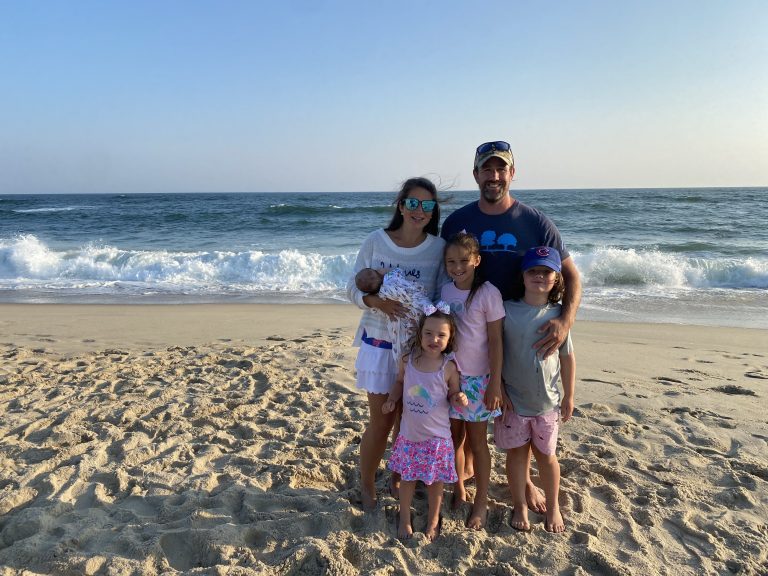
The Smith Family at the beach
The Smith Family

Greg said that he and Caitlin dealt with James’ diagnosis in different ways. It was more challenging for him to accept the vision impairment, and his mind went to all of the things that his son might not be able to do that his siblings could do. “I think Caitlin did a much better job internalizing all of that,” he said.

Caitlin said that she turned her grief into action by focusing on the next steps, such as identifying and arranging for therapies. “It felt like a blessing that our life is so busy. There wasn’t time to sit around and be depressed or in shock—instead, I focused on James’ immediate needs and how we could best support him and give him an amazing life, just like our other children. I didn’t want him to be treated any differently from other kids. We will not allow his vision to define him, but we will make sure he has every opportunity every other child has,” she said.

Daily life at the Smiths is essentially divide and conquer. Greg works at an investment firm and has taken the lead in researching the disease and potential therapies in his spare time. Caitlin is a stay-at-home mom who is incredibly busy with the three older children’s sports schedules and James’ physical, occupational, vision, and speech therapies. They have gotten involved with the NAPA Center in Boston, which offers specialized coaching and therapies for children with disabilities, and they attend a weekly baby group at the Perkins School for the Blind. They feel lucky and thankful for access to excellent resources and support nearby. “It’s been incredible to see how much James has grown and all the milestones he has accomplished. In certain areas, he is more advanced at this age than our other three were,” Caitlin said.

James currently sees three different doctors, including a local eye specialist who used to work at Boston Children’s Hospital. He also goes to Boston Children’s Hospital once a quarter, and there is a yearly trip to the Children’s Hospital of Philadelphia.

Regarding advice for other LCA families, Greg and Caitlin said it may seem overwhelming initially, but everything will be okay. “I struggled with the diagnosis for a while. But now we’re at a place where we feel like James is not our child with LCA. He is just James!”

2023 LCA Family Conference: Developing LCA Treatments

Luxturna®, the only approved treatment for one of 27 identified forms of Leber congenital amaurosis (LCA), cost $500 million to develop and took more than 12 years to come to market.

With such an enormous investment in time and money, it would make sense to use that same platform for developing new treatments to improve vision or halt progression of blindness.

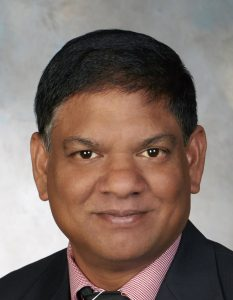
But that’s just not how it works, said Chad R. Jackson, PhD, Senior Director of the Foundation Fighting Blindness Preclinical Transitional Acceleration Research Program.

Every individual clinical study must complete a set of rigorous requirements – which cost time and money – to receive regulatory approval from the Food and Drug Administration (FDA).

Chad R. Jackson
Chad R. Jackson

The Foundation’s translational research program steps up the pace of preclinical studies toward clinical studies involving humans through proactive management and industry-level advice to drive research leading to prevention, treatment, and vision restoration for degenerative retinal diseases.

A Hope in Focus partner, the Foundation has raised nearly $900 million since its founding in 1971 and funds more than 90 programs worldwide, including no-cost genetic testing and the My Retina Tracker® patient registry. The Foundation also launched a Retinal Degeneration Fund (RD Fund) to help accelerate life-changing outcomes for people with retinal degenerations through direct mission-related investments in therapeutic companies.

Chad and other presenters shared information about drug development, gene therapies, and non-gene therapies during two sessions of the Hope in Focus 2023 LCA Family Conference* in Indianapolis this summer.

More than 100 people attended the forum to hear the latest in LCA research and to network with families living with LCA and other rare inherited retinal diseases (IRDs).

Bringing a drug from inception to market takes 10 to 15 years, Chad said, and costs tens and tens of millions of dollars. He said bringing a developing drug from preclinical studies to the FDA requires three steps:

Identify your target to know what you’re seeking to do; conduct invitro studies by expressing patient cells in a lab or as it’s referred to, retinas in a dish; and perform animal-model studies, which save time and money to determine whether emerging therapies are safe and perhaps ready to move toward clinical trials using humans.

Gene-Agnostic Therapies

Chad moderated a panel discussion about research moving beyond single-gene correction to gene-independent therapies to help delay progression of blindness or restore levels of vision.

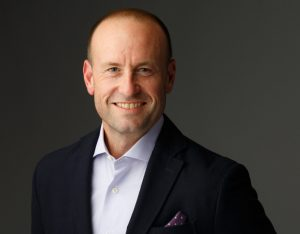
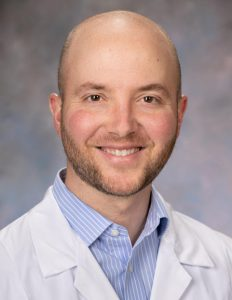
Eric Daniels
Eric Daniels

Kiora Pharmaceuticals’ Chief Development Officer Eric J. Daniels, MD, MBA, discussed the company’s first-in-human study for a non-gene therapy treatment for retinitis pigmentosa (RP), a group of inherited eye diseases that cause progressive vision loss. It is characterized by the gradual death of light-sensitive photoreceptor cells in the retina, known as rods and cones, responsible for converting light into neutral signals sent to the brain.

Dr. Daniels said his company’s technology shifts retinal ganglion cells from their off state, in which they respond to decreases in light. Kiora has discovered a way to shift these cells into their on state in the presence of light through channeled photoswitch molecules.

According to Kiora, the mutation-agnostic treatment has the potential for use in any of the various genetic forms of RP, as well as other retinal degenerative diseases; its intravitreal injection allows for more consistent and tolerable administration, and the small molecule can be manufactured and provided to patients at a much lower expense than the $450,000 per eye cost of Luxturna.

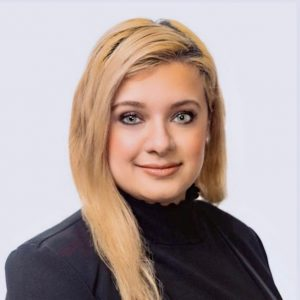
Huma Qamar, MD, MPH, CMI, the head of Clinical Development and Medical Affairs for Ocugen, discussed the biotech’s work on treatments for LCA10 (CEP290), RP, and other IRDs. One of their clinical trials involves a novel gene therapy, OCU400, consisting of a functional copy of a nuclear hormone receptor gene delivered to target retinal cells using an adeno-associated viral (AAV) vector. Expression of this receptor within the retina may potentially help stabilize cells and rescue photoreceptor degeneration, Dr. Qamar said.

Huma Qamar
Huma Qamar

Ocugen demonstrated the potential of a novel modifier gene therapy to elicit broad-spectrum benefits in early and intermediate stages of RP and LCA, based on animal studies, showing the potential for a mutation-agnostic treatment.

Since the conference, Ocugen reported an update on its Phase 1/2 clinical trial for OCU400 for 12 patients who had follow-ups from six to 12 months after a subretinal injection in one eye. The developing drug had a favorable safety profile in this trial phase. Also eight of the 12 patients showed stabilization or improvement in the visual function measures of best corrected visual acuity, low-luminance visual activity, and navigating a multi-luminance mobility test.

The trial is currently enrolling patients, including pediatric patients with LCA10.

Gene Therapies

In the conference’s final session, moderated by Foundation Vice President of Science Communications Ben Shaberman, four panelists discussed their work on LCA gene therapies.

Shannon E. Boye
Shannon E. Boye

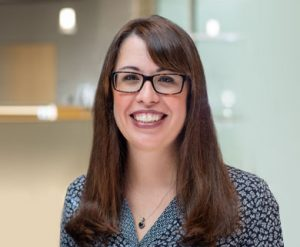
Shannon Boye, PhD, Co-Founder, Director, and Acting Chief Science Officer of Atsena Therapeutics, said the road to drug development is long and bumpy. She helped design early studies on LCA1 (GUCY2D) in 2001.

With the process going so slowly, Shannon reached out to then-Foundation CEO Ben Yerxa, who helped push her and her husband into starting their own company.

In 2019 doctors dosed the first patient. Earlier this year, in a Phase 1/2 clinical trial, their LCA1 gene therapy, known as ATSN-101, showed clinically meaningful improvements in vision at the highest dose with no drug-related serious adverse events at six months after treatment.

Ash Jayagopal
Ash Jayagopal
Ben Yerxa
Ben Yerxa

At Opus Genetics, Chief Scientific Officer Ash Jayagopal, PhD, discussed the biotech’s progress for various programs in, or advancing toward, early-stage clinical trials.

Opus, headed by CEO Ben Yerxa, PhD, is the first spin-out company internally conceived and launched by the Foundation’s RD Fund. The Fund’s purpose is to accelerate advancing research into gene therapy for several forms of LCA and other retinal degenerative diseases.

Opus’ most advanced program for LCA5 (lebercilin), OPGx-LCA5, is dosing patients, while two other LCA programs involving LCA13 (RDH12) and LCA9 (NMNAT1) are in preclinical development.

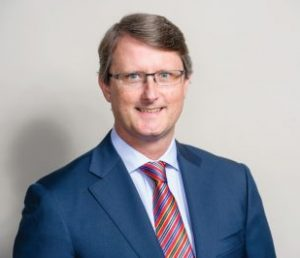
Thomas Mendel, MD, PhD, talked about his research at The Ohio State University, where he is Assistant Professor of Ophthalmology and Vitreoretinal Surgery at the university’s Havener Eye Institute, Department of Ophthalmology & Visual Sciences. He is building a research program to develop and implement gene therapies for  Professor of Ophthalmology and Vitreoretinal patients with inherited retinal disease.

Bikash R. Pattnaik
Bikash R. Pattnaik
Thomas Mendel
Thomas Mendel

The goal is to build a translational lab with a team and accelerate development and clinical trials with gene-based treatments.

Bikash R. Pattnaik, PhD, told the audience about his work at the University of Wisconsin-Madison (UWM), where he is a professor and Clinical Director for Electrophysiology in the departments of Pediatrics, Ophthalmology, and Visual Sciences.

This summer, the National Institutes of Health awarded UWM a $29 million grant to develop gene-editing therapies for two inherited retinal conditions: LCA16 (KCNJ13) and Best disease. Bikash said the LCA16 treatment in development could be in clinical trials next year.

*Please go to our Hope in Focus website to see our previous three stories detailing sessions from our 2023 LCA Family Conference. Click here to see a video about the conference.

Noah’s Journey: Living and thriving with LCA9 NMNAT1

Five-year-old Noah Johnson lives in a special place where he can see rockets shoot into the air at night.

“I can see,” he yells to his mom, Stephanie. “I can see the rocket!”

One of the big joys of living in Melbourne on Florida’s Space Coast is witnessing dramatic liftoffs from nearby Cape Canaveral, especially when it’s dark.

“It’s so heartwarming because he can see what everyone else can see,” his mom said.

Noah also can see colors, faces, and at night, he can see the moon.

During the day, he can hear the booming roar of the magnificent engines, but unlike in darkness, he can’t see the spacecraft soar into the great beyond.

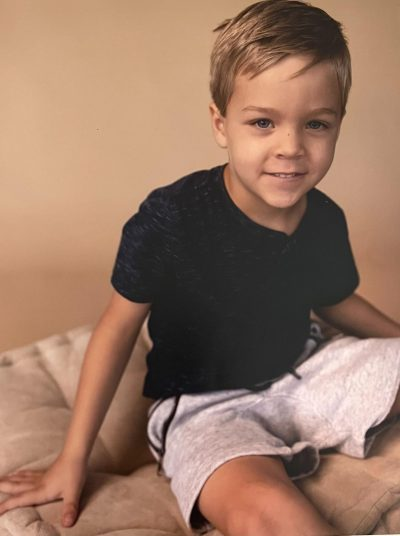
Noah sitting with a black shirt and grey shorts.
Noah

Stephanie and her husband, Brian, noticed in 2018 the rapid, side-to-side movements in the eyes of their 4-month-old. Stephanie now knows that the eye-movement condition, known as nystagmus, presents as a symptom of the rare inherited retinal disease Leber congenital amaurosis, known as LCA.

After following up with a pediatric ophthalmologist, the doctor asked Stephanie’s other children if they could leave the room, while she wondered, “What is going on?”

The family left the office with many questions and only one vague answer: Something was extremely concerning about Noah’s retina.

Getting a confirmed genetic diagnosis

Noah soon underwent what his mom described as a “horrible and kind of brutal” eye exam. She wants doctors and parents to understand the difficulty of getting an infant to sit still and open his eyes.

The extensive exam used eye hooks to expose his eyeball.

“They put the ultrasound gel directly on the eyeball. I am so thankful as a parent that we’re beyond that, as it was extremely difficult to watch and for him to experience.

“Everyone has their own journey. If I had known there were better imaging options when he got older, I would have asked more questions and inquired if we could wait. The imaging is different and a 2-year-old has the ability to sit and look straight.”

The couple declined an electroretinography (ERG) test that detects abnormalities in retinal function. Even if the earlier testing had gone more smoothly, they didn’t want the doctors to perform the test.

“We were not comfortable putting him under anesthesia,” Stephanie said. “It would give a disease diagnosis but would not confirm the type of LCA. For us we decided against it, for now.”

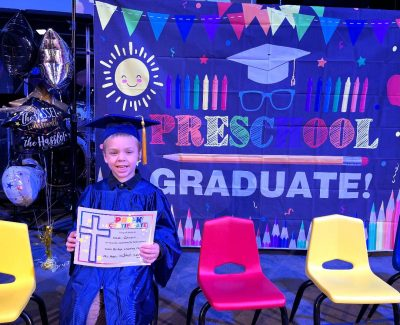
Noah with his graduation cap on holding his certificate with a fun background saying "Preschool graduate!".
Noah graduating from Pre-K

Noah’s parents instead moved forward with genetic testing, receiving their son’s diagnosis of LCA and a confirmed genetic diagnosis of LCA9 NMNAT1.

“I can tell you this, when we first got Noah’s diagnosis, it was extremely emotionally hard, and it took a whole season of trying to come to grips with it,” she said. “What does it look like? We don’t wear glasses, no one in our family wears glasses or has anything wrong with their vision. It came completely out of nowhere; it was a bit of a shock.

“We just dove deep into our faith, and we had so much of a peace about it. We just cried to God about it. That sustained us through that time of all these things going through your head about what he’ll ever be able to do and whether vision is the only issue.

“There’s a still a unique peace about it that we carry to this day.”

Looking forward to the 2023 LCA Family Conference

The mother of five, working at home full-time as a health insurance account manager, and her husband, who is an occupational therapist with the Veterans Administration, sought out as many people and organizations as possible to find services, to understand LCA, and to learn about retinal disease research.

“I was thinking of people to walk this journey with because it’s an extremely rare diagnosis,” Stephanie said. “I was trying to find other people who have walked through this and are now adults.”

She also attended the 2019 Hope in Focus LCA Family Conference in Philadelphia, where she connected with other families living with LCA and researchers working on treatments for the disease.

And she’s planning to attend Hope in Focus’ third LCA Family Conference this week from June 23-24, 2023.

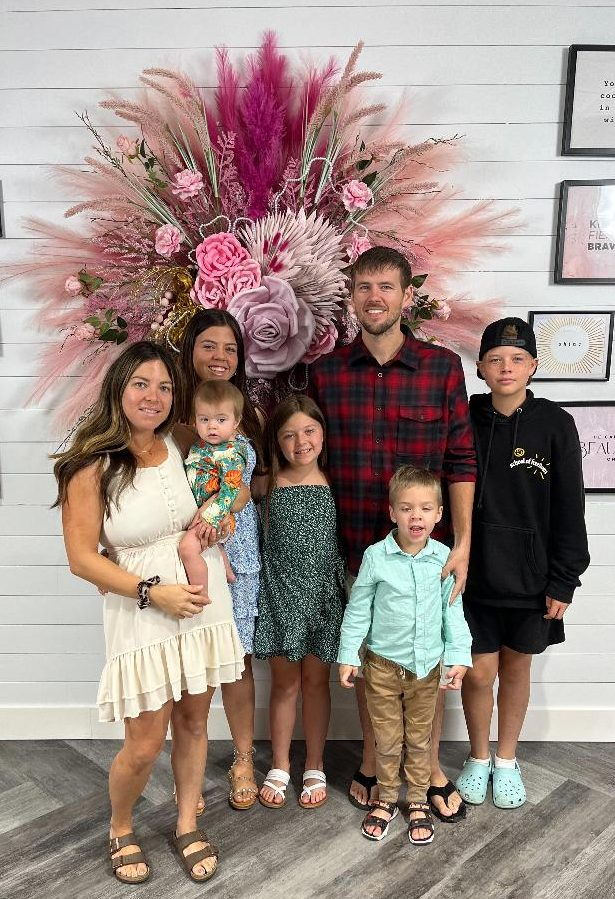
The Johnson Family: (L) Stephanie (mom) holding Addisyn; Faith (behind Addisyn); Emma, Brian (dad), Noah, and Ryan
The Johnson Family

“I think the LCA conference is so vital. It was a great experience, and I’m looking forward to it even more this year.

“We’ve been at this much longer. We know more, we know what to ask. With Noah going into kindergarten, it’s important to connect with families and talk about how their children went through kindergarten.”

While she’s excited about advances in LCA research that could help Noah, she worries about the effectiveness and risks of trying new therapies.

“The progress made in just the past five years is amazing, and we are optimistic for further advancements, especially for NMNAT1.”

Biotech to advance NMNAT1 gene therapy research

Stephanie finds comfort knowing Noah’s form of LCA is among three in the scope of research advancement by Opus Genetics, a biotech created through the Foundation Fighting Blindness’ Retinal Degeneration Fund (RD Fund) to invest in projects in, or advancing toward, early-stage clinical trials.

Ben Yerxa, PhD, Chief Executive Officer of Opus, characterized the company as a first-of-its-kind model for patient-focused development.

“As the first company launched by the Foundation’s venture arm, RD Fund, Opus is uniquely positioned to bring experts, resources, and patients together to efficiently advance ocular gene therapies for small groups of patients that to-date have been neglected.”

Opus’ lead program addresses mutations in the LCA5 gene encoding the lebercilin protein. The next one focuses on LCA13 RDH12, caused by mutations in the retinal dehydrogenase gene.

The company’s third program targets LCA9 NMNAT1, the gene mutation affecting Noah’s vision.

Stephanie met the Foundation’s Ben Shaberman and Ben Yerxa at the 2019 conference when he served as Foundation’s CEO.

“It just feels so exciting that he is leading Opus. He is a wealth of knowledge for the blind community and has been essential in raising money for research, as money is such a major part of moving this research forward.”

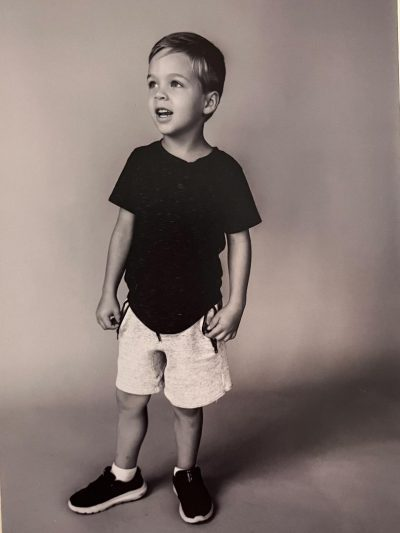
Black and white photo of Noah standing
Noah

Onward to kindergarten

Doctors think Noah’s vision is 20/200, with little central vision and more peripheral vision. Considered legally blind, Noah navigates well, with most people not even knowing he has vision loss.

“I’m just excited, but nervous, about him going into the school this fall, just because I’ve never walked this journey with a school-aged child.”

Stephanie and Brian look forward to meeting and talking with other families living with LCA to gain insight into their son’s progress.

For now, though, Noah continues enjoying his favorite food – pepperoni pizza – and his favorite things: Toy Story movie’s Buzz Lightyear, monster trucks, and, at night: the rockets and the moon.