Luxturna®, the only approved treatment for one of 27 identified forms of Leber congenital amaurosis (LCA), cost $500 million to develop and took more than 12 years to come to market.
With such an enormous investment in time and money, it would make sense to use that same platform for developing new treatments to improve vision or halt progression of blindness.
Every individual clinical study must complete a set of rigorous requirements – which cost time and money – to receive regulatory approval from the Food and Drug Administration (FDA).
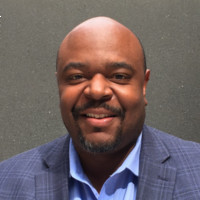
Chad R. Jackson
The Foundation’s translational research program steps up the pace of preclinical studies toward clinical studies involving humans through proactive management and industry-level advice to drive research leading to prevention, treatment, and vision restoration for degenerative retinal diseases.
A Hope in Focus partner, the Foundation has raised nearly $900 million since its founding in 1971 and funds more than 90 programs worldwide, including no-cost genetic testing and the My Retina Tracker® patient registry. The Foundation also launched a Retinal Degeneration Fund (RD Fund) to help accelerate life-changing outcomes for people with retinal degenerations through direct mission-related investments in therapeutic companies.
Chad and other presenters shared information about drug development, gene therapies, and non-gene therapies during two sessions of the Hope in Focus 2023 LCA Family Conference* in Indianapolis this summer.
More than 100 people attended the forum to hear the latest in LCA research and to network with families living with LCA and other rare inherited retinal diseases (IRDs).
Bringing a drug from inception to market takes 10 to 15 years, Chad said, and costs tens and tens of millions of dollars. He said bringing a developing drug from preclinical studies to the FDA requires three steps:
Identify your target to know what you’re seeking to do; conduct invitro studies by expressing patient cells in a lab or as it’s referred to, retinas in a dish; and perform animal-model studies, which save time and money to determine whether emerging therapies are safe and perhaps ready to move toward clinical trials using humans.
Gene-Agnostic Therapies
Chad moderated a panel discussion about research moving beyond single-gene correction to gene-independent therapies to help delay progression of blindness or restore levels of vision.
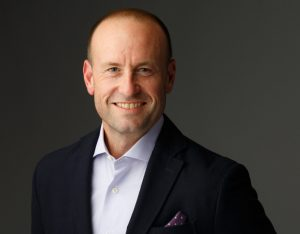
Eric Daniels
Kiora Pharmaceuticals’ Chief Development Officer Eric J. Daniels, MD, MBA, discussed the company’s first-in-human study for a non-gene therapy treatment for retinitis pigmentosa (RP), a group of inherited eye diseases that cause progressive vision loss. It is characterized by the gradual death of light-sensitive photoreceptor cells in the retina, known as rods and cones, responsible for converting light into neutral signals sent to the brain.
Dr. Daniels said his company’s technology shifts retinal ganglion cells from their off state, in which they respond to decreases in light. Kiora has discovered a way to shift these cells into their on state in the presence of light through channeled photoswitch molecules.
According to Kiora, the mutation-agnostic treatment has the potential for use in any of the various genetic forms of RP, as well as other retinal degenerative diseases; its intravitreal injection allows for more consistent and tolerable administration, and the small molecule can be manufactured and provided to patients at a much lower expense than the $450,000 per eye cost of Luxturna.
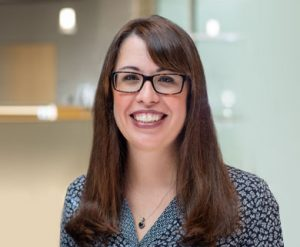
Huma Qamar, MD, MPH, CMI, the head of Clinical Development and Medical Affairs for Ocugen, discussed the biotech’s work on treatments for LCA10 (CEP290), RP, and other IRDs. One of their clinical trials involves a novel gene therapy, OCU400, consisting of a functional copy of a nuclear hormone receptor gene delivered to target retinal cells using an adeno-associated viral (AAV) vector. Expression of this receptor within the retina may potentially help stabilize cells and rescue photoreceptor degeneration, Dr. Qamar said.
Huma Qamar
Ocugen demonstrated the potential of a novel modifier gene therapy to elicit broad-spectrum benefits in early and intermediate stages of RP and LCA, based on animal studies, showing the potential for a mutation-agnostic treatment.
Since the conference, Ocugen reported an update on its Phase 1/2 clinical trial for OCU400 for 12 patients who had follow-ups from six to 12 months after a subretinal injection in one eye. The developing drug had a favorable safety profile in this trial phase. Also eight of the 12 patients showed stabilization or improvement in the visual function measures of best corrected visual acuity, low-luminance visual activity, and navigating a multi-luminance mobility test.
The trial is currently enrolling patients, including pediatric patients with LCA10.
Gene Therapies
In the conference’s final session, moderated by Foundation Vice President of Science Communications Ben Shaberman, four panelists discussed their work on LCA gene therapies.
Shannon E. Boye
Shannon Boye, PhD, Co-Founder, Director, and Acting Chief Science Officer of Atsena Therapeutics, said the road to drug development is long and bumpy. She helped design early studies on LCA1 (GUCY2D) in 2001.
With the process going so slowly, Shannon reached out to then-Foundation CEO Ben Yerxa, who helped push her and her husband into starting their own company.
In 2019 doctors dosed the first patient. Earlier this year, in a Phase 1/2 clinical trial, their LCA1 gene therapy, known as ATSN-101, showed clinically meaningful improvements in vision at the highest dose with no drug-related serious adverse events at six months after treatment.
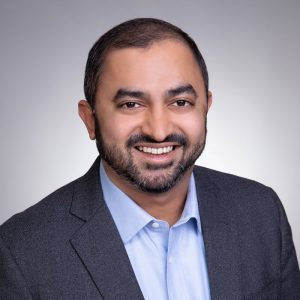
Ash JayagopalBen Yerxa
At Opus Genetics, Chief Scientific Officer Ash Jayagopal, PhD, discussed the biotech’s progress for various programs in, or advancing toward, early-stage clinical trials.
Opus, headed by CEO Ben Yerxa, PhD, is the first spin-out company internally conceived and launched by the Foundation’s RD Fund. The Fund’s purpose is to accelerate advancing research into gene therapy for several forms of LCA and other retinal degenerative diseases.
Opus’ most advanced program for LCA5 (lebercilin), OPGx-LCA5, is dosing patients, while two other LCA programs involving LCA13 (RDH12) and LCA9 (NMNAT1) are in preclinical development.
Thomas Mendel, MD, PhD, talked about his research at The Ohio State University, where he is Assistant Professor of Ophthalmology and Vitreoretinal Surgery at the university’s Havener Eye Institute, Department of Ophthalmology & Visual Sciences. He is building a research program to develop and implement gene therapies for Professor of Ophthalmology and Vitreoretinal patients with inherited retinal disease.
Bikash R. Pattnaik
Thomas Mendel
The goal is to build a translational lab with a team and accelerate development and clinical trials with gene-based treatments.
Bikash R. Pattnaik, PhD, told the audience about his work at the University of Wisconsin-Madison (UWM), where he is a professor and Clinical Director for Electrophysiology in the departments of Pediatrics, Ophthalmology, and Visual Sciences.
This summer, the National Institutes of Health awarded UWM a $29 million grant to develop gene-editing therapies for two inherited retinal conditions: LCA16 (KCNJ13) and Best disease. Bikash said the LCA16 treatment in development could be in clinical trials next year.
*Please go to our Hope in Focus website to see our previous three stories detailing sessions from our 2023 LCA Family Conference. Click here to see a video about the conference.
The community of people living with Leber congenital amaurosis caused by mutations in the RDH12 gene moved closer to realizing the shared goal of establishing a clinical trial to find a treatment for the blinding disease.
More than 40 people gathered for the Second Global RDH12 Scientific Conference in Baltimore. The daylong meeting in November offered perspectives from clinicians, patients, parents, advocates, academia, regulators, and industry.
Silvia Cerolini, founder of Eyes on the Future, one of three organizations under the umbrella of the Global RDH12 Alliance, said the conference made tremendous progress toward a common goal: Designing a successful clinical trial to find a treatment to improve or stabilize vision in people living with RDH12. Current LCA13 RDH12 research is in preclinical stages, with the hope that the first clinical trials may start in 12 to 24 months.
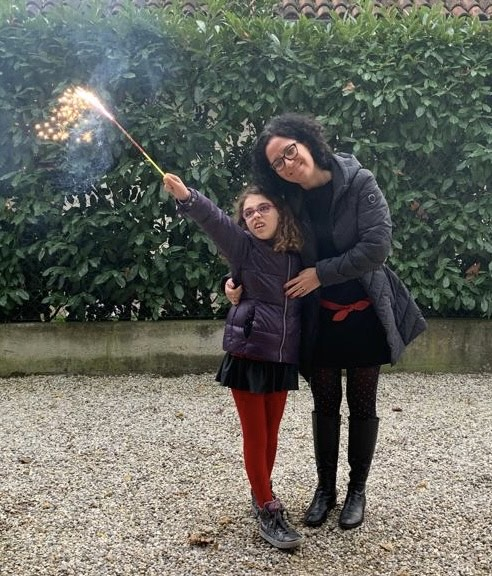
Silvia Cerolini and her 9-year-old daughter, Vicky
As one woman living with RDH12 voiced during the conference: “Any quantity of vision is everything for us.”
This recent conference brought together an international group of scientific, medical, advocacy, and industry experts to identify and prioritize potential elements in designing a clinical trial and its key components: Outcome measures and endpoints.
Outcome measures are used to assess a patient’s vision. Performed at the start of a clinical trial, the measures provide baseline information that can be compared with the same outcome measures done after an intervention or treatment, determining progress and efficacy.
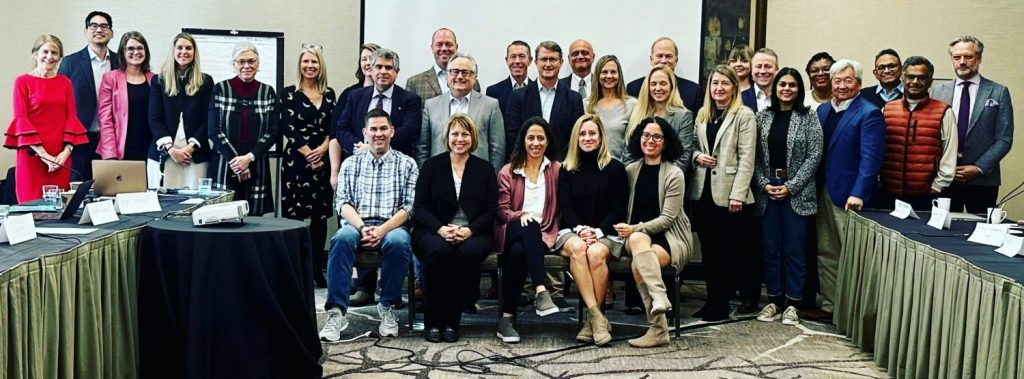
Participants in the Second Global RDH12 Scientific Conference
Endpoints are outcome measures selected as the most relevant and clinically meaningful measurements that can be measured objectively to determine whether the intervention being studied is beneficial.
Selecting the most appropriate and patient-relevant outcome measures as endpoints for each specific IRD is a big challenge for the entire field of inherited retinal dystrophies.
The heterogeneity (diverseness) of IRD phenotypes (characteristics) poses significant challenges to understanding disease pathology, predicting treatment benefit, and selecting outcome measures and endpoints for clinical trials. Challenges in recent clinical trials failing to demonstrate treatment efficacy show the need for innovation in trial design and outcome measures’ selection.
Organizers cited four key challenges unique to treating RDH12 mutations: (1) Severe impairment of retina/vision from early life; (2) Uncertain expectations of stabilization/preservation versus improvement/restoration of vision; (3) Heterogeneity of the RDH12 phenotypes (and IRDs in general); and (4) Slow expected pace of detectable changes after treatment.
Conference highlights included stories from people living with the disease and the constructive dialog among industry representatives, clinicians, scientists, and regulators, Coates said.
“Most significant were the RDH12 patients and parents sharing their experiences with progressive vision loss and their hopes for a treatment,” she said. “The day marked a meaningful step toward successful trials and, hopefully, will become a model as other gene-mutation studies progress to trials.”
For Maria Fiore, mother of 17-year-old Bella who lives with RDH12, the day brought hope.
“The input – from the academic side, opinions from the regulatory side, and the competitive nature of having multiple interests on the industry side – gives me a lot of hope that we’re getting closer to an RDH12 clinical trial,” said Fiore, a member of the Board of Directors for RDH12 Fund for Sight.
“We appear to be closer than ever, and events like the conference help to keep the motivation and drive to bring this to the finish line a real possibility.”
Bella and Vicky are part of the global RDH12 community that includes more than 200 families from 20 countries. Children and adults living with the rare inherited retinal disease hail from the United States, Europe, South America, China, India, and Russia.
The families communicate through Facebook and an email newsletter, with some local groups emerging to involve more people and remove language barriers.
The Global RDH12 Alliance organizes twice-yearly virtual community calls to review progress on clinical developments and discuss common challenges. Collectively, the three RDH12 organizations have raised more than $3.5 million since 2011 to advance research and find treatments.
Click here to see a video of people living with RDH12 introducing themselves.
Cerolini said it had been far from easy to wrestle all the participants down for one full day.
“But we came together as one big team to optimize the chances of trial success for our RDH12 community. There is still work to do to give Vicky and all our RDH12 community hope to see the world,” she said.
“It is not easy. But we are as close as ever to the first human clinical trials and we need to keep going. What we are learning about RDH12 can help the entire IRD field.”
The gathering watched a video of children and adults with RDH12 describing difficulties with sight loss and the hope that research will lead to a treatment.
Coates said people from several countries expressed their desires to have a chance to better their vision or at least maintain it.
“The heartfelt presentation reminded everyone in the room why we were there.”
Individuals and their families at the conference comprised a group of nine, sharing worldwide perspectives about trial design and outcome. They said they would accept stabilizing visual function as a “significant win” in the pursuit of a treatment.
Adult patients talked about the importance of keeping whatever light perception they have and shared stories of struggles in knowing where they are in their space, including the perils of bumping and bruising their foreheads when navigating spaces.
As one woman characterized the quest: “Any quantity of vision is everything for us.”
Their comments led to discussions with regulators and clinicians about the complexities of retinal function and the validity of certain endpoints and outcomes.
Clinicians and academics shared unpublished data on RDH12 natural history and thought-provoking perspectives from the latest IRD trials.
Tomas S. Aleman, MD, PhD, presented insight from an RDH12-associated IRD natural history study and the latest expectations for treatment. He talked about differences between the LCA13 RDH12 and LCA2 RPE65 mutations, and the structural and functional relationship in the RDH12 mutation that causes central vision loss resulting in blurring.
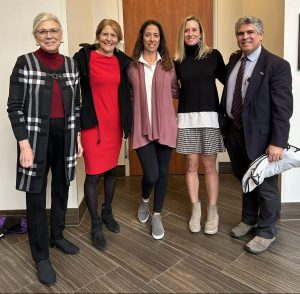
L-R: Debra A. Thompson, Jean Bennett, Maria Fiore, Allison Galloway, and Tomas S. Aleman
Despite functional and structural degradation of photoreceptors, he said, RDH12 gene therapy may have the potential to improve outcomes, even in adults, once certain toxins can be degraded.
Dr. Aleman is Professor of Ophthalmology and Director of the Hereditary Retinal Degeneration Clinics at the Scheie Eye Institute’s Perelman Center for Advanced Retinal and Ocular Therapeutics (CAROT) at the University of Pennsylvania.
***
Jean Bennett, MD, PhD, discussed outcomes and endpoints from studying the RPE65 gene mutation while developing voretigene neparvovec, known as LUXTURNA®, and whether they can be translated to RDH12 clinical trials.
The U.S. Food & Drug Administration (FDA) in 2017 approved LUXTURNA to help improve vision for people living with RPE65. The therapy remains the first and only approved ocular gene therapy and the only gene therapy treatment for any inherited disease in the United States.
The breakthrough treatment developed at Children’s Hospital of Philadelphia (CHOP) and Spark Therapeutics in Cambridge began with the successful treatment of a special being, Lancelot, the first in a line of Briard herding dogs, who helped drive research to bring the gene therapy to market.
Dr. Bennett told the group the development of a novel patient-relevant endpoint – a multi-luminance mobility test (MLMT) to measure functional vision, or how a person navigates in a vision-related activity across a range of light levels in daily living – was instrumental in demonstrating how voretigene neparvovec could improve vision in RPE65 patients, leading to LUXTURNA’s approval.
The navigational test, though, can be cumbersome and time-consuming, given the elaborate setup with lighting controls, videotaping, analysis, and such. Alternatively, researchers are working on virtual-reality tests, created as time-savers with more versatility. The task would be to design a functional vision test using a virtual-reality obstacle course.
Drs. Bart P. Leroy, Jean Bennett, and Daniel C. Chung
Dr. Bennett is Professor of Ophthalmology at CAROT and the F.M. Kirby Emeritus Professor of Ophthalmology at the Perelman School of Medicine at UPenn.
***
Dr. Robert E. MacLaren, Professor of Ophthalmology at the University of Oxford, discussed lessons drawn from recent IRD clinical trials and vector delivery. He is working on a trial assessing the effects of retinal gene therapy with an adeno-associated viral (AAV) vector encoding genome particles.
LUXTURNA gene therapy employs a human-engineered AAV vector containing copies of a normal gene injected under the retina to express a protein necessary for vision.
Prof. MacLaren discussed opening the door to a new concept in the IRD space where researchers look for statistically significant improvements that show the vector is working and be more flexible in the immediate argument of whether that has a clinically significant improvement in that patient’s visual function, there and then.
Professor Bart P. Leroy, MD, PhD, discussed information learned from recent IRD clinical trials and gene therapies in clinical practice.
He co-authored the PERCEIVE study that analyzed the Year 2 interim research on LUXTURNA, concluding the drug demonstrated safety and effectiveness when used in clinical practice following its regulatory approval. The study also identified a new adverse drug reaction called chorioretinal atrophy, causing inflammation in some patients. So far, the reaction has not affected visual function and will be tracked as the study progresses.
He emphasized working toward shared goals and communicating with regulatory agencies on design and outcomes for IRD clinical trials. Saying children are not little adults, Dr. Leroy said questions about specific designs and patient-reported outcomes need to be adapted to the study population.
Dr. Leroy is Professor of Ophthalmology, Ophthalmic Genetics, and Visual Electrophysiology at Ghent University, and Head of the Ophthalmology Department at Ghent University Hospital, Ghent, Belgium.
***
Adam M. Dubis, PhD, Associate Professor, University College of London Institute of Ophthalmology Global Business School for Health, and Advanced Human Retinal Imaging Specialist at Moorfields Eye Hospital, presented information on work planned around data-driven solutions for RDH12 clinical trial support.
Meira GTxCEO RobertK. Zeldin, MD, PhD, updated the group on the biotech’s RDH12 clinical development. The company is enrolling participants in the US, UK, and Europe for a natural history study and is planning a Phase 1/2 trial to assess safety and tolerability of potential gene therapy treatment.
Opus Genetics’ CEO Ben Yerxa, PhD, discussed capitalizing on key lessons in LUXTURNA’s development. Opus has three LCA-related projects in its pipeline, including one in early stages for RDH12. The company concentrates on preclinical projects in, or advancing toward, early-stage clinical trials to move research forward, with the goal of a successful trial or trials.
The FDA’s Dr. Wiley A. Chambers and the EMA’s Jane Moseley discussed trial-design parameters and outcome measures. They articulated their points of view, offering actionable advice on novel endpoints, including structural versus functional measures, virtual-reality mobility mazes, and patient-reported outcomes.
Todd A. Durham, Foundation Fighting Blindness Sr. VP of Clinical & Outcomes Research, talked about Patient-Reported Outcome Measures (PROMS), questionnaires designed to capture how a patient feels or functions, without input or interpretation from anyone else.
PROMS are developed using qualitative information, such as experiences, priorities, and contextual information from well-defined patient populations. Durham described ways the information could help advance research into treatments for people living with RDH12 and other IRDs, and he recommended steps toward creating a draft PROM strategy to begin conversations with regulators and payors.
Elin Haf Davies, PhD, CEO of Aparito, presented information on patient-centered clinical outcome assessments and the importance of quality of life for people living with rare diseases, such as RDH12.
Attendee Perspectives
The conference, chock-full of experts in myriad aspects of working to find a treatment for people living with RDH12, manifested hope and excitement toward its goal of launching clinical trials. Here are a few reflections from people in attendance:
Vicky, Silvia Cerolini’s daughter
“The level of engagement and willingness to share knowledge, experiences, and perspectives from this multi-stakeholder group was inspiring and motivating,” Astraea’s Sue Lacey said. “And I’m sure this will translate into increased momentum and robust clinical development programs for RDH12.”
From Prof. Bart P. Leroy: “A big thank you for organizing a day that took RDH12-IRD patients considerably closer to gene therapy. The maturity and respect during the day allowed for an open and fruitful discussion.”
Dr. Daniel C. Chung with SparingVision thanked organizers for putting together a great meeting and said, “The free exchange of thoughts and points of view was incredibly enriching. We look forward to continuing this conversation and developing concrete solutions for further development until one day a patient will have the option of a treatment.”
Three people who received diagnoses of Leber congenital amaurosis (LCA) in recent years – but lived most of their lives thinking they had retinitis pigmentosa (RP) – gave us the opportunity to hear their stories at a special session of the VISIONS 2022 conference this summer.
An RP diagnosis is currently given to patients with photoreceptor degeneration but good central vision within the first decade of life; an LCA diagnosis is given to patients who are born blind or who lose vision within a few months after birth.
Ultimately, though, that difficulty did not hold back these individuals from creating happy and productive lives because they did not allow their blindness to define them.
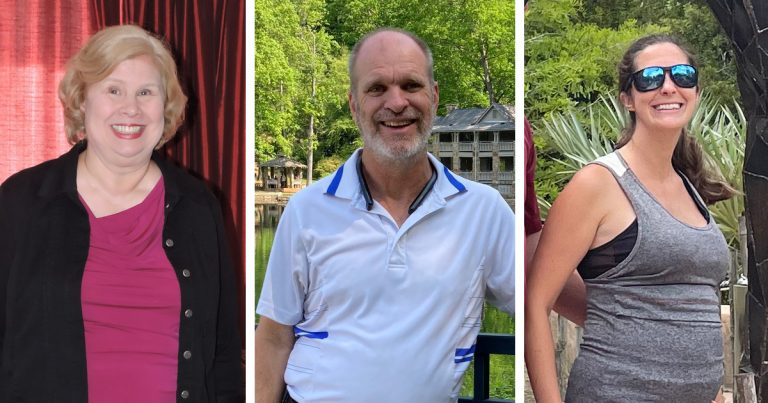
Linda Joy Wirth, Russ Davis, and Emily Townsend Cobb
Linda Joy Wirth
Blind since birth, Linda Joy Wirth, now 75 and living in Lakewood, Colo., was diagnosed with RP in the 1960s. Because she was told from an early age that nothing could be done for her blindness, she stopped thinking about her diagnosis and focused on her education, marriage, and children.
Then she thought: “You can never cure something if you can’t diagnose it.”
In the 1990s, she sought out a highly recommended doctor who treated her with a strong dose of cruel words.
“ ‘You’re blind. What do you want me to tell you?’ ” she recalled the doctor saying. “I was so distraught by the visit; I did not go back to the doctor for years and years and years.”
About 10 years ago, though, she went to a Foundation conference, where she received a referral to a Denver retinal specialist by the name of Dr. Alan Kimura, who changed her life.
“When I finally saw Dr. Kimura, I said I don’t even know why I’m here. I walked out two hours later, and I was walking on cloud nine. It’s so important to have the right retinal doctor.”
Dr. Kimura told her she had LCA. Genetic testing gave her a confirmed genetic diagnosis of LCA10, caused by mutations in the CEP290 gene.
Linda encourages people to get genetically tested to pinpoint the diagnosis, and then, like her, to be aware of the possibility of participating in a clinical trial to advance research into treatments and cures.
People told Linda along the way that because of her blindness, she shouldn’t marry or have children or follow her passion for acting. And, of course, she heard those stinging words from that earlier doctor: “ ‘You’re blind. There’s nothing we can do.’ ”
Linda is a retired clinical social worker in geriatric long-term care, an actor in a theater company, a Foundation volunteer, a mother of four, a grandmother of seven, a motivational speaker, and the author of “Just Because I Am Blind Does Not Mean I Can’t See!”
Russ Davis
Russ Davis, 60, of Jacksonville, Fla., still gets confusing information about the cause of his rare inherited retinal disease.
“One minute I hear it’s probably LCA, or no, that it’s classic RP. I got that at the conference.”
Some retinal experts do consider LCA to be a severe form of RP.
In 2019, Russ received a genetic diagnosis of LCA2, caused by a mutation in the RPE65gene. Dr. Stephen Russell at the University of Iowa told Russ he could have RP or LCA.
“ ‘It could be either one,’ ” he recalled the doctor saying. “ ‘But at your age with so few retinal cells, we’re not going to know.’ ”
Russ said he’s a little frustrated with the lack of a certain label for the disease, but it’s not going to change his life.
“The blindness part, that’s fine. I am who I am. It doesn’t control my life. But I’d like to have answers.”
These days, Russ is going with LCA.
His vision loss occurred at birth. Growing up he could read a book with a bright light, ride a bike, and he enjoyed long-distance running.
“I could see most everything, except at night when everything disappeared. When the sun went down, I was toast,” he said. “There was nothing there. There was darkness and light bulbs.”
His vision worsened early in his career in his mid-20s working for the State of Florida, looking for people who owed child support and wanted to stay missing. The job was fun for 30 years but about 10 years ago, with his vision getting worse and work getting harder, he retired.
Russ and his partner, Denise Valkema, were like a comedy team at the LCA session, riffing off each other’s words and making the Mix & Mingle group erupt in rounds of laughter.
Denise, who lives with optic nerve hypoplasia, which is an underdevelopment of the optic nerve, met Russ through the National Federation of the Blind. Denise served as NFB’s Florida Affiliate President for seven years.
They both serve on the organization’s board. Their priorities include working with Congress on myriad pieces of legislation to bring about better accessibility to medical care, computer technology, banking, voting, and more.
“The blind community is still not able to participate fully in society because we don’t have access to all the aspects of living that the sighted community has,” Russ said. “Try finding a talking blood pressure cuff.”
Russ advocates for people with diminishing eyesight, reassuring them that that life will go on.
“It’s all about your attitude. I try to tell them, no, that it’s not going to be easy. Lots of times, it’s going to be difficult. There are a lot of things to adjust to. You simply find new ways to do the things you were doing before.
“You can’t let your loss of eyesight define who you are or control you. You have to own it and not let it control you.”
And he lives his words.
“There’s so many times in life, you have the option to laugh or to cry, and I’m going to pick laughter. It would be very easy to pick the other one.”
Emily Townsend Cobb
With a 2½-year-old daughter, another one on the way, and a pediatric physical therapy career, we were lucky we had the chance to talk with Emily Townsend Cobb at the LCA session.
Doctors diagnosed Emily with RP at age 3. Now, 33, she received a confirmed genetic diagnosis in 2019 of LCA13, caused by a mutation in the RDH12 gene.
Emily is in that age group of people misdiagnosed for years before the advent of genetic testing.
“Thirty and over, that’s how it went,” she said.
Getting the confirmed diagnosis didn’t really change her life, especially because LCA13 research is in preliminary stages.
“Now I sit and wait for my number to be called,” Emily said, referring to the possibility of a treatment or cure for her form of LCA. “While we wait for all these things to happen, we have to live life.”
Emily’s husband, and her mom and dad accompanied her at the conference. Her father, Clay, introduced himself, saying, “Oh, I’m the proud father of two girls with RDH12 and I’d do anything to help them.”
As he broke into tears, his wife, Sue, leaned into him, saying, “He’s a crier.”
Without having to say much more, it became clear why Emily credits her family for their loving support and positive approach toward life.
She said she receives 150 percent support from her family.
“That support is so important for anybody, but especially if you have a disability.”
Doctors also diagnosed her 31-year-old sister, Ashley, with RP, and she later received a genetic diagnosis of LCA13 (RDH12).
Emily remembers reading newsprint as a pre-teen and playing soccer, but her vision profoundly worsened as a teen-ager, a tough time for any kid, but especially for her as she was losing her sight.
About the same time, she learned she had LCA but didn’t undergo genetic testing because genetic data was still being mapped out.
We talked with Emily after the session when she returned to her home in Jacksonville, Fla., where early on, she said, her mom set her up with a therapist who had RP, which helped build her confidence as a teen-ager.
She put off using a cane until college and in her sophomore year got her guide dog, a black lab named Fergie, now retired to pet life after 11 years of service.
“She’s currently snuggled up to me on the couch while I fold laundry,” Emily said as her little girl, Elora, napped.
Her second daughter is due in October. And, oh, did we mention she runs half-marathons and is a triathlete?
Emily takes part in triathlons with her husband, Ryan; they are tethered during the running and swimming races and ride a tandem bike for the cycling portion.
“If you ever want to test the strength of a marriage, blindfold one of you and tether to the other,” Emily quipped.
She and Ryan talked about the chances of their children being born with LCA. She recalled her husband saying, “ ‘Emily, if they’re going to end up as awesome as you, I want to.’ ”
They knew their children could be born with LCA, but they also knew the rarity of the disease. Emily said the chances of having a child with LCA are about one in 400.
“I’ll take those odds,” she said. “I’m pretty happy that I’m here.”
Preclinical research involving animal models often gets stuck in early phases because no funding exists to move into clinical trials where developing treatments can be evaluated on people and advanced toward regulatory approval.
“The science is there; it’s the money that’s needed to fund the clinical trials, especially in later stages,” according to Ben Shaberman, the Foundation’s Senior Director of Scientific Outreach and Community Engagement.
Ben Shaberman
He appeared in a recent webinar episode of our Let’s Chat About online series, in which he detailed strategies driving retinal disease research.
Courtney Coates, our Director of Outreach and Development, moderated the episode, “Let’s Chat About… Advancing Treatments into Clinical Trials: Opportunities and Challenges,” featuring Shaberman, who has been with the Foundation about 17 years. You can view the session here.
Shaberman writes for the Foundation’s electronic and print publications, presents the latest scientific retinal research advancements at local and national events for patients and families, and conducts science training activities for staff and constituents.
He launched a podcast series last year called “Eye on the Cure” and enjoys collaborating with people one-on-one to help them understand their retinal disease and the research underway that could benefit them.
He also leads the company’s outreach to eye care professionals throughout the United States to help educate their patients about resources available to patients with low vision or blindness.
Shaberman earned a Master of Arts degree in writing from Johns Hopkins University, a Master of Science degree in systems management from the University of Maryland, and a Bachelor of Science degree in computer information science from Cleveland State University.
The Foundation is the world’s leading private funder of research on potential treatments and cures for inherited retinal degenerative diseases, including age-related macular degeneration. The nonprofit has raised more than $850 million to find cures for retinal diseases, identify more than 300 genes linked to them, and launch more than 40 clinical trials for potential treatments.
Foundation Funding Programs
Preclinical research or laboratory research done in academic research centers globally is expensive.
“But, when you are moving those emerging therapies from the labs, the cost goes up dramatically and that’s a big barrier for researchers,” Shaberman said. “It costs millions of dollars just to get in that clinical stage.”
That stage brings humans into the research, pulls in the U.S. Food and Drug Administration as a regulator and overseer, and requires submitting to the FDA required applications explaining the research and demonstrating the developing treatment’s safety and efficacy.
“That’s a really intensive process,” he said. “They (these early-stage therapies) may never see the light of day in a clinical trial because of all these issues.”
The Foundation created two programs to help drive projects to clinical stages.
The first, its Translational Research Acceleration Program (TRAP), helps scientists refine preclinical studies and accelerate research toward clinical trials to provide a robust pipeline of potential therapies to fight IRDs.
“TRAP helps researchers do some of that later stage work that will hopefully help them get to the clinical-trial doorstep,” Shaberman explained.
TRAP is funding a study at the Casey Eye Institute focusing on neuro-protective treatments to help reduce inflammation and other symptoms common to retinal diseases. Funding also supports Usher Syndrome Type 3a later-stage lab work.
The second program is the Foundation’s Retinal Degeneration Fund (RD Fund) and marks a step forward from TRAP because it invests in start-up companies. Like a venture capitalist, the investment is looking for a return, which instead of going into investors’ pockets, goes to the RD Fund to help projects in or advancing toward early-stage clinical trials.
“The ultimate goal is once you move something into a clinical trial and help those companies do that, if you can get some early encouraging signals, you can attract tens or hundreds of millions to fund that process.”
The RD Fund led the $19 million in seed financing to create Opus Genetics, the first spin-out company internally conceived and launched by the Fund to further the Foundation’s mission.
The new gene therapy company plans to target two forms of LCA: LCA13 (RDH12), which affects one in 288,000 people, and LCA5, which encodes the lebercilin protein and affects about one in 1.7 million people.
Another initiative supported by the RD Fund, Hope in Focus, and two dozen more groups is a proposed Congressional Act designed to help researchers launch clinical trials for emerging treatments and gives hope for getting more treatments across the finish line for people living with a broad range of medical conditions, including rare retinal diseases.
This BioBonds legislation establishes loans up to $25 million to a researcher or company as an innovative way to finance early-stage clinical trials. The program would provide $10 billion annually for three years, and researchers would be required to repay the low-interest, government-backed loans.
Shaberman encouraged his webinar audience to go to the BioBonds website for more information and email him about supporting the proposal.
He said he has always been inspired by the courage of patients and families and their success in coping with challenging conditions. They often motivate friends to help with fundraising and get more people involved with advancing research. The stories coming out of the Foundation and Hope in Focus create connections between families and foster positivity and success.
He cited Hope in Focus for its support of the Foundation’s free genetic testing program to get a confirmed genetic diagnosis, a vital step in the journey toward understanding a person’s specific retinal disease caused by a gene mutation.
Fifteen years ago, a handful of trials were underway. Researchers now are working on more than 40 clinical trials.
“A lot has happened. It can never happen quickly enough, but we’re doing everything we can to accelerate the science, and, in the end, science takes time.”
Working with preclinical data from multiple Leber congenital amaurosis (LCA) studies at the same time, Opus Genetics hopes to advance research into gene therapy for several forms of LCA at a faster pace.
Yerxa discussed biotechnology company’s aspirations as part of the Hope in Focus “Let’s Chat About …” webinar series. Our March episode, moderated by Courtney Coates, Director of Outreach and Development featured Yerxa, acting CEO of Opus based in Raleigh, N.C. Click here to view the webinar.
The Foundation’s RD Fund led the $19 million in seed financing for the company founded last fall, with participation from the Manning Family Foundation and Bio Partners.
The Magic of a One-of-a-Kind Model
Opus is the first spin-out company internally conceived and launched by the RD Fund to further the Foundation’s mission. The RD Fund is investing in projects that are in, or advancing toward, early-stage clinical trials.
“Opus is a first-of-its-kind model for patient-focused therapeutic development,” Yerxa said. “As the first company launched by the Foundation’s venture arm, RD Fund, Opus is uniquely positioned to bring experts, resources, and patients together to efficiently advance ocular gene therapies for small groups of patients that to date have been neglected.”
The company decided to take on the development of multiple gene therapies, regardless of the small treatment population for rare retinal diseases.
“Opus was really born out of necessity,” Yerxa said. “Many gene therapies in preclinical development were just not being developed further.”
The company would even work on programs where only 100 patients have a particular retinal disease, or where the patient population is smaller or larger than the 1,000 to 2,000 people in the United States with LCA2 RPE65, a form of LCA treated with LUXTURNA®. The gene therapy, developed by Spark Therapeutics, is the only federally approved treatment for an inherited gene mutation.
“It evens out as a blend,” he said. “That’s kind of where the magic is.”
The biotech’s lead program, OPGx-001, addresses mutations in the LCA5 gene that encodes the lebercilin protein. LCA5 is one of the most severe forms of LCA and affects about one in 1.7 million people in the United States.
Its second program, OPGx-002, focuses on restoring protein expression and halting functional deterioration in people with retinal dystrophy caused by mutations in the retinal dehydrogenase gene, knowns as RDH12 or LCA13. The disease affects one in 288,000 people in the U.S.
Its third program, OPGx-003, targets LCA9 caused by NMNAT1 mutations and affects about one in 432,000 people in the U.S.
Yerxa said Opus is hoping to raise $70 million or more in the next six to nine months to bring it through 2024-25.
He advised people interested in the research to keep in communication with their physicians because as clinical trials get ready to begin, Opus will be looking for individuals to take part in them.
LCA5 Clinical Trials Planned Later This Year
Opus is looking at filing for an Investigational New Drug (IND) application with the U.S. Food and Drug Administration by the middle of this year before enrolling people for clinical trials by summers’ end at the University of Pennsylvania for LCA5. By filing for an IND, a company is asking for permission to start human clinical trials and to ship an experimental drug across state lines before approving a marketing application for the drug.
“We’re looking forward to getting that started so we’ll be a clinical-stage company.”
Their work also will center on what Yerxa called a tried-and-true approach to delivering the medicine through Adeno-associated virus (AVV) vectors, the leading platform for gene delivery for the treatment of a variety of human diseases.
In today’s world of retinal gene therapy development, AVVs are most often used to deliver therapeutic genes to cells in the retina, according to the Foundation. Gene therapy is administered by injecting a tiny drop of liquid underneath or near the retina. AAVs are safe and able to penetrate cells with their genetic cargo. They naturally occur in humans and don’t cause any known illness. For regulators like the FDA, that excellent safety profile is highly desirable.
Having available multiple inventories for developing therapies and working with the university to license the technology can speed up the pace of research and manufacturing, reducing the average two-year timeline for clinical work.
“I think we can shave off many months of the timeline,” Yerxa said.
In the question-and-answer session following the webinar, one viewer asked about taking on research into a form of LCA caused by a mutation in the IQCB1 gene, and Yerxa replied, “We are aware of that work and interested in this asset.”
He suggested people keep connected with Opus and receive company emails for updates on projects. https://opusgtx.com/contact/