Explosive Growth Seen in Field of Rare Inherited Retinal Disease Research

Advances in genetic sequencing boosted research into rare inherited retinal diseases (IRDs), making a tremendous impact on the number of clinical trials underway for genetic treatments.

“There are 37 trials in IRDs; 10 years ago, you could count them on your fingers,” said Foundation Fighting Blindness Chief Executive Officer Benjamin Yerxa, Ph.D

Also, genetic testing zoomed from zero-possibility to an individual being able to receive a full genetic sequence within a few weeks for a couple of thousand dollars.
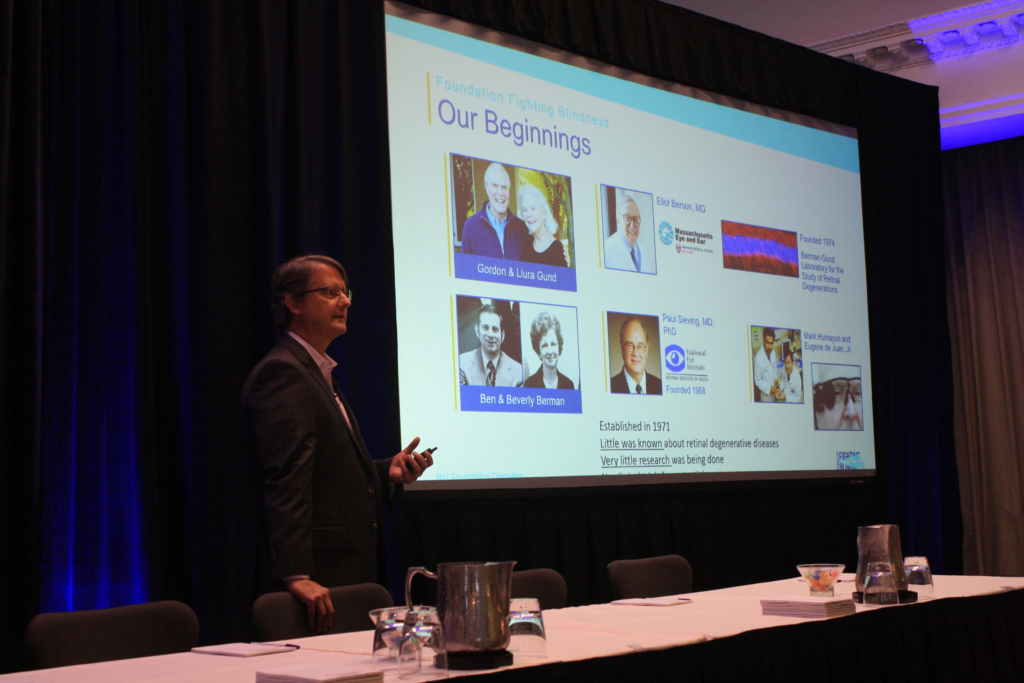
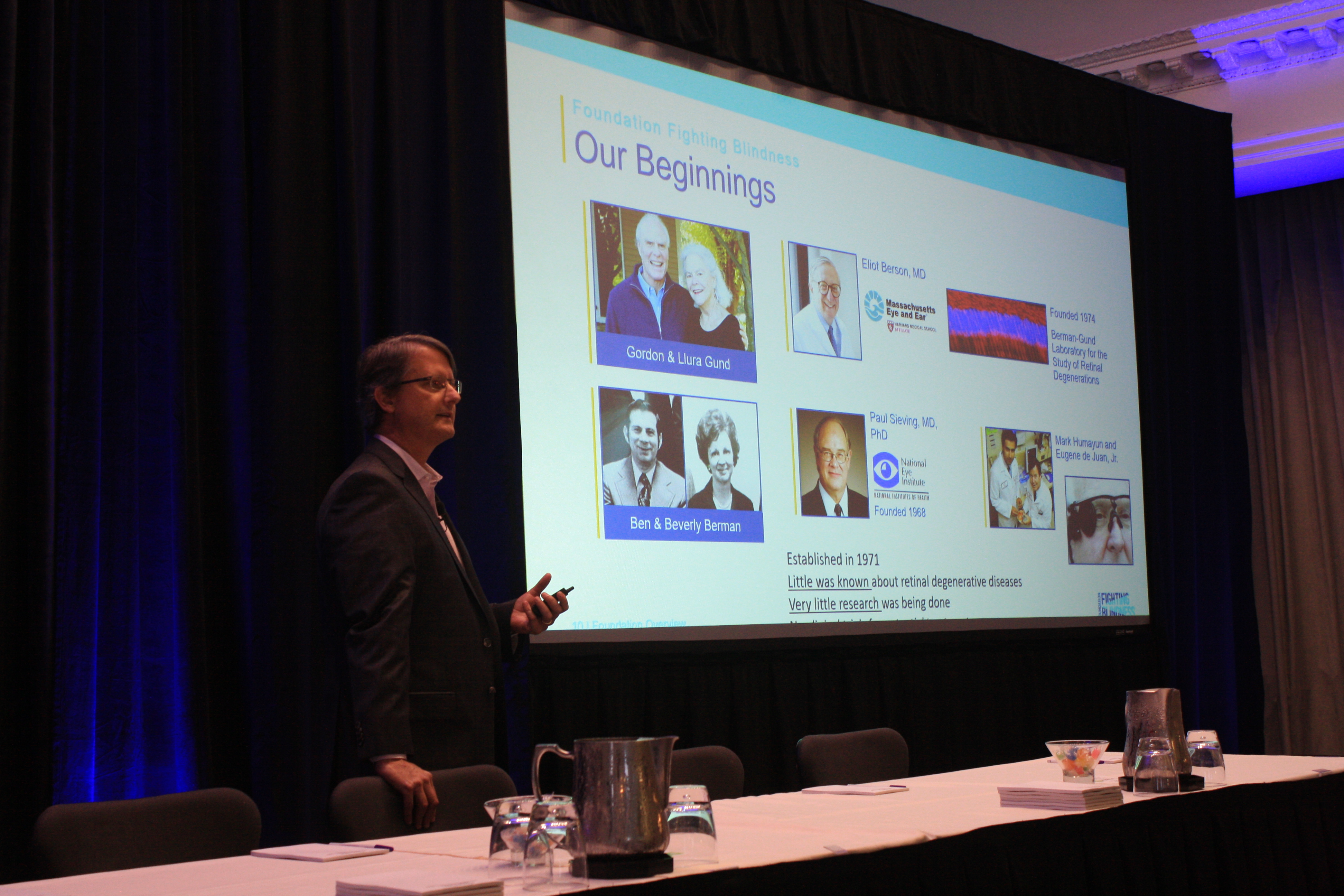
Dr. Ben Yerxa presenting
Dr. Ben Yerxa at the LCA Family Conference in July.

Dr. Yerxa opened the Hope in Focus (formally Sofia Sees Hope) second LCA Family Conference on July 27 in Philadelphia before an audience of more than 80 people from 15 states and Mexico. They represented patients and families living with Leber congenital amaurosis (LCA), other rare diseases (retinal and otherwise), and advocates, doctors, researchers and biotech leaders. 

He delivered updates on the Foundation’s work in his presentation, “Accelerating Translation of New Treatments for IRDs – A Foundation’s Perspective.” The Foundation, the world’s largest private funding source for research into treatments and cures for IRDs, has raised more than $750 million toward its mission since its founding in 1971. Sofia Sees Hope partners with the Foundation by helping provide families with free access to genetic testing, and funding research.

Advances in genetic sequencing

Dr. Yerxa credited the Human Genome Project (HGP) – costing an inflation-adjusted $5 billion – with netting continued advances in genetic sequencing and making great gains in the IRD field.

Researchers have identified the mutated genes in 65 percent of people with retinal disease who get genetically tested, and in 2017, the U.S. Food and Drug Administration approved LUXTURNA™, the first approved gene therapy for the eye or an inherited condition. LUXTURNA is for people with mutations in the RPE65 gene, one of the more than 25 genes that, when mutated, can lead to LCA.

Dr. Yerxa said that approximately 200,000 people in the United States have an IRD, with each condition meeting the definition of an orphan disease

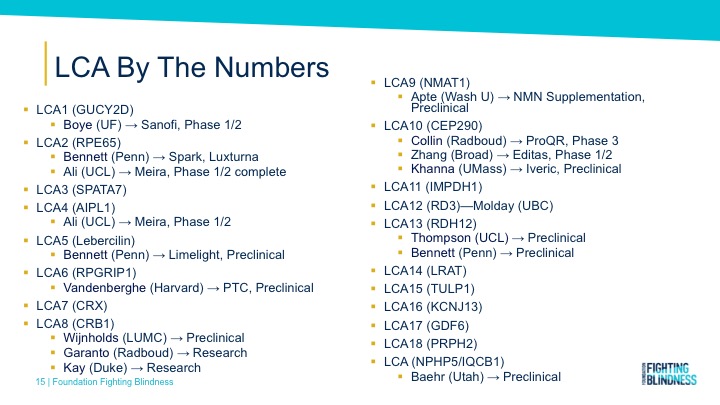
'LCA By The Numbers' slide from 2019 LCA Family Conference

He also delineated the LCA trials in progress in an “LCA by the Numbers” presentation. He discussed an emerging treatment for CEP290 (LCA10) by ProQR, which is in a Phase 2/3 clinical trial, and research also on CEP290 by Editas Medicine and Allergan, who are recruiting patients in a landmark clinical trial to test a gene-editing technique called CRISPR/Cas9.

“We all know it takes a village,” Dr. Yerxa said. “There are tons of people involved in these programs.”

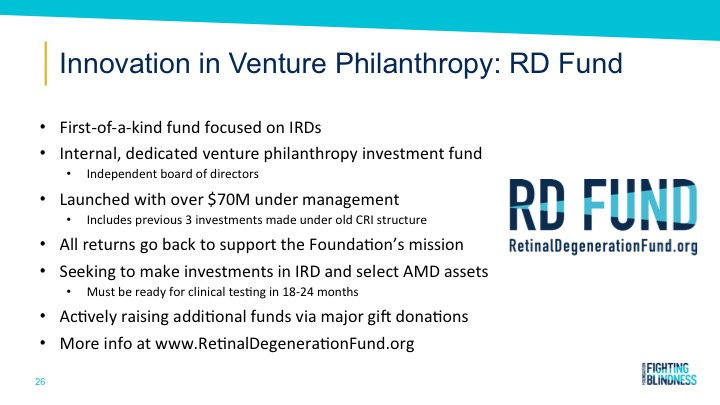
'Innovation in Venture Philanthropy: RD Fund' slide

He also detailed the Foundation’s new “Innovation in Venture Philanthropy: RD Fund,” a first-of-a-kind retinal degeneration fund focused on IRDs. It is an internal venture philanthropy investment account overseen by an independent board of directors. Donor dollars go to biotechnology companies as investments, with financial returns reinvested to support the Foundation’s mission. 

Among its contributions to research, the Foundation gave $10 million toward the development of LUXTURNA and $6 million to the Natural History of the Progression of Atrophy Secondary to Stargardt Disease or ProgStar studies that produced new knowledge and potential outcome measures. 

Dr. Yerxa also reported impressive gains in membership to My Retina Tracker® (MRT), the free and secure online international patient registry managed by the Foundation.

“I call it the LUXTURNA effect. Thanks to LUXTURNA, registration went up like a hockey stick.”

With membership at more than 23,000 and growing, the registry’s goal is to drive research toward prevention, treatments and cures for people living with Retinitis Pigmentosa (RP), Stargardt diseaseUsher syndrome and the whole spectrum of inherited retinal degenerative diseases, including LCA.
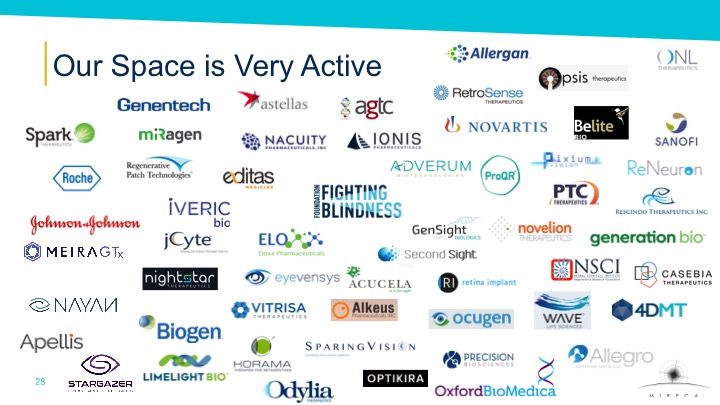
50 logos showing the involvement of biotechs in vision research

In a slide titled “Our Space is Very Active” showing a collage of more than 50 logos of biotech companies involved with vision research, Dr. Yerxa said, “More and more people are jumping into this space. 

“This is good news. Ocular is hot.”
Human Genome Project: Critical to Modern Gene Therapy Success

The long and sometimes uncompromising road to completing the Human Genome Project (HGP) paved the way for today’s surge in genetic therapy, Dr. Katherine A. High said in her presentation at the second Hope in Focus (formally Sofia See’s Hope) LCA Family Conference.

“It was a tremendous achievement,” Dr. High said, “And it forms an important bedrock for everything we are trying to do in gene therapy.”

The HGP began in 1990 with an international, collaborative quest to map and understand all the genes of human beings and their roles in health and disease. The project, completed in 2003, revealed that there are probably about 20,500 human genes, referred to collectively as our genome, according to the National Human Genome Research Institute (NHGRI).

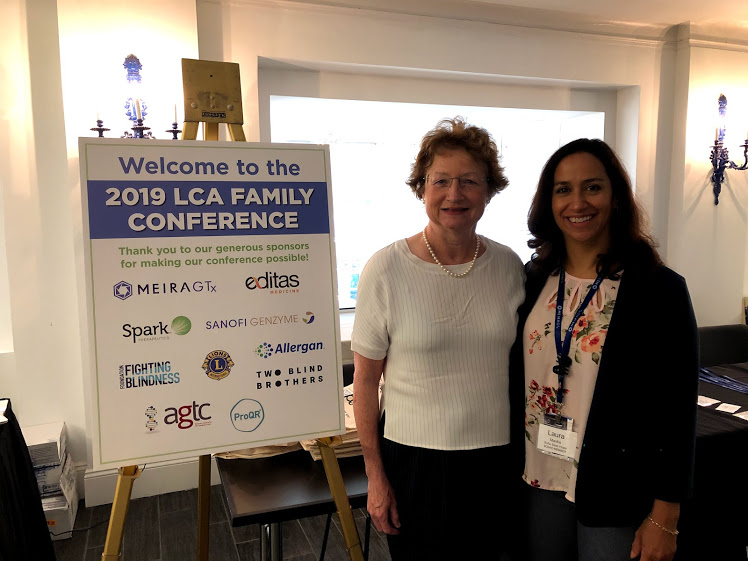
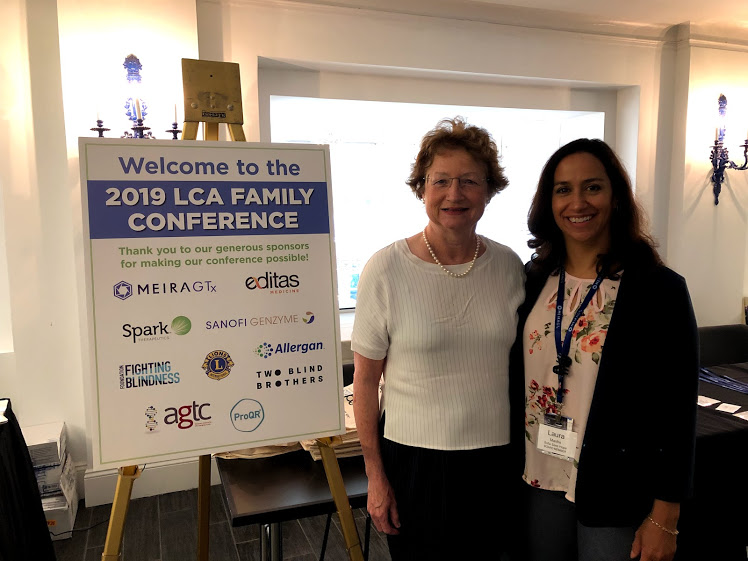
Dr. Katherine High and Laura Manfre next to a Welcome poster
Dr. Katherine High and Sofia Sees Hope co-co-founder Laura Manfre at the LCA Family Conference in July.

Dr. High, keynote speaker and accomplished hematologist with a longstanding interest in gene therapy for genetic disease, kicked off the July 27 conference in Philadelphia.

More than 80 patients, family members, advocates, doctors, researchers and biotech industry leaders from 15 states and Mexico gathered for exchanges of knowledge and ideas about Leber congenital amaurosisinherited retinal diseases (IRD) and other rare diseases. The conference grew out of the Sofia Sees Hope Family Connections program that brings together families living with LCA and other IRDs in a supportive community to help alleviate feelings of isolation that often come with a rare-disease diagnosis. 

Dr. High and her team at Children’s Hospital of Philadelphia (CHOP), including Dr. Jean Bennett and Dr. Albert Maguire, developed – from clinical trials to regulatory approval – the first gene therapy for any inherited genetic disease in the United States; it also is the first genetic therapy targeting a retinal disease worldwide. The treatment focused on LCA caused by mutations in the gene RPE65, one of the more than 25 different genes, that, when mutated, can lead to LCA.

‘The Long & Winding Road’

Spark Therapeutics, a company that spun off the team’s research at CHOP, developed the therapy called LUXTURNA™ after 12 years of research and more than $500 million in investment. The U.S. Food and Drug Administration (FDA) approved the human-engineered, injectable drug in December 2017. Beginning in 2018, patients with low vision caused by LCA-RPE65 underwent surgery to help improve their eyesight. 

LUXTURNA and the dozens of clinical trials now underway for retinal disease would not be possible if not for the HGP. Dr. High, Spark’s president and head of research and development, elaborated on the genome project in her presentation, “The Long and Winding Road: How the Human Genome Project and Gene Therapy Research Led to the First Gene Therapies for Genetic Disease.”

The ultimate product of the HGP – detailed information about the structure, organization and function of the complete set of human genes – can be thought of as the basic set of inheritable instructions for the development and function of a human being, according to NHGRI information.

Dr. High said the burden of genetic disease falls heavily on children’s hospitals, with 25 million Americans having a rare genetic disease. 

A 4-year-old made genetic history after receiving the first genetic transfer in the United States in 1990, leading eventually to licensing of a product for the same disease in Europe in 2016. But that span of time did not represent an unbroken chain of successes, Dr. High said. “Instead, it was punctuated by a number of adverse events and failed results.”

A teenager died in a 1999 genetic trial in Philadelphia, and in 2003, children in a Parisian clinical trial developed leukemia. 

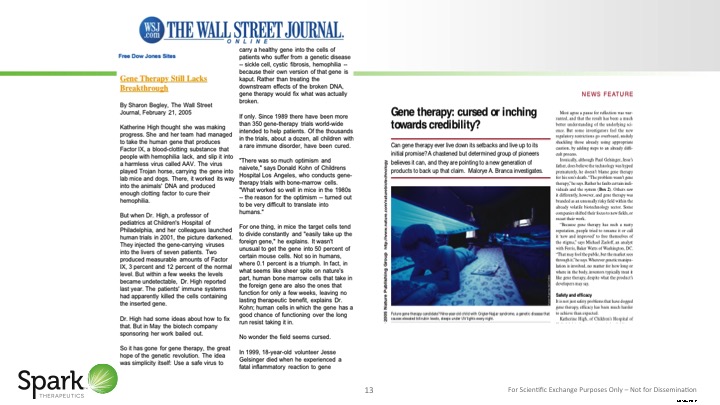
A Wall Street Journal article about Spark Therapeutics

“Gene therapy was just not ready for prime time and there was a decline in trials and participation.”

Headlines such as “Gene Therapy Still Lacks Breakthrough” and “Gene Therapy: cursed or inching toward credibility” mirrored waning interest from pharmaceutical companies and investors.

Instead, the American and European Societies of Gene and Cell Therapy, the National Institutes of Health (NIH), of which the National Human Genome Research Institute is part, and academic medical centers, like CHOP and its Center for Cellular & Molecular Therapeutics, sustained genetic therapy research through rough times, allowing investigators to develop therapeutics based on best science, not commercial considerations, Dr. High said.

Investing in the RPE65 blindness clinical trials during this time ultimately led to the development and FDA approval of LUXTURNA.

“The ability to work through those adverse events brought us to where we are now,” she said.

In the United States, the clinical development phase of a drug begins when a sponsor files an Investigational New Drug application (IND) with the FDA. IND submissions with gene therapy products went from zero in 1963, to three in 1990, to more than 100 in 2017. Following LUXTURNA’s market entrance in 2018, sponsors submitted more than 200 INDs.

“The level of activity in the last few years is truly extraordinary. It’s a very compelling statement of how people are investing time and energy into gene therapy,” which High said is probably the most complicated treatment researchers have tried to develop.

“It’s a complex therapeutic. The outside is a protein. The inside is a piece of DNA and those things have to be assembled in the exact proportions or it’s not going to work right.”

Dr. High also described the increased progression of identifying genes involved with vision – from zero in 1980 to more than 300 by January 2019. 

“It’s daunting to think about the number of development programs that might need to be initiated and taken all the way through. But a journey of a thousand miles begins with a single step.”

LCA Family Conference 2019: A Lot to Unpack!

The news is out from our 2019 LCA Family Conference  and it’s terrific!

Families living with Leber congenital amaurosis (LCA) and other rare inherited retinal diseases (IRDs) learned at Hope in Focus (formally Sofia Sees Hope)’s July 27 conference in Philadelphia that they are living in a time of the most dramatic growth ever in genetic research. 

And – as with most good things – there is a caveat: Patience.

While researchers report a record number of genetic studies in various stages, they face long and arduous journeys in developing federally approved treatments.

Two attendees next to the welcome poster at the 2019 LCA Family Conference

In her keynote address, Dr. Katherine High, Co-founder, President and Chief Scientific Officer of Spark Therapeutics, said initiation of a clinical trial to licensing of a product easily can take 7 to 10 years.

“My take-home message is patience is a requirement in drug development.”

Dr. High and a team from Children’s Hospital of Philadelphia (CHOP) led by Dr. Jean Bennett and Dr. Albert Maguire from Spark Therapeutics developed LUXTURNA™, the first genetic therapy for any inherited rare disease in the United States and the first genetic therapy for RPE65, one of the more than 25 gene mutations caused by LCA. 

The drug received federal approval in December 2017, creating the opportunity for visually impaired patients to undergo surgery and experience improved eyesight. Federal Food and Drug Administration (FDA) approval also signaled increased scientific and public optimism for expanding genetic research into treatments and cures for inherited diseases.

View our Photo Gallery from the 2019 LCA Family Conference!

Connecting patients to patients

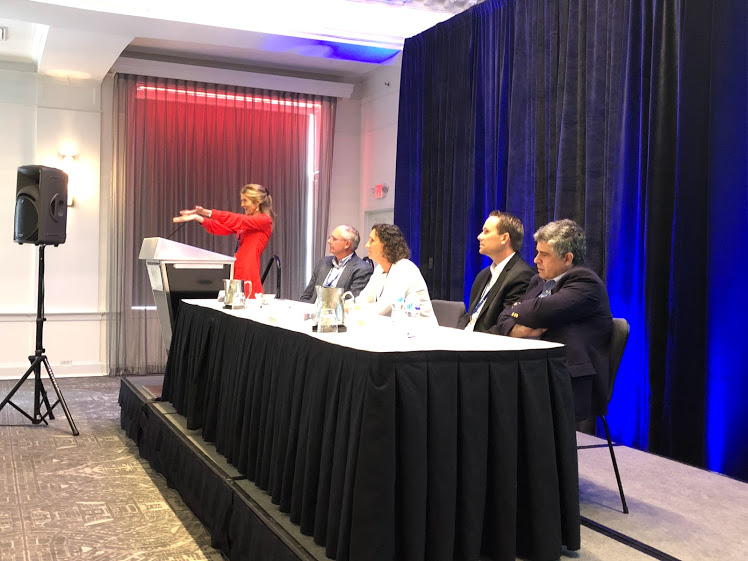
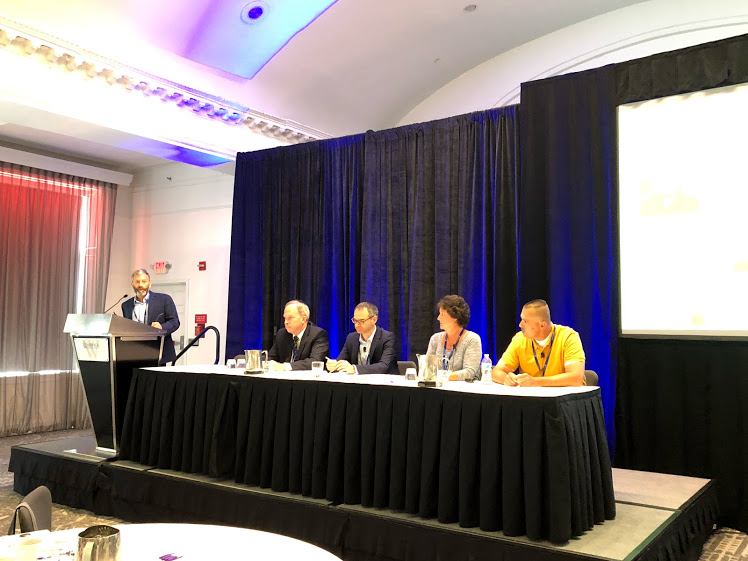
Speakers sitting during a panel

More than 80 people – patients, family members, advocates, doctors, researchers and biotech industry leaders – gathered at the conference from July 26-28 at the Warwick Hotel Rittenhouse Square.

The conference was sponsored by MeiraGTxEditas Medicine, Spark TherapeuticsSanofi GenzymeFoundation Fighting BlindnessAllerganProQRTwo Blind BrothersApplied Genetic Technology Corp. (AGTC) and Lions Clubs International

Family members and advocates from throughout the country and Mexico said they appreciated the depth and quality of information presented at the conference that included information from other rare disease groups, the Young Adult Sickle Cell Alliance and the Barth Syndrome Foundation, on how they approach patient advocacy and patient life.

Laura Manfre, co-founder of Sofia Sees Hope and president of its Board of Directors, said the nonprofit’s second conference ever was designed to bring information to patients and families as well as connect those patients to researchers and industry.

“A huge part of our mission is to make sure that members of the rare disease community do not feel alone,” Manfre said. “And not only do we hear from patients all the time that they want to connect with other patients, but we hear from researchers and pharma that they not only want to talk to patients, but they need to do so, because it gives them context and perspective on their work. Our LCA Family Conference accomplished that 10-fold this year.”

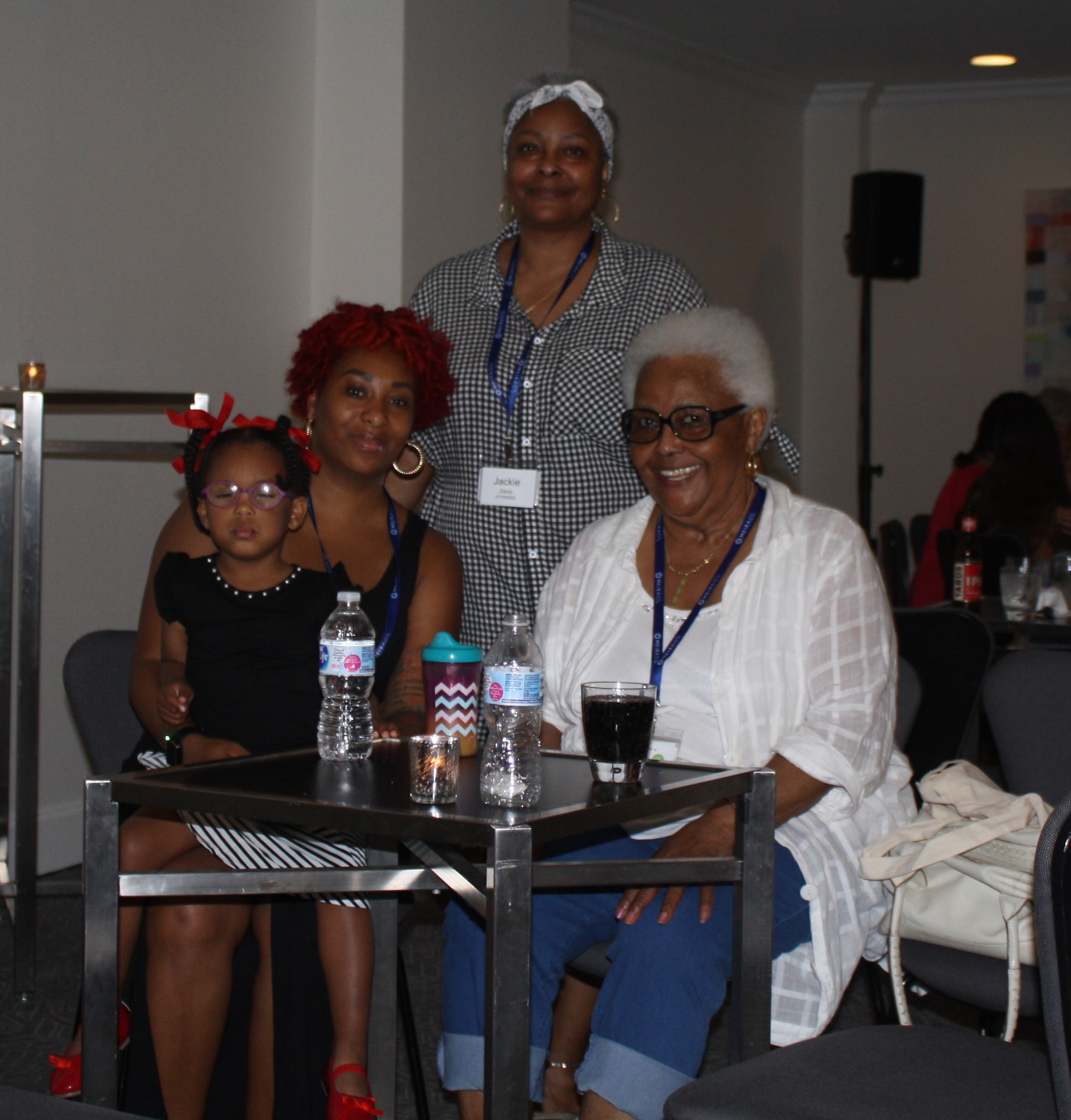
Three generations of at least two families attended, with one family connecting directly with Spark for possible treatment of their 4-year-old daughter/granddaughter, Jordynn, who has LCA-RPE65, also known as LCA2. 

A family at the 2019 LCA Family Conference

Jordynn’s mom, Joy Goodwine of upstate New York, said it was great to meet families with kids who have gone through the same experiences. 

“Learning about the treatment and getting the education about all of it really gave me something to think about as my daughter’s journey continues as she lives with this visual impairment,” she said. “Knowing that my daughter can thrive and live a happy life with some occasional bumps in the road was a wonderful feeling.”

Ben Yerxa, Ph.D., CEO of Foundation Fighting Blindness, told the group that awareness in genetics helped increase the number of people enrolled in My Retina Tracker®, a free and secure online registry with a goal to drive research toward prevention, treatments and cures for people living with a spectrum of inherited retinal degenerative diseases, including LCA.

Ben Yerxa presenting at the 2019 LCA Family Conference

“I call it the LUXTURNA effect. It went up like a hockey stick,” he said of the more than 23,000 people now in the registry.

Dr. Yerxa reviewed LCA research progress, detailing 18 forms of the disease and highlighting study stages, including a current recruiting request by Editas Medicine and Allergan for patients for Phase 2 research on LCA-CEP290 (LCA10), and citing more than 35 select trials traveling through the clinical trial pipeline.

“We know it takes a village,” he said. “There are tons of people involved in these programs.”

In a session titled “Your Voice Matters,” patient advocates urged people to tell their stories. Terri Booker, Co-Founder of the Young Adult Sickle Cell Alliance, said she talks about her disease every chance she gets. She founded the youth alliance to empower young patients with advocacy tools to help them live longer.

Also included in the panel were Jamie Ring, Head of Patient Advocacy for Spark, Jill Dolgin, Head of Patient Advocacy for AGTC, and Emily Milligan, Executive Director of the Barth Syndrome Foundation.

Brian Mansfield, Ph.D., Executive Vice President of Research and interim Chief Scientific Officer at the Foundation Fighting Blindness, moderated a panel called “One Disease, Many Approaches.”

The audience heard from Dr. Bennett about injection treatment, from Pam Stetkiewicz, Vice President of Program Management for Editas Medicine, about gene-editing treatment, and from Dr. Tomas Aleman on ways to measure the impact of therapies. Dr. Aleman is Director of the Center for Hereditary Retinal Degeneration at Perelman Center for Advanced Medicine and Director of Retinal Degeneration Service at the Center for Advanced Retinal Ocular Therapeutics (CAROT). 

A panel from the 2019 LCA Family Conference

Also, Michael Schwartz, Global Project Leader for Sepofarsen at ProQR, spoke about repairing the underlying defect in a nucleic acid and the potential to stop progression or reverse some effects of LCA10 or CEP-290.

Ben Shaberman, Senior Director of Scientific Outreach and Community Engagement at Foundation Fighting Blindness, moderated a third session: “All About Clinical Trials.” Dr. Wiley Chambers, the FDA’s Supervisory Medical Officer in the Office of New Drugs, cautioned those gathered about bogus trials, encouraging them to make sure their trial of interest received an FDA Investigational New Drug (IND) application number.

Dr. Michel Michaelides, Head of Clinical Ophthalmology at MeiraGTx, described other relevant treatments, such as optogenetics, a technique that uses light to control cells in living tissue, and retinal implant technology.

Tami Morehouse, who received the genetic therapy treatment for RPE65 during its trials, and her husband, Michael, rounded out the panel.

“She was on a pathway to darkness and she knew it,” Michael said. “It’s a huge life-changing event for us.”

Tami and Michael

Tami became a global pioneer in the LCA world by being the oldest person at age 44 to receive the treatment during its clinical trials.

“In all honesty, I never thought that I’d ever have a shot at seeing,” she said. “I got way more than I anticipated.”