Nicole Kear: When Losing Vision, Carpe Diem?

Nicole Kear faked it for a long time.

On a romantic getaway, as her boyfriend gazed at the starlit sky, she gazed at the vast darkness. Same with the twinkling lights at the tip of New York’s Staten Island.

“I was 19 years old when I discovered I couldn’t see stars.”

That’s when the actress and future author received her diagnosis of Retinitis Pigmentosa (RP), a rare, debilitating retinal disease. Her photo receptors were dying; no treatment, no cure.

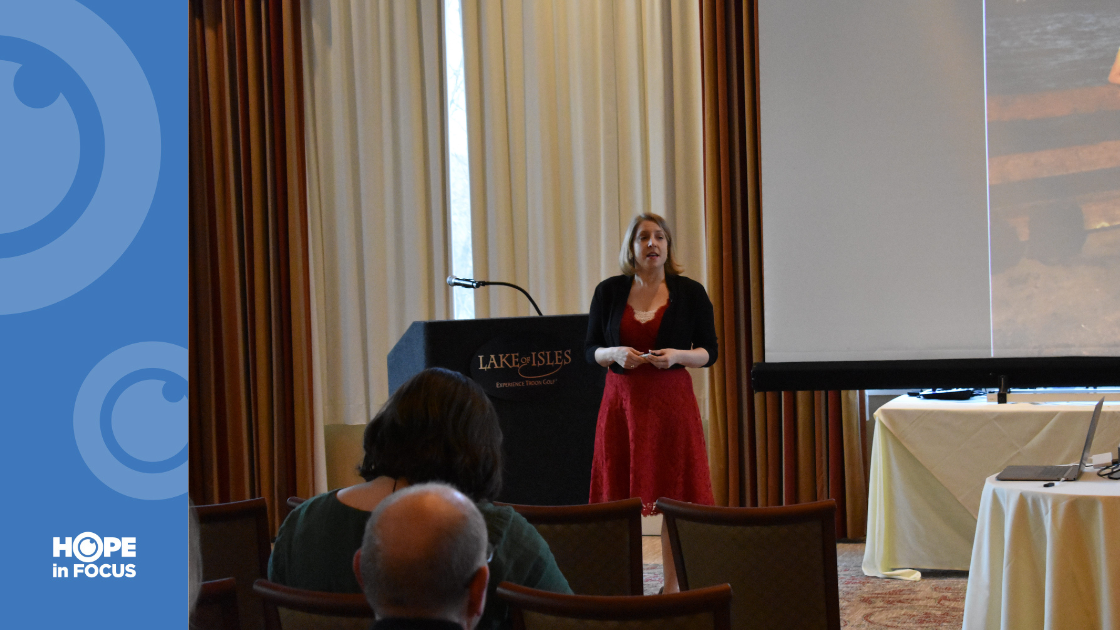
Author of the memoir “Now I See You,” Kear told her story at “A Rare Opportunity” presented by Hope in Focus (formally Sofia Sees Hope), a global advocacy organization for the Leber congenital amaurosis (LCA) patient community and for those with other rare inherited retinal diseases (IRDs), such as RP.

Hearing she’d lose her vision by age 30 came as “absolute blindsiding news.”

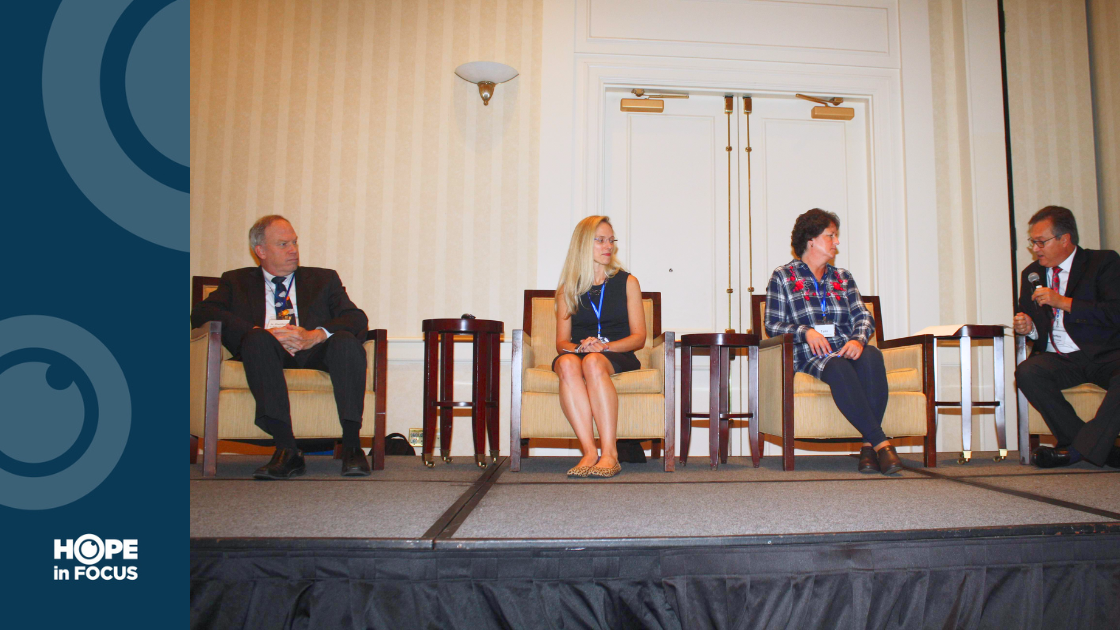
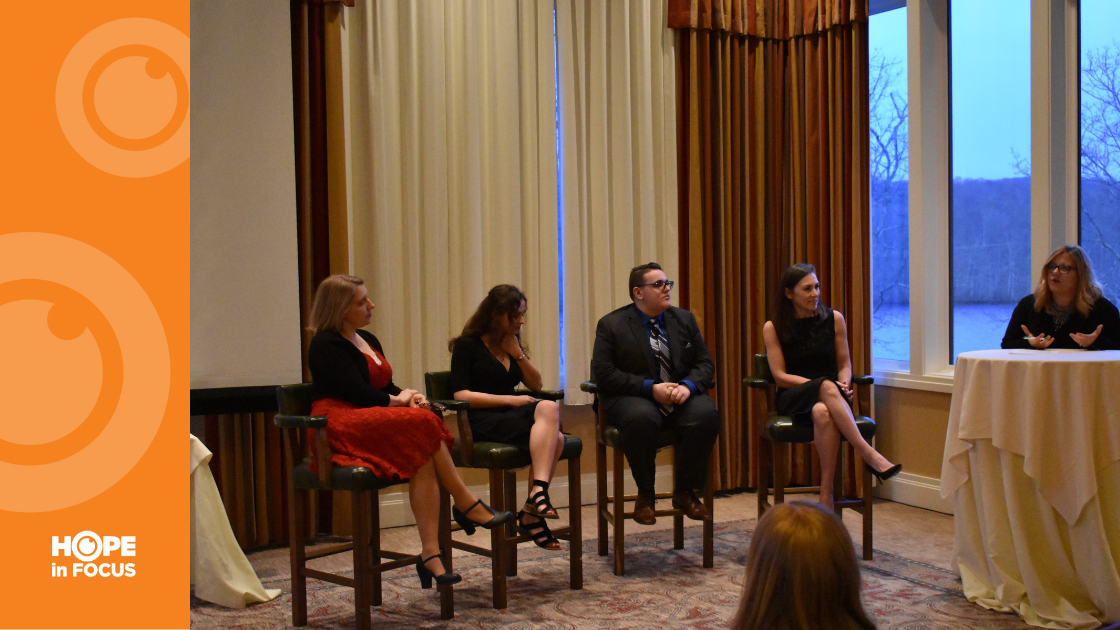
Kear shared her story with more than 100 people gathered at Lake of Isles in North Stonington, CT, on March 30. Sofia Sees Hope Co-Founder Laura Manfre characterized the event – which also included a panel discussion – as “a chance to hear from incredible people who have faced head-on an almost unimaginable challenge and chosen hope over defeat.”

Kear felt incredulous at her diagnosis.

She’d always chalked up any stumbles in life to being accident prone, or “I thought I was some airhead who didn’t pay attention.”

She had plans: She was going to be a star of the stage, fall in love, get married, have children.

“Nowhere in these plans was room for losing my vision by 30.”

A River Called Denial

Upon her diagnosis, Kear did what a lot of people might not have expected: “I decided not to think about it.”

Plus, she thought, by the time she turned 30, “I would be ancient by then.”

She learned to drive, kind of. Kear didn’t need a car in New York, but when she temporarily moved to Los Angeles for acting, only three days passed before she realized she’d made a colossal mistake. She drove anyway, with her idiosyncratic driving posture, prompting her sister to tell her maybe she should lean back a little, an exchange recounted in her book:

“What are you talking about?” I snapped, concentrating on my left turn.

“You don’t notice how close your face is to the windshield?”

It was true. My nose was almost touching the glass, my chest nearly pressing the wheel …

“There’s no law about sitting too close to the windshield,” I shot back. “Just sit back and enjoy the ride.”

I couldn’t see my sister’s face, but I bet she looked like she was enjoying the ride about as much as a turn on the Tilt-A-Whirl with a stomach full of corn dogs …

My uncool driving notwithstanding, I did a decent job of getting from point A to point B without dying or killing anyone. In general.

Kear fared better in restaurants than on the road. She learned to order the Caesar salad because it’s usually on the menu she couldn’t see, and she’d ditto her dining partner’s choice for the main course.

She traveled to Paris and London. She enrolled in the San Francisco School of Circus Arts where she learned to be a contortionist and earned a red nose.

“Following every rainbow, climbing every mountain,” Kear told her audience, until she finally gave up the ruse.

“I had realized that my vision had an expiration date … I could carpe diem as much as I wanted, but I had to reckon with my vision loss.”

At 33, after falling in love, marrying and having two of her three children, she faced her diagnosis and reached out to New York’s services for the blind.

The gravity of support and resources empowered her, connecting her to visually impaired people around the world.

“I know now that anything is possible.”

Kear ended her presentation by reading one of the tips that accompany each chapter of her book.  

Tip #18: On glass doors. Walk into a glass door once, shame on the door. Walk into it twice, shame on you. Walk into it three times, get yourself a (*%&#*) game plan.

Connecticut Rare Disease Day at the Capitol

Sixth-grader Daniela Delgado told Connecticut lawmakers on Rare Disease Day that she lives with rare disease just like 30 million other people in the United States – and just like them – she matters.

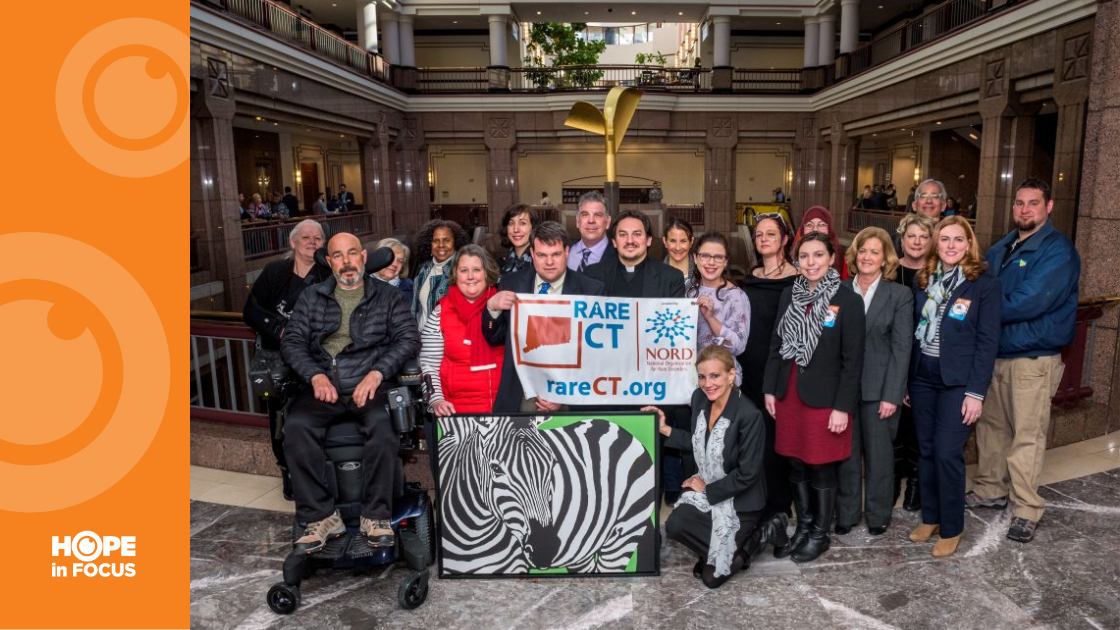
“We are not a burden. We are human beings just like everybody else,” Daniela told about 130 people gathered at the Capitol in Hartford for Rare Disease Day. The day is celebrated nationally and globally on the last day of February each year. (Click here for state-by-state information.)

Daniela was diagnosed with not one, but two, rare diseases: von Willebrand Disease, a rare, lifelong bleeding disorder; and Ehlers Danlos Syndrome, a group of disorders affecting connective tissue supporting the skin, bones, blood vessels and many other organs and tissues.

She needs expensive drugs to treat her disease and ease her symptoms; without them, the cost would be exponentially more for hospitalizations.

“These are real treatments, and they keep us alive,” she said. “We need this medication to live.”

Daniela is a patient advocate from Sandy Hook, CT, who at age 4, with the help of her parents, created Daniela’s Little Wish, bringing joy to kids facing serious illnesses by baking and delivering one-of-a-kind birthday cakes.

She joined about two dozen speakers at a legislative informational session that included legislators, patients, doctors, researchers, nurses, caregivers, advocates, business people and a representative of Sofia Sees Hope.

7,000 Rare Diseases in the US

Rare disease is more common than most people realize.

Leber congenital amaurosis (LCA) and other inherited retinal diseases (IRDs) are among the approximately 7,000 rare diseases. These include more than 500 types of rare cancers and all pediatric cancers.

rare disease is defined as any disease, disorder, illness or condition affecting fewer than 200,000 people in the United States. An estimated 25-30 million Americans, almost 1 in 10, have rare diseases. In Connecticut, an estimated 300,000 people have rare diseases.

Connecticut may be the Insurance Capital of the World, but the Nutmeg State gets an F when it comes to individual insurance protections, according to Connecticut’s rare disease report card prepared by the National Organization for Rare Disorders and NORD’s Rare Action Network (RAN), the hosts of Connecticut’s Rare Disease Day.

The state requires some insurers to offer guaranteed plans to a limited number of people. It does not have an individual mandate and has not enacted a reinsurance waiver to keep insurance affordable for people with pre-existing conditions. Connecticut had minimal limits on issuing short-term, limited-duration health plans or association health plans.

Father Nikolas Karloutsos at the podium
Father Nikolas Karloutsos

State Rep. Joe Aresimowicz, Democratic House Speaker, and State Sen. Len Fasano, Republican Senate Minority Leader, have introduced several pieces of legislation addressing medical education in screening for rare cancers and assistance for patients and families with developmental disabilities. Fasano also helped the state become one of the first to add Adrenoleukodystrophy (ALD) to Connecticut’s Newborn Screening (NBS) panel.

Aresimowicz said the focus of the event was not on politics or political parties.

“We are here because we want to make Connecticut a better place.”

Fasano told the gathering: “This is a civil rights issue to get the proper medications and research to go forward.”

Greta Stifel, who has two rare diseases on top of cancer, detailed her  grueling journey of misdiagnoses and many surgeries. In 2016, she established the Stifle Cancer Foundation to bring awareness to a type of cancer comprised of Neuroendocrine Tumors (NETS).

“We are the ‘Rare Rebels’,” she said. “We are the ‘Rare Revolution’.”

She is a constituent of Aresimowicz, and the proposal behind the pending legislation of House Bill 6522 comes from her. The bill’s title is: An act concerning continuing medical education in screening for inflammatory breast cancer and gastrointestinal cancers.

State Rep. Joe Aresimowicz, Greta Stifel and state Sen. Len Fasano

Stifle said the legislation is a step in the right direction, but the state needs to do much more with rare disease awareness, education, funding and research. “

Connecticut actually should be the Silicon Valley of Rare Disease,” she said.

State Rep. Jonathan Steinberg, chairman of the General Assembly’s Public Health Committee, said having one day to recognize rare diseases is not enough.

“It needs to be Rare Disease Day every day in the state of Connecticut.”

Steinberg, along with RAN’s Volunteer State Ambassador Lesley Bennett, said the legislature needs to form a Rare Disease Advisory Council to find treatments, fund research and advocate for Connecticut’s constituency living with rare disease.

“A lot of our patients have problems getting access to services because people don’t understand the disorders,” Bennett said.

The advisory council would be comprised of patients, patient advocates, doctors, researchers, business leaders and community members to address the emerging public health priority of rare diseases, including LCA and other IRDs.

Erica Mumm, a Clinical Assistant Professor at the Quinnipiac School of Nursing and mother of a son with a rare genetic disorder, said the system needs to change. She also supports the creation of a rare disease advisory council.

“We are rare, so we don’t fit into a one-size-fits-all system,” Mumm said.

Her son, who turns 3 this month, has a rare genetic disorder called KCNQ2 encephalopathy, a type of epilepsy that becomes apparent in the first three months of life and is characterized by frequent and difficult-to-treat body seizures.

Mumm advocated for care coordination and described the drain and debilitation she feels as a caregiver. She also advocated for a palliative care network to improve emotional support for caregivers. She has exhausted her savings and said as her voice cracked through tears that her home needs extensive renovations to accommodate her son.

She also implored lawmakers to do away with resetting the clocks twice a year with Daylight Savings Time.

“For us, it’s a change of medication routine,” she said. To keep her son on track with his medications, three weeks before changing the clocks, she must begin making incremental changes in dosages.

A family panel of four caregivers told the group Connecticut needs to support businesses researching and developing treatments for rare diseases.

Alissa at the podium mid speech
Alissa Dejonge

“The sky’s the limit because of research,” Alissa DeJonge said. She is Vice President of Research for the Connecticut Economic Resource Center, Inc., and the mother of a 2½-year-old son with severe hemophilia.

Heather Knapp, a panelist and mother of three, described the benefits of the state-mandated NBS program that in 1964 began statewide blood-spot screening for Phenylketonuria (PKU), the same rare disease doctors identified in her son at birth. Early detection and treatments can mean the difference between lifelong impairment and healthy development. Knapp praised NORD for helping her with resources, saying she finally found peace of mind when she connected with the organization.

Panelist Father Nikolas Karloutsos, a Greek Orthodox priest, detailed the difficulties in getting a diagnosis for his daughter, who has a BRAF mutation RASopathy, which probably is Cardiofaciocutaneous (CFC) Syndrome. The very rare disorder particularly affects the heart (cardio-), facial features (facio-) and the skin and hair (cutaneous); it causes moderate to severe delayed development and intellectual disability.

For Jennifer Ianuzzi, it took 20 months until doctors diagnosed her daughter with Smith-Magenis Syndrome, a developmental disorder caused by chromosome 17 microdeletions. She appealed to the group for support for respite from 24/7 caregiving.

Researchers, scientists and professors also presented updates in their fields.

Ching Lau, MD, Ph.D., the Division Head of Connecticut Children’s Medical Center’s (CCMC) Center for Cancer & Blood Disorders and Professor of Genomic Medicine at JAX Laboratory, said that developing and strengthening international genetic research collaborations will help people around the globe access rare disease information through genetic registries. Dr. Lau specializes in finding treatments for children with rare blood, bone and brain cancers.

“We will conquer these diseases at the end,” he said.

Dr. Charles Whitaker, a neuromuscular neurologist at the Hospital for Special Care (HFSC), specializes in adult neuromuscular disorders, such as Amyotrophic Lateral Sclerosis (ALS) and muscular dystrophy. Dr. Whitaker said patients, physicians and experts need to work together to evaluate changes at a policy level that address the special needs of the rare disease population, which, along with having pre-existing conditions, in many instances are highly debilitated. As a clinical researcher working on treatments and cures, he said: “We would love to be part of that cure.”

Gyula Acsadi, MD, Ph.D., said interventions never possible in rare diseases are changing the lives of young children because researchers are focused on discovering genetics and the biology of disease.

“This last five, six years were amazing with how research succeeded,” he said.

A little boy sitting cross legged in a blue plaid shirt and red tie, holding a NORD zebra stress toy.
Alissa Dejonge’s son listens as she speaks at the podium.

Dr. Acsadi, Division Head of Neurology at CCMC and Professor of Pediatrics and Neurology at UConn School of Medicine, works with children living with Spinal Muscular Atrophy (SMA), the leading cause of death of infants and toddlers of any genetic disorder. SMA robs children of physical strength.

Newly approved NBS for SMA and new treatments administered early in children show remarkable results, he said. Even so, ongoing fights continue with insurance companies unwilling, for example, to pay $15,000 for a treatment that will save $2 million in care. One young patient spent more than 300 days in the hospital before receiving treatment, followed by zero days in the hospital.

“It’s an easy win in terms financially,” Dr. Acsadi said.

Dr. Saquib Lakhani, Clinical Director of Yale Medicine’s Pediatric Genomics Discovery Program, said 30 percent of children in the Intensive Care Unit have rare diseases and very complex needs.

“It’s a collective mistake to ignore rare diseases,” he said. “They have to be addressed.”

Dr. Lakhani specializes in caring for newborns and infants with undiagnosed birth disorders. Using DNA sequencing allows for many more diagnoses, he said.

“It’s been a remarkable change.”

He described a whole exome sequencing test that relies on new technology and allows rapid sequencing of large amounts of DNA with the potential to discover hundreds and hundreds of diseases.

While patients could benefit from this amazing vehicle to find the source of a disorder, they have difficulty getting insurance coverage.

“We don’t know what we’re looking for. (The DNA sequencing) can actually give you the diagnosis that you didn’t have before.”

Moving forward with research and developing treatments for rare disease requires that critical diagnosis.

As Daniela – our young cake-baker extraordinaire living with two rare diseases – summed up in her address to the legislative group:

“We are 30 million and counting. We are alive and we deserve better.”

Connecticut Rare Disease Day February 28

Members of Connecticut’s General Assembly (CGA) will hear from myriad people and organizations, including Sofia Sees Hope, about patient advocacy and access to treatment during a legislative informational session Thursday in Hartford, in celebration of Rare Disease Day 2019.

This year’s theme is Show Your Stripes, with a call to action for people to literally and figuratively “show their stripes” in support of rare diseases, according to the National Organization for Rare Disorders (NORD), the leading independent nonprofit organization representing the 25 million to 30 million Americans living with rare diseases.

Zebra Stress toys from NORD

The zebra, the official symbol of rare diseases in the United States, is noted for its black and white stripes that are central to its uniqueness. Everyone has his or her owns stripes, characteristics that make individuals distinct. While each of the more than 7,000 rare diseases are unique, many commonalities unite the rare disease community.

This event is held nationally and in more than 85 countries. It serves as an opportunity to hear from the many voices of those dealing with rare diseases and the daily challenges facing Connecticut patients and their families.

The public is invited to attend the event from 8:30 a.m. to 11 a.m. in the 2nd Floor Atrium of the Legislative Office Building, 300 Capitol Ave., Hartford.

Rare Disease Day in Connecticut is hosted by NORD and NORD’s Connecticut Rare Action Network (RAN). For more information, please visit their website and click on the “Register Here” link.

Lesley Bennett, part of NORD’s Rare Action Network and Connecticut’s Volunteer State Ambassador, organized the Hartford event. For more information, please email her at Lesley.bennett@rareaction.org.

Rare Disease Day – held annually on the last day of February – is a time to bring together doctors, researchers, advocates, patients, caregivers, industry representatives, and legislators in Connecticut and around the world to focus on the critical role patients play in understanding rare diseases and in developing innovative treatments and cures.

About 300,000 people in Connecticut have a rare disease. A disease or disorder is defined as rare in the United States when it affects fewer than 200,000 Americans at any given time, according to NORD.

Of the more than 7,000 rare diseases, NORD also says that 80 percent of rare diseases have genetic origins, while others are from infections (bacterial or viral), allergies, and environmental causes, or are degenerative and proliferative. Fifty-percent of rare diseases affect children.

Legislators and attendees will hear from Hope in Focus (formally Sofia Sees Hope) about patient access to treatment during the “Patient Issues” portion of the program.

The moderator for Connecticut’s event is Dominic Cotton, a Milford resident with 25 years of experience in behavioral healthcare management. He is a parent and an active advocate for rare diseases and brain injuries.

Rose Avellino, NORD’s Grassroots Advocacy Manager, will open the event. Avellino helps with the nationwide Rare Action Network and state policy issues.

Here is Thursday’s agenda, followed by a list of scheduled speakers:

8:30 a.m.: Opening Remarks

8:40 a.m.: Connecticut General Assembly Welcome

9 a.m.: Rare Disease Programs and Research

9:40 a.m.: Rare Disease Business in Connecticut

9:50 a.m.: Impact of Rare Diseases on Connecticut Families

10:15 a.m.: Legislative Issues

10:25 a.m.: Patient Issues

10:40 a.m.: Closing Remarks

Speakers (in the order in which they will be speaking):

Representative Joe Aresimowicz, CGA House Speaker, recently introduced legislation concerning continuing medical education in screening for rare cancers. He is one of the Rare Action Network’s Champions.

Greta Stifle, Neuroendocrine tumor (NETs) patient and advocate, is the founder and president of STIFLE Cancer Foundation, Inc. She is a Neuroendocrine Tumor & Mast cell patient actively advocating for patients with rare cancers through campaigns, such as the Zebra Project and the Neuroendocrine Tumor Awareness Campaign.

Senator Len Fasano, CGA Senate Minority Leader, recently introduced two bills to assist patients and families with developmental disabilities and helped make Connecticut become one of the first states to add Adrenoleukodystrophy (ALD) to the Newborn Screening Panel. He is also a Rare Action Network Champion.

Hunter Pageau, a patient and advocate, is a Rare Action Network Youth Champion. He was born with an ultra-rare motor neuron disease – Spinal Muscular Atrophy with Respiratory Distress (SMARD). Despite his own medical challenges, Hunter actively raises his voice to advocate for others who have rare, life-limiting illnesses.

Ching Lau, MD, Ph.D., is the Division Head of Connecticut Children’s Medical Center’s (CCMC) Center for Cancer & Blood Disorders and professor of Genomic Medicine at the Jackson Laboratory (JAX Labs). He specializes in finding new treatments for children with rare blood, bone, and brain cancers.

Charles Whitaker, MD, is a neurologist who sees patients at the Hospital for Special Care (HSC) outpatient clinic. He specializes in researching and treating adult neuromuscular disorders

Cristian Ionita, MD, is Co-Director of the Yale/MDA Pediatric Neuromuscular Clinic and Assistant Professor of Pediatrics (Neurology). His research focuses on pediatric neuromuscular disorders.

Saquib Lakhani, MD, is Clinical Director of Yale Medicine’s Pediatric Genomics Discovery Program (PGDP). He specializes in caring for newborns and infants with undiagnosed birth disorders.

Paul Pescatello is President and CEO of the New England Biotech Association and chairs the Connecticut Business & Industry Association’s (CBIA) Bioscience Growth Council.

Dan Donovan is Co-Founder & CEO of rareLife solutions. His passion for improving life for those with rare diseases is based on personal and professional experience.

Erica Mumm, DNP, MSN, RN, is a Clinical Assistant Professor in the Quinnipiac School of Nursing, and the mother of a child with a rare genetic disorder called KCNQ2 encephalopathy.

Alissa DeJonge is a caregiver, Vice President of Research, Connecticut Economic Resource Center, Inc., and the mother of a 2-year-old with severe hemophilia.

Heather Knapp is a caregiver and mother of four; her youngest child, a 2-year-old boy, was identified at birth in the state’s newborn screening program with Phenylketonuria (PKU).

Father Nikolas Karloutsos is a caregiver for his daughter who has a BRAF mutation Rasopathy – probably Cardiofaciocutaneous (CFC) Syndrome, which causes marked behavioral health/cognitive issues.

Jennifer Ianuzzi is the caregiver for her child with Smith-Magnis Syndrome, a developmental disorder caused by chromosome 17 microdeletions. Besides congenital abnormalities, this syndrome causes behavioral health and cognitive issues. 

Guyla Acsadi, MD, Ph.D., is the Division Head of Neurology at Connecticut Children’s Medical Center (CCMC) and Professor of Pediatrics and Neurology at the University of Connecticut School of Medicine. He has a Ph.D. in Molecular Genetics and expertise in neuromuscular medicine.

Colleen Brunetti of West Hartford has pulmonary arterial hypertension (PAH) and actively advocates for patients. She is a board member of the Pulmonary Hypertension Association.

Representative Jillian Gilchrest is a House Representative from West Hartford. She introduced bills addressing co-insurance assistance programs needed to help patients afford prescription medications.

Rosanne Smyle is a staff member of the Sofia Sees Hope patient advocacy organization – a global non-profit dedicated to improving the lives of those affected by rare inherited retinal disorders that cause blindness.

Donna Sciacca is Community Outreach and Education Manager for the Connecticut division of the American Liver Foundation. She is responsible for patient education programs and raising public awareness of liver diseases. She also serves on the Board of Donate Life CT, an organ donation and transplant coalition.

Jecy Belmont of Hamden is a patient and an advocate with the rare bile duct disease, Recurring Primary Sclerosing Cholangitis, and had to have a liver transplant. Despite his own health issues, Jecy works tirelessly to educate the public on liver-related health issues.

Representative Fred Camillo is a House Representative from Greenwich who advocates for rare pediatric blood cancers. For the last two years he has held Donna Marie Camillo’s Paws For A Cause Walk to Cure Childhood Leukemia to honor his sister who died of a pediatric blood cancer.

Danielle Delgado, a patient and advocate, is a Rare Action Network Youth Champion. She has been diagnosed with two rare diseases (von Willebrand and Ehlers Danlos) and works to bring joy to other children who are ill.

The Role of the Patient Voice in Rare Disease Advocacy

It’s you. It’s all about you.

The journey from identifying a rare disease, to conducting studies, to approving a treatment, is long – but it always starts with the patient, and the information patients share among the medical, biotechnological and advocacy communities, as well as within the patient community.

At a fall gathering of families living with Leber congenital amaurosis (LCA) and other rare inherited retinal diseases (IRDs), Lisa Bernier found help and support for her visually impaired daughter for the first time in seven years. Bernier and her 25-year-old daughter, Aimee, traveled to the first-ever Hope in Focus (formally Sofia Sees Hope) LCA Family Conference at the insistence of Aimee’s optometrist.

“Advocacy ends after school ends,” Bernier says.

Lisa and Aimee Bernier

Aimee has Bardet-Biedl Syndrome (BBS), a complex disorder affecting many parts of the body, including the retina. She and others with BBS have retinal degeneration similar to retinitis pigmentosa (RP). Aimee had good experiences at the Perkins School for the Blind and graduated in 2011. Then it became difficult for her mother to find support.

“We’re basically on our own, to advocate for ourselves,” Bernier says. Her 30-year-old son also has BBS with many, but not all, of the same characteristics, and his vision loss is five years’ advanced.

(Editor’s note: Laws vary from state to state, but typically, public education is required to provide services to students in need until age 21, even after high school graduation. Children with learning disabilities who receive services under the Individuals with Disabilities Education Act (IDEA) or the Rehabilitation Act of 1973 (RA) in public elementary and secondary school may continue to have legal rights under federal laws in college programs and in employment. When students graduate from high school or reach age 21, their rights under the IDEA come to an end. As resources can vary greatly from state to state, finding support and resources for a child may fall on the family post-graduation.)

During the early years, Bernier searched for any information on BBS and RP through reading the New England Journal of Medicine, which described those with BBS as having low cognitive skills and dying from kidney failure. Even when Aimee was born, the doctors didn’t understand BBS. Bernier and her husband were grateful to be introduced to the doctors and genetic staff at Shriners Hospitals for Children in Springfield, Mass., where they helped with the health care needs of Aimee and her brother until they were 18.

Bernier said she was thrilled to be at the conference in a roomful of retinal experts, patient advocates, and families attending the Oct. 6 gathering.

Active Patient Community Is Key

During multiple sessions, attendees heard updates on research, learned about the roles played by organizations developing treatments, and gained insight into how an active patient community can support and accelerate treatment.

Spark Therapeutics,  Applied Genetic Technologies Corporation (AGTC), National Organization for Rare Disorders (NORD),  Foundation Fighting Blindness (FFB), and Sofia Sees Hope are among the many partners working to collaborate with and learn from the patient community to propel research momentum.

More than 50 people from New England, across the country and Mexico attended the conference, including the session titled “The Role of the Patient Voice in Developing Treatments for Rare Disease.” Sofia Sees Hope Executive Director Annette Tonti moderated a three-member panel comprised of:

• Jamie Ring, Head of Patient Advocacy at Spark Therapeutics, which developed the gene therapy called LUXTURNA™ that helps restore vision to people with RPE65 genetic mutations;

Jill Dolgin headshot
Jill Dolgin

• Jill Dolgin, PharmD, Head of Patient Advocacy at AGTC, a clinical stage biotechnology company focusing on rare IRDs and developing therapies that replace “broken” genes with normal, functional genes;

• Kristen Angell, Associate Director of Advocacy at NORD, a voice for the 30 million Americans with rare diseases and the official U.S. sponsor of Rare Disease Day, which takes place annually on the last day of February.

Personal experiences of family and/or friends dealing with rare diseases motivated all three women to become advocates for patients. As Angell paradoxically put it: “Rare disease has always been common in my family.”

Ring, Dolgin and Angell are a critical part of a relatively new profession – patient advocacy – to help people find support and learn how to become engaged in the process of drug development and research to find treatments for rare diseases.

Kristen Angell headshot
Kristen Angell

Ring from Spark Therapeutics said she has a passion for helping amplify the voices of the patients and their families and making sure those voices are understood and considered.

“People feel their story doesn’t matter,” she said. “The thing in rare disease is that YOU ARE the expert,” and patient information is critical to doctors and biotechnology companies alike. “At Spark, we want to make sure that patient voice has a seat at the table.”

“There’s no one-size-fits-all,” Ring said. “Simply connecting with other people is probably the most important thing you can do … and having the clarity of your diagnosis allows you to do that most effectively.”

For IRDs, it is essential to know your gene and it’s a good idea to register with My Retina Tracker, a confidential, online, patient registry managed by the Foundation Fighting Blindness. Patient data tracked through registries and collected by researchers helps scientists and biotechnology companies develop clinical drug trials.

AGTC’s Dolgin told the audience that 7,000 rare diseases exist, but fewer than 15 percent have advocacy groups that can assist patients with resources, advocate for clinical research, and find access to vital therapies.

Dolgin, a trained pharmacist, emphasized: “As patient advocates in the pharmaceutical industry, we’re representing the patient at the corporate table.” A priority for the company is to find and educate people with IRDs and encourage them to get genetically tested.

Patients need to be identified, encouraged to enroll in natural history studies, and followed systematically through natural history studies long before beginning the clinical drug trials necessary to seek approval for commercial use from the U.S. Food and Drug Administration. Natural history studies are critical components to clinical research, providing an understanding of the rate of disease progression without treatment to the rate of disease progression after treatment.

Angell said NORD developed 20 patient registries for 20 different diseases in the last few years. She oversees the Rare Action Network, with 5,000 members nationally and ambassadors in 32 states, including Connecticut. The network empowers patients and families to directly reach out to lawmakers to encourage and support the rare disease community.

Angell also encouraged using social media and suggested setting up programs with local chambers of commerce to make people aware of patients in their own community.

“Awareness goes hand in hand with advocacy.”

The role of the patient voice continues even more so after development of a treatment. Ask the people with families living with LCA. Sofia Sees Hope has been working to connect these families who have similar concerns and many of them have supported one another and become friends.

Tami Morehouse attended the patient advocacy session and served as panelist in a conference session earlier in the day called “The Road to Treatment: Understanding How Therapies Are Developed.” She is a pioneering LCA patient, in that at age 44 in 2009, Morehouse became the oldest person at the time to take part in the successful Phase 1 RPE65 gene therapy trial, a precursor to the FDA’s December 2017 approval of LUXTURNA.

She’s had many conversations with people involved in the process of LCA treatment or are hopeful they might be involved in a future clinical trial. The first person she talked with was Sarah St. Pierre Schroeder, the mother of now 10-year-old Creed Pettit. They communicated last April on the eve of the boy’s surgery in which doctors at Miami’s Bascom Palmer Eye Institute would inject under his retina a human-engineered virus that gives instructions on how to produce an essential protein for vision.

“I kept thinking about her and Creed in the days prior to Creed’s procedure,” Morehouse said. “I remembered how I felt when I was in their shoes and couldn’t help but reach out to them on the night before Creed’s procedure. As it turned out, Sarah seemed very open and happy to talk with someone who had been there and understood a little about all that they were feeling and wondering about.”

Creed’s mom felt enormous relief in talking with Morehouse.

“I will never forget the emotions I felt when Tami reached out to me,” St. Pierre Schroeder said. “Every sentence in her email brought me more comfort about what I was doing for Creed. She was so open about her journey, I felt like we had known each other forever.”

LUXTURNA took decades of research, many millions of dollars and countless advocacy connections to come to fruition. It is a long journey that begins with the patient and comes full circle.

The Road to Treatment: Understanding How Therapies Are Developed

Successful clinical drug trials are a cornerstone of U.S. Food and Drug Administration approval, such as with LUXTURNA™, a ground-breaking genetic therapy that helps restore vision in Leber congenital amaurosis (LCA) patients with a mutation in their RPE65 gene (LCA2).

But the FDA’s Dr. Wiley A. Chambers II cautioned LCA families and patients at a recent LCA Family Conference hosted by Hope in Focus (formally Sofia Sees Hope) to make sure their clinical trial of interest is real and not bogus.

Clinical trials drive research with the goal of finding treatments or cures that need FDA approval before commercial use. Twenty-three gene-based clinical trials targeting 13 genes are underway, including an LCA4 (AIPL1) trial, according to Foundation Fighting Blindness. More than 20 retinal cell therapy trials are in progress, and another 100 genes are under investigation in the preclinical pipeline, the Foundation reported.

Dr. Wiley Chambers II, MD headshot
Dr. Wiley Chambers II, MD

Chambers is supervisory medical officer in the Office of New Drugs in the FDA’s Center for Drug Evaluation and Research. The center’s mission is to assure that safe and effective drugs are available to the American people.

He was among three panelists who joined moderator Jeffrey Finman, PhD., of Jupiter Point Pharma Consulting, in exploring the development and approval of new treatments for rare diseases, including LCA. The panel was part of Sofia Sees Hope’s first-ever LCA Family Conference in Groton, CT, on Oct. 6.

Jennifer Hunt with Editas Medicine, a discovery-phase biotechnology company, and Tami Morehouse, a participant in the breakthrough LCA2 (RPE65) genetic therapy trial joined Chambers on the panel.

Not all trials are ‘real’

“Be aware of any trial where you’re charged for the drug or biologic product,” Chambers said. “If they’re charging you, watch out.”

He said every clinical trial is assigned an Investigational New Drug (IND) number. No number, no real trial.

Chambers sited the disastrous case of a 77-year-old woman who traveled to Georgia to have stem cells injected in her eyes in the hopes of a cure or at least help for her macular degeneration. The procedure entailed taking fat from the woman’s belly, separating stem cells that naturally occur in fat, and injecting them into her eyes to regenerate damaged tissue.

The procedure, not covered by insurance and not approved by the FDA, cost the woman $8,900. Within three months, her retinas – the eye’s layer of light-sensitive cells – had peeled away from the rest of her eyes. Her vision deteriorated to where she only could see hand movement before her eyes. She no longer could find her way on her own.

To fulfill its mission, the FDA monitors the drug development process during investigational stages, approves new drug products that are safe and efficacious, and monitors post-approval adverse events.

The FDA does not conduct clinical studies, choose which products a company will study, force companies to market products, or regulate the practice of medicine.

Approval depends on whether the benefits of a drug outweigh the risks.

“There is always a risk,” Chambers said. “If it does anything positive, it does something negative…It’s a balancing act.”

The factors weighed in this balancing act of forces and interests, clinically referred to as equipoise, consist of:

  • the potential benefit from the drug product;
  • the potential adverse event from drug;
  • the potential safety from not taking a new drug;
  • the potential loss from disease condition if not taking an effect therapy;
  • and missing out on an alternative therapy.

Panelist Jennifer Hunt, vice president of clinical operations for Editas Medicine, described the process of developing a medicine that corrects mutated genes through editing. Using her company’s investigational medicine, EDIT-101, as an example, she detailed the course for finding an ocular medicine to treat patients with LCA10 (CEP290). LCA10  is one of the leading causes of blindness beginning in the first years of life.

Editas is working on developing CRISPR-based medicines (pronounced crisper, and meaning Clustered Regularly Interspaced Short Palindromic Repeats). CRISPRs are specialized stretches of DNA; the protein Cas9, meaning CRISPR-associated, is an enzyme that acts like a pair of molecular scissors, capable of cutting strands of DNA, according to LiveScience

EDIT-101 is poised to be the first in vivo CRISPR medicine used in human trials. Before those clinical trials begin, researchers have been looking to answer key questions, such as, does editing restore protein expression in cells and what are the best clinical trials for patients?

Editas researchers also are conducting an ongoing natural history study with 40 patients, ages 3 and older. They are followed up with six times over the course of a year at seven sites – four in the United States and three in Europe – to characterize them, assess their vision changes and validate study endpoints.

Editas has stated it plans to file an Investigational New Drug (IND) application with the FDA in October. Once allowed by the FDA, Editas can begin clinical trials.

The FDA evaluates three study phases of a proposed new drug:

  • Phase 1 investigation of new drugs in humans is a phase of research to describe clinical trials that focus on the safety of a drug. They are usually conducted with healthy volunteers, and the goal is to determine the drug’s most frequent and serious adverse events and, often, how the drug is broken down and excreted by the body. These trials usually involve a small number of participants.
  • Phase 2 consists of research to describe clinical trials that gather preliminary data on whether the drug is effective in people who have a certain condition/disease. Participants receiving the drug may be compared to similar participants receiving a different treatment, usually an inactive substance, called a placebo, or a different drug. Safety continues to be evaluated, and short-term adverse events are studied.
  • Phase 3 research is to describe trials that gather more information about a drug’s safety and effectiveness by studying different populations and different dosages and by using the drug in combination with other drugs. These studies typically involve more participants.

The third panelist, Tami Morehouse, spoke to the safety and effectiveness of LUXTURNA, a medication developed by Spark Therapeutics that the FDA approved last December for commercial use. Tami made medical history at age 44 when she became the oldest person to participate in the successful Phase 1 LCA-RPE65 genetic therapy clinical trial in 2009.

Dr. Jean Bennett and her husband, Dr. Albert Maguire successfully used the treatment on Lancelot, a dog born blind with a mutation in his RPE65 gene, before testing the medication on humans.

Prior to the trial, Tami could see faces, but much of the time she saw dark, gray haze. She woke up every morning when her alarm clock went off, wondering, would this be the day she would wake up with no vision.

“I had no hope whatsoever,” she said.

Her husband, Michael, added, “That’s where she’d be today were it not for that trial.”

Michael learned of Dr. Bennett and her ongoing clinical trials at Children’s Hospital of Philadelphia (CHOP) from a radio broadcast.

The trials resulted in FDA approval of LUXTURNA, a gene therapy that enabled Tami to regain some of her vision.

“It was an incredible experience that was a long time coming,” she said.

Tami said she is “walking, living proof” of the treatment’s safety and effectiveness. She told her audience to keep in mind that older people, along with children and young adults, can benefit from the treatment.

“Don’t give up hope and keep looking.”

IRD Milestones: Reasons to Be Excited

1971 – Just those numbers in white on a black page appeared on the big screen.

That’s how Brian Mansfield, PhD., began his presentation to families and patients living with Leber congenital amaurosis at Hope in Focus (formally Sofia Sees Hope) LCA Family Conference on Saturday, Oct. 6, in Groton, CT.

The year on that otherwise empty page marked the founding of Foundation Fighting Blindness – a time when patients losing vision often heard, “Go home. Learn Braille. You are going to go blind.”

Mansfield’s audience at the conference was made up of people diagnosed with a variety of rare inherited retinal diseases, including LCA, their caregivers and relatives, and representatives of various bio-tech and pharmaceutical companies working in the IRD arena. It was Sofia Sees Hope’s first such conference.

Dr. Brian Mansfield headshot
Dr. Brian Mansfield

Mansfield is the foundation’s senior vice president of research. He brought his audience up to date with information about clinical trials for inherited retinal diseases (IRDs), the rich preclinical therapeutic pipeline, how the Foundation uses money to move treatments forward and what people can do to drive change for IRD treatments and therapies.

His presentation culminated in a projected slide filled with logos of bio-technology and pharmaceutical firms, many of which are in contact with the Foundation, and represent the ever-expanding research and development field to help people with visual impairment.

$725 million in funding

In its 47 years, Foundation Fighting Blindness has raised more than $725 million toward research, development and public health education. It partners with several dozen U.S. non-profit organizations, including Sofia Sees Hope.

Mansfield traced the rapid trajectory of identifying genes causing retinal disease, from the founding of the National Eye Institute in 1968 through the Foundation’s funding of the Berman-Gund Laboratory for the Study of Retina Degenerations in 1971. It included the 1989-90 work identifying the rhodopsin gene as the genetic cause of Retina Pigmentosa (RP), and conducting the first retinal disease gene therapy trials in 2007. And of course culminated in last December’s federal approval LUXTURNA™, a gene therapy that helps restore vision in people with LCA2 (RPE65).

For people affected by LCA, more than 80 percent can now get a clear genetic diagnosis. For IRDs, more than 260 retinal disease genes have been identified, and the overall success in providing a clear genetic diagnosis is 65 percent.

Mansfield said that 23 gene-based clinical trials targeting 13 different genes are currently underway, including the LCA4 (AIPL1) gene trial by MeiraGTx.

He said the gene therapy preclinical pipeline is promising, with 100 genes under investigation. Researchers also are conducting preclinical studies of optogenetic gene therapies, in which light is used to control genetically modified retinal cells.

ProQR is planning a pivotal Phase 2/3 gene patch clinical trial for the LCA10 (CEP290) gene that involves injecting a short DNA molecule to cover up the faulty instruction the gene otherwise gives to act incorrectly. Also, Mansfield said, Editas Medicine is close to gene editing clinical trials, called “cut and paste” because an enzyme seeks out and repairs the defective gene. Another editing therapy in the pipeline, called base editing, essentially backspaces over the mutation and types the correction over it.

Also underway are more than 20 retinal cell therapy trials in which lost cells are put back to replace missing cells or used as biofactories to produce factors that help stabilize the retinal cells.

To help propel research and trials, the Foundation funds Career Development Awards to attract and retain clinician researchers dedicated to retinal disease research. The Foundation also provides awards to the brightest minds in the field, individually or as a team, to drive research.

It also gave 16 years of preclinical research support amounting to $10 million toward Spark Therapeutics’ commercial gene therapy, LUXTURNA, the first directly administered gene therapy approved in the United States that targets a disease caused by mutations in a specific gene – LCA RPE65.

Mansfield talked about how Applied Genetics Technology Corp. (AGTC) leveraged an early Foundation investment to garner $265 million to develop genetic therapies, some of which are in clinical trials.

The Foundation also supports 20 centers – the International Clinical Consortium – that have standardized assessment protocols for clinical trials.

To continue to attract industry interest, Mansfield detailed the Foundation’s My Retina Tracker registry, with its tagline “Track your vision. Drive the research.” It’s a free, secure, online patient registry that notifies registrants of clinical trials and gives researchers access to their disease data – but not their personal information – to advance studies on any number of research and therapy development efforts associated with IRDs.

The power of My Retina Tracker is optimized by registrants getting a genetic diagnosis. Sofia Sees Hope donated $65,000 to help people receive genetic testing and counseling.

Mansfield emphasized to his audience the vital importance of their knowledge, what they carry with them, and that patient input is critical to drug development.

2018 LCA Family Conference Presentations

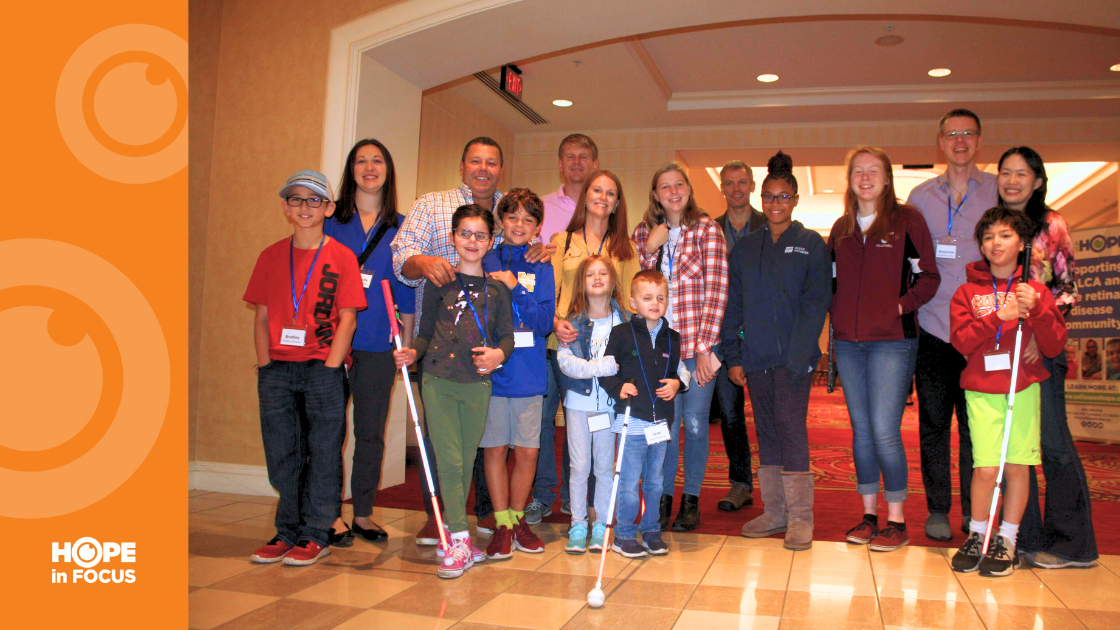
Children with canes and their parents smiling
2018 LCA Family Conference Attendees

On October 5-6, 2018, Hope in Focus (formally Sofia Sees Hope) held its first Family Conference for LCA and IRD families and caregivers. Thank you to all who attended and thank you to our sponsors, who made it all possible!

This event was the culmination of our first five years of work and fulfills our mission to connect LCA and IRD patients and families to researchers, industry experts and others who are keenly interested in LCA and and rare inherited retinal diseases. The goal of this conference was to get you excited about advances in research, deepen your understanding of the roles various organizations play in developing treatments, and provide insight into how an active patient community can support and accelerate treatment.

Below is the description of the panels and included are the presentations given by some of the speakers.

IRD Milestones: Reasons to Be Excited

Dr. Brian Mansfield, Senior Vice President of Research, Foundation Fighting Blindness

At no time in history has there been more promising research applied to genetically inherited eye disease.
Hear from our partners at the Foundation Fighting Blindness about how much easier it is today to access
genetic testing and genetic counseling and the exciting research and trials that are underway.

Download the presentation.


Moderator: JEFFREY FINMAN, Jupiter Point Pharma Consulting, LLC, Board Member, Sofia Sees Hope
Panelists: • DR. WILEY CHAMBERS, Supervisory Medical Officer in the Office of New Drugs at the FDA
• JENNIFER HUNT, Vice President of Clinical Operations, Editas Medicine
• TAMI MOREHOUSE, Phase 1 RPE65 Trial Subject RPE65 genetic therapy trial

From research to federal approval, what does it take to develop and approve a new treatment for rare disease? We’ll explore the regulatory, clinical, and industry aspects so you have a deeper understanding of what is involved in developing treatments, including how rare disease is different.

Download Dr. Chambers’ presentation.

Download Editas presentation.


Thank You to these speakers and organizations for their participation!

  • Kristen Angell, Associate Director, Advocacy, National Organization for Rare Disorders (NORD)
  • Beth Borysewicz, TVI for State of Connecticut and Sofia Sees Hope Board Director
  • Dr. Wiley Chambers, Supervisory Medical Officer in the Office of New Drugs at the U.S. Food and Drug Administration
  • Michael & Sela Cornell, Father and daughter from Chicago
  • Jill Dolgin, Head of Patient Advocacy, AGTC
  • Jeffrey Finman, Jupiter Point Pharma Consulting, LLC and Sofia Sees Hope Board Member
  • Jennifer Hunt, Vice President of Clinical Operations, Editas Medicine
  • Dr. Brian Mansfield, Senior Vice President of Research, Foundation Fighting Blindness
  • Tami Morehouse, Phase 1 RPE65 Trial Subject RPE65 genetic therapy trial
  • Jamie Ring, Head of Patient Advocacy, Spark Therapeutics

LCA Family Conference: The Role of the Patient Voice

Hope in Focus (formally Sofia Sees Hope) is holding its first LCA Family Conference on Saturday in Groton, CT. This event is the culmination of our first five years of work and fulfills our mission to connect LCA patients and families
to researchers, industry experts and others who are keenly interested in LCA and and rare inherited retinal diseases.

The goal of this conference is to provide updates about advances in research, deepen understanding of the roles various organizations play in developing treatments, and provide insight into how an active patient community can support and accelerate treatment.

We are pleased to welcome Jamie Ring, Head of Patient Advocacy, Spark Therapeutics; Jill Dolgin,
Head of Patient Advocacy, AGTC; Kristen Angell, Associate Director, Advocacy, National Organization for Rare Disorders (NORD) to our panel, “The Role of the Patient Voice in Developing Treatments for Rare Disease.”

Kristen Angell took a few minutes recently to chat with us about her work.

Kristen Angell headshot
Kristen Angell, NORD

Angell’s devotion and exuberance in her work with people with rare disease is literally in her DNA. A graphic designer by trade, life carried her in a different direction when she began volunteering for local non-profits. Shortly after, when her mother was diagnosed with breast cancer, Angell “dove in feet first.”
Then her father was diagnosed with stage 4 pancreatic cancer. Her cousin, who is her best friend, has cystic fibrosis, and later her sister was diagnosed with a rare blood cancer.

“Rare disease has always been common in my family,” she said. “Rare diseases in general don’t have a lot of research and funding, so I ran with that and began networking and started learning about rare diseases. I decided I wanted to do more in the community. I had a passion for patient advocacy.”

Before joining the National Organization for Rare Disorders (NORD), Angell got her first taste of volunteer advocacy when she worked on federal legislation resulting in the 2012 Recalcitrant Cancer Research Act requiring the National Cancer Institute to develop scientific framework for pancreatic and other deadly cancers.

Angell, NORD’s Associate Director of Advocacy since 2014, works with rare disease patients, families, industry leaders, medical professionals and legislators spanning the 50 states on public policy and advocacy initiatives to improve the lives of those affected by rare disease.

Angell runs NORD’s Rare Action Network that has 5,000 members nationally and ambassadors in 31 states. NORD, a voice for the 30 million Americans with rare diseases, is the official U.S. sponsor of Rare Disease Day, which takes place the last day of February each year.

She works to empower patient advocates, making sure they have the tools and resources to educate the community and to join the Rare Action Network. She helps advocates set up meetings with elected officials and overcome their fear of talking to policy makers.

She said it warms her heart that she can help her family and others who live with rare disease.
“I literally say I am one of the luckiest people,” she said. “I have the best job and I look forward to going into work each day.”

LCA Family Conference: The Road To Treatment

Hope in Focus (formally Sofia Sees Hope) is holding its first LCA Family Conference on Saturday in Groton, CT. This event is the culmination of our first five years of work and fulfills our mission to connect LCA patients and families
to researchers, industry experts and others who are keenly interested in LCA and and rare inherited retinal diseases.

The goal of this conference is to provide updates about advances in research, deepen understanding of the roles various organizations play in developing treatments, and provide insight into how an active patient community can support and accelerate treatment.

We are pleased to welcome Jeffrey Finman, Jupiter Point Pharma Consulting, LLC, Board Member and

Sofia Sees Hope; Dr. Wiley Chambers II, Supervisory Medical Officer in the Office of New Drugs at the FDA; Jennifer Hunt, Vice President of Clinical Operations, Editas Medicine; Tami Morehouse, Phase 1 RPE65 Trial Subject RPE65 genetic therapy trial, to talk about the The Road to Treatment: Understanding How Therapies Are Developed.

Dr. Chambers took a few minutes recently to chat with us.

Dr. Wiley Chambers II, MD headshot
Dr. Wiley Chambers II, MD

Wiley Chambers planned to join his ophthalmologist father in Connecticut after his residency at George Washington University Medical Center. But word got around the Washington, D.C., medical community that the Food and Drug Administration had no ophthalmologists; he thought he’d give the job a try for a year or two. He could always go to Connecticut.

Thirty-one years later, and having married a lobbyist along the way, Chambers remains in D.C. at the FDA where he has held multiple positions that have all included reviewing ophthalmology products. He has received numerous Public Health Service, FDA and Center for Drug Evaluation and Research awards for his work at the agency. Since 2011, he has been Deputy Director of the Division of Transplant and Ophthalmology Products, Office of New Drugs, in the FDA’s Center for Drug Evaluation and Research. As a Supervisory Medical Officer, he is usually the final person to review and sign off on new proposals before the beginning of clinical trials.

The FDA is involved anytime anyone wants to use an unapproved drug in humans or an approved drug for a different use in humans.

Chambers has clinically reviewed more than 100 ophthalmology drugs that have received FDA approval, including the first gene therapy “done inside a person,” as he said, in the form of LUXTURNA™, approved in December. The drug is a human-engineered virus, injected under the retina in the back of the eye, which contains a healthy version of the RPE65 gene that causes blindness in patients with Leber congenital amaurosis (LCA).

You won’t hear Chambers describe LUXTURNA as groundbreaking or extraordinary. He does not care for the superlatives, because every product that helps an individual is important to the person that it helps. Instead: “If it’s safe and effective, that’s what I care about most.”

In the study process, he said, reviewers and the company that makes LUXTURNA, Spark Therapeutics, ultimately came up with a maze for patients to navigate. “The issue was not how quickly you got through it. The issue was, could you navigate the maze in a lower level of light?”

He called the review and approval process of the medication “routine,” except for the endpoint.
“The endpoint was different than one we used for any other drug product – the ability to navigate in low light. We had never approved something for that before.”

Ultimately, Chambers says, his goal is to have cures, saying “Treatments are OK, but I’d much prefer cures.

LCA Family Conference: IRD Milestones

Hope in Focus (formally Sofia Sees Hope) is holding its first LCA Family Conference on Saturday in Groton, CT. This event is the culmination of our first five years of work and fulfills our mission to connect LCA patients and families to researchers, industry experts and others who are keenly interested in LCA and and rare inherited retinal diseases.

The goal of this conference is to provide updates about advances in research, deepen understanding of the roles various organizations play in developing treatments, and provide insight into how an active patient community can support and accelerate treatment.

We are pleased to welcome Dr. Brian Mansfield, Senior Vice President of Research with Foundation

Fighting Blindness, who will speak on “IRD Milestones: Reasons to Be Excited.”

Mansfield joined the Foundation Fighting Blindness a little more than seven years ago and, while he was excited about his new job, he lamented the absence of therapies for genetic eye diseases.

Dr. Brian Mansfield headshot
Dr. Brian Mansfield

For years, affected people were told: “Go home and learn Braille; there’s nothing we can do for you,” he recalled. But the foundation was committed to changing that message.

A mere seven years later, the treatment landscape for inherited retinal diseases (IRDs) has changed dramatically, with multiple clinical trials offering patients hope and improved vision.  When FFB started 47 years ago in 1971, researchers were just at the very start of understanding the complexities of IRDs and had little knowledge about the genetics of the diseases.

Now, Mansfield said, more than 260 genes are involved in these diseases, and probably more. “We’re learning about the genetics of the diseases all the time.”

As Senior Vice President of Research, Mansfield implements the foundation’s scientific research strategic plan and leads scientific assessments of new technologies, treatments and therapies for retinal degenerative disease. He also leads the My Retina Tracker patient registry team and the foundation’s genetic testing study.

“The challenge for me is to see how we can try and continue this program,” he said. “It’s a very expensive program. It’s a very valuable program.”

People registering take an active role in advancing research to find treatments and cures for specific rare inherited retinal diseases, affording the opportunity to join others and “stand up and be counted.”

The foundation’s expanded testing program, helped in part by a $65,000 donation from Sofia Sees Hope, came soon after the Food and Drug Administration’s December approval of LUXTURNA™, which treats people with Leber congenital amaurosis (LCA) and a mutation of the RPE65 gene. Developed by Spark Therapeutics and decades in the making, LUXTURNA is the first genetic therapy for an inherited retinal disease and the first genetic therapy for ANY inherited disease in the United States.

“I’m optimistic about how the field has changed so dramatically, from a lack of knowledge of what causes retinal disease, to actually have a treatment. This has really been a rapidly changing and exciting time.”
Mansfield said he hopes continued successes will one day bring treatments and cures for all retinal diseases.

“We’re committed to soldiering on, to drive research, to get those solutions for everyone,” he said. “It’s a big job, but if people aren’t pushing for it, it doesn’t move.

“It takes time to get there, but it does happen. It takes lots of money and research and the role of our foundation is to make sure we can maintain that momentum.”