Promising RNA Therapies for LCA10 and USH2A Move Back into Clinical Trials

Moving emerging therapies through clinical trials and across the finish line is often challenging—and in some cases, harrowing. Many treatments never make it.

In early 2022, the future looked bleak for ProQR Therapeutics’ two RNA therapies in clinical trials. The biotech company reported that sepofarsen, its RNA therapy for LCA10 (IVS26 mutation in CEP290), did not meet its primary endpoint of improvement of at least three lines in best-corrected visual acuity or BCVA. (Improvement in BCVA was only on average two lines in the Phase 2/3 trial.) That news came despite vision improvements, some significant, for many patients. But missing the primary endpoint led ProQR to stop development of its ophthalmology assets—sepofarsen and ultevursen (exon 13 mutations in USH2A)—and attempt to find a company to acquire them.

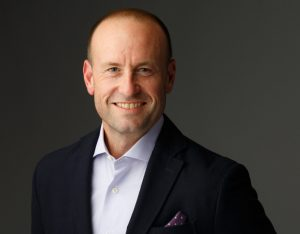
Mike Schwartz, who was then vice president, global project leader, at ProQR, said, “That was devastating for me, the doctors, and the patients.” He noted that one patient with LCA10 in the trial with only light perception gained enough vision after receiving sepofarsen to see letters on an eye chart. Another LCA10 patient in the study returned to his work as a carpenter after treatment.

Fortunately, a year and a half later, the large European eye care company Théa acquired sepofarsen and ultevursen and formed the Sepul Bio business unit to move the therapies back into clinical trials. Many former ProQR staff went to Sepul Bio, including Mr. Schwartz, who is now their chief operating officer.

The global HYPERION Phase 3 clinical trial for sepofarsen and the LUNA Phase 2 trial for ultevursen are now underway. Using what was learned from the ProQR trials, the Sepul Bio team made significant changes to the designs (protocols) for the clinical trials, changes they believe will greatly improve chances for success. Mr. Schwartz thanked the Hope in Focus team for providing input from patients for the sepofarsen clinical development program.

One major change in the new sepofarsen clinical trial protocol has to do with the placebo. In most clinical trials with regulatory authorization, the treatment group is compared to a placebo or control group to ensure that efficacy is indeed a result of the treatment. In the original sepofarsen trial, treated eyes of LCA10 patients were compared to the eyes of untreated LCA10 patients (i.e., the control group). Comparing treated patients to untreated patients was less than ideal because of significant variations in vision loss among LCA10 patients. So, in the new trial, each LCA10 patient will have one eye injected with sepofarsen and the other will get a saline placebo injection. The patient won’t know which eye is getting the treatment. Sepul Bio believes comparing untreated and treated eyes for the same patient will lead to less variation and a stronger efficacy signal.

Keep in mind that sepofarsen injections are made into the vitreous, the soft gel in the middle of the eye. These intravitreal injections are performed routinely (e.g., monthly) and safely in doctors’ offices for treating age-related macular degeneration. In the sepofarsen clinical trial, patients will receive injections every six months.

Sepul Bio’s RNA therapies, known as antisense oligonucleotides (ASOs), are tiny pieces of genetic material that fix mutations in RNA—the genetic messages that cells read to make proteins critical to the cells’ health and function.

Stay tuned. We will report on updates from the trials as soon as we receive them.

For more information on the sepofarsen or ultevursen trials, send an email to: contact@sepulbio.com.

Reports on Gene Therapy Advances: A Highlight from the 2025 Hope in Focus Conference in Minneapolis

Gene therapy is unequivocally the most advanced approach for treating retinal diseases like Leber congenital amaurosis (LCA). Of course, there’s LUXTURNA® which is FDA-approved and has restored significant vision for people with LCA caused by RPE65 mutations. But several other emerging gene therapies are, or will soon be, in clinical trials. Excitingly, some are restoring vision early in human studies.

I had the honor and privilege of moderating an expert research panel at the 2025 Hope in Focus Conference last June in Minneapolis to discuss some of the exciting developments in LCA gene therapies. The three panelists were Kenji Fujita, MD, chief medical officer, at Atsena Therapeutics; Sarah Tuller, JD, chief regulatory officer at Opus Genetics; and Bikash Pattnaik, PhD, a professor at University of Wisconsin-Madison.

Atsena’s LCA1 Gene Therapy Moving into Phase 3

Dr. Fujita delivered the exciting news that Atsena’s LCA1 (GUCY2D) performed very impressively in a Phase 1/2 clinical trial. “We were super-thrilled with the results,” he said. “The gene therapy worked better than we expected.” Thanks to the excellent results, the gene therapy is moving into Phase 3 in a co-development partnership with Nippon Shinyaku which brought a few of their representatives to Minneapolis.

The Phase 1/2 trial enrolled nine adults in Part A (the dose escalation group) to evaluate initial safety and determine the optimal dose. An additional three adults and three pediatric patients were subsequently dosed. Patients receiving the highest dose (all were treated in one eye) had 100-fold improvement in retinal sensitivity, as measured by full-field sensitivity (FST). Some had10,000-fold improvement. Patients were also able to navigate a multi-luminance mobility test (MLMT) in dimmer light (two lux levels lower) after treatment. “This was a transformative difference, on par what we have seen with LUXTURNA,” said Dr. Fujita.

The Phase 3 clinical trial will enroll a larger group of patients and treat both eyes. Some patients will be in a deferred treatment group, serving initially as controls.

The Foundation Fighting Blindness, through its RD Fund, is an original investor in Atsena.

Opus Genetics, a company established by the Foundation Fighting Blindness in 2021, launched its first clinical trial in 2023 for an LCA5 gene therapy. LCA5 is a severe retinal degeneration diagnosed in a child’s first year. It is also very rare, affecting only about 200 patients in the US. 

Opus reported excellent results for the first three patients (adults) in the trial with improvements in FST and virtual maze navigation. The company is now dosing pediatric patients and expects to report on them in the third quarter of 2025. “We are trying to move forward as aggressively as the FDA will allow,” said Ms. Tuller.

She acknowledged the great work of Dr. Tomas Aleman, the principal investigator on the trial, who was also at the meeting and had an engaging discussion with Sarah McCabe, one of the first patients to receive an RPE65 gene therapy.

A CRISPR Therapy is Emerging for LCA 16 

Dr. Pattnaik reviewed his team’s emerging CRISPR gene editing approach for correcting the W53X mutation in the gene KCNJ13 which causes LCA16. He explained that the treatment works like molecular scissors to cut out the mutation. 

Dr. Pattnaik is using lipid nanoparticles ⎯ which are like microbubbles ⎯ to deliver the treatment into retinal pigment epithelial (RPE) cells. Unlike most other genetic therapies which use engineered viruses to get genetic cargo into cells, nanoparticles have the advantage of being able to deliver therapeutic cargo of any size. Also, they are less likely to cause an immune reaction than viral systems.

Dr. Pattnaik tested the approach in cells and small animal models, and is now evaluating it in a large animal. He said the FDA is very positive about their current development plan. 

The CRISPR therapy is currently funded through a grant from the National Institutes of Health (NIH) and was previously supported by the Foundation Fighting Blindness.

Dr. Pattnaik is also a co-founder of Hubble Therapeutics which is advancing a KCNJ13 gene augmentation therapy developed in his lab.

Diverse Emerging Therapies Featured at the 2025 Hope in Focus Conference in Minneapolis

The development of diverse treatment approaches for Leber congenital amaurosis (LCA) is necessary because no single modality will work for everyone affected. While development of gene augmentation therapies (i.e., replacing mutated genes with healthy genes) has much momentum, other approaches also show promise as they move into and through clinical trials. Three of those emerging alternatives were discussed by a panel of experts at the Minneapolis meeting in June. The panel was moderated by Amy Laster, PhD, chief scientific officer, Foundation Fighting Blindness.

Ray Therapeutics’ Optogenetic Approaches

Raj Agrawal, MD, the vice president of clinical development at Ray Therapeutics, presented his company’s emerging optogenetic therapies which are moving into clinical trials for retinitis pigmentosa (RP)choroideremiaStargardt disease, and age-related macular degeneration. While Ray isn’t currently targeting LCA, optogenetics is an approach which may be applicable to some LCA patients.

Optogenetics is a gene-independent approach for restoring some vision for people with advanced inherited retinal diseases (IRDs) who have lost most or all their photoreceptors (rods and cones), the retinal cells that make vision possible. Ray’s therapies deliver genes that express a light-sensing protein called channelrhodopsin to either bipolar or ganglion cells ⎯ cells that are normally not light sensitive but survive after photoreceptors are lost. In essence, the therapies enable bipolar or ganglion cells to work like a back-up system for photoreceptors. The therapies are delivered by a one-time injection into the vitreous, the soft gel in the middle of the eye. These non-invasive injections are performed thousands of times every day in retinal doctors’ offices for treatment of AMD and diabetic retinopathy.

While Ray’s clinical trials are at an early stage, Dr. Agrawal said early reports for safety and efficacy have been encouraging. Stay tuned.

In early 2022, the biotech company ProQR reported that sepofarsen, its RNA therapy for LCA10 (IVS26 mutation in CEP290), did not meet its primary endpoint in a Phase 2/3 clinical. That news came despite vision improvements, some significant, for many patients in the trial. The endpoint miss led ProQR to stop development of its ophthalmology assets ⎯ sepofarsen and ultevusen (exon 13 mutations in USH2A) ⎯ and find a company to acquire them. 

Mike Schwartz, who was then vice president, global project leader, at ProQR, said, “That was devastating for me, the doctors, and the patients.” He noted that one patient with LCA10 in the trial with only light perception gained enough vision after receiving sepoafarsen to see letters on an eye chart. Another LCA10 patient in the study was able to return to his work as a carpenter after treatment.

Fortunately, a year and a half later, the large European eye care company Théa acquired sepofarsen and ultevursen and formed the Sepul Bio business unit to move the therapies back into clinical trials. Many former ProQR staff went to Sepul Bio including Dr. Schwartz who is now their chief operating officer.

A Phase 2 clinical trial for ultevursen is underway and a global Phase 3 trial for sepofarsen is imminent. Using what was learned from the ProQR trials, the Sepul Bio team made significant changes to designs for the forthcoming trials ⎯ changes they believe will greatly improve chances for success. Mr. Schwartz thanked the Hope in Focus team for providing input from patients for the sepofarsen clinical development program.

Sepul Bio’s RNA therapies, known as antisense oligonucleotides (ASOs), are tiny pieces of genetic material that fix mutations in RNA, the genetic messages that cells read to make protein that’s critical to the cells’ health and function. Both sepofarsen and ultevursen are delivered by intravitreal injections every six months.

BlueRock Therapeutics’ Photoreceptor Replacement Therapy

The development of cell therapies for IRDs has been challenging for numerous reasons. Therapeutic cells haven’t been easy to source and enabling them to survive and integrate when transplanted into patients’ retinas has been difficult.

As a panelist for the session, I had the privilege of discussing a promising photoreceptor replacement therapy from BlueRock Therapeutics which came out of the lab of stem cell pioneer David Gamm, MD, PhD, University of Wisconsin-Madison. Excitingly, BlueRock’s therapy just moved into a clinical trial for people with RP and cone-rod dystrophy. Dr. Gamm said the cells might at some point be relevant to LCA patients.

The photoreceptor precursors used in the trial came from induced pluripotent stem cells (iPSC). The iPSC were derived from a small sample of mature blood or skin cells from a healthy donor. The cells were genetically tweaked to revert back to a stem cell state. The iPSC were then coaxed forward to develop into the photoreceptor precursors. As precursors, they aren’t fully mature. Dr. Gamm research showed that precursors have the best chance at survival and integration after transplantation.

BlueRock has the backing of two prominent companies: Bayer and Fuji Film. The Foundation Fighting Blindness funded Dr. Gamm’s previous iPSC-related lab research.

The BlueRock trial is moving forward methodically so that investigators can ensure safety for patients and best understand which patients and conditions can benefit most from the approach.

2023 LCA Family Conference: Developing LCA Treatments

Luxturna®, the only approved treatment for one of 27 identified forms of Leber congenital amaurosis (LCA), cost $500 million to develop and took more than 12 years to come to market.

With such an enormous investment in time and money, it would make sense to use that same platform for developing new treatments to improve vision or halt progression of blindness.

But that’s just not how it works, said Chad R. Jackson, PhD, Senior Director of the Foundation Fighting Blindness Preclinical Transitional Acceleration Research Program.

Every individual clinical study must complete a set of rigorous requirements – which cost time and money – to receive regulatory approval from the Food and Drug Administration (FDA).

Chad R. Jackson
Chad R. Jackson

The Foundation’s translational research program steps up the pace of preclinical studies toward clinical studies involving humans through proactive management and industry-level advice to drive research leading to prevention, treatment, and vision restoration for degenerative retinal diseases.

A Hope in Focus partner, the Foundation has raised nearly $900 million since its founding in 1971 and funds more than 90 programs worldwide, including no-cost genetic testing and the My Retina Tracker® patient registry. The Foundation also launched a Retinal Degeneration Fund (RD Fund) to help accelerate life-changing outcomes for people with retinal degenerations through direct mission-related investments in therapeutic companies.

Chad and other presenters shared information about drug development, gene therapies, and non-gene therapies during two sessions of the Hope in Focus 2023 LCA Family Conference* in Indianapolis this summer.

More than 100 people attended the forum to hear the latest in LCA research and to network with families living with LCA and other rare inherited retinal diseases (IRDs).

Bringing a drug from inception to market takes 10 to 15 years, Chad said, and costs tens and tens of millions of dollars. He said bringing a developing drug from preclinical studies to the FDA requires three steps:

Identify your target to know what you’re seeking to do; conduct invitro studies by expressing patient cells in a lab or as it’s referred to, retinas in a dish; and perform animal-model studies, which save time and money to determine whether emerging therapies are safe and perhaps ready to move toward clinical trials using humans.

Gene-Agnostic Therapies

Chad moderated a panel discussion about research moving beyond single-gene correction to gene-independent therapies to help delay progression of blindness or restore levels of vision.

Eric Daniels
Eric Daniels

Kiora Pharmaceuticals’ Chief Development Officer Eric J. Daniels, MD, MBA, discussed the company’s first-in-human study for a non-gene therapy treatment for retinitis pigmentosa (RP), a group of inherited eye diseases that cause progressive vision loss. It is characterized by the gradual death of light-sensitive photoreceptor cells in the retina, known as rods and cones, responsible for converting light into neutral signals sent to the brain.

Dr. Daniels said his company’s technology shifts retinal ganglion cells from their off state, in which they respond to decreases in light. Kiora has discovered a way to shift these cells into their on state in the presence of light through channeled photoswitch molecules.

According to Kiora, the mutation-agnostic treatment has the potential for use in any of the various genetic forms of RP, as well as other retinal degenerative diseases; its intravitreal injection allows for more consistent and tolerable administration, and the small molecule can be manufactured and provided to patients at a much lower expense than the $450,000 per eye cost of Luxturna.

Huma Qamar, MD, MPH, CMI, the head of Clinical Development and Medical Affairs for Ocugen, discussed the biotech’s work on treatments for LCA10 (CEP290), RP, and other IRDs. One of their clinical trials involves a novel gene therapy, OCU400, consisting of a functional copy of a nuclear hormone receptor gene delivered to target retinal cells using an adeno-associated viral (AAV) vector. Expression of this receptor within the retina may potentially help stabilize cells and rescue photoreceptor degeneration, Dr. Qamar said.

Huma Qamar
Huma Qamar

Ocugen demonstrated the potential of a novel modifier gene therapy to elicit broad-spectrum benefits in early and intermediate stages of RP and LCA, based on animal studies, showing the potential for a mutation-agnostic treatment.

Since the conference, Ocugen reported an update on its Phase 1/2 clinical trial for OCU400 for 12 patients who had follow-ups from six to 12 months after a subretinal injection in one eye. The developing drug had a favorable safety profile in this trial phase. Also eight of the 12 patients showed stabilization or improvement in the visual function measures of best corrected visual acuity, low-luminance visual activity, and navigating a multi-luminance mobility test.

The trial is currently enrolling patients, including pediatric patients with LCA10.

Gene Therapies

In the conference’s final session, moderated by Foundation Vice President of Science Communications Ben Shaberman, four panelists discussed their work on LCA gene therapies.

Shannon E. Boye
Shannon E. Boye

Shannon Boye, PhD, Co-Founder, Director, and Acting Chief Science Officer of Atsena Therapeutics, said the road to drug development is long and bumpy. She helped design early studies on LCA1 (GUCY2D) in 2001.

With the process going so slowly, Shannon reached out to then-Foundation CEO Ben Yerxa, who helped push her and her husband into starting their own company.

In 2019 doctors dosed the first patient. Earlier this year, in a Phase 1/2 clinical trial, their LCA1 gene therapy, known as ATSN-101, showed clinically meaningful improvements in vision at the highest dose with no drug-related serious adverse events at six months after treatment.

Ash Jayagopal
Ash Jayagopal
Ben Yerxa
Ben Yerxa

At Opus Genetics, Chief Scientific Officer Ash Jayagopal, PhD, discussed the biotech’s progress for various programs in, or advancing toward, early-stage clinical trials.

Opus, headed by CEO Ben Yerxa, PhD, is the first spin-out company internally conceived and launched by the Foundation’s RD Fund. The Fund’s purpose is to accelerate advancing research into gene therapy for several forms of LCA and other retinal degenerative diseases.

Opus’ most advanced program for LCA5 (lebercilin), OPGx-LCA5, is dosing patients, while two other LCA programs involving LCA13 (RDH12) and LCA9 (NMNAT1) are in preclinical development.

Thomas Mendel, MD, PhD, talked about his research at The Ohio State University, where he is Assistant Professor of Ophthalmology and Vitreoretinal Surgery at the university’s Havener Eye Institute, Department of Ophthalmology & Visual Sciences. He is building a research program to develop and implement gene therapies for  Professor of Ophthalmology and Vitreoretinal patients with inherited retinal disease.

Bikash R. Pattnaik
Bikash R. Pattnaik
Thomas Mendel
Thomas Mendel

The goal is to build a translational lab with a team and accelerate development and clinical trials with gene-based treatments.

Bikash R. Pattnaik, PhD, told the audience about his work at the University of Wisconsin-Madison (UWM), where he is a professor and Clinical Director for Electrophysiology in the departments of Pediatrics, Ophthalmology, and Visual Sciences.

This summer, the National Institutes of Health awarded UWM a $29 million grant to develop gene-editing therapies for two inherited retinal conditions: LCA16 (KCNJ13) and Best disease. Bikash said the LCA16 treatment in development could be in clinical trials next year.

*Please go to our Hope in Focus website to see our previous three stories detailing sessions from our 2023 LCA Family Conference. Click here to see a video about the conference.

2023 LCA Family Conference: Advocating for Treatments

Here’s what you need to know about advocating for advanced treatments for Leber congenital amaurosis: Get genetically tested, get legislatively connected, and get enrolled in a patient registry.

The Hope in Focus 2023 LCA Family Conference* panel on Advocating for Treatments repeatedly returned to this action trio to move treatments forward for this rare inherited retinal disease (IRD) affecting about 8,000 people in the United States and 160,000 worldwide.

Jonathan Stokes, Senior Director of Patient-Centered Outcomes Research with the biopharmaceutical company AbbVie, moderated the five-member panel at the June 23-24, 2023, LCA family-centered conference in Indianapolis. This session marked the first of four for more than 100 people gathered at the conference.

Genetic Testing is Critical

Emily Place, Senior Genetic Counselor and Manager of Genetics and Genetic Counseling at Massachusetts Eye and Ear, said the first place to start is to get genetically tested, a process becoming easier with time. An open-access genetic testing program managed by the Foundation Fighting Blindness creates a smoother journey to finding the specific gene causing a mutation resulting in LCA or other IRDs.

Your new confirmed genetic diagnosis opens the door to advocacy groups and researchers working to develop treatments and cures for blindness.

The National Society of Genetic Counselors (NSGC) offers in-depth genetic testing information, including a search tool to help find a certified genetic counselor in your area.

Emily said listening to the voice of the patient is the way to move research forward. And, in the rare inherited retinal disease world, that begins with genetic testing and genetic counseling.

A genetic test provides one of three results: Positive, negative, or inconclusive.

A positive result means the test found mutations in a specific gene that can identify the cause of vision impairment.

A negative result means the test could not identify a specific genetic cause for the disease, but it does not rule out a retinal disease diagnosis.

An inconclusive result means the test didn’t find helpful information about the gene in question. Because it can be difficult to distinguish between a disease-causing gene and a harmless gene variation, follow-up testing or periodic review of the gene over time might be necessary.

Emily said it’s important to stay connected with your genetic counselor for support along the way, especially with an inclusive result. As the knowledge base of genetic data grows, future tests could garner more definitive results.

Genetic testing information can be found at Hope in Focus, which has contributed more than $200,000 to help support the Foundation’s free access to genetic testing.

You’ll find information on the Foundation’s website under the Genetic Testing section, where you can download their detailed resource booklet, “Genetic Testing for Retinal Degenerative diseases: Information and Resources for Affected Individuals, Families and Health Care Providers.”

Empower U.S. Senators and Representatives to Advocate for LCA

Our panelist from the U.S. Food and Drug Administration agreed with importance of genetic testing. Wiley A. Chambers, MD, Supervisory Medical Officers of the Office of New Drugs for FDA’s Center for Drug Evaluation and Research, also advised bringing information to Congress for action. He and his eight-member team have signed off on 200 approvals of new drugs.

“The best place you can make an important impact is to talk with your representatives and senators,” Dr. Chambers said.

A good place to start is with their staff of congressional aides, who can synthesize and relay relevant information to lawmakers.

He noted a key change at the FDA in the 1960s that informs the current drug approval process.

In October 1962, Congress passed the Kefauver-Harris Drug Amendments to the Federal Food, Drug & Cosmetic Act, which contains regulatory requirements defining the FDA’s level of control over these products. Before marketing a drug, firms still had to prove safety; now they also need to provide substantial evidence of effectiveness for the product’s intended use. This requires adequate and well-controlled studies, and, before marketing, the FDA needs to specifically approve a marketing application, according to the FDA.

Dr. Chambers emphasized that any clinical trial needs to show what the product is going to do to benefit a particular individual. He cited one of the endpoints or outcomes – early in Spark Therapeutics‘ gene therapy trial – that enlarged the size of the pupil.

“So what?” he said. “That’s not an endpoint that is meaningful to any individual.”

An endpoint of value would improve vision, slow, or stop vision loss, and help with daily activities.

Panelist Jacose Bell, Senior Patient Advocacy Lead at Spark Therapeutics, said the clinical trial at issue needed light as a factor as an endpoint.

Spark redesigned its trial to include a relevant endpoint instrumental in demonstrating how voretigene neparvovec could improve vision in LCA2 RPE65 patients, leading to the approval of LUXTURNA®. The endpoint – a multi-luminance mobility test (MLMT) – measured functional vision or how a person navigates in a vision-related activity across a range of light levels in daily living.

Engage state lawmakers to advocate for LCA advances

Reaching out to congressional aides is important, and even before taking that action, people can inform and raise awareness of the needs of the LCA and IRD community on local and state levels. This means calling, writing, or emailing your governor and state representatives and senators. It means acting and being participatory.

The National Organization for Rare Disorders (NORD) runs a state-by-state Rare Action Network that works to establish Rare Disease Advisory Boards or RDACs. Connecticut, headquarters for Hope in Focus, recently became the 24th state establishing a council specifically to address the complexities of living with a rare disease (including LCA and other IRDs), caring for someone with a rare disease, gaining access to treatment, and getting better insurance coverage.

The RDAC gives patients, families, caregivers, healthcare providers, advocates, researchers, and other stakeholders the opportunity to make formal recommendations to state agencies and the legislature to improve the lives of people living with rare disease and their caregivers.

Click here to find out if your state has an RDAC or is developing one and you would like to help make it a reality.

Lighthouse Guild also provides medical assistance and social support to people who are blind or visually impaired so they can fulfill their goals and live with independence.

EveryLife is another resource providing help for people living with rare diseases, including LCA and other IRDs.

Results of surveys filled out by people living with LCA and other IRDs also help define areas in need of advocacy, resources, and research.

LCA and IRD Patient Registry – My Retina Tracker®

Panel member Laura Manfre, Board Chair and Co-Founder of Hope in Focus, centered on patient registries as a driving factor in advancing treatment.

“MRT, MRT, MRT,” she said as a mantra to the group. MRT – My Retina Tracker® – is an online, confidential registry of people with rare retinal degeneration, including those with LCA or other IRDs.

Foundation Fighting Blindness launched and manages the registry with the purpose of enabling people with inherited retinal degenerative disease, their doctors, and researchers to actively collaborate in the research process.

To optimize the power of MRT, registrants should seek a genetic diagnosis, which the registry facilitates by making registrants eligible for free genetic testing.

Patients share information about the history, progression, and personal impact of their disease, they authorize their doctors to add their diagnosis and clinical information to their profile, and they take part in research studies when identified and contacted through MRT by researchers as potentially good subject for their studies.

The larger and more detailed the registry, the more beneficial the data becomes to doctors and scientists in helping advance research.

Another specific way to bring research to the labs and new treatments to market is through patient advisory councils established by biotechnology companies.

Panelist Jill Dolgin, PharmD, Executive Director of Global Patient Advocacy & Scientific Management for Beacon Therapeutics, said she even brings people into the lab to explain in plain language the complexities of clinical trials. This brings a broader understanding and familiarity to people who potentially might participate in trial research, including natural history studies of patients.

“You’re the experts,” Jill told her audience. “We’re not.”

Natural history studies identify demographic, genetic, environmental, and other factors shaping the drug development process. They give scientists and researchers a better estimate of the prevalence of the disease, help identify potential biomarkers, affect clinical outcome assessments, and determine the feasibility of established assessments for clinical trials.

Finding people to take part in research into a rare disease is inherently difficult, so reaching out to patients and helping them learn about the process helps expand the pool of potential participants.

Dr. Chambers says he hears about the difficulties of natural history studies from both sides, with researchers saying they can’t find patients to take part in the study, and patients saying they can’t find the study in which to participate.

“The starting point for each of these is genetic testing,” he said.

***

Hope in Focus would like to thank this session’s moderator, Jonathan Stokes, and its panelists, Emily Place, Dr. Wiley A. Chambers, Jill Dolgin, and Jacose Bell.

We are also grateful for the support of our sponsors in helping bring to fruition a gathering of such importance and relevance to the LCA and IRD community. Thank you, Spark Therapeutics, Foundation Fighting Blindness, MeiraGTxJanssenAtsena TherapeuticsOcugen, and Kiora Pharmaceuticals.

*Please see our Hope in Focus website for three more stories detailing sessions from our 2023 LCA Family Conference. Click here to see a video about the conference.

Let’s Chat About … Opus Genetics with Ben Yerxa

Working with preclinical data from multiple Leber congenital amaurosis (LCA) studies at the same time, Opus Genetics hopes to advance research into gene therapy for several forms of LCA at a faster pace.

Ben Yerxa, PhD, and acting Chief Executive Officer of Opus, told a Hope in Focus webinar audience that good preclinical data from Opus Co-Founders Jean Bennett, MD, and Eric Pierce, MD, became the foundation for the company’s first two projects researching LCA5 (Lebercilin) and LCA13 (RDH12).

Yerxa, who also is CEO of the Foundation Fighting Blindness and its Retinal Degeneration Fund (RD fund), explained that while Dr. Bennett researched what came to be the LCA2 (RPE65) gene therapy LUXTURNA®, other projects awaited advancement to preclinical stages. Dr. Pierce’s preclinical work also became part of Opus’ advancing work.

Ben Yerxa headshot
Ben Yerxa

Yerxa discussed biotechnology company’s aspirations as part of the Hope in Focus “Let’s Chat About …” webinar series. Our March episode, moderated by Courtney Coates, Director of Outreach and Development featured Yerxa, acting CEO of Opus based in Raleigh, N.C. Click here to view the webinar.

The Foundation’s RD Fund led the $19 million in seed financing for the company founded last fall, with participation from the Manning Family Foundation and Bio Partners.

The Magic of a One-of-a-Kind Model

Opus is the first spin-out company internally conceived and launched by the RD Fund to further the Foundation’s mission. The RD Fund is investing in projects that are in, or advancing toward, early-stage clinical trials.

“Opus is a first-of-its-kind model for patient-focused therapeutic development,” Yerxa said. “As the first company launched by the Foundation’s venture arm, RD Fund, Opus is uniquely positioned to bring experts, resources, and patients together to efficiently advance ocular gene therapies for small groups of patients that to date have been neglected.”

The company decided to take on the development of multiple gene therapies, regardless of the small treatment population for rare retinal diseases.

“Opus was really born out of necessity,” Yerxa said. “Many gene therapies in preclinical development were just not being developed further.”

The company would even work on programs where only 100 patients have a particular retinal disease, or where the patient population is smaller or larger than the 1,000 to 2,000 people in the United States with LCA2 RPE65, a form of LCA treated with LUXTURNA®. The gene therapy, developed by Spark Therapeutics, is the only federally approved treatment for an inherited gene mutation.

“It evens out as a blend,” he said. “That’s kind of where the magic is.”

The biotech’s lead program, OPGx-001, addresses mutations in the LCA5 gene that encodes the lebercilin protein. LCA5 is one of the most severe forms of LCA and affects about one in 1.7 million people in the United States.

Its second program, OPGx-002, focuses on restoring protein expression and halting functional deterioration in people with retinal dystrophy caused by mutations in the retinal dehydrogenase gene, knowns as RDH12 or LCA13. The disease affects one in 288,000 people in the U.S.

Its third program, OPGx-003, targets LCA9 caused by NMNAT1 mutations and affects about one in 432,000 people in the U.S.

Yerxa said Opus is hoping to raise $70 million or more in the next six to nine months to bring it through 2024-25.

He advised people interested in the research to keep in communication with their physicians because as clinical trials get ready to begin, Opus will be looking for individuals to take part in them.

LCA5 Clinical Trials Planned Later This Year

Opus is looking at filing for an Investigational New Drug (IND) application with the U.S. Food and Drug Administration by the middle of this year before enrolling people for clinical trials by summers’ end at the University of Pennsylvania for LCA5. By filing for an IND, a company is asking for permission to start human clinical trials and to ship an experimental drug across state lines before approving a marketing application for the drug.

“We’re looking forward to getting that started so we’ll be a clinical-stage company.”

Their work also will center on what Yerxa called a tried-and-true approach to delivering the medicine through Adeno-associated virus (AVV) vectors, the leading platform for gene delivery for the treatment of a variety of human diseases.

In today’s world of retinal gene therapy development, AVVs are most often used to deliver therapeutic genes to cells in the retina, according to the Foundation. Gene therapy is administered by injecting a tiny drop of liquid underneath or near the retina. AAVs are safe and able to penetrate cells with their genetic cargo. They naturally occur in humans and don’t cause any known illness. For regulators like the FDA, that excellent safety profile is highly desirable.

Having available multiple inventories for developing therapies and working with the university to license the technology can speed up the pace of research and manufacturing, reducing the average two-year timeline for clinical work.

“I think we can shave off many months of the timeline,” Yerxa said.

In the question-and-answer session following the webinar, one viewer asked about taking on research into a form of LCA caused by a mutation in the IQCB1 gene, and Yerxa replied, “We are aware of that work and interested in this asset.”

He suggested people keep connected with Opus and receive company emails for updates on projects. https://opusgtx.com/contact/

Encouraging News for CRB1 Gene Therapy Treatments 

Early research into a form of Leber congenital amaurosis (LCA) caused by mutations in the CRB1 gene – including the discovery of a new version of a protein expressed by the gene – shows encouraging possibilities toward developing gene therapy treatment.

Amy Laster, PhD, Vice President of Science and Awards programs for the Foundation Fighting Blindness, shared the research news as part of a recent LCA Research Update webinar, summarizing results of an earlier CRB1-associated retinal disease Scientific Advancement Workshop.

“There’s certainly momentum that the research is actively happening, and that the community wants to address outstanding issues,” Laster said.

Laura ManfreSofia Sees Hope Co-Founder and President, said more than 40 leading experts in ophthalmology and gene research gathered in one room for more than five hours to share research and patient perspectives on LCA8 (CRB1) and identify the next steps to advance treatment for the patient community. 

Sofia Sees Hope and the Foundation Fighting Blindness created the Scientific Advancement Workshop with the objectives of widening the circle of research awareness into CRB1, building a framework or platform for sharing knowledge, fostering collaboration among stakeholders, identifying gaps, and setting priorities for action.

The route to approved LCA treatments consists of multiple, winding paths rather than one direct straightaway: No quick, easy solutions.

“For CRB1, in particular, the biology here is very, very complex,” said Manfre, who is also a member of the Foundation’s Board of Directors.

Referencing results of the workshop, Manfre displayed what she called a “celebration photo” of a smiling young girl hitting a piñata bursting forth with sprays of candy.

“What I want to communicate here is just how much of a celebration it is that we had this workshop. There are no simple, straightforward answers, but the really good news, or the celebration, is that this was one more step ahead in bringing the right people and all the very smart people together,” Manfre said.

CRB1 Preclinical Research

Laster described the gene therapy development path from research to treatment or cure. The path begins with basic knowledge of the gene and its functions and understanding the biology of the disease, which includes designing non-human research models and conducting Natural History studies. 

Preclinical CRB1 research currently centers on understanding the biology of the mutation and working toward conducting a Natural History study. 

Natural History study researchers observe clinical features in the absence of any treatment, gaining an understanding of myriad features, including the retina’s architecture and the patient’s visual function, sensitivity to light, and peripheral vision. The data provide knowledge and an independent understanding of the disease, while establishing an essential foundation for building drug development programs.

Later stages on the way to treatments and cures include designing clinical trials, selecting patients, predicting outcomes, setting measures for endpoints and outcomes, and conducting Phase I, II and III human clinical trials. The goal is U.S. Food and Drug Administration approval of a safe and effective treatment. 

Laster shared news from the workshop that Jeremy Kay, PhD, found a new version, or isoform, of CRB1 called CRB1b.

Kay, Associate Professor of Neurobiology and of Ophthalmology at Duke University, found that the CRB1b protein is more abundant in human and mouse retinas than the first identified version, CRB1a.

“Unlike CRB1a,” Laster said, “the removal of the CRB1b causes a retinal degeneration in mice and this has not been shown before with the first identified isoform.”

The research gives rise to new questions as to whether CRB1a or CRB1b protein expression or both should be the target for a gene therapy, she said.

Duke University research news characterized Kay’s findings published in Natural Communications as “a game-changer in light of the critical progress, over the past few years, in the treatment of inherited retinal diseases …”

Laster referenced CRB1 research models and gene augmentation therapy studies by Jan Wijnholds, PhD, Principal Investigator in the Department of Ophthalmology at Leiden University Medical Center, Leiden, Netherlands. The findings by him and his team can be found here in Frontiers in Neuroscience

She also discussed the work of Dr. Jacque Duncan, Professor of Clinical Ophthalmology at the University of California, San Francisco. Dr. Duncan is in talks with the Foundation about her interest in understanding the relationship between CRB1’s genotype and phenotype, or its genetic characteristics and physical characteristics. 

“On the clinical side, in terms of actually conducting a Natural History study, there was a lot of enthusiasm about that,” she said. “The Foundation is in touch with Dr. Jacque Duncan about potentially moving forward with that.”

The Foundation, the largest private funder of research for treatments and cures of blinding retinal diseases, has raised nearly $800 million since its inception and funds more than 80 research projects globally. Laster oversees the organization’s preclinical research portfolio consisting of research awards in funding programs that support career development, laboratory-based science research, translational research, and multi-investigator program projects.

Todd Durham, PhD, also an organizer of the Scientific Advancement Workshop, said sharing CRB1 patient perspectives through survey answers marked one of the highlights of the workshop because it gave researchers insight to help focus their studies for treatments or cures.

In the survey developed by the Foundation Fighting Blindness and Sofia Sees Hope, 85 percent of the respondents have a profile on My Retina Tracker® registry, a free online registry that enables people with inherited retinal degenerative diseases, their doctors, and researchers to actively collaborate in the research process. 

Durham, the Foundation’s Vice President of Clinical and Outcomes Research, said the CRB1 survey also showed patients received a clinical diagnosis at an average age of 13, while 24 was the average age for getting genetically diagnosed, showing a significant gap between the diagnoses.

The most reported worries were progression to blindness and concerns about employment. Most of the survey takers said they would participate in clinical trials, while many were concerned about the safety of the trials, the risks to remaining vision, and the potential for benefit.

People also were asked to describe their motivation for taking part in a clinical trial. A common thread to the responses, Durham said, was to help themselves see better and help others through research. 

In a sampling of comments, one person wrote: “1. Cure the disease. 2. Have a more comfortable life. 3. Not feel different from the rest because of your visual impairment.” 

Under the section “Anything Else to Share with Researchers,” a respondent wrote: “I feel the mental health impacts of a disability are overlooked a lot of the time.”

An Engaged CRB1 Community

In the question-and-answer session, an audience member asked where to go for information about CRB1, noting that his doctor had no idea about it. He said he felt lucky to live near a teaching hospital and could reach out for help but thought others may not be as fortunate.

Ben Shaberman, the Foundation’s Senior Director of Scientific Outreach and Community Engagement, said he understands that difficulty and he is part of a team educating eye-care professionals around the country. He encouraged people to email the Foundation at info@fightingblindness.org for contacts in the academic and medical world of retinal specialists and researchers.

Manfre said the CRB1 community is highly active and suggested that people join the new CRB1 Network on Facebook and check out the Resources page on the Sofia Sees Hope website that has a link to a CRB1 group called Curing Retinal Blindness Foundation. She said people can also find a strong Spanish-speaking community at Grupo CRB1 España y Latinoamérica

She advised people to update their profiles on My Retina Tracker to help advance research and to follow the Foundation and Sofia Sees Hope websites for information and research news. You can email questions or concerns to Sofia Sees Hope at info@sofiaseeshope.org

Advocating for treatment and cures for rare diseases such as CRB1 takes a grassroots effort, Manfre said, requiring people to inform, support, and educate one another, and to continue sharing stories and reaching out on social media.

Gathering in groups such as this webinar, she said, also helps connect people and generate awareness that, in turn, advances research. 

“All of this makes a huge difference.”

‘Let’s Chat About …’ Webinar Offers LCA Overview and Updates on Clinical Trials

In the debut of Hope in Focus (formally Sofia Sees Hope) ‘Let’s Chat About …’ monthly webinar series, Ben Shaberman of the Foundation Fighting Blindness, provided his Zoom audience with a plethora of information about Leber congenital amaurosis (LCA), highlighting some of the more than 40 clinical trials underway to find treatments and cures for LCA and other rare inherited retinal diseases (IRDs) and giving updates on promising preclinical research. 

The recorded webinar aired 1 p.m. Wednesday, Jan. 27, 2021, and can be seen here. Elissa Bass, our marketing and communications director, moderated the session.

Shaberman, Senior Director, Scientific Outreach & Community Engagement, stumbled across a science writing position at the Foundation Fighting Blindness 16 years ago without a clue about retinas or blindness. He called his move to the Foundation serendipitous. He knew he made the right choice after hearing retinal researcher Dean Bok, PhD, tell attendees at a 2005 Foundation conference how he was drawn to the field by the seduction of the retina’s myriad complexities and inner workings.

Shaberman, too, felt pulled by the intriguing science of the retina.

As such, so are the 27 forms of LCA that cause varying kinds of visual impairment within each gene mutation and within each affected person. An estimated 8,000 people in the United States have LCA.

The path of retinal research

Shaberman took his audience from the beginnings of identifying the RPE65 gene in 1993 and learning shortly thereafter it could lead to LCA, to using mice models and later studying Briard dogs that had the same gene mutation that caused LCA in humans. A clinical trial at Children’s Hospital of Philadelphia led to the 2017 FDA approval of the breakthrough gene therapy LUXTURNA®, developed by Spark Therapeutics. The drug successfully improved the vision of many of the LCA2-RPE65 patients who received the treatment through subretinal injections.

When children receive an LCA diagnosis, their families should find a good retinal specialist, get regular exams, and ultimately get a confirmed genetic diagnosis to be on the path to more specific information and research into that form of LCA, Shaberman said.

Families also should register with the Foundation’s My Retina Tracker®, a free and secure online registry that facilitates getting a confirmed genetic diagnosis by making registrants eligible for free genetic testing.

The registry becomes your personal retinal health record, updated by you. It employs state-of-the-art database technology to protect privacy and adheres to the highest standards of confidentiality and ethics. 

It also notifies registrants of clinical trials and gives researchers access to their disease data – not their personal information – to advance research and therapy development associated with LCA and IRDs. 

Reading research publications and attending events sponsored by the Foundation and by Sofia Sees Hope also provide opportunities for families to interact and learn the latest research. Shaberman and Bass encouraged people affected by LCA and their families to contact them, respectively, through the Foundation’s website and/or the Sofia Sees Hope website for specific information on clinical trials or other questions and concerns about living with LCA. 

“Yes, it’s work,” Shaberman said. “You have to be your own advocate and your own child’s advocate, but more and more information is becoming available, and that’s the good news.”

Shaberman also reviewed some of the more than 40 retinal clinical trials in the pipeline for LCA and other IRDs:

Join us Feb. 16

February’s “Lets Chat About …” webinar airs at 3 p.m. ET, Tuesday, Feb. 16. Our guest will be Wiley A. Chambers, MD, Supervisory Medical Officer for the Office of New Drugs, Center for Drug Evaluation and Research at the U.S. Food and Drug Administration. Register here.