LCA Family Conference: The Role of the Patient Voice

Hope in Focus (formally Sofia Sees Hope) is holding its first LCA Family Conference on Saturday in Groton, CT. This event is the culmination of our first five years of work and fulfills our mission to connect LCA patients and families
to researchers, industry experts and others who are keenly interested in LCA and and rare inherited retinal diseases.

The goal of this conference is to provide updates about advances in research, deepen understanding of the roles various organizations play in developing treatments, and provide insight into how an active patient community can support and accelerate treatment.

We are pleased to welcome Jamie Ring, Head of Patient Advocacy, Spark Therapeutics; Jill Dolgin,
Head of Patient Advocacy, AGTC; Kristen Angell, Associate Director, Advocacy, National Organization for Rare Disorders (NORD) to our panel, “The Role of the Patient Voice in Developing Treatments for Rare Disease.”

Kristen Angell took a few minutes recently to chat with us about her work.

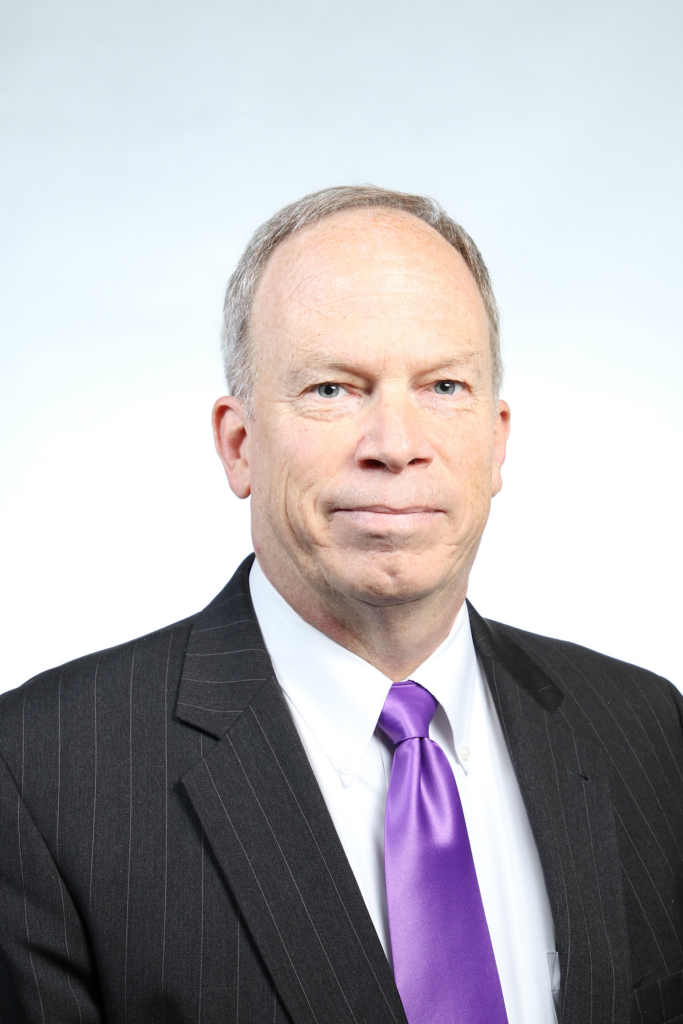
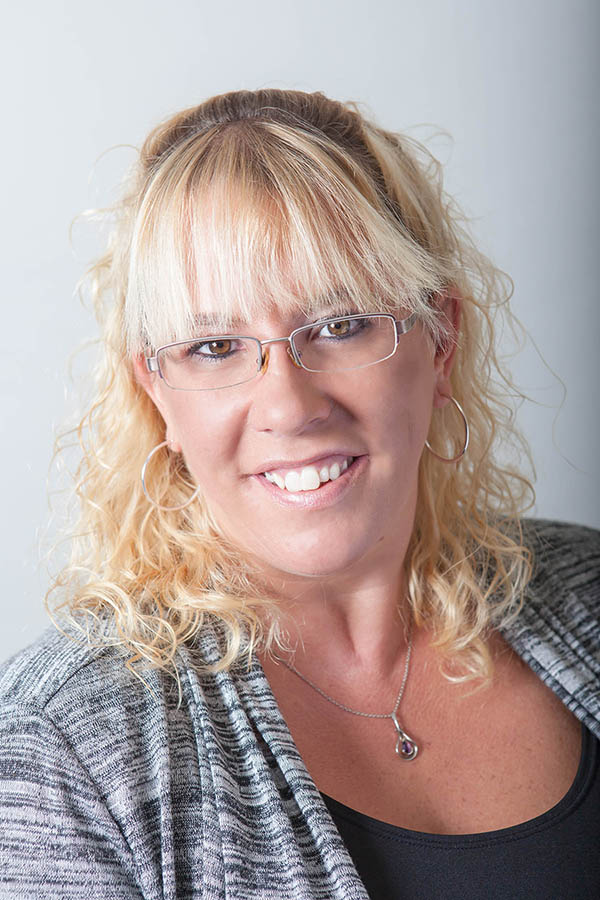
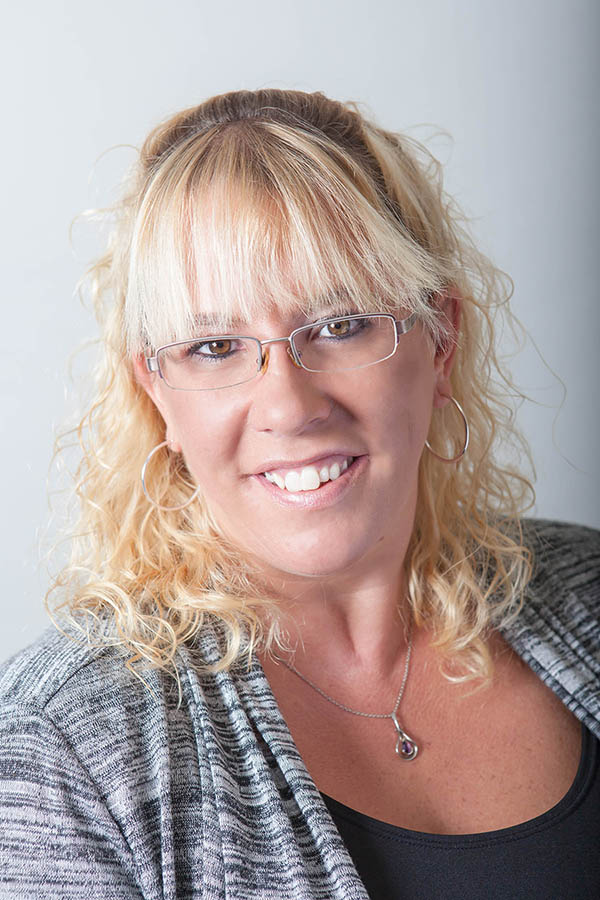
Kristen Angell headshot
Kristen Angell, NORD

Angell’s devotion and exuberance in her work with people with rare disease is literally in her DNA. A graphic designer by trade, life carried her in a different direction when she began volunteering for local non-profits. Shortly after, when her mother was diagnosed with breast cancer, Angell “dove in feet first.”
Then her father was diagnosed with stage 4 pancreatic cancer. Her cousin, who is her best friend, has cystic fibrosis, and later her sister was diagnosed with a rare blood cancer.

“Rare disease has always been common in my family,” she said. “Rare diseases in general don’t have a lot of research and funding, so I ran with that and began networking and started learning about rare diseases. I decided I wanted to do more in the community. I had a passion for patient advocacy.”

Before joining the National Organization for Rare Disorders (NORD), Angell got her first taste of volunteer advocacy when she worked on federal legislation resulting in the 2012 Recalcitrant Cancer Research Act requiring the National Cancer Institute to develop scientific framework for pancreatic and other deadly cancers.

Angell, NORD’s Associate Director of Advocacy since 2014, works with rare disease patients, families, industry leaders, medical professionals and legislators spanning the 50 states on public policy and advocacy initiatives to improve the lives of those affected by rare disease.

Angell runs NORD’s Rare Action Network that has 5,000 members nationally and ambassadors in 31 states. NORD, a voice for the 30 million Americans with rare diseases, is the official U.S. sponsor of Rare Disease Day, which takes place the last day of February each year.

She works to empower patient advocates, making sure they have the tools and resources to educate the community and to join the Rare Action Network. She helps advocates set up meetings with elected officials and overcome their fear of talking to policy makers.

She said it warms her heart that she can help her family and others who live with rare disease.
“I literally say I am one of the luckiest people,” she said. “I have the best job and I look forward to going into work each day.”

LCA Family Conference: The Road To Treatment

Hope in Focus (formally Sofia Sees Hope) is holding its first LCA Family Conference on Saturday in Groton, CT. This event is the culmination of our first five years of work and fulfills our mission to connect LCA patients and families
to researchers, industry experts and others who are keenly interested in LCA and and rare inherited retinal diseases.

The goal of this conference is to provide updates about advances in research, deepen understanding of the roles various organizations play in developing treatments, and provide insight into how an active patient community can support and accelerate treatment.

We are pleased to welcome Jeffrey Finman, Jupiter Point Pharma Consulting, LLC, Board Member and

Sofia Sees Hope; Dr. Wiley Chambers II, Supervisory Medical Officer in the Office of New Drugs at the FDA; Jennifer Hunt, Vice President of Clinical Operations, Editas Medicine; Tami Morehouse, Phase 1 RPE65 Trial Subject RPE65 genetic therapy trial, to talk about the The Road to Treatment: Understanding How Therapies Are Developed.

Dr. Chambers took a few minutes recently to chat with us.

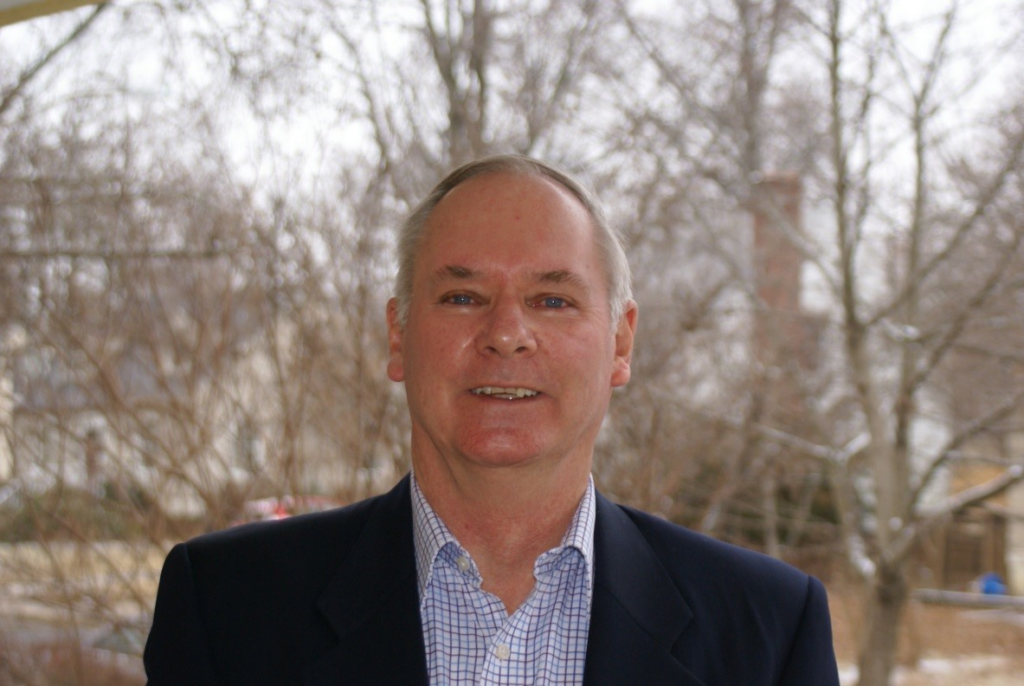
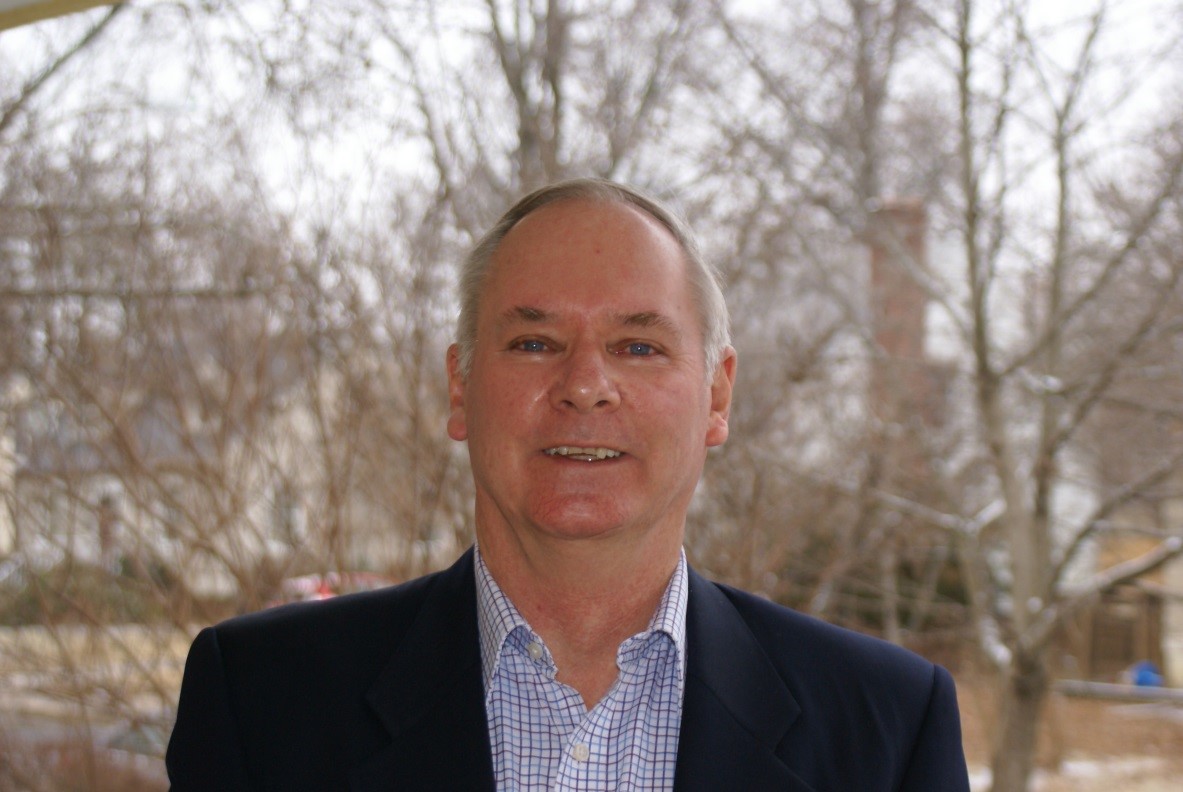
Dr. Wiley Chambers II, MD headshot
Dr. Wiley Chambers II, MD

Wiley Chambers planned to join his ophthalmologist father in Connecticut after his residency at George Washington University Medical Center. But word got around the Washington, D.C., medical community that the Food and Drug Administration had no ophthalmologists; he thought he’d give the job a try for a year or two. He could always go to Connecticut.

Thirty-one years later, and having married a lobbyist along the way, Chambers remains in D.C. at the FDA where he has held multiple positions that have all included reviewing ophthalmology products. He has received numerous Public Health Service, FDA and Center for Drug Evaluation and Research awards for his work at the agency. Since 2011, he has been Deputy Director of the Division of Transplant and Ophthalmology Products, Office of New Drugs, in the FDA’s Center for Drug Evaluation and Research. As a Supervisory Medical Officer, he is usually the final person to review and sign off on new proposals before the beginning of clinical trials.

The FDA is involved anytime anyone wants to use an unapproved drug in humans or an approved drug for a different use in humans.

Chambers has clinically reviewed more than 100 ophthalmology drugs that have received FDA approval, including the first gene therapy “done inside a person,” as he said, in the form of LUXTURNA™, approved in December. The drug is a human-engineered virus, injected under the retina in the back of the eye, which contains a healthy version of the RPE65 gene that causes blindness in patients with Leber congenital amaurosis (LCA).

You won’t hear Chambers describe LUXTURNA as groundbreaking or extraordinary. He does not care for the superlatives, because every product that helps an individual is important to the person that it helps. Instead: “If it’s safe and effective, that’s what I care about most.”

In the study process, he said, reviewers and the company that makes LUXTURNA, Spark Therapeutics, ultimately came up with a maze for patients to navigate. “The issue was not how quickly you got through it. The issue was, could you navigate the maze in a lower level of light?”

He called the review and approval process of the medication “routine,” except for the endpoint.
“The endpoint was different than one we used for any other drug product – the ability to navigate in low light. We had never approved something for that before.”

Ultimately, Chambers says, his goal is to have cures, saying “Treatments are OK, but I’d much prefer cures.

LCA Family Conference: IRD Milestones

Hope in Focus (formally Sofia Sees Hope) is holding its first LCA Family Conference on Saturday in Groton, CT. This event is the culmination of our first five years of work and fulfills our mission to connect LCA patients and families to researchers, industry experts and others who are keenly interested in LCA and and rare inherited retinal diseases.

The goal of this conference is to provide updates about advances in research, deepen understanding of the roles various organizations play in developing treatments, and provide insight into how an active patient community can support and accelerate treatment.

We are pleased to welcome Dr. Brian Mansfield, Senior Vice President of Research with Foundation

Fighting Blindness, who will speak on “IRD Milestones: Reasons to Be Excited.”

Mansfield joined the Foundation Fighting Blindness a little more than seven years ago and, while he was excited about his new job, he lamented the absence of therapies for genetic eye diseases.

Dr. Brian Mansfield headshot
Dr. Brian Mansfield

For years, affected people were told: “Go home and learn Braille; there’s nothing we can do for you,” he recalled. But the foundation was committed to changing that message.

A mere seven years later, the treatment landscape for inherited retinal diseases (IRDs) has changed dramatically, with multiple clinical trials offering patients hope and improved vision.  When FFB started 47 years ago in 1971, researchers were just at the very start of understanding the complexities of IRDs and had little knowledge about the genetics of the diseases.

Now, Mansfield said, more than 260 genes are involved in these diseases, and probably more. “We’re learning about the genetics of the diseases all the time.”

As Senior Vice President of Research, Mansfield implements the foundation’s scientific research strategic plan and leads scientific assessments of new technologies, treatments and therapies for retinal degenerative disease. He also leads the My Retina Tracker patient registry team and the foundation’s genetic testing study.

“The challenge for me is to see how we can try and continue this program,” he said. “It’s a very expensive program. It’s a very valuable program.”

People registering take an active role in advancing research to find treatments and cures for specific rare inherited retinal diseases, affording the opportunity to join others and “stand up and be counted.”

The foundation’s expanded testing program, helped in part by a $65,000 donation from Sofia Sees Hope, came soon after the Food and Drug Administration’s December approval of LUXTURNA™, which treats people with Leber congenital amaurosis (LCA) and a mutation of the RPE65 gene. Developed by Spark Therapeutics and decades in the making, LUXTURNA is the first genetic therapy for an inherited retinal disease and the first genetic therapy for ANY inherited disease in the United States.

“I’m optimistic about how the field has changed so dramatically, from a lack of knowledge of what causes retinal disease, to actually have a treatment. This has really been a rapidly changing and exciting time.”
Mansfield said he hopes continued successes will one day bring treatments and cures for all retinal diseases.

“We’re committed to soldiering on, to drive research, to get those solutions for everyone,” he said. “It’s a big job, but if people aren’t pushing for it, it doesn’t move.

“It takes time to get there, but it does happen. It takes lots of money and research and the role of our foundation is to make sure we can maintain that momentum.”

Parent Support On Line 1

In the sometimes-isolating world of rare inherited retinal diseases (IRDs) such as Leber congenital amaurosis (LCA), another option exists to help bring people together – support by telephone.

The Lighthouse Guild of New York City offers a Parent Tele-Support Group in which parents of children with LCA across the country can come together every other week to share problems and solutions about parenting, genetic testing, education, socialization, accessibility and more.

The Lighthouse Guild is a not-for-profit vision and healthcare organization helping people who are blind or visually impaired gain their maximum level of independence.

The Guild offers nine Parent Tele-Support Groups to help connect families living with LCA, Cortical Visual ImpairmentAutism and BlindnessRetinopathy of Prematurity and other eye conditions.

For the past nine years, social worker Judith Millman, LCSW, has facilitated the LCA tele-support group

Judith outside with water behind her
Judith Millman

that usually convenes every other Wednesday evening, 8:45 p.m. EST. Nationwide, the group reaches people of all ages who may not have access to those having similar experiences.

Parents interested in joining the group can enroll online. For more information, including upcoming dates for tele-support sessions, please email Judith at judithmillman@aol.com.

She estimates about 50 families have been supported through the group over the years. Very occasionally, the sessions include a special guest.

Some years ago, Dr. Jean Bennett, part of the research team that created the breakthrough genetic treatment for LCA RPE65 called LUXTURNA™, took part in a call, back when her research was still in its clinical trial stages. Spark Therapeutics developed LUXTURNA™, which received approval in December from the Food and Drug Administration.

Other guests have included the inventor of a cane for toddlers, specialists in orientation mobility, and Betsy Brint, who is affiliated with the Foundation Fighting Blindness (FFB)* and the mother of a child with LCA.

Parents of children – from babies to teen-agers – participate in the sessions. The LCA telephone group is not gene-specific and includes people from across the LCA gene-mutation spectrum that includes an estimated 27 genes.

Even more so, the group is an avenue to inclusion, another resource for people to find comfort and a sense of belonging within the LCA community.

‘We know how important it is to know your gene. We’ve lived it.’

It took more than seven years to get a genetic diagnosis for our daughter. During that time, doctors were pretty sure she had LCA, although we also heard that maybe she had cone-rod dystrophy or perhaps Stargardt’s Syndrome. We argued with insurance over genetic testing, paid out-of-pocket, took time off work and school for trips out of state and sent blood work all over. Still, no one could give us a genetic diagnosis. Some labs never even bothered to return phone calls to tell us if they had any results.  

And then things changed. More genes had been identified and there were new and better ways of genetically diagnosing IRDs. Finally, in 2013, I we received a confirmed diagnosis for Sofia.

Flash forward another five years to today and there are even more changes. While many aspects of obtaining a genetic diagnosis are still challenging, thanks to continued research, increased awareness, and accessible testing programs, it’s no longer a seven-year ordeal. Patients can get tested today without incurring travel expense and are much more likely to receive a confirmed genetic diagnosis.  

Thanks to donations to our organization, we have been able to support accessible genetic testing for families. Thanks to our donors and supporters, we are also able to provide outreach and education to families, driving awareness and access for genetic testing and encouraging participation in natural history studies and patient registries.  

Our awareness campaign this year is Know Your Gene: Get Tested, Get Connected.  Knowledge is power and we are helping more families get tested so they can receive their genetic diagnosis and then connect in ways that will accelerate research for treatments and cures for IRDs. We want to stress the importance of connecting to a patient registry or a genetic counselor. We want to help families and individuals find each other for support and sharing of information. And we are driving those programs and communications that will continue to advance cures for blindness.

We know how important it is to know your gene. We’ve lived it.

CT Rare Disease Day: Patients Must Be Advocates

On Rare Disease Day – Wednesday, February 28 – doctors, researchers, advocates, patients, caregivers, industry representatives and legislators will come together in Connecticut and around the globe to focus on the critical role patients play in understanding rare diseases and in developing innovative treatments and cures.

Research is the 2018 theme for Rare Disease Day, and this year’s slogan is “Patients are not only subjects but proactive actors in research.” Nearly 7,000 diseases are considered rare in the United States and about 300,000 people in Connecticut have a rare disease.

Hosted by the National Organization for Rare Disorders (NORD) and the NORD’s Connecticut Rare Action Network, Rare Disease Day will be celebrated on the last day of February from 8:30 to 10:30 a.m. in the 2nd Floor Atrium of the Legislative Office Building, 300 Capitol Ave., Hartford.

The event, held nationally and in more than 85 countries, serves as an opportunity to hear from the many voices of those dealing with rare diseases and the daily challenges patients and their families face in Connecticut.

NORD President Pete Saltonstall and a bi-partisan team of Connecticut General Assembly (CGA) members will open the event. The governor is expected to honor the day with an official proclamation.

Dr. Mridu Gulati, a pulmonary disorder specialist at Yale School of Medicine and chair of the CGA’s Task Force to Study Rare Diseases, will report on the group’s findings. The task force, created in 2015 under Public Act 15-242, comprises legislators, medical experts and rare disease advocates. It is charged with examining rare disease research, diagnoses, treatment and education. The group also makes recommendations for creating a permanent group of experts to advise Connecticut’s Department of Public Health on rare diseases.

Also, within the legislative session, Jean Kelley, whose son has X-linked Adrenoleukodystrophy, will give an update on ALD and newborn screening.

Speaking on behalf of research will be: Dr. Emily Germain-Lee of Connecticut Children’s Medical Center and University of Connecticut, Albright Syndrome; Stormy Chamberlain, Ph.D., of University of Connecticut, Angelman’s Syndrome and Prader Willi; and Dr. Thomas Carpenter of Yale, X-linked Hypophosphatemia.

Event organizer Lesley Bennett said discussion is open to other rare diseases, such as Leber congenital amaurosis and other rare inherited retinal diseases. Advocates could add their concerns in the patient-issues portion of the event, which includes legislators and rare disease patients.

A five-member business panel will help inform the CGA about patient organizations in our state, patient participation in clinical trials and helping to fund research to develop therapies for rare disorders.

Bennett is part of NORD’s Rare Action Network and she is Connecticut’s Volunteer State Ambassador. For more information, please email her at Lesley.bennett@rareaction.org

First, Diagnosis. Then, Genetic Testing. It’s Important.

My Retina Tracker® is a free and secure online registry launched by the Foundation Fighting Blindness that helps connect families dealing with rare inherited retinal diseases to feel less alone, and to find help.

Parents feel shock and isolation when they are told their babies have no vision or limited vision caused by a rare inherited retinal disease. They do adapt and pursue resources, but that feeling of isolation often persists because of the disease’s rarity. It’s unlikely you will bump into someone in the grocery store whose child also has retinitis pigmentosa.

My Retina Tracker® is a free and secure online registry launched by the Foundation Fighting Blindness (FFB) that helps alleviate those feelings of isolation. An individual goes from being one with an inherited retinal disease to becoming part of a growing community of people (currently 6,500) sharing similar concerns and hopes.

The goal of My Retina Tracker® is to drive the research toward prevention, treatments and cures for people living with retinitis pigmentosa (RP), Stargardt disease, Usher syndrome and the whole spectrum of inherited retinal degenerative diseases, including Leber congenital amaurosis (LCA).

The global registry includes rare inherited retinal disease patient disease information from Europe, North, South and Central America, Asia and the Pacific.

Dr. Brian Mansfield, FFB’s deputy research officer who managed the registry’s launch three years ago, said people registering take an active role in advancing research to find treatments and cures for specific rare inherited retinal diseases, affording the opportunity to join others and “stand up and be counted.”

“Whether you’re in the middle of New York City or in a small town in West Virginia,” Dr. Mansfield said, “you’re equal to everyone else in that registry. It removes isolation. You’re literally standing up.”

My Retina Tracker® notifies registrants of clinical trials and gives researchers access to their disease data – but not their personal information – to advance research and therapy development associated with IRDs.

To optimize the power of My Retina Tracker®, registrants should seek a genetic diagnosis. The registry facilitates that by making registrants eligible for free genetic testing. In today’s world, it is helpful to be genetically diagnosed if you want to participate in research.

Details of My Retina Tracker® can come none too soon for some. Dr. Mansfield said after LUXTURNA® recently came to market as the first genetic therapy for LCA patients with an RPE65 gene mutation, he came across information about a person who set up a crowd-funding site asking for $5,000 to travel to Texas because he needed a genetic test.

“You don’t have to raise $5,000 to get a genetic test,” Dr. Mansfield said. “You don’t have to travel to Texas to get a genetic test.”

Helping families get tested

Hope in Focus (formally Sofia Sees Hope) well understands the importance of genetic testing for those with rare inherited retinal disease. Part of its mission is to educate individuals and families about the importance of becoming part of patient registries and getting genetically tested. SSH also makes genetic testing accessible to those who cannot afford it.

“Last year, we supported FFB’s (genetic testing) program as a small test grant,” said SSH founder Laura Manfre. “This year, with the success of the test and thanks to the tremendous support of our donors, we are happy that we were able to more than quadruple our contribution, enabling many more individuals to receive free testing and genetic counseling.”

Dr. Mansfield thanked Sofia Sees Hope for for its $65,000 donation to FFB, earmarked for genetic testing.

“The help was truly appreciated,” he said. “I’m very proud of the relationship we have with Sofia Sees Hope.”

How My Retina Tracker® works

Go to myretinatracker.org, click on Register Now and follow the prompts to establish a username and password and to answer questions to build your personalized retinal health profile. You are then guided through a series of questionnaires developed by retinal clinicians, geneticists, genetic counselors and rare inherited retinal disease researchers.

If you have any questions, call the My Retina Tracker® coordinator at 800-683-5555 or email to Coordinator@MyRetinaTracker.org.

Once you’ve registered, send a request to Coordinator@MyRetinaTracker.org asking to be genetically tested and you’ll receive information and guidance on how to order the test.

The registry becomes your personal retinal health record, updated by you and your doctors. Your history and testing results create a critical resource in tracking the progress of your disease and becoming part of a comprehensive database.

The registry employs state-of-the-art database technology to protect privacy and adheres to the highest standards of confidentiality and ethics, following policy and protocol set by the National Institutes of Health’s Institutional Review Board.

Your disease information is accessible only to you,  FFB registry staff, and researchers who meet a rigorous scientific review application process to use the data for studies and to reach individuals to participate in clinical trials, natural history studies or focus groups. Your personal information is never shared with researchers.

Large commercial biotech companies use this pool of data to find people for clinical trials, a common research challenge. Rather than calling clinicians one by one, the data is accessible in one place and often updated.

Clinical trials are out there

The data helps inform researchers about the therapies patients want, the risks they are willing to take for different levels of vision improvement and when and how their vision loss progresses.

Personal updates, such as when someone had to stop driving because of increased vision loss, help track the progress of the patient’s disease.

“Then you have a clinical longitudinal timeline as to how vision is changing for the patient,” Dr. Mansfield said.

Before My Retina Tracker®, the foundation used a paper list of about 12,000 names accumulated over FFB’s 40 years. The names transferred to the new registry to total about 17,500, but many are outdated.

There are about 6,500 people actively engaging in the online portal profile, with about 150 new registrations a month.

Dr. Mansfield wants to reach a minimum goal of 20,000 registrants in the next four years, although 50,000 would be preferable, as it would make for an extremely effective base of data for phase 2 and phase 3 studies that create demand for more trial enrollees.

He also made the distinction that private labs hold onto their data tightly, whereas FFB’s goal is the opposite.

“We want to share it, we want to move the whole field forward,” Dr. Mansfield said. “After all, our goal is to ensure the treatment and cures of all retinal diseases.”

Making Connections: Nightstar Therapeutics

I was so happy to recently speak with Samantha Vieira, Senior Director of Program Management of Nightstar Therapeutics. Nightstar is a leading clinical-stage gene therapy company focused on developing and commercializing novel, one-time treatments for patients suffering from rare inherited retinal diseases that would otherwise progress to blindness.

Based in London, they also have a small office in Lexington, Mass., and have several projects focused on retinal disease in their pipeline.   

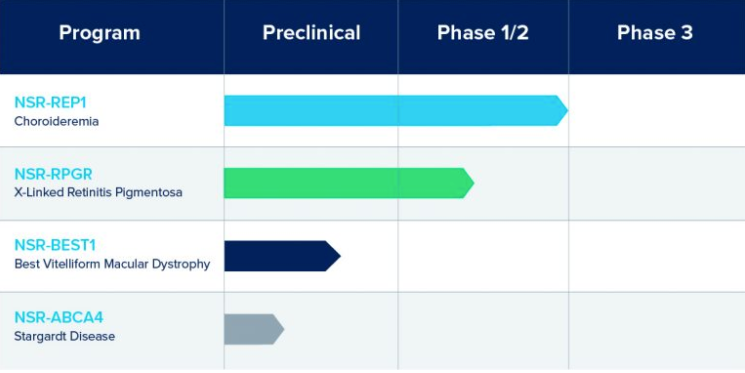
Their mission is to maintain and restore sight in patients with inherited retinal diseases and they shared information about four projects currently in their pipeline to treat these inherited retinal diseases: Choroideremia, X-linked Retinitis Pigmentosa (XLRP), Best Vitelliform Macular Dystrophy (MD) and Stargardt disease.  

Choroideremia a degenerative, X-linked genetic retinal disorder primarily affecting males is expected to enter stage 3 clinical trials in early 2018.  Very exciting news!  

Table showing preclinical to phase 3 for Choroideremia, X-linked Retinitis Pigmentosa (XLRP), Best Vitelliform Macular Dystrophy (MD) and Stargardt disease

Their website includes helpful overviews of the four diseases for which they have projects, and some great videos as well.  If you are interested in learning more about their research or upcoming clinical trials, there is also a sign up form for patients and families here.  

As always, I’m encouraged to meet a company that is dedicated to finding treatments for rare inherited retinal diseases, and I look forward to hearing more about their work in 2018!

Successful Strategies for Patient Organizations

Your voice counts! Lawmakers on the state level need to hear from people living with Leber congenital amaurosis (LCA) and other rare diseases to help secure funding for research, patients’ needs, costs associated with living with a rare disease and accessibility on all fronts.

Your voices and those of organizations representing the rare disease community need to be heard by your state senators and representatives now to prevent elimination or reduction in funding, especially in these times of tight budgets.

This advice came during a conference workshop – Successful Strategies for Patient Organizations – at the recent 2017 Rare Disease & Orphan Products Breakthrough Summit presented by the National Organization for Rare Disorders (NORD).

Rare diseases number more than 7,000. You can make a difference because of the power in numbers. Start making contacts now as we approach Rare Disease Day on Feb. 28, 2018. Plan to combine efforts with other rare disease organizations in your state and rally for cures, regardless of the disease/gene that you represent.

Rare disease community members represent 10 percent of legislators’ constituents. Know that number before you meet. For instance, if 20,000 people live in your district, 2,000 live with rare diseases.

The legislators in any state’s capital, work for you. Don’t be intimidated; realize the impact you can have by reaching out and/or meeting with your representative or senator. Research them in advance online, find out on which committees they serve, when and where they are in session, and contact their offices regularly.

For instance, in Connecticut, the Human Services Committee  has jurisdiction over all matters relating to the Department of Social Services and would include services for the rare disease community.

Meeting with legislators or their staff does not have to happen at their offices. Build a relationship by inviting them to key events and meeting them at theirs. Always say hello so you stand out from the crowd. Keep calling and keep emailing.

Tell them your personal rare disease stories. Talking from the heart has impact. Even if they oppose your proposals for legislation, they’ve heard your story and you’ve offered them a worthwhile perspective that in the end may help change their minds.

Brings notes to keep on-point. Avoid making your pitch sound too complex and don’t share irrelevant information. Leave behind business cards and notepads or pens imprinted with your organization’s logo. Follow up the meeting with a thank-you card and a phone call.

Also, your best friends in the world of lawmakers are their staff members. Staffers keep track of legislators’ calendars and decide when meetings take place. If you do secure a meeting with staff and not the legislator, don’t be insulted as this often is the first step in meeting with a lawmaker in person. Staffers will relay your key points.

Remember, legislators want to do a good job representing the people in their district. They do that by receiving pertinent information from you and your organizations so they can make a difference by developing, sponsoring and enacting legislation beneficial to our rare disease community.

Simon Wheatcroft: The Power of Pushing Through

Simon Wheatcroft held his audience spellbound at the Global Genes conference in California where he detailed his journey from losing his sight as a teen-ager due to retinitis pigmentosa to competing in ultramarathons and overcoming many obstacles in between.

Simon recounted his amazing life experience at the Hotel Irvine in Huntington Beach, Calif., during the 6th Annual Global Genes RARE Patient Advocacy Summit on Sept. 14 and 15. More than 700 patients, caregivers, advocates and rare disease stakeholders gathered to share, learn and connect.

Simon, the conference’s opening keynote speaker, shared his journey of adapting technology, specifically on his smartphone, to achieve what seemed like impossible personal goals of learning to run solo outdoors. In his message of “Adaptability in the Face of Adversity,” Simon said he lost his sight at 17 due to retinitis pigmentosa, and seven months later, he ran his first ever race – a 100-mile road race.

Ultramarathons – races more than the traditional 26.2-mile marathon – present extreme physical and mental challenges for anyone, but with his loss of vision, Simon faces more complex obstacles. He trains with guide runners and uses memorization and technology.

To run solo, Simon forms a map of the area by using the smartphone app, RunKeeper. He memorizes the

Simon Wheatcroft running
Simon Wheatcroft held his audience spellbound at the Global Genes conference in California where he detailed his journey from losing his sight as a teen-ager to competing in ultramarathons and overcoming many obstacles in between.

course and applies course feedback from the app about his pace and distance. Now, with so much experience running solo, he has adapted to various courses and uses the app less often.

Simon, who is 35, said he believes his feelings of freedom and independence from running solo “far outweigh any anxiety over dangers. My successful footsteps must be something like 99.999%, and there’s just that one every now and again that goes wrong. I try to concentrate on the millions that go right rather than the 10 or 15 that go wrong.”

Simon taught all of us at this exceptional conference the power of pushing through and endurance, lessons that can help all of us in overcoming any adversity.

For more on Simon, click here.