2018 LCA Family Conference Presentations

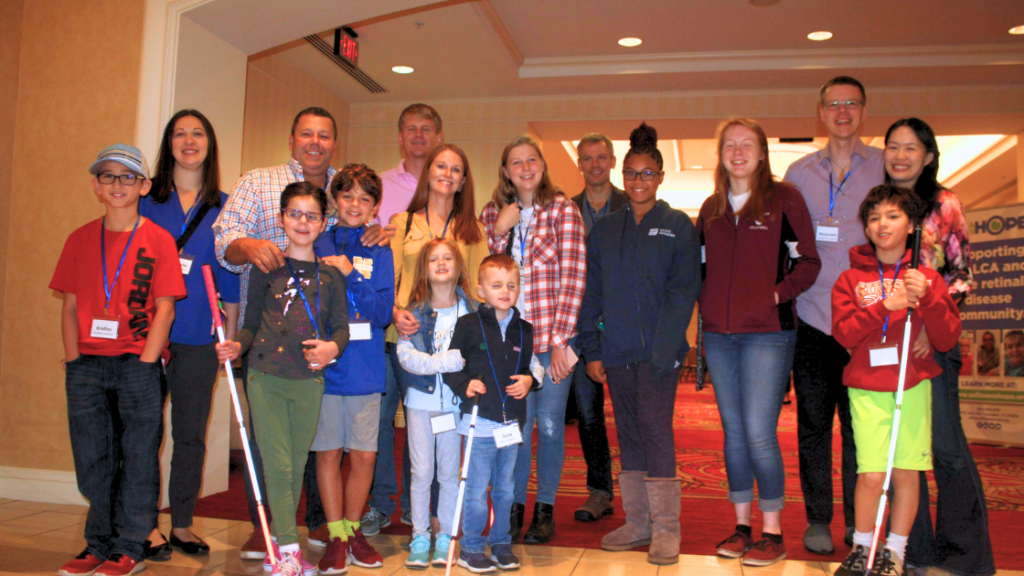
Children with canes and their parents smiling
2018 LCA Family Conference Attendees

On October 5-6, 2018, Hope in Focus (formally Sofia Sees Hope) held its first Family Conference for LCA and IRD families and caregivers. Thank you to all who attended and thank you to our sponsors, who made it all possible!

This event was the culmination of our first five years of work and fulfills our mission to connect LCA and IRD patients and families to researchers, industry experts and others who are keenly interested in LCA and and rare inherited retinal diseases. The goal of this conference was to get you excited about advances in research, deepen your understanding of the roles various organizations play in developing treatments, and provide insight into how an active patient community can support and accelerate treatment.
Below is the description of the panels and included are the presentations given by some of the speakers.

IRD Milestones: Reasons to Be Excited

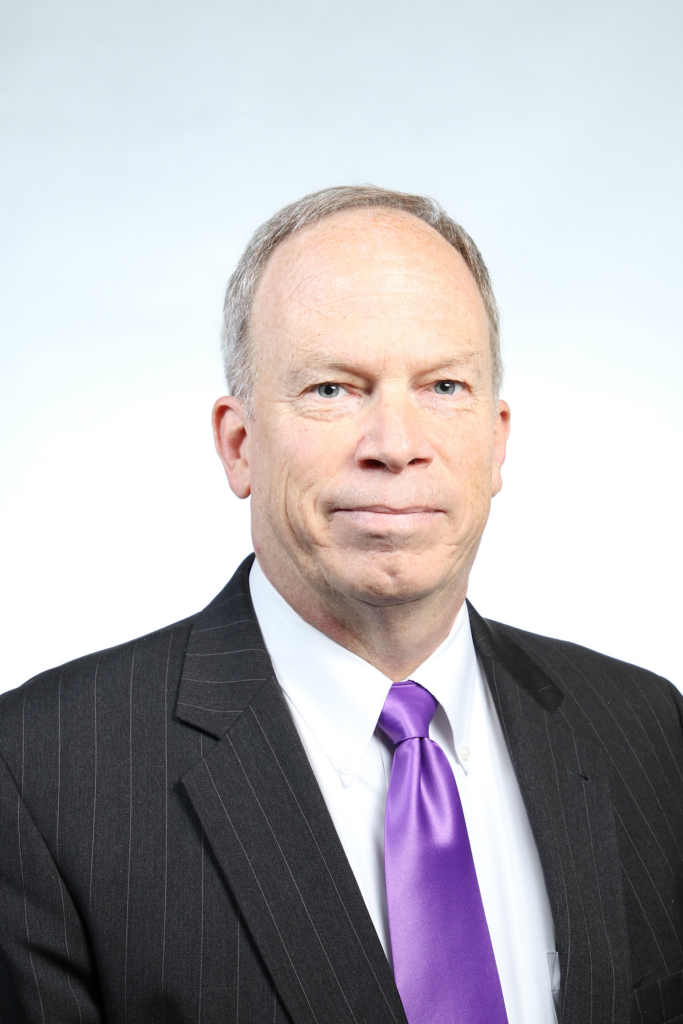
Dr. Brian Mansfield, Senior Vice President of Research, Foundation Fighting Blindness

At no time in history has there been more promising research applied to genetically inherited eye disease.
Hear from our partners at the Foundation Fighting Blindness about how much easier it is today to access
genetic testing and genetic counseling and the exciting research and trials that are underway.

Download the presentation.


Moderator: JEFFREY FINMAN, Jupiter Point Pharma Consulting, LLC, Board Member, Sofia Sees Hope
Panelists: • DR. WILEY CHAMBERS, Supervisory Medical Officer in the Office of New Drugs at the FDA
• JENNIFER HUNT, Vice President of Clinical Operations, Editas Medicine
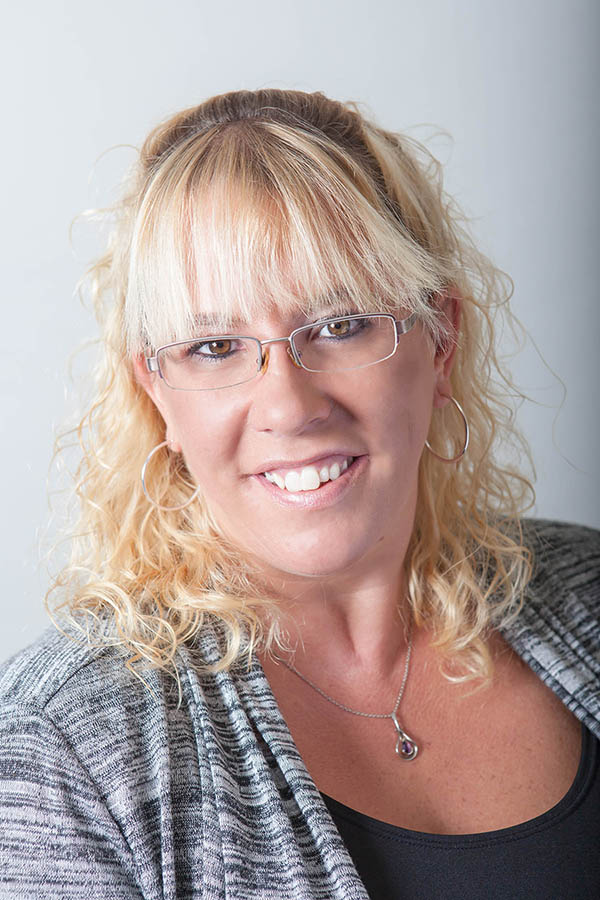
• TAMI MOREHOUSE, Phase 1 RPE65 Trial Subject RPE65 genetic therapy trial

From research to federal approval, what does it take to develop and approve a new treatment for rare disease? We’ll explore the regulatory, clinical, and industry aspects so you have a deeper understanding of what is involved in developing treatments, including how rare disease is different.

Download Dr. Chambers’ presentation.

Download Editas presentation.


Thank You to these speakers and organizations for their participation!

  • Kristen Angell, Associate Director, Advocacy, National Organization for Rare Disorders (NORD)
  • Beth Borysewicz, TVI for State of Connecticut and Sofia Sees Hope Board Director
  • Dr. Wiley Chambers, Supervisory Medical Officer in the Office of New Drugs at the U.S. Food and Drug Administration
  • Michael & Sela Cornell, Father and daughter from Chicago
  • Jill Dolgin, Head of Patient Advocacy, AGTC
  • Jeffrey Finman, Jupiter Point Pharma Consulting, LLC and Sofia Sees Hope Board Member
  • Jennifer Hunt, Vice President of Clinical Operations, Editas Medicine
  • Dr. Brian Mansfield, Senior Vice President of Research, Foundation Fighting Blindness
  • Tami Morehouse, Phase 1 RPE65 Trial Subject RPE65 genetic therapy trial
  • Jamie Ring, Head of Patient Advocacy, Spark Therapeutics
LCA Family Conference: The Role of the Patient Voice

Hope in Focus (formally Sofia Sees Hope) is holding its first LCA Family Conference on Saturday in Groton, CT. This event is the culmination of our first five years of work and fulfills our mission to connect LCA patients and families
to researchers, industry experts and others who are keenly interested in LCA and and rare inherited retinal diseases.

The goal of this conference is to provide updates about advances in research, deepen understanding of the roles various organizations play in developing treatments, and provide insight into how an active patient community can support and accelerate treatment.

We are pleased to welcome Jamie Ring, Head of Patient Advocacy, Spark Therapeutics; Jill Dolgin,
Head of Patient Advocacy, AGTC; Kristen Angell, Associate Director, Advocacy, National Organization for Rare Disorders (NORD) to our panel, “The Role of the Patient Voice in Developing Treatments for Rare Disease.”

Kristen Angell took a few minutes recently to chat with us about her work.

Kristen Angell headshot
Kristen Angell, NORD

Angell’s devotion and exuberance in her work with people with rare disease is literally in her DNA. A graphic designer by trade, life carried her in a different direction when she began volunteering for local non-profits. Shortly after, when her mother was diagnosed with breast cancer, Angell “dove in feet first.”
Then her father was diagnosed with stage 4 pancreatic cancer. Her cousin, who is her best friend, has cystic fibrosis, and later her sister was diagnosed with a rare blood cancer.

“Rare disease has always been common in my family,” she said. “Rare diseases in general don’t have a lot of research and funding, so I ran with that and began networking and started learning about rare diseases. I decided I wanted to do more in the community. I had a passion for patient advocacy.”

Before joining the National Organization for Rare Disorders (NORD), Angell got her first taste of volunteer advocacy when she worked on federal legislation resulting in the 2012 Recalcitrant Cancer Research Act requiring the National Cancer Institute to develop scientific framework for pancreatic and other deadly cancers.

Angell, NORD’s Associate Director of Advocacy since 2014, works with rare disease patients, families, industry leaders, medical professionals and legislators spanning the 50 states on public policy and advocacy initiatives to improve the lives of those affected by rare disease.

Angell runs NORD’s Rare Action Network that has 5,000 members nationally and ambassadors in 31 states. NORD, a voice for the 30 million Americans with rare diseases, is the official U.S. sponsor of Rare Disease Day, which takes place the last day of February each year.

She works to empower patient advocates, making sure they have the tools and resources to educate the community and to join the Rare Action Network. She helps advocates set up meetings with elected officials and overcome their fear of talking to policy makers.

She said it warms her heart that she can help her family and others who live with rare disease.
“I literally say I am one of the luckiest people,” she said. “I have the best job and I look forward to going into work each day.”

LCA Family Conference: The Road To Treatment

Hope in Focus (formally Sofia Sees Hope) is holding its first LCA Family Conference on Saturday in Groton, CT. This event is the culmination of our first five years of work and fulfills our mission to connect LCA patients and families
to researchers, industry experts and others who are keenly interested in LCA and and rare inherited retinal diseases.

The goal of this conference is to provide updates about advances in research, deepen understanding of the roles various organizations play in developing treatments, and provide insight into how an active patient community can support and accelerate treatment.

We are pleased to welcome Jeffrey Finman, Jupiter Point Pharma Consulting, LLC, Board Member and

Sofia Sees Hope; Dr. Wiley Chambers II, Supervisory Medical Officer in the Office of New Drugs at the FDA; Jennifer Hunt, Vice President of Clinical Operations, Editas Medicine; Tami Morehouse, Phase 1 RPE65 Trial Subject RPE65 genetic therapy trial, to talk about the The Road to Treatment: Understanding How Therapies Are Developed.

Dr. Chambers took a few minutes recently to chat with us.

Dr. Wiley Chambers II, MD headshot
Dr. Wiley Chambers II, MD

Wiley Chambers planned to join his ophthalmologist father in Connecticut after his residency at George Washington University Medical Center. But word got around the Washington, D.C., medical community that the Food and Drug Administration had no ophthalmologists; he thought he’d give the job a try for a year or two. He could always go to Connecticut.

Thirty-one years later, and having married a lobbyist along the way, Chambers remains in D.C. at the FDA where he has held multiple positions that have all included reviewing ophthalmology products. He has received numerous Public Health Service, FDA and Center for Drug Evaluation and Research awards for his work at the agency. Since 2011, he has been Deputy Director of the Division of Transplant and Ophthalmology Products, Office of New Drugs, in the FDA’s Center for Drug Evaluation and Research. As a Supervisory Medical Officer, he is usually the final person to review and sign off on new proposals before the beginning of clinical trials.

The FDA is involved anytime anyone wants to use an unapproved drug in humans or an approved drug for a different use in humans.

Chambers has clinically reviewed more than 100 ophthalmology drugs that have received FDA approval, including the first gene therapy “done inside a person,” as he said, in the form of LUXTURNA™, approved in December. The drug is a human-engineered virus, injected under the retina in the back of the eye, which contains a healthy version of the RPE65 gene that causes blindness in patients with Leber congenital amaurosis (LCA).

You won’t hear Chambers describe LUXTURNA as groundbreaking or extraordinary. He does not care for the superlatives, because every product that helps an individual is important to the person that it helps. Instead: “If it’s safe and effective, that’s what I care about most.”

In the study process, he said, reviewers and the company that makes LUXTURNA, Spark Therapeutics, ultimately came up with a maze for patients to navigate. “The issue was not how quickly you got through it. The issue was, could you navigate the maze in a lower level of light?”

He called the review and approval process of the medication “routine,” except for the endpoint.
“The endpoint was different than one we used for any other drug product – the ability to navigate in low light. We had never approved something for that before.”

Ultimately, Chambers says, his goal is to have cures, saying “Treatments are OK, but I’d much prefer cures.

LCA Family Conference: IRD Milestones

Hope in Focus (formally Sofia Sees Hope) is holding its first LCA Family Conference on Saturday in Groton, CT. This event is the culmination of our first five years of work and fulfills our mission to connect LCA patients and families to researchers, industry experts and others who are keenly interested in LCA and and rare inherited retinal diseases.

The goal of this conference is to provide updates about advances in research, deepen understanding of the roles various organizations play in developing treatments, and provide insight into how an active patient community can support and accelerate treatment.

We are pleased to welcome Dr. Brian Mansfield, Senior Vice President of Research with Foundation

Fighting Blindness, who will speak on “IRD Milestones: Reasons to Be Excited.”

Mansfield joined the Foundation Fighting Blindness a little more than seven years ago and, while he was excited about his new job, he lamented the absence of therapies for genetic eye diseases.

Dr. Brian Mansfield headshot
Dr. Brian Mansfield

For years, affected people were told: “Go home and learn Braille; there’s nothing we can do for you,” he recalled. But the foundation was committed to changing that message.

A mere seven years later, the treatment landscape for inherited retinal diseases (IRDs) has changed dramatically, with multiple clinical trials offering patients hope and improved vision.  When FFB started 47 years ago in 1971, researchers were just at the very start of understanding the complexities of IRDs and had little knowledge about the genetics of the diseases.

Now, Mansfield said, more than 260 genes are involved in these diseases, and probably more. “We’re learning about the genetics of the diseases all the time.”

As Senior Vice President of Research, Mansfield implements the foundation’s scientific research strategic plan and leads scientific assessments of new technologies, treatments and therapies for retinal degenerative disease. He also leads the My Retina Tracker patient registry team and the foundation’s genetic testing study.

“The challenge for me is to see how we can try and continue this program,” he said. “It’s a very expensive program. It’s a very valuable program.”

People registering take an active role in advancing research to find treatments and cures for specific rare inherited retinal diseases, affording the opportunity to join others and “stand up and be counted.”

The foundation’s expanded testing program, helped in part by a $65,000 donation from Sofia Sees Hope, came soon after the Food and Drug Administration’s December approval of LUXTURNA™, which treats people with Leber congenital amaurosis (LCA) and a mutation of the RPE65 gene. Developed by Spark Therapeutics and decades in the making, LUXTURNA is the first genetic therapy for an inherited retinal disease and the first genetic therapy for ANY inherited disease in the United States.

“I’m optimistic about how the field has changed so dramatically, from a lack of knowledge of what causes retinal disease, to actually have a treatment. This has really been a rapidly changing and exciting time.”
Mansfield said he hopes continued successes will one day bring treatments and cures for all retinal diseases.

“We’re committed to soldiering on, to drive research, to get those solutions for everyone,” he said. “It’s a big job, but if people aren’t pushing for it, it doesn’t move.

“It takes time to get there, but it does happen. It takes lots of money and research and the role of our foundation is to make sure we can maintain that momentum.”