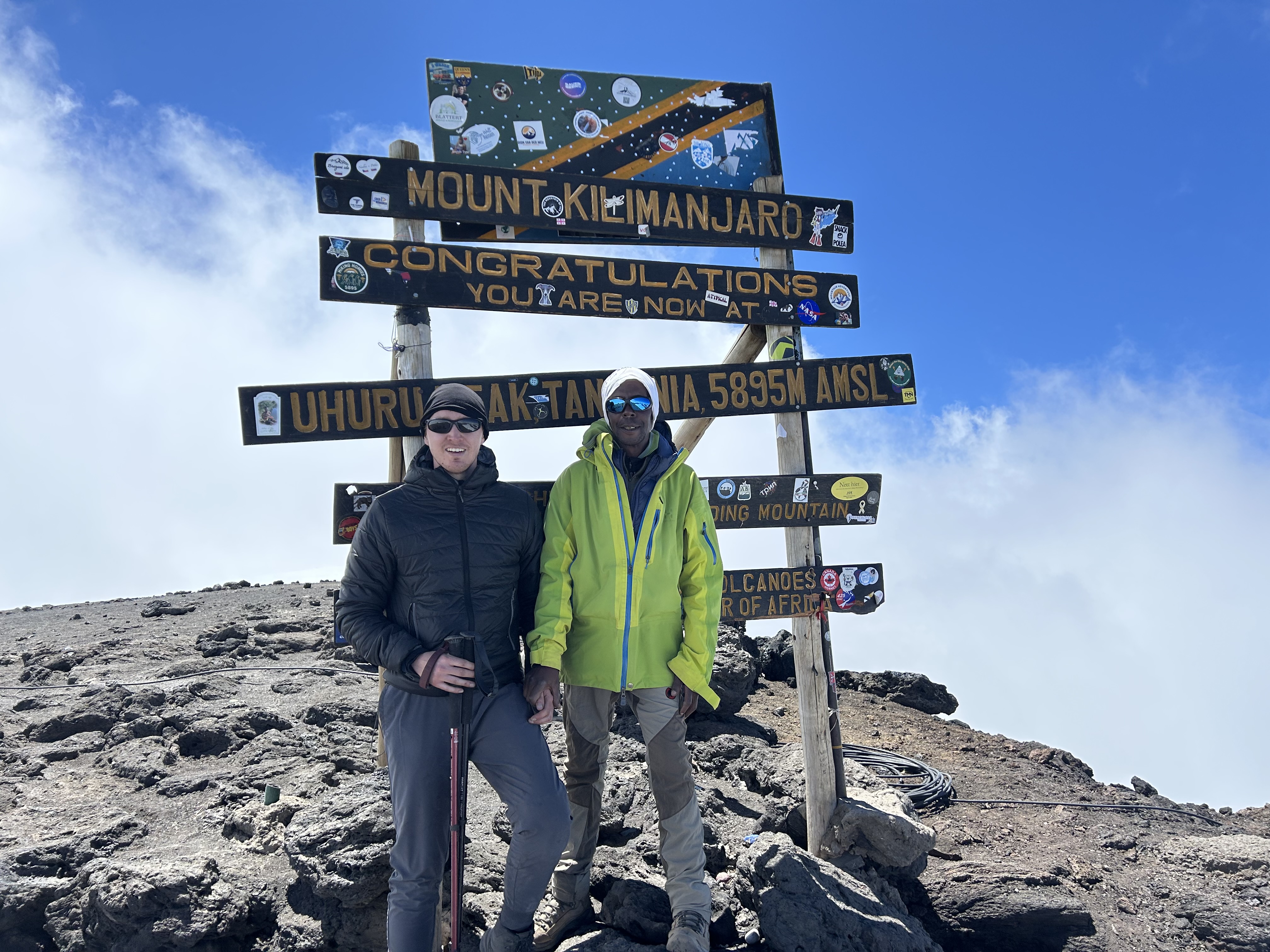
Throughout my life, I’ve pushed my body to do some incredible things—from wrestling in high school to running a marathon to later backpacking in the wilds of British Columbia. But on October 7, 2025, I literally reached new heights as part of a group of nine legally blind individuals who successfully summited Tanzania’s Mount Kilimanjaro. Our group set a world record for the largest number of legally blind climbers to reach the mountain’s summit in a 24-hour period!
Jack with guide on Mount Kilimanjaro
As the biggest mountain in Africa and the highest freestanding peak in the world, Kilimanjaro is challenging for everyone. It took seven days of grit, fatigue, and trust in our guides to reach the point where we began the final climb to the top. The physical strain left my body aching, and altitude sickness gave me one of the worst headaches I’ve ever had. Sleeping in a tent in freezing conditions was wearing, and I quickly missed hot showers. Within twenty minutes of starting our ascent, I lost count of the rocks I had to climb over. Being legally blind required my full concentration. I had to carefully probe the ground ahead with my hiking poles before each step and listen intently to my guide’s directions, alerting me to constant obstacles along the trail.
I also experienced many challenges. On day three, I had severe dehydration and nearly fainted trying to make it to the washroom in the night. Reaching the summit meant experiencing oxygen levels as low as 47 percent, leaving me breathless every few steps. The descent was no less demanding, for hours I slid down loose gravel, followed by two days of climbing down rocky terrain on tired legs.
Getting to the top of this famous mountain was worth it, but I’d be lying if I said I wanted to do it again. You might be thinking this sounds like a great adventure and wonder how you might do something like this. Or, maybe you’re wondering how we safely accomplished the climb.
The answer is simple—with a lot of support from local experts. We partnered with Nana Safaris, a tour company experienced in guiding legally blind climbers, which matched each member of our group with a local guide. My guide, Thomas, was certified by the Tanzanian government and had summited Kilimanjaro 370 times before our climb. Before setting out, we discussed how he could best assist me. Throughout the trek, Thomas carefully led the way, holding one of my hiking poles so I could sense the path ahead. He gave clear verbal directions and, in high-risk sections, had me hold on to a rock or showed me exactly where to step by placing my pole. Thanks to his expert guidance, I always felt safe.
Challenging adventures like this are possible with proper planning and support. If you’re considering climbing Kilimanjaro or visiting Tanzania, Nana Safaris is the most experienced company for supporting people with disabilities. We documented our journey and will be releasing a documentary about our adventure—follow us on Facebook to stay updated.
As someone with a visual impairment, I’ve learned the importance of choosing accessible environments. I recently purchased my first home and wanted to share some lessons I learned about accessibility and the home-buying process.
One of the most important decisions anyone makes when selecting a home is picking a real estate agent who understands your needs and desires. Of course, you want someone who knows your local market and won’t pressure you to make a decision you aren’t ready for. But as someone living with a visual impairment, I also wanted an agent who had experience helping people with disabilities find a home. I started by speaking with a few agents who mentioned having this expertise on their websites, but I did not find anyone I felt comfortable working with.
The Right Agent
Thankfully, I asked a friend who is also visually impaired and who had recently moved. He had an excellent referral for an agent whom I contacted and chose to work with. Because of my real estate agent’s knowledge and experience, he was able to help me narrow my search by eliminating areas with poor public transit or limited businesses within a walkable distance. He also helped me identify features that would make my life easier as a visually impaired person, such as green space for my guide dog, nearby access to trails making it easier for me to run with a guide, easy-to-use appliances, and lots of lighting.
I looked at a lot of properties, and it was overwhelming! As I searched, I also discovered several things that would make my life better. I eliminated properties that required renovations. I’m not handy and have no interest in supervising a construction project. I also excluded properties on busy roads because it’s much easier for me to navigate quieter spaces, and I like to avoid noise as much as possible.
Adding Accessibility
I ended up purchasing a first-floor condo, which provides for trouble-free maintenance. It has a large patio, making it easy to take my guide dog outdoors, and it allows me to be outside as much as possible.
Once I moved in, there were a few things I needed to do to make my new home more accessible for me. Some rooms were not as bright as I wanted, so I purchased the brightest LED lightbulbs I could find. I was also tired of having thermostats that I could not control independently. Thankfully, there is a wide selection of thermostats that you can control with an app on your phone. I got an EcoBee thermostat and found the app fully accessible. Finally, I put Braille labels on all my appliances so I can use them independently. The Braille Superstore is a great place to get a Braille label maker and other stickers/labels to make your home more accessible.
I’m thrilled to have my own home and to live in an accessible and comfortable place. I hope my experience gives you some ideas regarding purchasing a home and how to make it more accessible for you or a loved one.
“If someone told me that having access to perfect vision tomorrow meant not having impaired vision for my entire life, I would not change the past. While my visual impairment has created many challenges, it has shaped who I am and influenced me in many positive ways. I’ve become more resourceful, compassionate, creative, and resilient.” —Jack McCormick
Jack McCormick lives a story of hope, tenacity, and measured success while embracing an unknown visual future. When Jack was two, a diagnosis of cone-rod dystrophy confirmed that he had impaired vision. As a teenager, genetic testing revealed that he had Leber congenital amaurosis type 2 (LCA2), due to a mutation in the RPE65 gene and that he was losing his vision. This form of LCA interferes with the production of the RPE65 protein affecting the eyes’ ability to process Vitamin A, leading to progressive vision loss. “It was tough to accept. I was only 15 and thought my life would be a certain way. Now, it was going to be different,” Jack recalled.
Fast-forward to 2022, when Jack, now 25, was treated with LUXTURNA®, a gene therapy for RPE65, becoming the first Canadian to receive a gene therapy. But his journey to treatment involved overcoming substantial hurdles with the Canadian healthcare system, even as his sight declined.
To have a chance for treatment, Jack realized he had to advocate for LUXTURNA® to be available in Canada. “I wrote letters to Parliament and was interviewed on national television to create awareness and to help expedite the process,” he explained. “My vision was getting worse every time I visited the eye doctor, and my window as a viable patient for this treatment was quickly narrowing.”
Even after clearing the bureaucratic obstacles and identifying a hospital and qualified surgeons, there was still no clear path for funding the expensive treatment. “There was a year lag between Health Canada approving LUXTURNA® and my lining up private funding,” he said.
While Jack wanted the treatment, the immediate or long-term outcomes were not guaranteed. His doctors set his expectations sufficiently low, saying he might see a little better in dim lighting. “My goal was to have stable vision for longer,” he said.
Jack finally received the treatment in March 2022. But the surgery was not easy. It took a long time to recover, and the effects were not immediate. His eye with the poorest vision was treated first, and the second eye was treated two weeks later.
“It is important to be realistic about the surgery. They’re injecting an air bubble and a drug into your eye. There are incisions with microscopic stitches that rub against the eye, causing an intense headache,” Jack said. “I was on my back for the first 24 hours. Later, I had to prevent putting pressure on the eye and couldn’t bend over.”
Another huge challenge was having to quickly decide after the first surgery whether to pursue the treatment for the right eye. “With my left eye, it took a week to see what I saw before the surgery,” he explained. “A few days later, my doctors began talking about the next surgery, and I still wasn’t seeing better. It was very stressful and resulted in multiple conversations with my ophthalmologists about whether to proceed.”
After weighing the risks, Jack chose to have his right eye treated. “At that point, my goal was to see as well as I did before the surgery and, ideally, a little better,” he said. “I’m very happy I did it because the treatment made a much bigger difference for my right eye.” His doctors were also pleased when testing showed vision improvement in dim lighting and an increase in color detection.
“Before the surgery, I didn’t see much walking around the city at night. Now, I might notice someone passing me. I can also see the lines of a crosswalk,” he said. “For me, these improvements are huge!” It’s unknown how long these changes will last, but it’s a future Jack is willing to live with.
His advice for people seeking treatment is to be persistent. “My obstacles were fighting the government and finding a way to pay for the treatment privately,” Jack said. “It’s also vital to find a community. It’s one thing to be a visually impaired person saying that I need this treatment. But it is much more impactful when a group says the same thing and gets others to care about it. Allying with organizations like Hope in Focus helps unite our voices while providing much-needed support and education.”
Jack McCormick graduated in 2018 from Canada’s Wilfrid Laurier University in Waterloo, Ontario. He was diagnosed in high school with LCA2 RPE65. Jack is a Hope in Focus ambassador, helping people living with LCA and IRDs. You can read his blog at jackdamccormick.wordpress.com
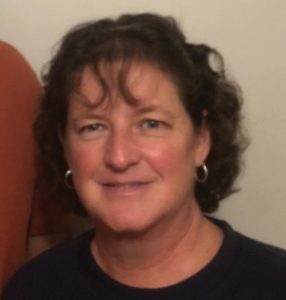
Tami Morehouse is grateful for improved vision after undergoing groundbreaking gene therapy treatment at age 44 for LCA2 RPE65, but at times she still is sad and disappointed at the difficulties presented to her as a person with some functional vision, but who cannot see well.
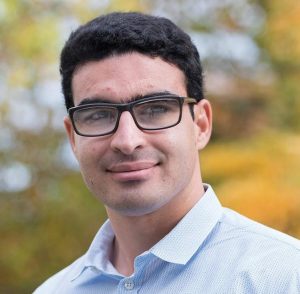
Mohamed Farid found life living with LCA5 more challenging as a child than as an adult, especially before screen readers and other assistive technology. The young professional also remembers growing up and his grandmother spending a lot of time convincing him he couldn’t be a pilot.
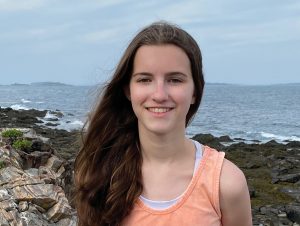
Mirielle St. Arnaud, a junior in high school living with LCA caused by a mutation in her IQCB1/NPHP5 gene, tries to get involved with clubs and activities to ward off struggles with socializing. She learned to adapt to change and said her experiences with vision challenges have been good.
Tami, Mohamed, and Mirielle talked about their day-to-day lives, challenges, and feelings at our 2023 LCA Family Conference* in Indianapolis in late June. They took part in a panel discussion called Living with LCA, moderated by Beth Borysewicz, an educational consultant with the Connecticut Department of Aging and Disability Services with Bureau of Education Services for the Blind.
These three people – an LCA research pioneer, a young professional, and a high school student – help illustrate the manifestation of research advances and assistive technology in the last decade or so.
Here is what they shared with more than 100 people convened for the third Hope in Focus LCA Family Conference.
***
Tami Morehouse
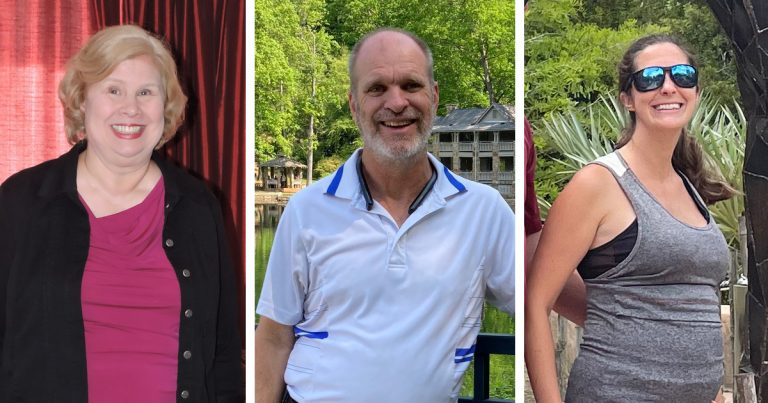
Tami, 59 and from the Cleveland area, is thankful to see with more brightness following her participation in a pioneering clinical trial for what now is known as LUXTURNA®, the only federally approved treatment for one of the 27 identified forms of LCA – LCA2 RPE65.
She gained some vision in 2009 and 2010, when she received the treatment under development by Spark Therapeutics.
“My whole world was a lot brighter,” she said.
She could see a cup on the table, gorgeous sunsets, the lush green of spring, and details in the faces of her three children. It also improved her parenting skills.
“Mom can see things now,” she joked. “It’s bittersweet in our world.”
She also feels she lives in a kind of limbo between seeing and not seeing. She wished and still wishes the public would be more receptive to her being between having sight and not having sight, rather than completely blind.
Tami Morehouse
Tami’s world has widened, and she enjoys much happiness since receiving the gene therapy. She is a Hope in Focus Ambassador, working with our Family Connections program, reaching out to people living with LCA, offering them comfort and kindness. The research pioneer works as an information and referral specialist for 211 in Ohio.
People in the LCA community, like others dealing with a rare disease, experience anxiety, depression, and social isolation.
Tami opened up at the conference, sharing struggles to maintain mental wellness.
She experienced a lot of awkward moments and has worked at becoming comfortable with who she is as a blind person.
“There are so many times when I’m very sad and disappointed about my limitations. There are a lot of barriers in the way and that’s hard to take.”
She misses experiences she could have had with her children and husband and parents.
“Those are just facts of life. Those are my facts, but I think many others go through the same.
“Sometimes we just feel the burn.”
***
Mohamed Farid
Mohamed Farid navigates life with LCA deftly, now that he is an adult.
“It’s harder growing up. It’s easier when you’re older.”
Life became easier with innovative technology, such as screen readers and other optical character-recognition technology that extracts and converts data into a machine-readable form.
“It’s all about assistive technology,” he said.
Mohamed Farid
The 36-year-old founded MKF Continuity, a middle-market investment firm in Chicago. He earned an MBA from Harvard Business School.
There was a time when he was running away from his blindness.
“Now, I’m just ‘whatever’. I need to be independent. It’s important for my dignity. I don’t want to be relying on people.
“Every once in a while, I think the world is unfair,” he said, but over time he’s developed self-acceptance and is at peace with his blindness.
He compared his moving through life now not even thinking about his blindness to his perception of his vision as a child.
“My grandma had to spend a lot of time convincing me I could not be a pilot.”
In contrast, as an adult at his workplace, people think he can create slide presentations.
Mohamed said his blindness has made him strong, describing himself as “alert, scrappy, and resilient.”
***
Mirielle St. Arnaud
Mirielle St. Arnaud, a 16-year-old from the Chicago area, said she’s dealt with people who assume she’s not a capable person.
“We’re probably more resourceful than you think,” she said.
Mirielle is a junior in high school, where she runs on the cross-country team with a guide and is a captain of the Congressional Debate team.
Mirielle St. Arnaud
She learned to advocate for herself and set boundaries for others.
Mirielle worked at her difficulties with socialization at school by getting involved in the blind and sighted communities, whether through summer camps or extra-curricular activities, and by meeting as many people as she can.
“At some point, you’ll find your people who will understand you.”
She characterizes her ability to see as “Swiss-cheese vision.”
At school, she collaborates with an advocate throughout the year, using an Independent Education Plan as a guide.
Mirielle said vision specialists collaborating with her schools have been especially helpful along the way. She’s worked with Teachers of students with Visual Impairments, who are educators with expertise with the visually impaired, and Orientation and Mobility specialists, who teach safe and effective navigation through environments.
“I’ve had pretty good experiences,” she said.
***
Wrapping up the session, panelist Mohamed Farid left the audience with this message:
“Our journey can be bumpy. Don’t ever give up hope.”
*Please go to our Hope in Focus website to see three more stories detailing sessions from our 2023 LCA Family Conference. Click here to see a video about the conference.
Three people who received diagnoses of Leber congenital amaurosis (LCA) in recent years – but lived most of their lives thinking they had retinitis pigmentosa (RP) – gave us the opportunity to hear their stories at a special session of the VISIONS 2022 conference this summer.
An RP diagnosis is currently given to patients with photoreceptor degeneration but good central vision within the first decade of life; an LCA diagnosis is given to patients who are born blind or who lose vision within a few months after birth.
Ultimately, though, that difficulty did not hold back these individuals from creating happy and productive lives because they did not allow their blindness to define them.
Linda Joy Wirth, Russ Davis, and Emily Townsend Cobb
Linda Joy Wirth
Blind since birth, Linda Joy Wirth, now 75 and living in Lakewood, Colo., was diagnosed with RP in the 1960s. Because she was told from an early age that nothing could be done for her blindness, she stopped thinking about her diagnosis and focused on her education, marriage, and children.
Then she thought: “You can never cure something if you can’t diagnose it.”
In the 1990s, she sought out a highly recommended doctor who treated her with a strong dose of cruel words.
“ ‘You’re blind. What do you want me to tell you?’ ” she recalled the doctor saying. “I was so distraught by the visit; I did not go back to the doctor for years and years and years.”
About 10 years ago, though, she went to a Foundation conference, where she received a referral to a Denver retinal specialist by the name of Dr. Alan Kimura, who changed her life.
“When I finally saw Dr. Kimura, I said I don’t even know why I’m here. I walked out two hours later, and I was walking on cloud nine. It’s so important to have the right retinal doctor.”
Dr. Kimura told her she had LCA. Genetic testing gave her a confirmed genetic diagnosis of LCA10, caused by mutations in the CEP290 gene.
Linda encourages people to get genetically tested to pinpoint the diagnosis, and then, like her, to be aware of the possibility of participating in a clinical trial to advance research into treatments and cures.
People told Linda along the way that because of her blindness, she shouldn’t marry or have children or follow her passion for acting. And, of course, she heard those stinging words from that earlier doctor: “ ‘You’re blind. There’s nothing we can do.’ ”
Linda is a retired clinical social worker in geriatric long-term care, an actor in a theater company, a Foundation volunteer, a mother of four, a grandmother of seven, a motivational speaker, and the author of “Just Because I Am Blind Does Not Mean I Can’t See!”
Russ Davis
Russ Davis, 60, of Jacksonville, Fla., still gets confusing information about the cause of his rare inherited retinal disease.
“One minute I hear it’s probably LCA, or no, that it’s classic RP. I got that at the conference.”
Some retinal experts do consider LCA to be a severe form of RP.
In 2019, Russ received a genetic diagnosis of LCA2, caused by a mutation in the RPE65gene. Dr. Stephen Russell at the University of Iowa told Russ he could have RP or LCA.
“ ‘It could be either one,’ ” he recalled the doctor saying. “ ‘But at your age with so few retinal cells, we’re not going to know.’ ”
Russ said he’s a little frustrated with the lack of a certain label for the disease, but it’s not going to change his life.
“The blindness part, that’s fine. I am who I am. It doesn’t control my life. But I’d like to have answers.”
These days, Russ is going with LCA.
His vision loss occurred at birth. Growing up he could read a book with a bright light, ride a bike, and he enjoyed long-distance running.
“I could see most everything, except at night when everything disappeared. When the sun went down, I was toast,” he said. “There was nothing there. There was darkness and light bulbs.”
His vision worsened early in his career in his mid-20s working for the State of Florida, looking for people who owed child support and wanted to stay missing. The job was fun for 30 years but about 10 years ago, with his vision getting worse and work getting harder, he retired.
Russ and his partner, Denise Valkema, were like a comedy team at the LCA session, riffing off each other’s words and making the Mix & Mingle group erupt in rounds of laughter.
Denise, who lives with optic nerve hypoplasia, which is an underdevelopment of the optic nerve, met Russ through the National Federation of the Blind. Denise served as NFB’s Florida Affiliate President for seven years.
They both serve on the organization’s board. Their priorities include working with Congress on myriad pieces of legislation to bring about better accessibility to medical care, computer technology, banking, voting, and more.
“The blind community is still not able to participate fully in society because we don’t have access to all the aspects of living that the sighted community has,” Russ said. “Try finding a talking blood pressure cuff.”
Russ advocates for people with diminishing eyesight, reassuring them that that life will go on.
“It’s all about your attitude. I try to tell them, no, that it’s not going to be easy. Lots of times, it’s going to be difficult. There are a lot of things to adjust to. You simply find new ways to do the things you were doing before.
“You can’t let your loss of eyesight define who you are or control you. You have to own it and not let it control you.”
And he lives his words.
“There’s so many times in life, you have the option to laugh or to cry, and I’m going to pick laughter. It would be very easy to pick the other one.”
Emily Townsend Cobb
With a 2½-year-old daughter, another one on the way, and a pediatric physical therapy career, we were lucky we had the chance to talk with Emily Townsend Cobb at the LCA session.
Doctors diagnosed Emily with RP at age 3. Now, 33, she received a confirmed genetic diagnosis in 2019 of LCA13, caused by a mutation in the RDH12 gene.
Emily is in that age group of people misdiagnosed for years before the advent of genetic testing.
“Thirty and over, that’s how it went,” she said.
Getting the confirmed diagnosis didn’t really change her life, especially because LCA13 research is in preliminary stages.
“Now I sit and wait for my number to be called,” Emily said, referring to the possibility of a treatment or cure for her form of LCA. “While we wait for all these things to happen, we have to live life.”
Emily’s husband, and her mom and dad accompanied her at the conference. Her father, Clay, introduced himself, saying, “Oh, I’m the proud father of two girls with RDH12 and I’d do anything to help them.”
As he broke into tears, his wife, Sue, leaned into him, saying, “He’s a crier.”
Without having to say much more, it became clear why Emily credits her family for their loving support and positive approach toward life.
She said she receives 150 percent support from her family.
“That support is so important for anybody, but especially if you have a disability.”
Doctors also diagnosed her 31-year-old sister, Ashley, with RP, and she later received a genetic diagnosis of LCA13 (RDH12).
Emily remembers reading newsprint as a pre-teen and playing soccer, but her vision profoundly worsened as a teen-ager, a tough time for any kid, but especially for her as she was losing her sight.
About the same time, she learned she had LCA but didn’t undergo genetic testing because genetic data was still being mapped out.
We talked with Emily after the session when she returned to her home in Jacksonville, Fla., where early on, she said, her mom set her up with a therapist who had RP, which helped build her confidence as a teen-ager.
She put off using a cane until college and in her sophomore year got her guide dog, a black lab named Fergie, now retired to pet life after 11 years of service.
“She’s currently snuggled up to me on the couch while I fold laundry,” Emily said as her little girl, Elora, napped.
Her second daughter is due in October. And, oh, did we mention she runs half-marathons and is a triathlete?
Emily takes part in triathlons with her husband, Ryan; they are tethered during the running and swimming races and ride a tandem bike for the cycling portion.
“If you ever want to test the strength of a marriage, blindfold one of you and tether to the other,” Emily quipped.
She and Ryan talked about the chances of their children being born with LCA. She recalled her husband saying, “ ‘Emily, if they’re going to end up as awesome as you, I want to.’ ”
They knew their children could be born with LCA, but they also knew the rarity of the disease. Emily said the chances of having a child with LCA are about one in 400.
“I’ll take those odds,” she said. “I’m pretty happy that I’m here.”
We learned about this research from Dr. Daniel C. Chung, Chief Medical Officer of SparingVision, an ocular genomic medicine company focusing on gene-agnostic or gene-independent therapy and gene-editing approaches to combat blinding diseases.
Dr. Daniel C. Chung
Hope in Focus featured Dr. Chung in its June 21, 2022, webinar episode titled “Let’s Chat About…Gene Independent Therapies for Rare Inherited Retinal Diseases.” Courtney Coates, Director of Outreach and Development, moderated the session which can be viewed here. “Let’s Chat About…” is our free webinar series bringing together researchers, advocates, industry leaders, and people living Leber congenital amaurosis (LCA) or other IRDs for conversations important to the rare retinal disease community.
Before his recruitment to SparingVision, Dr. Chung worked with Spark Therapeutics and focused on developing LUXTURNA®. The medicine injected under the retina became the first, and so far, only, gene therapy approved by the U.S. Food and Drug Administration (FDA) and the European Medicines Agency (EMA) for use in a blinding genetic disease called LCA. The drug targets IRDs due to variants in the RPE65 gene, known as LCA2 (RPE65), which is one of 27 identified forms of LCA, and helped improve vision in people who underwent the procedure that involves a subretinal injection of the medicine into each eye.
Dr. Chung served as the Ophthalmology Therapeutic Leader for Spark, where he led the medical affairs group and contributed to clinical development and operations, marketing, business development, patient advocacy, and preclinical research and development.
With more than 300 genes causing IRDs, and research underway involving myriad programs in academia and the biotech industry, Dr. Chung explained the focus of the company headquartered in Paris with offices in Philadelphia.
“What we are trying to do at SparingVision is to look at some of the ways we could do gene-independent approaches, which means we’re not necessarily correcting the genetic defect, but using other genetic parameters where we can help slow down the degeneration of disease in a gene-independent way.”
Slowing down retinal disease progression
Dr. Chung said one of the company’s preclinical research programs seeks to preserve cone function in people living with rod-cone dystrophies, concentrating on the most common form, retinitis pigmentosa (RP), which is a group of related eye disorders that cause progressive vision loss as the retina’s light-sensing cells deteriorate. The disease affects 2 million people worldwide, or about 1 in 3,500 individuals.
RP affects rod photoreceptors that provide periphery vision, along with night, dim light, and side vision, while cone photoreceptors in the middle of the eye provide the best visual acuity, color vision, and daytime vision.
The team, which also included Dr. Saddek Mohand-Said, was the first to hypothesize and demonstrate that rod photoreceptors produce a protein that rescues cone photoreceptors, thereby maintaining – and prolonging – light-adapted and high-resolution vision.
They discovered what they call Rod-derived Cone Viability Factor or RDCVF, produced by the NXNL1 gene, which has two forms – a short form and a long form.
“Basically, the short form is a survival factor,” Dr. Chung said, “a factor that occurs naturally in everyone’s eyes, where these rods cells that are on the periphery secrete a protein that attaches to cone cells, and through this long mechanism of metabolic activity helps to protect the cone cells and keeps them functioning and their structure moving forward. So that’s what happens normally.
“But in diseases where you have rod cell death, you don’t have that factor being produced anymore and that’s why it’s gene independent because it really doesn’t matter why your rods are dying. It simply matters that they’re not there to produce that factor and that factor’s necessary to keep your cones functioning, to preserve vision.
“So, by using gene therapy, we’re putting that factor, RDCVF, back into the eye of patients and hopefully we’re able to slow down the degeneration of their cones, and the cones are again for your central vision, your daytime and color vision, and we hope to be able to extend that a significant period of time. As you know, most RP types have a relatively slow degeneration, so if we were able to slow that down by 40 or 50 percent, you would have significantly longer usable vision.”
The gene produces two different factors, the secreted short form and another long form that acts as a powerful antioxidant. We’ve all heard about eating your blueberries and cranberries because they are healthy and high in antioxidants, he said.
“That’s something that works within the retina as well because the retina uses more oxygen than any other organ in the body by gram weight. And because of that, there’s a lot of reactive oxygen species that are produced and so you have to dampen those, and this is what we call the long form of RDCVF.
“The long form works by being a powerful antioxidant, so that coupled with the other property of the secreted form, the two act together to help cone survival.”
Restoring Cone Cell Function
SparingVision’s second research program focuses on another factor. Preclinical research under the guidance of SparingVision Chief Scientific Officer Dr. Deniz Dalkara deals with restoring function to cone cells that have lost the ability to function, but their cell body remains.
These dormant cones are viable cones with diminished outer segments that no longer respond to light, as such that the patients’ light response decreases, and they become unable to see. Since the phototransduction cascade – the process through which photons, or elementary particles of light, are converted into electrical signals, which allows for normal vision – occurs in the outer segment of the cones, these dormant cones are no longer capable of converting light into an electric signal, leaving patients with decreased vision and, as the disease progresses, blindness.
SparingVision research involves an injection that provides dormant cone cell bodies with a channel protein that would allow to restore a short phototransduction cascade within the dormant cone, restoring electric signals, and thereby possibly restoring light sensitivity, visual acuity, and color vision.
“This we believe will actually restore function to cone cells that have lost the ability to function, but their cell body remains. In retinal degeneration, we see that the function is lost, and certain types of structure is lost, but the main cell body stays intact,” he said.
“You can revive those dormant cone cells and thereby restore some level of vision. Again, it doesn’t matter why they degenerated, so it’s not gene dependent because we’re not correcting the gene that caused the degeneration, but we’re adding another factor in that.
Dr. Chung said human trials will start “we hope, very soon.”
He also described the company’s CRISPR gene-editing research, in which the therapy acts as molecular scissors, cutting or editing out gene misspellings that cause dysfunction.
Regarding the company’s research projects, Dr. Chung said, “We’ve gone from one end, where we are gene independent and then we’ve gone all the way to the other side, where CRISPR is not only gene dependent, but it’s also dependent on the misspelling within that gene, and each gene has a lot of misspellings that can cause disease, and so this is a little more targeted.”
Genetic Testing Still Necessary
Dr. Chung said it is still critical that people get a confirmed genetic diagnosis through genetic testing, accompanied by genetic counseling.
“Even though we may be gene independent, I think that the idea is we still want to encourage people to get their genetic diagnosis.”
A definitive diagnosis will help people understand their retinal disease, learn about rates of disease progression, and get connected with patient community organizations, such as Hope in Focus, he said.
On SparingVision, Dr. Chung said the business is not just a gene therapy company.
“We totally think of ourselves as a genomic medicine company, and that’s really using all the genetic tools that are in the toolbox to combat these inherited retinal diseases or ocular diseases in general.”
The company wants to work on many different approaches to have more choices for a tailored therapeutic option.
“We just want to do as many different strategies as we can to try and get more options for patients. I think obviously it would be great to be in a world where it’s not a matter of having one therapeutic option but to have several therapeutic options that are tailored toward where you are in your disease progression and what fits best for you and the inherited retinal disease or ocular disease that you have.”
I must admit, when I learned that my vision was slowly deteriorating, I lost hope. I didn’t know what the future would bring. I knew that with worse vision came more accessibility barriers and was worried that these barriers would prevent me from achieving my dreams.
But my hope soon returned. I knew that I needed to make a choice. I could either feel bad about myself or do something to make a difference. I chose the second and began to plan. For me, hope is about believing the future can be better.
I wasn’t sure if there was anything I could do about my vision. Genetics had made up its mind. The science was close to a treatment, but I couldn’t count on it. That being said, many treatments were near enough to becoming reality that they would definitely affect many. This was my opportunity. I began raising money for sight-saving research, speaking at events and advocating for treatments. I’ve learned that snails move faster than medical research. It is frustrating and easy to lose hope. But, a snail’s pace is still progress!
For example, LUXTURNA®. The first FDA-approved gene therapy for an inherited retinal disease was approved in the US long before it was approved here in Canada. I’m pleased to say that it was finally approved by Health Canada in October 2020. I have the type of LCA that LUXTURNA treats, and if the provincial government agrees to fund it, I could receive this treatment soon.
The disease that causes my vision loss is advanced. LUXTURNA® will come nowhere close to giving me perfect vision. I’ve learned that having hope for restored vision and hope for life after vision loss are equally important. The best parts of life are not lost with vision loss. I have an amazing life. I have a lot to be thankful for – a good job, an incredible family, fantastic friends and opportunities to participate in accessible activities like sailing and skiing. I hope that you continue to have hope for life after vision loss too.
Jack McCormick was diagnosed in high school with LCA2. He graduated in 2018 from Canada’s Wilfrid Laurier University in Waterloo, Ontario. He is a Hope in Focus (formally Sofia Sees Hope) ambassador, helping people living with LCAs and IRDs. You can read his blog at jackdamccormick.wordpress.com
Danielle Senick of Norwich, Conn., reached out to Hope in Focus (formally Sofia Sees Hope) more than three years ago when she needed answers about her deteriorating vision.
Doctors diagnosed Danielle at age 6 months with Leber congenital amaurosis (LCA), and her parents learned that this rare inherited retinal disease (IRD) would cause retinal degeneration to the point of having little or no vision.
She could see light and shadows, but she noticed a pronounced deterioration in her vision in her early 20s. We asked Danielle to talk about her experiences since she connected with us. Here is her story.
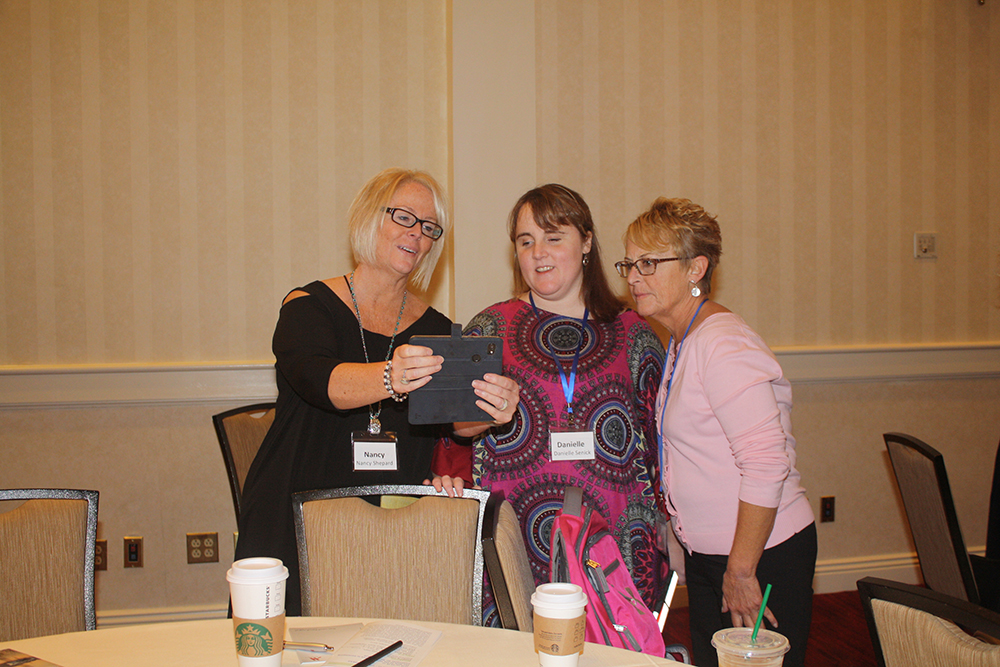
Danielle Senick, center, with her aunt Nancy (left) and mother Patty at the 2018 LCA Family Conference in Mystic, CT
“Though the (vision) changes were subtle, they caused me to realize how little I knew about my condition and I wanted to learn more. I did a little research and stumbled across Sofia Sees Hope. I was intrigued to hear about Sofia’s story, and I wanted to learn more, so I contacted the organization. I heard back, almost immediately, from Danielle Chiaraluce, who worked for the organization at the time.
“We had a lengthy conversation and she told me that she and Laura (Manfre, Co-Founder and Board Chair of Sofia Sees Hope) were interested to learn more about me, and they invited myself and a guest to Dinner in the Dark. I was honored to be invited, and it was a very fun, yet emotional, experience. It was wonderful to have my aunt learn a little bit about what my life is like to have no vision.
“At this event I met Laura, Sofia, Danielle, David Brint, his wife, Betsy, and his son, who also has LCA, and several other influential individuals. I was so honored during the auction to see how many people were willing to contribute their hard-earned money to the cause (including my aunt who bid on a trip to Bali).
Undergoing genetic testing
“Later I spoke with David and he helped me to get in touch with Spark Therapeutics, where I underwent free genetic testing. I had not seen a specialist or done anything about trying to learn about my diagnosis in several years because I often stumbled across roadblocks and it seems that the doctors that I previously had seen were not as educated about LCA. However, this experience was much different.
“I gave a blood sample and sent it to the lab and once my results came in, I spoke with Dr. Jill Harris in great detail about my results. She made me aware that my gene mutation is LCA-CRB1 (LCA8). Unlike LCA-RPE65 (LCA2), (for which there is a federally approved treatment), information about this mutation is still in the works. There is no cure, so I knew all along not to expect a cure and that with genetic testing you must be patient. I joined My Retina Tracker® (a Foundation Fighting Blindness free, secure online registry that helps connect families and enables researchers and doctors to track progress, prevalence and other variables of IRDs to move research forward) and receive emails about any new information on the condition and still remain hopeful.
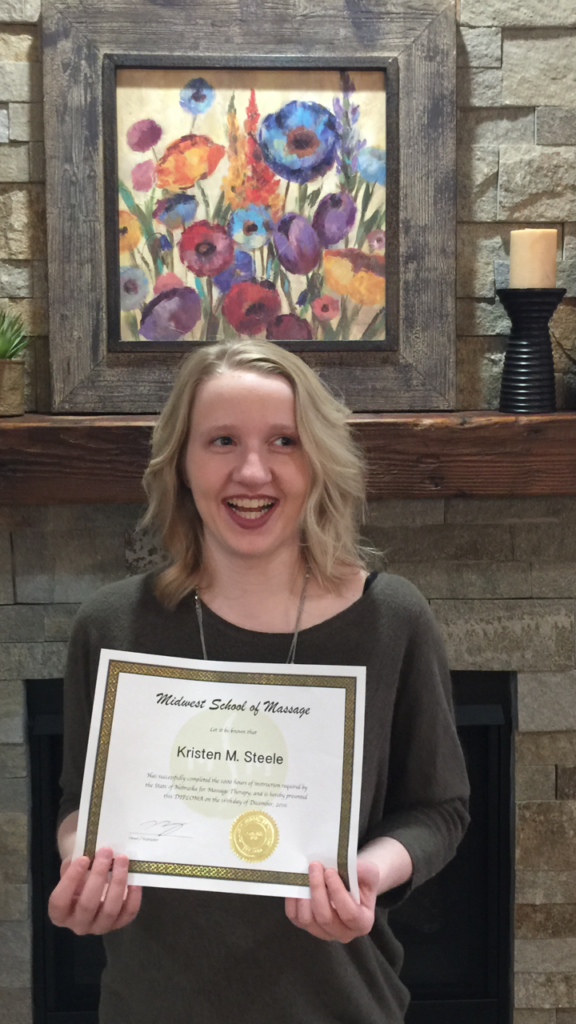
“About a year later, through social media, I became connected with Kristen Steele of Iowa. (Kristen has LCA10 caused by a
Kristen Steele
mutation in her CEP290 gene.) She is a remarkable young woman who is extremely confident, well-spoken, and independent, and like me, a very passionate licensed massage therapist.
“When I spoke with her, I was in the process of attaining my license and still in school. I was having a little trouble getting the results from my license test in braille and she told me that was unacceptable and filled me in about her journey and how hard she had to fight to pave the way to get her testing accommodations. When I set up my accommodations with the testing center all I had to do was mention her name and request my accommodations and the center provided me with everything I needed.
“For that I am very thankful. I am now a licensed massage therapist myself and although we are both busy and haven’t talked in a while, Kristen is always available if I ever have any questions about my journey. I was fortunate enough to meet Kristen by attending the LCA Family Conference in 2019 (in Philadelphia). I also attended the family conference with my aunt and mother in 2018 in Mystic (Connecticut) and was quite intrigued by all the speakers.
LCA community welcomes Danielle
“At this conference I also met two individuals that are about my age who both have children with LCA. It was wonderful to meet with them and answer some of the questions that they had about what it was like growing up with LCA and any suggestions they had about being a parent of a child with LCA. As I have received so much guidance and help along the way, it’s wonderful to give back by helping others and giving them advice.
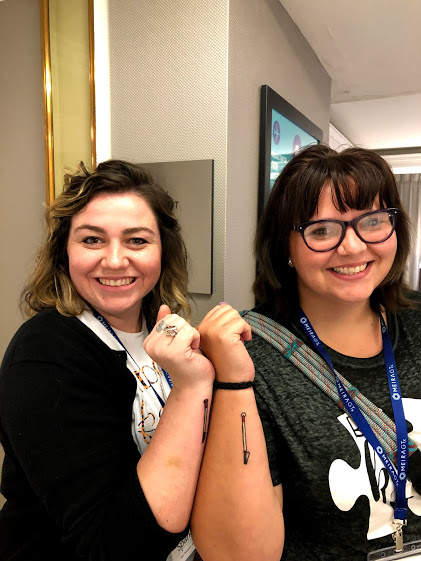
Deanna Carroll and Ashlyn Lincoln with their matching white cane tattoos.
“I have stayed in contact through social media and text messaging with these two individuals, Deanna Carroll and Ashlyn Lincoln, and have potential plans to go down to North Carolina and meet their children! I was able to meet up with them again in 2019 for the Philadelphia family conference. I brought my brother with me as a guest and he was also intrigued to learn so much about my condition.
“There was a plethora of informative speakers from all over the country, and it was amazing to see how far research had come even since 2018 at the last conference. I was especially intrigued to hear Tami’s story (Tami Morehouse, from Ohio, underwent RPE65 gene therapy as part of the LUXTURNA® treatment clinical trials) and how much it changed her life.
“I became quite emotional when she described all the little things that had come from it and changed her life, such as being able to go to her children’s socc
er games and cheer them on, actually being able to see them score goals, where before she had to rely on others to describe what was going on.
“The main takeaway from this process has been to continue to remain hopeful and stay involved. It is quite a process and the research is quite extensive and costly, so we would not have been able to come as far as we have without the generosity of others involved with Sofia Sees Hope.
“It’s amazing to see what a little bit of poking around on the Internet has led to and how much it has changed my life. My curiosity and doing a little bit of research to learn about LCA led to my becoming involved with Sofia Sees Hope, receiving genetic testing, attending wonderful events and conferences, and meeting truly amazing individuals, both sight-impaired and sighted.”
I first heard about coronavirus on my way back from a weekend of skiing in mid-January. It seemed to be the only thing the radio station we were listening to was talking about. At the time, COVID-19 was only reported in China and I didn’t think it would ever impact my life. I’ve never been so wrong.
On March 13 I was scheduled to fly to Australia for a dream vacation with my childhood friend. I was subscribed to travel advisories issued by both the Canadian and Australian governments. I woke to an email from the Australian government advising against all travel. I phoned my friend. We needed to cancel the trip. I don’t think he appreciated the 5 AM call. We made the right decision. By noon Canada had issued its own travel advisory. I have never spent so much time on hold and hope to never again. Eventually I received refunds for the flight and hotels. This was only the beginning.
I work in the human resources department of a hospital. I spent the time I had planned to be on vacation working non-stop. We had to keep our patients and staff safe. Government guidelines seemed to change every day. We didn’t have enough staff. Everyone in our department was working three jobs.
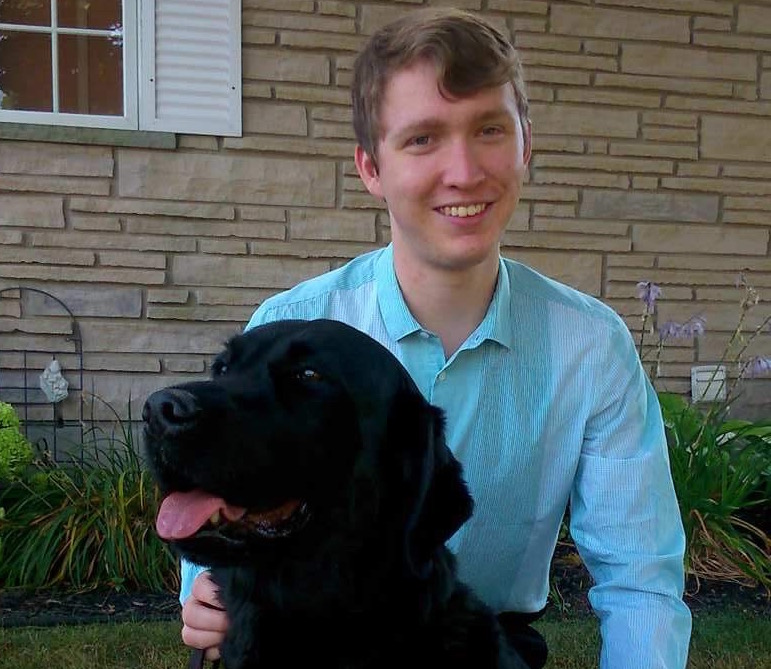
Jack and his guide dog Jake
I had no food. I had eaten everything – not wanting to return from Australia to rotten food. As someone with a visual impairment I get assistance from a store employee when I do my groceries. Getting this assistance meant being physically close to someone who wasn’t part of my regular interactions – something I didn’t feel comfortable doing given the pandemic. The alternative was delivery and it was near impossible to book a time. When I finally did, the shopper couldn’t find most of the things I had requested because people were buying up everything. I soon ran out of food again. Someone from work offered to help me do my groceries. The shelves were empty. It felt like something out of a movie.
We fell into a new rhythm at work. I lost count of the number of people I hired. To limit the number of people in the hospital, those who could work from home did. This included me most days. I hardly left my apartment.
Even now, there isn’t much to do outside work. We are all struggling. We don’t know when it will be over.
Throughout this experience my vision loss has created a host of challenges. It has also helped me live in the pandemic. With decreasing vision, I have learned to adapt to change – something we have all had to do in 2020. My vision loss has made me stronger. Living through the pandemic will do the same for you.
For me, I’ve learned more about pain, struggles and the power of connection. I’ve learned to acknowledge the challenges I experience and connect with the people who are important to me (even if it is virtually) to support each other because we are better together even when we are far away.
Jack McCormick was diagnosed in high school with LCA2. He graduated in 2018 from Canada’s Wilfrid Laurier Universty in Waterloo, Ontario. He is a Hope in Focus (formally Sofia Sees Hope) ambassador, helping people living with LCAs and IRDs. You can read his blog at jackdamccormick.wordpress.com
Since its launch in March 2018, breakthrough gene therapy LUXTURNA®™ continues to be successful in helping improve vision in people with inherited retinal disease due to mutations in both copies of the RPE65 gene and viable retinal cells as determined by a healthcare professional. The therapy treats LCA2, known as LCA/RPE65, one of more than 25 forms of Leber congenital amaurosis.
The drug – developed by Spark Therapeutics and a team of retinal research superstars that included Dr. Katherine A. High and Dr. Jean Bennett – came to fruition after 12 years of research and millions of dollars in investment.
Spark Therapeutics could not comment on the number of people who have received the gene therapy, but spokesman Kevin Giordano recently said the company has shipped well over 200 vials of the therapy since the U.S. Food & Drug Administration approval in December 2017. One vial of the drug treats one eye.
Trained retinal surgeons at one of the 10 eligible treatment centers in the United States deliver the gene therapy to the back of the eye by subretinal injection using a needle the size of an eyelash; about a week or so later, the patient undergoes the procedure in the other eye.
“Spark Therapeutics is thrilled patients continue to benefit from LUXTURNA (voretigene neparvovec-ryzl),” Giordano, Spark’s External and Product Communications Lead, said. “A gene therapy is a major milestone, not only for those of us at Spark, but also for the patient community and broader gene therapy field.”
The cost of the drug – $425,000 for each eye – initially caused anxiety among patient families, but Giordano had good news about insurance coverage.
“Payer coverage has exceeded expectations, and to our knowledge no treatment-eligible patient has been denied treatment due to their insurance coverage,” he said.
LUXTURNA also is being used beyond this country through license and supply agreements with Novartis, which has the rights to commercialize the drug in Europe and all other markets outside the United States. Spark manufactures and supplies the gene therapy to Novartis, according to Giordano.
Also, results from ongoing studies continue to support the drug’s safety profile and efficacy.
“In 2019, Spark presented four-year durability data from the LUXTURNA Phase 3 clinical trial,” Giordano said.
“We closely watched the clinical trials and the FDA approval process for seven years, starting when Hannah was diagnosed with LCA/RPE65 at just a few months of age,” Amy said. “Seven years of hope.
“Two years out from Hannah’s surgery, I can say we feel grateful and fortunate that she was treated with LUXTURNA. No regrets. LUXTURNA was hope realized. It delivered what it promised.”
She said what that has meant for Hannah has been nothing short of life changing.
“It has given her more independence, which has been wonderful for her self-confidence. It has given her the ability to see what she couldn’t before.”
Since the surgery, Hannah’s vision in dim lighting and her visual acuity improved. She is now 9 and just finished third grade.
Sometimes, her mom said, it’s the little things that are the most amazing.
“A year after the surgery, she was about to eat hot oatmeal and said, ‘Hey, I see steam. Hey, I can see that,’ ” Amy said.
“There are still things that pop up that she’s seen for the first time, like when she said, ‘Mom, did you know there’s a pattern on this toy?’ It’s fun to see her discovering.”
Amy said she and her family will be forever grateful to Dr. Bennett.
“There has been a lot of talk about heroes recently and Dr. Bennett is our hero. We are grateful for this groundbreaking treatment that she developed, that has been life-changing, not only for our daughter, but also for the sons and daughters and loved ones of so many others as well.”
His mom, Sarah St. Pierre Schroeder, told us that her now-11-year-old is doing amazing and only occasionally has issues with dim lights, “but nothing like before.”
Their days in Mount Dora, Fla., have changed in a major way.
“He still starts his day with his trusty smoothie and waffle, but after that, Creed wants to create new pranks (today was putting ice in the tub). He said it was nice and warm so I could soak my feet.”
Creed Pettit
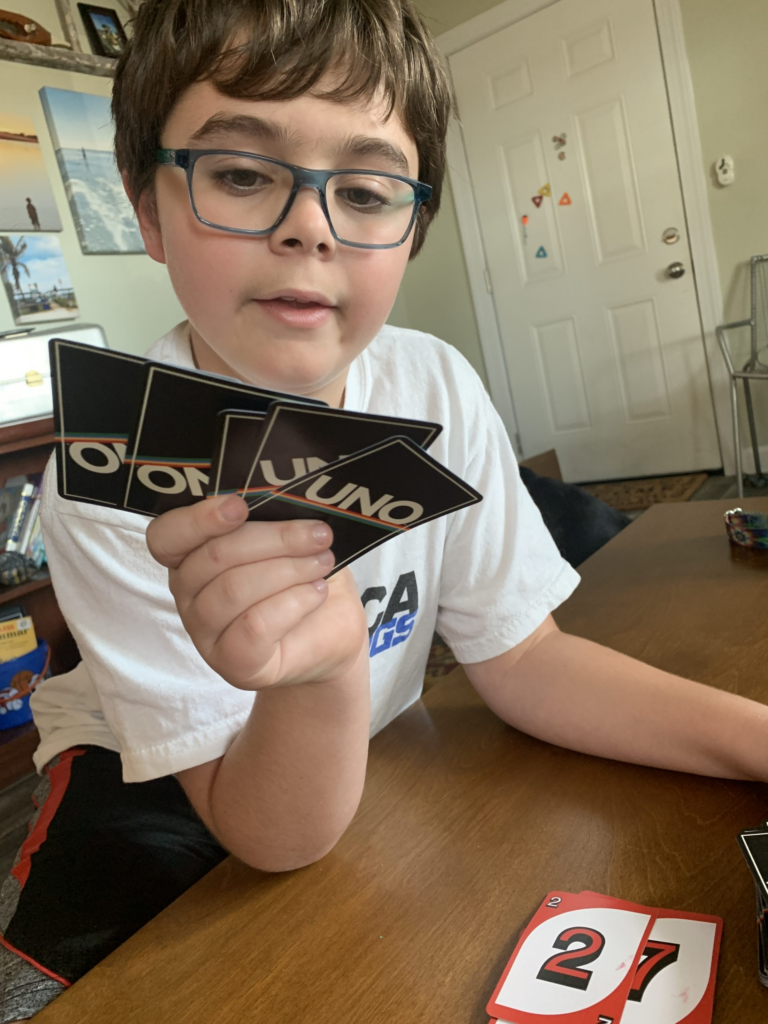
Creed now loves to play board games – Trouble, Sorry, Battleship and Uno.
“His vision has changed everything. He can manipulate small objects, he is using pointer fingers, and loves trying to roll his eyes in the mirror.”
Creed still likes to draw, and he loves riding and popping wheelies on his bike named Carlitos. He also likes to talk.
“Talking more is an understatement! Sunup to sundown, he is talking. He has also learned how fun it is to use his imagination, something he never did before. He creates awesome stories during this time. He is so much more independent; I have to remind myself of that often.”
At first, she and her husband, Chad, could see that Creed’s vision improved some, but once he became confident about his gene replacement, they noticed him finding toys and games.
“He was suddenly enjoying things he didn’t before. He now expresses when he can’t see. Yesterday it rained all day, I kept waiting for him to tell me it was too dark inside, but he was fine. He just started doing staring contests. I love looking at his eyes during the contest.”
Sarah said she is incredibly grateful.
“Creed’s surgery is something we still thank God, St. Raphael, St. Lucy and Sister Miriam Teresa, for every night.”
Like many kids across the country, Creed finished school at home because of the coronavirus pandemic. He graduated from fifth grade and thought because he finished school at home, he wouldn’t have to wear the graduation cap.
“But I was not going to let that slide,” his mom said. “I made one and took pictures.”
Anxiety, and a Friend to Call On
Throughout his journey, though, Creed felt anxious, something Sarah had learned that might happen when, before Creed’s surgery, she talked with Tami Morehouse, a LUXTURNA clinical trial participant at age 44.
Tami, a Sofia Sees Hope Ambassador, tries to calm fears and advises potential gene therapy patients and their parents that even though undergoing the surgery has the potential to do such good by improving vision, they should think about their expectations, especially with children.
“We are comfortable in our own zone; give us a little bit of change and it can throw us off,” Tami said.
Sarah understands.
“He started to have a lot of anxiety. He had a hard time sleeping. I feel everything changed so fast that he was overwhelmed, but we have worked hard on getting past that.”
Sarah and her family are in a great place now. But after they were home from the hospital in Miami and settled into their routine, she said she became very emotional.
“All the tears I had held in for nine years started to come out. I felt I no longer had a purpose; I was so used to staying busy. I did not know who I was supposed to be.”
She got some help and realized she still was needed because people need her help learning about and understanding this groundbreaking gene therapy.
“I still find myself shocked over how this has changed Creed’s life and so many other lives.”