Opus Genetics has reached alignment with the US Food and Drug Administration (FDA) on the Phase 3 clinical trial design for OPGx-LCA5, the company’s emerging LCA5 gene therapy. If OPGx-LCA5 is safe and meets its primary outcome measure in the trial at six months, Opus will likely seek FDA approval by submitting a Biologics License Application or BLA. Treatment durability data at 12 months will also be considered by the FDA during its review.
Leber congenital amaurosis 5 (LCA5) is one of the rarest and most severe forms of LCA affecting approximately 5,000 globally.
The Phase 3 trial investigators plan to treat both eyes in eight patients. The trial includes a pre-treatment run-in period in which the natural history (i.e., the natural disease course) for each planned participant will be evaluated. Seven of the eight patients are currently enrolled in the run-in study. Investigators plan to begin dosing patients in the fourth quarter of 2026.
Investigators will use microperimetry, which measures retinal sensitivity at different loci (points) in the retina, as the primary outcome measure in the Phase 3 clinical trial. A mean improvement of at least seven decibels (dB) in retinal sensitivity across the central 16 test loci is considered clinically meaningful.
Opus Genetics previously reported meaningful vision improvements in three adult and three pediatric patients (aged 16-17) in its Phase 1/2 LCA5 gene therapy clinical trial at the University of Pennsylvania. Some patients saw objects for the first time after treatment. Others had meaningful improvements in visual acuity.
OPGx-LCA5 is administered by an injection underneath the retina. The gene therapy uses an engineered adeno-associated virus (AAV) to deliver health copies of the LCA5 gene into retinal cells. Researchers believe that retinal gene therapies can work for many years, perhaps the lifetime of the patient.
In reporting on emerging therapies for LCA and other retinal diseases, my mantra has always been “just the facts.” If you’re old enough, you might remember those iconic words from the stoic detective Joe Friday on the TV show “Dragnet.” Bottom line, I prefer not to embellish my reporting with hyperbole or emotion. (But I don’t wear a trench coat.)
With that said, I can’t help but be genuinely excited by the news on LCA research that came from the 2026 Association for Research in Vision and Ophthalmology (ARVO) meeting in Denver, May 3-7. Nearly 11,000 research-focused professionals from 72 countries attended this year’s meeting. Not all the LCA reports were breaking news, but collectively, the presentations and posters by researchers from all over the globe were inspiring.
Here are some clinical development highlights from the meeting:
LCA13 (RDH12): InnoVec’s emerging RDH12 gene therapy performed encouragingly at 12 months in a Phase 1/2 clinical trial in China. Ten patients (three with LCA) received one of two doses. The vision of two patients with LCA went from only hand-motion perception to modest visual acuity. Innovec is working to launch a trial for the gene therapy in the U.S. Opus Genetics also plans to launch an RDH12 gene therapy clinical trial in the US by the end of 2026.
LCA5: Opus Genetics previously reported meaningful vision improvements in three adult and three pediatric patients (aged 16-17) in its Phase 1/2 LCA5 gene therapy clinical trial at the University of Pennsylvania. LCA5 is one of the rarest and most severe forms of LCA. Some patients saw objects for the first time after treatment. Others had meaningful improvements in visual acuity. Opus is now recruiting for its Phase 3 cohort and plans to dose younger pediatric patients.
LCA4 (AIPL1): LCA4 is extremely rare and severe. At an early age, many children have only light perception or hand-motion vision. Incredibly, researchers at Great Ormond Eye Hospital and Moorfields Eye Hospital restored meaningful vision in 11 patients (aged 4 or younger) with an LCA4 gene therapy developed by MeiraGTx in the U.K. under a Specials License. MeiraGTx has licensed the LCA4 gene therapy to Eli Lilly, which is pursuing regulatory approval for it.
LCA2 (GUCY2D): Atsena Therapeutics reported 36-month results for its 15-patient Phase 1/2 LCA2 gene therapy clinical trial. Patients receiving the highest dose maintained significant improvements in retinal sensitivity and other functional measures. Furthermore, there were no serious adverse events related to the therapy. The company plans to launch its global Phase 3 cohort in the second half of 2026.
LCA10 (CEP290, IVS26 mutation): Sepul Bio continues to recruit for its global Phase 3 HYPERION clinical trial for its RNA therapy, sepofarsen. At ARVO, a post-hoc, paired-eye analysis of the previous Phase 3 ILLUMINATE clinical trial for sepofarsen was presented. It showed that treated eyes performed better than untreated eyes in the same patient. Why is this important? In the original ILLUMINATE clinical trial, the treated eyes of patients were compared with untreated eyes in a different patient cohort (i.e., a control group). Ultimately, ILLUMINATE, completed in 2022, didn’t meet its primary endpoint. The good news: HYPERION uses a paired-eye design, which researchers believe can lead to a stronger efficacy signal and a better opportunity to meet the primary endpoint.
This is by no means an exhaustive list of ARVO research presentations on LCA. Please feel free to reach out to me at ben@hopeinfocus.org if you have any questions about these or other projects.
LCA5 is a rare inherited retinal disease causing blindness or severe vision loss in childhood.
The RDEP process can allow potential FDA approval based on one adequate and well-controlled study plus additional robust confirmatory evidence, which may include: strong mechanistic or biomarker evidence; evidence from relevant non-clinical models; clinical pharmacodynamic data; and case reports, expanded access data, or natural history studies.
OPGx-LCA5 is currently being evaluated in a Phase 1/2 clinical trial at the University of Pennsylvania. Vision gains and positive safety results for the treatment for adult and pediatric trial participants have been reported. Enrollment for an adaptive Phase 3 clinical trial is ongoing. OPGx-LCA5 has also received Rare Pediatric Disease, Orphan Drug, Regenerative Medicine Advanced Therapy (RMAT) designations from the FDA.
In March 2024, the company announced vision improvements for the first three adult patients in its Phase 1/2 LCA5 gene therapy clinical trial. Some patients, who had been almost totally blind since birth, can now see and identify objects for the first time. The company has also reported positive safety data for the trial thus far.
Though LCA5 patients have severe vision loss at birth, they have some surviving retinal structure that researchers believe can be harnessed for improved vision using gene therapy.
Known as OPGx-001, the gene therapy uses a human-engineered adeno-associated virus (AAV) to deliver healthy copies of the LCA5 gene to patients’ retinas, augmenting the mutated copies that cause vision loss. The therapy is administered through a one-time injection underneath the retina. Researchers believe gene therapies will be effective for many years, perhaps for the patient’s lifetime.
Opus plans to administer the next highest dose of its LCA5 gene therapy to the next cohort of adult patients in mid-2024. The company also has plans to dose patients as young as 13 years old sometime in the future.
Courtney Coates, Hope in Focus’s Director of Outreach and Development, stated, “We are thrilled that patients in this trial are having early success with the low-dose treatment. We look forward to hearing more as the next cohort is enrolled for the mid-dose.”
The LCA5 gene therapy clinical trial is the first launched by Opus, a company founded in 2021 by the RD Fund, the venture arm of the Foundation Fighting Blindness, which is investing in companies near or in early-stage clinical trials for their retinal degenerative disease treatments.
In March 2024, the company announced vision improvements for the first three adult patients in its Phase 1/2 LCA5 gene therapy clinical trial. Some patients, who had been almost totally blind since birth, can now see and identify objects for the first time. The company has also reported positive safety data for the trial thus far.
Though LCA5 patients have severe vision loss at birth, they have some surviving retinal structure that researchers believe can be harnessed for improved vision using gene therapy.
Known as OPGx-001, the gene therapy uses a human-engineered adeno-associated virus (AAV) to deliver healthy copies of the LCA5 gene to patients’ retinas, augmenting the mutated copies that cause vision loss. The therapy is administered through a one-time injection underneath the retina. Researchers believe gene therapies will be effective for many years, perhaps for the patient’s lifetime.
Opus plans to administer the next highest dose of its LCA5 gene therapy to the next cohort of adult patients in mid-2024. The company also has plans to dose patients as young as 13 years old sometime in the future.
Courtney Coates, Hope in Focus’s Director of Outreach and Development, stated, “We are thrilled that patients in this trial are having early success with the low-dose treatment. We look forward to hearing more as the next cohort is enrolled for the mid-dose.”
The LCA5 gene therapy clinical trial is the first launched by Opus, a company founded in 2021 by the RD Fund, the venture arm of the Foundation Fighting Blindness, which is investing in companies near or in early-stage clinical trials for their retinal degenerative disease treatments.
Luxturna®, the only approved treatment for one of 27 identified forms of Leber congenital amaurosis (LCA), cost $500 million to develop and took more than 12 years to come to market.
With such an enormous investment in time and money, it would make sense to use that same platform for developing new treatments to improve vision or halt progression of blindness.
Every individual clinical study must complete a set of rigorous requirements – which cost time and money – to receive regulatory approval from the Food and Drug Administration (FDA).
Chad R. Jackson
The Foundation’s translational research program steps up the pace of preclinical studies toward clinical studies involving humans through proactive management and industry-level advice to drive research leading to prevention, treatment, and vision restoration for degenerative retinal diseases.
A Hope in Focus partner, the Foundation has raised nearly $900 million since its founding in 1971 and funds more than 90 programs worldwide, including no-cost genetic testing and the My Retina Tracker® patient registry. The Foundation also launched a Retinal Degeneration Fund (RD Fund) to help accelerate life-changing outcomes for people with retinal degenerations through direct mission-related investments in therapeutic companies.
Chad and other presenters shared information about drug development, gene therapies, and non-gene therapies during two sessions of the Hope in Focus 2023 LCA Family Conference* in Indianapolis this summer.
More than 100 people attended the forum to hear the latest in LCA research and to network with families living with LCA and other rare inherited retinal diseases (IRDs).
Bringing a drug from inception to market takes 10 to 15 years, Chad said, and costs tens and tens of millions of dollars. He said bringing a developing drug from preclinical studies to the FDA requires three steps:
Identify your target to know what you’re seeking to do; conduct invitro studies by expressing patient cells in a lab or as it’s referred to, retinas in a dish; and perform animal-model studies, which save time and money to determine whether emerging therapies are safe and perhaps ready to move toward clinical trials using humans.
Gene-Agnostic Therapies
Chad moderated a panel discussion about research moving beyond single-gene correction to gene-independent therapies to help delay progression of blindness or restore levels of vision.
Eric Daniels
Kiora Pharmaceuticals’ Chief Development Officer Eric J. Daniels, MD, MBA, discussed the company’s first-in-human study for a non-gene therapy treatment for retinitis pigmentosa (RP), a group of inherited eye diseases that cause progressive vision loss. It is characterized by the gradual death of light-sensitive photoreceptor cells in the retina, known as rods and cones, responsible for converting light into neutral signals sent to the brain.
Dr. Daniels said his company’s technology shifts retinal ganglion cells from their off state, in which they respond to decreases in light. Kiora has discovered a way to shift these cells into their on state in the presence of light through channeled photoswitch molecules.
According to Kiora, the mutation-agnostic treatment has the potential for use in any of the various genetic forms of RP, as well as other retinal degenerative diseases; its intravitreal injection allows for more consistent and tolerable administration, and the small molecule can be manufactured and provided to patients at a much lower expense than the $450,000 per eye cost of Luxturna.
Huma Qamar, MD, MPH, CMI, the head of Clinical Development and Medical Affairs for Ocugen, discussed the biotech’s work on treatments for LCA10 (CEP290), RP, and other IRDs. One of their clinical trials involves a novel gene therapy, OCU400, consisting of a functional copy of a nuclear hormone receptor gene delivered to target retinal cells using an adeno-associated viral (AAV) vector. Expression of this receptor within the retina may potentially help stabilize cells and rescue photoreceptor degeneration, Dr. Qamar said.
Huma Qamar
Ocugen demonstrated the potential of a novel modifier gene therapy to elicit broad-spectrum benefits in early and intermediate stages of RP and LCA, based on animal studies, showing the potential for a mutation-agnostic treatment.
Since the conference, Ocugen reported an update on its Phase 1/2 clinical trial for OCU400 for 12 patients who had follow-ups from six to 12 months after a subretinal injection in one eye. The developing drug had a favorable safety profile in this trial phase. Also eight of the 12 patients showed stabilization or improvement in the visual function measures of best corrected visual acuity, low-luminance visual activity, and navigating a multi-luminance mobility test.
The trial is currently enrolling patients, including pediatric patients with LCA10.
Gene Therapies
In the conference’s final session, moderated by Foundation Vice President of Science Communications Ben Shaberman, four panelists discussed their work on LCA gene therapies.
Shannon E. Boye
Shannon Boye, PhD, Co-Founder, Director, and Acting Chief Science Officer of Atsena Therapeutics, said the road to drug development is long and bumpy. She helped design early studies on LCA1 (GUCY2D) in 2001.
With the process going so slowly, Shannon reached out to then-Foundation CEO Ben Yerxa, who helped push her and her husband into starting their own company.
In 2019 doctors dosed the first patient. Earlier this year, in a Phase 1/2 clinical trial, their LCA1 gene therapy, known as ATSN-101, showed clinically meaningful improvements in vision at the highest dose with no drug-related serious adverse events at six months after treatment.
Ash JayagopalBen Yerxa
At Opus Genetics, Chief Scientific Officer Ash Jayagopal, PhD, discussed the biotech’s progress for various programs in, or advancing toward, early-stage clinical trials.
Opus, headed by CEO Ben Yerxa, PhD, is the first spin-out company internally conceived and launched by the Foundation’s RD Fund. The Fund’s purpose is to accelerate advancing research into gene therapy for several forms of LCA and other retinal degenerative diseases.
Opus’ most advanced program for LCA5 (lebercilin), OPGx-LCA5, is dosing patients, while two other LCA programs involving LCA13 (RDH12) and LCA9 (NMNAT1) are in preclinical development.
Thomas Mendel, MD, PhD, talked about his research at The Ohio State University, where he is Assistant Professor of Ophthalmology and Vitreoretinal Surgery at the university’s Havener Eye Institute, Department of Ophthalmology & Visual Sciences. He is building a research program to develop and implement gene therapies for Professor of Ophthalmology and Vitreoretinal patients with inherited retinal disease.
Bikash R. Pattnaik
Thomas Mendel
The goal is to build a translational lab with a team and accelerate development and clinical trials with gene-based treatments.
Bikash R. Pattnaik, PhD, told the audience about his work at the University of Wisconsin-Madison (UWM), where he is a professor and Clinical Director for Electrophysiology in the departments of Pediatrics, Ophthalmology, and Visual Sciences.
This summer, the National Institutes of Health awarded UWM a $29 million grant to develop gene-editing therapies for two inherited retinal conditions: LCA16 (KCNJ13) and Best disease. Bikash said the LCA16 treatment in development could be in clinical trials next year.
*Please go to our Hope in Focus website to see our previous three stories detailing sessions from our 2023 LCA Family Conference. Click here to see a video about the conference.
Tami Morehouse is grateful for improved vision after undergoing groundbreaking gene therapy treatment at age 44 for LCA2 RPE65, but at times she still is sad and disappointed at the difficulties presented to her as a person with some functional vision, but who cannot see well.
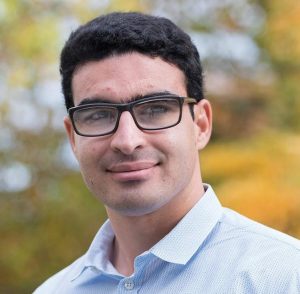
Mohamed Farid found life living with LCA5 more challenging as a child than as an adult, especially before screen readers and other assistive technology. The young professional also remembers growing up and his grandmother spending a lot of time convincing him he couldn’t be a pilot.
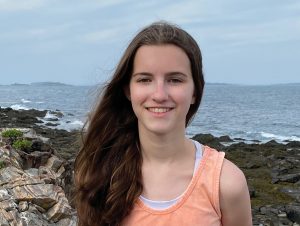
Mirielle St. Arnaud, a junior in high school living with LCA caused by a mutation in her IQCB1/NPHP5 gene, tries to get involved with clubs and activities to ward off struggles with socializing. She learned to adapt to change and said her experiences with vision challenges have been good.
Tami, Mohamed, and Mirielle talked about their day-to-day lives, challenges, and feelings at our 2023 LCA Family Conference* in Indianapolis in late June. They took part in a panel discussion called Living with LCA, moderated by Beth Borysewicz, an educational consultant with the Connecticut Department of Aging and Disability Services with Bureau of Education Services for the Blind.
These three people – an LCA research pioneer, a young professional, and a high school student – help illustrate the manifestation of research advances and assistive technology in the last decade or so.
Here is what they shared with more than 100 people convened for the third Hope in Focus LCA Family Conference.
***
Tami Morehouse
Tami, 59 and from the Cleveland area, is thankful to see with more brightness following her participation in a pioneering clinical trial for what now is known as LUXTURNA®, the only federally approved treatment for one of the 27 identified forms of LCA – LCA2 RPE65.
She gained some vision in 2009 and 2010, when she received the treatment under development by Spark Therapeutics.
“My whole world was a lot brighter,” she said.
She could see a cup on the table, gorgeous sunsets, the lush green of spring, and details in the faces of her three children. It also improved her parenting skills.
“Mom can see things now,” she joked. “It’s bittersweet in our world.”
She also feels she lives in a kind of limbo between seeing and not seeing. She wished and still wishes the public would be more receptive to her being between having sight and not having sight, rather than completely blind.
Tami Morehouse
Tami’s world has widened, and she enjoys much happiness since receiving the gene therapy. She is a Hope in Focus Ambassador, working with our Family Connections program, reaching out to people living with LCA, offering them comfort and kindness. The research pioneer works as an information and referral specialist for 211 in Ohio.
People in the LCA community, like others dealing with a rare disease, experience anxiety, depression, and social isolation.
Tami opened up at the conference, sharing struggles to maintain mental wellness.
She experienced a lot of awkward moments and has worked at becoming comfortable with who she is as a blind person.
“There are so many times when I’m very sad and disappointed about my limitations. There are a lot of barriers in the way and that’s hard to take.”
She misses experiences she could have had with her children and husband and parents.
“Those are just facts of life. Those are my facts, but I think many others go through the same.
“Sometimes we just feel the burn.”
***
Mohamed Farid
Mohamed Farid navigates life with LCA deftly, now that he is an adult.
“It’s harder growing up. It’s easier when you’re older.”
Life became easier with innovative technology, such as screen readers and other optical character-recognition technology that extracts and converts data into a machine-readable form.
“It’s all about assistive technology,” he said.
Mohamed Farid
The 36-year-old founded MKF Continuity, a middle-market investment firm in Chicago. He earned an MBA from Harvard Business School.
There was a time when he was running away from his blindness.
“Now, I’m just ‘whatever’. I need to be independent. It’s important for my dignity. I don’t want to be relying on people.
“Every once in a while, I think the world is unfair,” he said, but over time he’s developed self-acceptance and is at peace with his blindness.
He compared his moving through life now not even thinking about his blindness to his perception of his vision as a child.
“My grandma had to spend a lot of time convincing me I could not be a pilot.”
In contrast, as an adult at his workplace, people think he can create slide presentations.
Mohamed said his blindness has made him strong, describing himself as “alert, scrappy, and resilient.”
***
Mirielle St. Arnaud
Mirielle St. Arnaud, a 16-year-old from the Chicago area, said she’s dealt with people who assume she’s not a capable person.
“We’re probably more resourceful than you think,” she said.
Mirielle is a junior in high school, where she runs on the cross-country team with a guide and is a captain of the Congressional Debate team.
Mirielle St. Arnaud
She learned to advocate for herself and set boundaries for others.
Mirielle worked at her difficulties with socialization at school by getting involved in the blind and sighted communities, whether through summer camps or extra-curricular activities, and by meeting as many people as she can.
“At some point, you’ll find your people who will understand you.”
She characterizes her ability to see as “Swiss-cheese vision.”
At school, she collaborates with an advocate throughout the year, using an Independent Education Plan as a guide.
Mirielle said vision specialists collaborating with her schools have been especially helpful along the way. She’s worked with Teachers of students with Visual Impairments, who are educators with expertise with the visually impaired, and Orientation and Mobility specialists, who teach safe and effective navigation through environments.
“I’ve had pretty good experiences,” she said.
***
Wrapping up the session, panelist Mohamed Farid left the audience with this message:
“Our journey can be bumpy. Don’t ever give up hope.”
*Please go to our Hope in Focus website to see three more stories detailing sessions from our 2023 LCA Family Conference. Click here to see a video about the conference.
Preclinical research involving animal models often gets stuck in early phases because no funding exists to move into clinical trials where developing treatments can be evaluated on people and advanced toward regulatory approval.
“The science is there; it’s the money that’s needed to fund the clinical trials, especially in later stages,” according to Ben Shaberman, the Foundation’s Senior Director of Scientific Outreach and Community Engagement.
Ben Shaberman
He appeared in a recent webinar episode of our Let’s Chat About online series, in which he detailed strategies driving retinal disease research.
Courtney Coates, our Director of Outreach and Development, moderated the episode, “Let’s Chat About… Advancing Treatments into Clinical Trials: Opportunities and Challenges,” featuring Shaberman, who has been with the Foundation about 17 years. You can view the session here.
Shaberman writes for the Foundation’s electronic and print publications, presents the latest scientific retinal research advancements at local and national events for patients and families, and conducts science training activities for staff and constituents.
He launched a podcast series last year called “Eye on the Cure” and enjoys collaborating with people one-on-one to help them understand their retinal disease and the research underway that could benefit them.
He also leads the company’s outreach to eye care professionals throughout the United States to help educate their patients about resources available to patients with low vision or blindness.
Shaberman earned a Master of Arts degree in writing from Johns Hopkins University, a Master of Science degree in systems management from the University of Maryland, and a Bachelor of Science degree in computer information science from Cleveland State University.
The Foundation is the world’s leading private funder of research on potential treatments and cures for inherited retinal degenerative diseases, including age-related macular degeneration. The nonprofit has raised more than $850 million to find cures for retinal diseases, identify more than 300 genes linked to them, and launch more than 40 clinical trials for potential treatments.
Foundation Funding Programs
Preclinical research or laboratory research done in academic research centers globally is expensive.
“But, when you are moving those emerging therapies from the labs, the cost goes up dramatically and that’s a big barrier for researchers,” Shaberman said. “It costs millions of dollars just to get in that clinical stage.”
That stage brings humans into the research, pulls in the U.S. Food and Drug Administration as a regulator and overseer, and requires submitting to the FDA required applications explaining the research and demonstrating the developing treatment’s safety and efficacy.
“That’s a really intensive process,” he said. “They (these early-stage therapies) may never see the light of day in a clinical trial because of all these issues.”
The Foundation created two programs to help drive projects to clinical stages.
The first, its Translational Research Acceleration Program (TRAP), helps scientists refine preclinical studies and accelerate research toward clinical trials to provide a robust pipeline of potential therapies to fight IRDs.
“TRAP helps researchers do some of that later stage work that will hopefully help them get to the clinical-trial doorstep,” Shaberman explained.
TRAP is funding a study at the Casey Eye Institute focusing on neuro-protective treatments to help reduce inflammation and other symptoms common to retinal diseases. Funding also supports Usher Syndrome Type 3a later-stage lab work.
The second program is the Foundation’s Retinal Degeneration Fund (RD Fund) and marks a step forward from TRAP because it invests in start-up companies. Like a venture capitalist, the investment is looking for a return, which instead of going into investors’ pockets, goes to the RD Fund to help projects in or advancing toward early-stage clinical trials.
“The ultimate goal is once you move something into a clinical trial and help those companies do that, if you can get some early encouraging signals, you can attract tens or hundreds of millions to fund that process.”
The RD Fund led the $19 million in seed financing to create Opus Genetics, the first spin-out company internally conceived and launched by the Fund to further the Foundation’s mission.
The new gene therapy company plans to target two forms of LCA: LCA13 (RDH12), which affects one in 288,000 people, and LCA5, which encodes the lebercilin protein and affects about one in 1.7 million people.
Another initiative supported by the RD Fund, Hope in Focus, and two dozen more groups is a proposed Congressional Act designed to help researchers launch clinical trials for emerging treatments and gives hope for getting more treatments across the finish line for people living with a broad range of medical conditions, including rare retinal diseases.
This BioBonds legislation establishes loans up to $25 million to a researcher or company as an innovative way to finance early-stage clinical trials. The program would provide $10 billion annually for three years, and researchers would be required to repay the low-interest, government-backed loans.
Shaberman encouraged his webinar audience to go to the BioBonds website for more information and email him about supporting the proposal.
He said he has always been inspired by the courage of patients and families and their success in coping with challenging conditions. They often motivate friends to help with fundraising and get more people involved with advancing research. The stories coming out of the Foundation and Hope in Focus create connections between families and foster positivity and success.
He cited Hope in Focus for its support of the Foundation’s free genetic testing program to get a confirmed genetic diagnosis, a vital step in the journey toward understanding a person’s specific retinal disease caused by a gene mutation.
Fifteen years ago, a handful of trials were underway. Researchers now are working on more than 40 clinical trials.
“A lot has happened. It can never happen quickly enough, but we’re doing everything we can to accelerate the science, and, in the end, science takes time.”
Working with preclinical data from multiple Leber congenital amaurosis (LCA) studies at the same time, Opus Genetics hopes to advance research into gene therapy for several forms of LCA at a faster pace.
Yerxa discussed biotechnology company’s aspirations as part of the Hope in Focus “Let’s Chat About …” webinar series. Our March episode, moderated by Courtney Coates, Director of Outreach and Development featured Yerxa, acting CEO of Opus based in Raleigh, N.C. Click here to view the webinar.
The Foundation’s RD Fund led the $19 million in seed financing for the company founded last fall, with participation from the Manning Family Foundation and Bio Partners.
The Magic of a One-of-a-Kind Model
Opus is the first spin-out company internally conceived and launched by the RD Fund to further the Foundation’s mission. The RD Fund is investing in projects that are in, or advancing toward, early-stage clinical trials.
“Opus is a first-of-its-kind model for patient-focused therapeutic development,” Yerxa said. “As the first company launched by the Foundation’s venture arm, RD Fund, Opus is uniquely positioned to bring experts, resources, and patients together to efficiently advance ocular gene therapies for small groups of patients that to date have been neglected.”
The company decided to take on the development of multiple gene therapies, regardless of the small treatment population for rare retinal diseases.
“Opus was really born out of necessity,” Yerxa said. “Many gene therapies in preclinical development were just not being developed further.”
The company would even work on programs where only 100 patients have a particular retinal disease, or where the patient population is smaller or larger than the 1,000 to 2,000 people in the United States with LCA2 RPE65, a form of LCA treated with LUXTURNA®. The gene therapy, developed by Spark Therapeutics, is the only federally approved treatment for an inherited gene mutation.
“It evens out as a blend,” he said. “That’s kind of where the magic is.”
The biotech’s lead program, OPGx-001, addresses mutations in the LCA5 gene that encodes the lebercilin protein. LCA5 is one of the most severe forms of LCA and affects about one in 1.7 million people in the United States.
Its second program, OPGx-002, focuses on restoring protein expression and halting functional deterioration in people with retinal dystrophy caused by mutations in the retinal dehydrogenase gene, knowns as RDH12 or LCA13. The disease affects one in 288,000 people in the U.S.
Its third program, OPGx-003, targets LCA9 caused by NMNAT1 mutations and affects about one in 432,000 people in the U.S.
Yerxa said Opus is hoping to raise $70 million or more in the next six to nine months to bring it through 2024-25.
He advised people interested in the research to keep in communication with their physicians because as clinical trials get ready to begin, Opus will be looking for individuals to take part in them.
LCA5 Clinical Trials Planned Later This Year
Opus is looking at filing for an Investigational New Drug (IND) application with the U.S. Food and Drug Administration by the middle of this year before enrolling people for clinical trials by summers’ end at the University of Pennsylvania for LCA5. By filing for an IND, a company is asking for permission to start human clinical trials and to ship an experimental drug across state lines before approving a marketing application for the drug.
“We’re looking forward to getting that started so we’ll be a clinical-stage company.”
Their work also will center on what Yerxa called a tried-and-true approach to delivering the medicine through Adeno-associated virus (AVV) vectors, the leading platform for gene delivery for the treatment of a variety of human diseases.
In today’s world of retinal gene therapy development, AVVs are most often used to deliver therapeutic genes to cells in the retina, according to the Foundation. Gene therapy is administered by injecting a tiny drop of liquid underneath or near the retina. AAVs are safe and able to penetrate cells with their genetic cargo. They naturally occur in humans and don’t cause any known illness. For regulators like the FDA, that excellent safety profile is highly desirable.
Having available multiple inventories for developing therapies and working with the university to license the technology can speed up the pace of research and manufacturing, reducing the average two-year timeline for clinical work.
“I think we can shave off many months of the timeline,” Yerxa said.
In the question-and-answer session following the webinar, one viewer asked about taking on research into a form of LCA caused by a mutation in the IQCB1 gene, and Yerxa replied, “We are aware of that work and interested in this asset.”
He suggested people keep connected with Opus and receive company emails for updates on projects. https://opusgtx.com/contact/
John Mills says he would crawl over broken glass if it led to a cure for his daughter’s visual impairment caused by one of the rarest of rare inherited retinal diseases.
Fourteen-year-old Naomi Mills of Virginia lives with one of the rarest forms of Leber congenital amaurosis – LCA5, which encodes the protein lebercilin. Lebercilin is responsible for moving proteins up and down, between the inner and outer segments of the photoreceptor cell so it can operate properly and stay healthy.
While most parents of children diagnosed with a rare inherited retinal disease can identify with John’s feelings toward finding a cure, a new genetics company just might save his hands and knees from harm, as the business plans to prioritize research into this severe form of LCA that affects about one in 1.7 million people.
Naomi Mills, who lives with a rare form of LCA knowns as LCA5-Lebercilin, loves this Christmas train ornament because it moves and it’s colorful and sparkly.
A pharmaceutical company obtains FDA permission to start human clinical trials and to ship an experimental drug across state lines through an IND application before approving a marketing application for the new drug.
“Kathie (John’s wife) and I pray every day that there’ll be a pathway to improve her vision, that she’ll be able to drive someday.”
The Retinal Degeneration Fund (RD Fund), the venture arm of the Foundation Fighting Blindness led the $19 million in seed financing. The funding will allow Opus to advance the preclinical work of its three scientific founders: Jean Bennett, MD, PhD, the F.M. Kirby Emeritus Professor of Ophthalmology at the Perelman School of Medicine at the University of Pennsylvania; Junwei Sun, Chief Administrator for Penn’s Center for Advanced Retinal Ocular Treatments; and Eric Pierce, MD, PhD, the William F. Chatlos Professor of Ophthalmology at Harvard Medical School and Massachusetts Eye and Ear.
“We’re very excited,” John said. “We know there’s a lot of moving parts here – doctors, advocacy groups, medical research, the FDA. Trying to get all of those aligned for the moon shot is quite an orchestration.”
High Aspirations for Teen with LCA5
Low vision aside, her father said Naomi wants the freedom of mobility in owning a car.
“Naomi was given a suggestion by her wonderful teacher that a best practice is to buy a car, even if you’re blind, so you can ask someone to ‘Please drive me in my own car,’” John said. “She also hopes that she can drive her own car someday.”
The couple’s daughter also loves music, plays piano, and wants to be a filmmaker.
How can a person with visual difficulty make a film? Naomi did on a recent Sunday afternoon, John said, documenting the finishing of the family basement, recording clips of action, inserting music, and editing everything into a film.
“It’s beautiful,” he said. “She’s very good at whipping films together.”
He also said Naomi is her own person.
“She wants to grow up and move out as fast as she can and get her own place and live on her own. That’s a good thing,” John said. “She just loves the thought of being independent. That’s a good thing. We encourage that.”
Naomi and her family vacationed in Germany in 2018 and visited the Dialogue in the Dark exhibition at Frankfurt’s DIALOGMUSEUM, where blind guides lead visitors through settings in absolute darkness. John characterized the experience as a wonderful way to better understand the world of people with visual challenges. He said the Mills family would like to establish a similar exhibit in the United States.
With 20/500-600 vision, Naomi needs bright light, and, while colorblind, she can see contrasts and large black letters on white paper.
“My understanding and interpretation is that Naomi has tunnels of goodness that she can see out of. It’s like looking out of a wiffle ball, tunnels she can see through but not consistently,” he said. “She can read large print and she can write fairly well. She’s also proficient at reading and writing braille.”
Confirmed LCA5-Lebercilin Diagnosis
The couple adopted Naomi in 2010 at age 2 from China, knowing doctors diagnosed her with Retinitis Pigmentosa, and said, “We’re taking her on faith. It doesn’t matter.”
Their son, Michael, now 31, accompanied his parents to China when they adopted their first daughter, Sarah, from an orphanage in 2001. Sarah, now 21, went to China with John and Kathie when they brought Naomi home from foster parents nine years later. Back in the United States, the couple followed up any leads to help Naomi with her vision.
“It was very murky and confusing, trying to connect with resources and groups,” he said.
In the past several years, Naomi made the national finals in the Braille Challenge, the only academic competition of its kind in North America for students who are blind or visually impaired.
“She is so sharp, so smart, and such a blessing,” Naomi’s mom said.