Advocates for people living with rare diseases are collaborating with Connecticut Gov. Ned Lamont’s office and leaders of the Connecticut General Assembly’s Public Health Committee to build the state’s new Rare Disease Advisory Council (RDAC) that requires appointees, budgets, and bylaws be in place this summer.
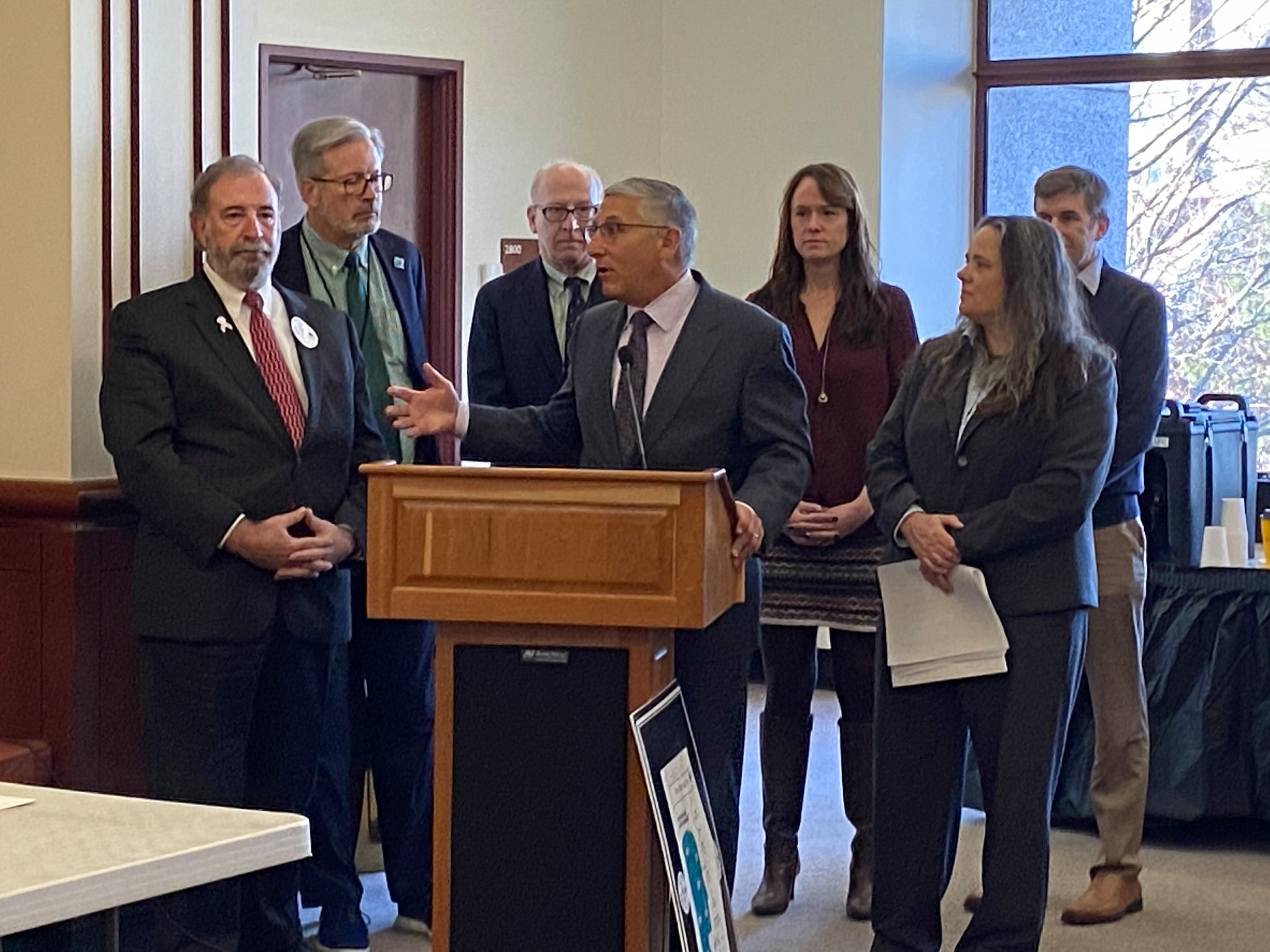
Assistant Director of Advocacy for the National Organization for Rare Disorders (NORD) Kristin Angell joined Co-Ambassadors Katie Gillick and Lesley Bennett of NORD’s Connecticut Rare Action Network (CT-RAN) in hosting a Zoom conference with more than 30 people, including state legislators, patient advocates, doctors, researchers, industry leaders, health care providers, caregivers, and people living with rare disease.
The meeting included two representatives from Connecticut-based Hope in Focus and discussions about the range of needs to be addressed by the new council and the planning of next month’s celebration of Rare Disease Day on Feb. 28.
“We are working on it, and we will get it done,” Bennett said.
A rare disease is defined as one affecting fewer than 200,000 people nationwide. More than 7,000 known rare diseases affect an estimated one in 10 people in the United States, translating to about 30 million people or 10 percent of the country’s population. Globally, 300 million people live with rare diseases.
With the establishment of a permanent Connecticut RDAC, 13 members will be appointed to advise and make recommendations to the Department of Public Health, the Department of Social Services, and other state agencies about the needs of people living in Connecticut with a rare disease and their caregivers. Advisory councils may differ from state to state. Please click here to check whether your state has an RDAC or is working to establish one.
The cause of many rare diseases is unknown, but about 80 percent are genetic, such as LCA and other IRDs, and about half of all rare diseases affect children.
Getting state agencies to understand the rare disease population is key to the RDAC. Even something as simple as putting links to national rare disease resources on state government departments’ websites would be a big step.
More than 40 people submitted applications to become part of Connecticut’s council, and six have been appointed so far. The names of the new members will be announced when all 13 have been appointed.
The group will include insurance, public health, and social services commissioners, or their designees, and 10 members appointed by the Governor and the Public Health Committee leadership. Those 10 members will be:
a representative of an association of hospitals or a hospital administrator, and a physician with expertise in medical genetics
a representative of a patient advocacy group in the state representing all rare diseases, and a family member or caregiver of a pediatric patient living with a rare disease
a representative of the biopharmaceutical industry involved in rare disease research and therapy development, and an adult living with a rare disease
a member of the scientific community engaged in rare disease research, and a caregiver of a child or adult living with a rare disease
a physician who treats people living with a rare disease, and a representative, family member, or caregiver of a person living with a rare disease
Planning for Rare Disease Day
Following the midterm elections and changes in some legislative seats at Connecticut’s General Assembly, educating lawmakers is key to finding solutions for people living with rare disease to have the necessary access, resources, and educational tools to enjoy their best quality of life.
One person attending the meeting talked about the need for more doctors and patient advocates in Connecticut because people living with rare disease often must travel to another state for medical care. She also mentioned the potential of patients being charged for sending simple questions to doctors through computer health care portals, and whether lawmakers attending upcoming Rare Disease Day events could help mitigate or eliminate those costs.
Connecticut Gov. Ned Lamont signed into law years-in-the-making legislation establishing a permanent Rare Disease Advisory Council (RDAC), effective July 1, 2022.
“This RDAC will give patients, families, caregivers, health care providers, advocates, researchers, and other stakeholders an opportunity to make formal recommendations to state agencies and our legislature on ways to develop public policy and health care legislation that will improve the lives of those impacted by a rare disease in Connecticut,” Bennett said.
Connecticut-based Hope in Focus advocated over the years with the Rare Action Network for the establishment of the council. The state created a temporary rare disease task force in 2017 that never got off the ground.
This year, in a short legislative session – with lots of input from advocacy organizations, patients, caregivers, doctors, researchers, and advisory council members from other states – Connecticut’s governor signed into law House Bill 5500, now Section 48 of Public Act 22-58, establishing a permanent RDAC.
Laura Manfre, Hope in Focus Co-Founder and Board Chair, commended the action, saying it will bring much-needed awareness to rare diseases.
“Helping people living with rare disease all begins with awareness and Connecticut’s Rare Disease Advisory Council will help with that, and more, for the 7,000 known rare diseases affecting 25-30 million people, about 10 percent of the country’s population,” she said.
“Rare disease by definition needs all the attention it can get and establishing a Rare Disease Advisory Council in Connecticut can only bring more awareness to those living with rare conditions and bring needed support to help improve people’s lives.
Hope in Focus representatives testified in the last several years at the capitol in Hartford in support of establishing a permanent council by educating legislators about our organization and LCA to demonstrate in human terms the necessity for such a council.
We told them that LCA is characterized by severe vision loss at birth, and that while some children are born with little or no vision, others may have significant vision loss in the first few years of life, stable vision for a time, and, as the retina deteriorates, eventually blindness.
We let them know that LCA patients living with one form of the rare inherited retinal disease and treated with the gene therapy LUXTURNA® experienced dramatic changes in their lives with improved or restored vision. Five, 6, 7-year-old children treated with the breakthrough drug view life in a new light in big and little ways, and they now can see rainbows arcing in the sky and stars shining at night.
The legislators also needed to know that the optimal window for reversing vision loss is during the early phase of the disease. Current clinical trials and preclinical research give hope to those with one of the 26 other gene mutations identified to cause LCA, as those scientific studies are critical to advancing treatments for LCA and other IRDs.
After the U.S. Food and Drug Administration approved LUXTURNA® in 2017, several states attempted to pass laws denying access to treatment to individuals, saying a certain degree of blindness must be met before they could access treatment. Such restrictions are unacceptable and go against federal health recommendations, which state the earlier the intervention, the better the expected outcome.
Hope in Focus made the point that no one who qualifies according to FDA guidelines should ever have to wait to be “blind enough” to receive access to treatment. We, along with other organizations, were quick to call these states out and urged the Connecticut General Assembly to support patient access to FDA-approved treatments.
Rare Disease Advisory Council Specifics
The new law establishes a 13-member Connecticut RDAC to advise and make recommendations to the Department of Public Health and other state agencies about the needs of people in the state living with a rare disease and their caregivers. Advisory councils may differ from state to state in some ways. Click here to check whether your state has an RDAC or is working to establish one.
Council members will include insurance, public health, and social services commissioners, or their designees, and 10 members appointed by the governor and the Public Health Committee leadership.
The 10 members are:
a representative of an association of hospitals or a hospital administrator, and a physician with expertise in medical genetics.
a representative of a patient advocacy group in the state representing all rare diseases, and a family member or caregiver of a pediatric patient living with a rare disease.
a representative of the biopharmaceutical industry involved in rare disease research and therapy development, and an adult living with a rare disease.
a member of the scientific community engaged in rare disease research, and a caregiver of a child or adult living with a rare disease.
a physician who treats people living with a rare disease, and a representative, family member, or caregiver of a person living with a rare disease.
Initial appointments are required to be made by Oct. 31, 2022. Under the law, five of the first-appointed members serve two-year terms; five members serve three-year terms, and all members serve two-year terms thereafter. Members are not compensated for their services but may be reimbursed for necessary expenses.
The advisory council is required to meet in-person or remotely at least six times between Nov. 30, 2022, and Oct. 31, 2023, and quarterly thereafter. The council also must provide opportunities for the public to make comments, hear council updates, and provide input on council activities.
The council also can hold public hearings to solicit comments from the public to assist with a study or a survey about people living with rare disease, their caregivers, and their health care providers.
The RDAC can consult with experts to develop policy recommendations and conduct research to make recommendations covering treatment, care, safeguards against discrimination, health insurance coverage, drug formularies, and more.
The law also requires the council, starting by Nov. 30, 2023, to annually report to the governor and the Public Health Committee on its findings and recommendations, including council activities, research findings, and legislative recommendations; and potential funding sources for its activities, including grants, donations, sponsorships, or in-kind donations.
The first meeting of the council will be by Nov. 30, 2022.
Rare Disease Day 2022 kicked off today as people gathered across the country, including us here at Hope in Focus, to raise awareness and generate research for treatments and cures for rare diseases, including Leber congenital amaurosis and other rare inherited retinal diseases.
Hope in Focus joined more than 30 advocates gathered for a virtual celebration of Connecticut’s Rare Disease Day. The day, officially acknowledged annually on the last day of February, is celebrated nationally and globally as a concerted effort to raise awareness, to grant access to medications, therapies, and state services, and to encourage research on the more than 7,000 rare diseases.
The Rare Action Network (RAN) of the National Organization for Rare Disorders (NORD) organized Connecticut’s Rare Disease Day activities, the highlight of which was to inform the state legislature of the vital importance of establishing a Connecticut Rare Disease Advisory Committee (RDAC).
Courtney Assad, Hope in Focus Director of Outreach and Development, presented a statement from our organization in support of and RDAC, telling the group that research and investment paid off immeasurably with the development by Spark Therapeutics of LUXTURNA®.
“LCA patients treated with LUXTURNA® experienced dramatic changes in their lives with greatly improved or restored vision,” she said in the statement. “Five, 6, 7-year-old children treated with LUXTURNA® view life in a new light in big and little ways. They can now see rainbows arcing in the sky and stars shining at night.”
One in 33,000 people are affected by LCA, which represents 5 percent of all retinal dystrophies.
More than 20 states have established such councils and RAN is working toward creating a group for each state. This year, Connecticut’s attempt to establish an RDAC has move farther along than any of the efforts that began in 2015. A task force met a dozen times between 2017 and 2019, but a paper reporting the group’s recommendations never made it to the Public Health Committee of the Connecticut General Assembly.
RAN and NORD drafted legislation referred to as House Bill 5260 and called “An Act Establishing a Rare Disease Council.” We received great news that that the legislation was formally introduced and has been referred to the Joint Committee on Public Health. A public hearing is expected to be scheduled to hear testimony supporting the proposed legislation.
The council would advise and make recommendations to the Department of Public Health and other state agencies, regarding the needs of people in the state living with a rare disease and their caregivers.
It would consult with rare disease experts, develop policy recommendations for improving access to quality medical care, affordable and comprehensive insurance coverage, medications, medically necessary diagnostics, timely treatment, and other necessary services and therapies.
The RDAC also would perform a host of other functions in support of the 250,000 to 300,000 people living with rare disease in Connecticut. You can view the text of the legislation here.*
Rare disease affects more than 25 million Americans. This equates to 1 in 10 Americans, or one on every elevator and four on every bus, according to the National Institutes of Health (NIH). More than 300 million people worldwide live with a rare disease.
Thirteen members would make up the group that includes the commissioners of public health, social services and insurance or their respective designees
A hospital representative and a physician licensed in medical genetics would be appointed by the governor.
Other members would represent patient advocacy groups, family members or caregivers of a pediatric patient living with a rare disease, a caregiver of a child or adult living with a rare disease, an adult living with a rare disease, a rare disease scientist, a rare diseases physician, and a member of the biopharmaceutical industry.
Kristen Angell, NORD Associate Director of Advocacy, and Lesley Bennett, Volunteer State Ambassador for Connecticut’s RAN, organized the event.
Connecticut’s Lt. Gov. Susan Bysiewicz opened the session saying never doubt the power of advocacy and passionate volunteers that have extensively lobbied her and many others in the statehouse to create a RDAC.
“I have a lot of hope. I know my colleagues in the legislature are people of great compassion who will be working for you.”
U.S. Sen. Richard Blumenthal also offered a statement on the event: “This Rare Disease Day, I’m proud to join the National Organization for Rare Disorders as we renew our commitment to supporting patients, families, and essential caregivers. With robust federal investment, we can and will spur innovation of research, treatments, and cures for those living with rare diseases – saving countless lives in Connecticut and across the country.”
More than a dozen people – advocates, caregivers, patients, doctors, and businesspeople – shared their stories. Many of them are parents of children living with rare diseases, such as rare muscle disorders, rare pediatric cancers, rare genetic disorders, and other diseases that often are described as pediatric Alzheimer’s and juvenile ALS (amyotrophic lateral sclerosis, known as Lou Gehrig’s disease.
Connecticut State Rep. Mitch Bolinsky, one of the legislators in on the meeting, said, “WOW! What an incredible group of advocates. You got us to the finish line and now we just have to get ourselves over it.”
Had he received a more definitive rare disease diagnosis in 2003, Alan Gunzburg said he might not have lost so much vision and still might be able to drive.
In 2016 – 13 years after his initial diagnosis – the Greenwich, Conn., man learned his vision and hearing loss was caused by Adult Refsum Disease (ARD), a genetic metabolic disorder with symptoms that perhaps he could have staved off years ago through dietary restrictions.
Doctors initially diagnosed Gunzburg with retinitis pigmentosa (RP) – a rare inherited retinal disease (IRD) causing progressive loss of peripheral and night vision. Those are also symptoms of Refsum disease, which, if undiagnosed, can be life-threatening.
The disorder results in a buildup in the nerves and liver of phytanic acid, a type of fat found in certain foods. Other symptoms are loss of smell and hearing, numbness, unsteadiness, itchy skin, and shortened fingers and toes.
His story reflects the plight of many people living with a rare disease because the more than 7,000 rare diseases in the United States are just that – rare.
It’s difficult to correctly diagnose rare diseases when little information exists about them.
Some families living with rare disease find they must create their own advocacy avenues to educate the public and the medical community about diseases they’ve never heard of.
Gunzburg created the Global DARE Foundation with the mission of Defeating Adult Refsum Everywhere. His website gets the word out about the disease and gives information on symptoms, treatments, and research.
Laura Manfre, co-founder and board president of Hope in Focus (formally Sofia Sees Hope), took that same route in 2014 after doctors genetically diagnosed her daughter with a form of Leber congenital amaurosis (LCA). As a global patient advocacy organization, Sofia Sees Hope helps transform the lives of those affected by blindness caused by LCA and IRDs by generating awareness, supporting affected families, and raising funds to advance research for diagnosis, treatments, and cures.
Creating Rare Disease Advisory Councils
The global phenomenon of Rare Disease Day exists to create awareness of rare disease, characterized in the United States as affecting fewer than 200,000 people. With more than 7,000 rare diseases, 25 million to 30 million Americans are affected by rare disease. That means one in 10 Americans suffer from rare diseases, and more than half of them are children. The European Organization for Rare Disorders (EURODIS) organizes the international campaign.
Nationally, Rare Disease Day brings together each state’s RAN ambassador – in Connecticut’s case, Volunteer State Ambassador Lesley Bennett – along with patients, caregivers, doctors, advocates, legislators, academics, and business and biotech leaders to generate awareness, increase patient and caregiver support, and drive research for treatment and cures.
This year’s event focused on creating Rare Disease Advisory Councils (RDACs) in all 50 states through NORD’s Project RDAC. Councils are made up of various stakeholders, including patients, caregivers, doctors, insurers, biotechnology companies, researchers, and state officials.
Project RDAC’s goals are to optimize existing councils and increase the number of groups nationally by opening collaborative opportunities among councils, creating educational resources to guide them, and helping more states pass legislation that establishes high-functioning councils.
More than a dozen states have RDACs, 12 are pursuing RDAC legislation, and another 23 states do not have an RDAC.
Connecticut is working toward creating a permanent RDAC task force, after a temporary group disbanded in 2019. Check out this map to see if your state has an RDAC or if NORD is working on legislation to create one. To start an effort in a state, click here.
Telling Rare Disease Stories
NORD’s Kristen Angell moderated the virtual celebration that featured more than two dozen people, sharing stories about the struggles and successes in the world of rare disease. A recording of the celebration will be available soon.
Suzanne Candela literally told an uplifting story as outreach and mission coordinator for Patient Airlift Services (PALS) with the motto: “Going Above and Beyond to Lift People Up.”
Volunteer pilots help eliminate logistical barriers to treatments by using their own aircraft, fuel, and time to fly patients to appointments. Over the course of 10 years, the company helped 2,900 families in 23,000 flights, covering more than 5.4 million miles. Candela told of a girl flown from northern Maine to Boston for repeated cancer treatments. The patient has flown on PALS flights about 60 times and counting.
The service could eliminate transportation barriers for participants in out-of-state clinical trials. The company also has flown 900 flights bringing combat-wounded veterans to appointments.
Connecticut State Sen. Cathy Osten described the story behind proposed legislation that she and State Rep. Christine Conley introduced this session to help a local family struggling to pay for special food for their two children diagnosed with phenylketonuria (PKU). The family’s share of the cost is about $36,000 per child per year. Osten said insurance companies hesitate to pay but the expense is well worth it when it comes to the quality of life for people with PKU.
David Leeds of Avon has the rare disease Hereditary Angioedema with normal C1 Inhibitor (HAE-nC1Inh), a new form of hereditary angioedema (recurring episodes of swelling) identified in 2000.
If he goes to the hospital in this time of the COVID pandemic and no one knows about his rare condition and no one can speak on his behalf, Leeds said, “We just have to hope that my rare disease doesn’t kill me before they send me home.
“I have to know everything about my disease because my doctors don’t.”
John Hopper, one of the emcees of the virtual celebration, heads the Greenwich-based Fibrolamellar Cancer Foundation that advocates for people living with fibrolamellar carcinoma, a rare liver cancer that usually occurs in adolescents and young adults with no history of liver disease.
Hopper, who also co-chairs NORD’s Rare Cancer Coalition, said his strategy is to be what he calls “the mouse that roared.”
“That means we know we’re small, but we know we have to be loud,” Hopper explains on his foundation’s website. “Most people don’t know about rare diseases. Unfortunately, a lot of people don’t care about them. Our strategy is to be that loud voice – that leader – to make sure that every stakeholder from government to academia to pharmaceutical pays attention to this cancer and understands that working on this small cancer may lead to bigger things too for the rest of them.”
Hopper encouraged all the participants in the virtual rare disease day event to be that mouse that roars.
Fifteen states have established a Rare Disease Advisory Council (RDAC) to give the rare disease community, including those living with Leber congenital amaurosis (LCA), a stronger voice in state government. Another dozen states are actively working to establish RDACs this year.
With assistance from the National Organization for Rare Disorders (NORD), patient organizations, such as Hope in Focus (formally Sofia Sees Hope), and the broader rare disease community, RDACs around the country work to help states strategically address barriers faced by people living with rare diseases. The councils give stakeholders an opportunity to make formal recommendations to state leaders on critical rare disease issues, including increased awareness, diagnostic tools, and access to affordable treatments and cures.
Sofia Sees Hope, based in Ledyard, Conn., annually gives information to legislators on the Connecticut General Assembly’sPublic Health Committee, letting them know that rare disease advocates and those living with a rare disease, need state and federal support in crafting legislation to help the rare disease community.
The last day of February each year is officially Rare Disease Day, a time to raise awareness among the public and decision makers about rare diseases and their impacts on patients’ lives. NORD sponsors Rare Disease Day in the United States, alongside its sister organization, the European Organization for Rare Disorders (EURODIS), which organizes the official international campaign.
A disease is defined as rare in the United States if it affects fewer than 200,000 Americans. LCA and other inherited retinal diseases (IRDs) are among the approximately 7,000 rare diseases that exist nationally, affecting 1 in 10 people. These diseases include more than 500 types of rare cancers and all pediatric cancers.
Between 25-30 million Americans live with a rare disease, including about 300,000 in Connecticut.
NORD’s Connecticut Rare Action Network, along with other such groups nationwide, will highlight RDACs as part of its virtual celebration of Rare Disease Day 2021. Connecticut’s Rare Disease Day celebration will be at 9 a.m. ET, Friday, Feb. 26. You can register to participate in this free event by clicking here.
NORD also just released its sixth edition of its State Report Card* that analyzes the 50 states and Washington, D.C., on eight policy issues that impact the rare disease community. The organization launched its report card project to evaluate the effectiveness of states serving people with rare diseases.
Each state has its own report card that addresses Medicaid Financial Eligibility, Medicaid Nutrition, Newborn Screening, Prescription Drug Out-of-Pocket Costs, Protecting Patients in State Medicaid Programs, Protecting Patients in State-Regulated Insurance, Rare Disease Advisory Councils, and Step Therapy (trying less expensive options before “stepping up” to drugs that cost more).
RDACs advocate for patients and caregivers
State governments make decisions every day affecting the rare community. They play critical roles in ensuring access to health care providers, services, and treatments needed to thrive, along with the design of their Medicaid program benefits, and regulation of some insurance plans. The councils offer forums for discussion about these issues.
As one Connecticut legislator said at a previous celebration, having one day to recognize rare diseases is not enough.
“It needs to be Rare Disease Day every day in the state of Connecticut,” said State Rep. Jonathan Steinberg, co-chairman of the General Assembly’s Public Health Committee.
Connecticut Volunteer State Ambassador Lesley Bennet – along with ambassadors nationwide, doctors, researchers, advocates, caregivers, patients, legislators, and business leaders – take this time to advocate state-by-state for better resources and outcomes for people living with rare diseases.
Bennett said many of their patients have difficulty getting access to services because people don’t understand the disorders.
Patients, caregivers, families, and providers in North Carolina created the first RDAC six years ago; 15 states have active councils with1 2 more on their way toward fruition, for a total of 27 states.
Another 23 states, including Connecticut, do not have such councils but efforts continue through NORD’s Project RDAC, launched last fall. Connecticut established a task force to study whether to create an RDAC, but the group disbanded in 2019.
Check out this map to see if your state has an RDAC or if NORD is working on legislation to create one. To start an effort in a new state, go to RDAC@rarediseases.org.
Council composition varies from state to state in size, duties, and accountability requirements. It also depends on the type of entity that houses the RDAC, such as a state department of health or a non-profit organization.
A council typically comprises various stakeholders, including patients, caregivers, doctors, insurers, biotechnology companies, researchers, and state officials.
Project RDAC aims to optimize the existing councils and increase the number of groups nationwide by opening collaborative opportunities among the councils, creating educational resources to guide them, and helping more states pass legislation establishing high-functioning councils.
Rare disease patients, caregivers, advocates, researchers, doctors, healthcare providers and lawmakers gathered at Connecticut’s capitol in Hartford on Friday, Feb. 28, to celebrate Rare Disease Day 2020 and raise awareness because rare medical conditions often are overlooked by health-policy decision makers and the medical community.
CT Rare Disease Day at the state Capitol in Hartford. Photo courtesy NORD.
The National Organization for Rare Disorders (NORD) and its Rare Action Network (RAN) organized the event for Rare Disease Day, celebrated nationally and in more than 85 countries. Click here for information on your state’s events, RAN and Rare Disease Day.
A disease is defined as rare in the United States if it affects fewer than 200,000 Americans. As many as 7,000 rare diseases exist nationally, affecting 1 in 10 people. Between 25 million and 30 million Americans live with a rare disease, including about 300,000 in Connecticut alone.
Sofia Sees Hope, based in Ledyard, Conn., gave information to legislators on the Connecticut General Assembly’s Public Health Committee, letting them know that rare disease advocates and those living with a rare disease, such as Leber congenital amaurosis (LCA) and other rare inherited retinal diseases (IRDs), need state and federal support in crafting legislation to help the rare disease community.
Awareness helps research
We wanted to impress upon the committee that dedicated, grassroots attention and awareness to specific rare diseases generate incredible results in finding cures and treatments. Children living with visual impairment now can regain their vision through a ground-breaking retinal medicine called LUXTURNA.
The legislators learned that for six years Sofia Sees Hope has been generating awareness, supporting affected families and raising funds to advance research for diagnosis, treatments and cures for blindness caused by LCA and other IRDs, such as retinitis pigmentosa (RP).
Here’s our legislative statement in its entirety:
LCA is characterized by severe vision loss at birth. While some children are born with little or no vision, others may have significant vision loss in the first few years of life, stable vision for a period, and then eventually complete vision loss as the retina deteriorates into total blindness.
The optimal window for reversing vision loss is during the early phase of the disease. Creating avenues to affordable treatments and accessibility to resources is imperative and often can be inhibited by insurance regulations and other rules limiting access to help and support patients.
More than 25 genes are associated with LCA and a mutation in just one of these can result in blindness. The rare disease occurs in 1 in 33,000 to 1 in 88,000 people and makes up 5 percent of all retinal dystrophies. Twenty percent of children with visual impairment and attending special schools have LCA; it is the second most common inherited retinal dystrophy after retinitis pigmentosa.
A patient needs a confirmed genetic diagnosis to proceed with appropriate treatment avenues. Sofia Sees Hope has given more than $100,000 to provide families, including those in Connecticut, free access to genetic testing and has directed $275,000 to genetic retinal research. Patients also need support from their lawmakers to ensure they receive the quality of life to which they are deserving.
After decades of research and dedicated investment in studies, scientists created a breakthrough genetic therapy that helps restore vision in patients with one of the genetic mutations causing LCA. The U.S. Food and Drug Administration in 2017 approved this treatment – developed by Spark Therapeutics and called LUXTURNA – which also is the first genetic therapy ever in the United States to treat ANY rare inherited disease.
LCA patients treated with LUXTURNA experienced dramatic changes in their lives with greatly improved or restored vision. Children who are 5, 6, 7 years old and have been treated with LUXTURNA view life in a new light in big and little ways. They now can see rainbows in the sky and stars shining at night.
Our lawmakers need to know that we fully support the principle that all FDA-approved treatments should be made available to all those who will benefit from such treatment, and to reject any proposed requirements restricting access to medications.
Sofia Sees Hope also encourages the Connecticut General Assembly to establish a Rare Disease Advisory Council comprised of patients, patient advocates, doctors, researchers and community members to address the emerging public health priority of rare diseases, including LCA.
Activism leads to legislation
More than 20 people – legislators, patient advocates, patients, caregivers, researchers, doctors and businesspeople – spoke during the morning event to a crowd gathered in the second-floor atrium of Connecticut’s Legislative Office Building.
Jean Kelly, co-founder of Brian’s Hope, spoke on behalf of her son, Brian, and others with Adrenoleukodystrophy (ALD), an x-linked metabolic disorder that destroys myelin, the protective sheath that surrounds the brain’s neurons – the nerve cells that allow us to think and to control our muscles. She and her husband are 24/7 caregivers of Brian who was diagnosed at age 6 and is now 31. Their son can hear but he cannot speak, see or walk. She advocated for more help for parents who must devote their lives to caring for their children. She and her husband advocated for mandatory ALD newborn screening in Connecticut, which was passed into law in 2013.
Laura Morris from the state’s Office of Health Strategy thanked legislators for the passage 10 years ago of a law requiring health insurance coverage for wound care for people like her daughter, who lived with Epidermolysis Bullosa (EB), a group of rare genetic conditions that result in easy blistering of the skin and mucous membranes.
A host of other speakers talked about dealing with enormous monthly bills, tangles over insurance coverage and the overwhelming stress on rare disease patients and caregivers.
NORD Director of State Policy Heidi Ross, in a statement from the organization’s President and CEO Peter L. Saltonstall, told the group:
“The purpose of Rare Disease Day is to bring patients and advocates together to articulate with one voice the shared message that millions of people around the world are suffering with unmet medical needs and need help. Our patients need earlier diagnosis; safe, effective treatments; and assured access to medical care and other services …
“There are events like ours today taking place in state capitol buildings across the nation, where elected officials are meeting with patient advocates to better understand what life is like with a rare disease, and how health care decisions they make at the state level – on issues such as newborn screening, medical insurance, cost-sharing and (specially formulated) medical foods – have a major impact” on those living with a rare disease.
The end of February signals the time to focus awareness on rare conditions by celebrating Rare Disease Day, a global event addressing the thousands of rare diseases that affect one in every 10 Americans.
Rare medical conditions affect 300,000 people in Connecticut, the home state of Sofia Sees Hope, and 30 million nationwide.
Yes, those are astounding figures that call for astounding action to bring attention to the needs of people living with rare diseases, such as Leber congenital amaurosis (LCA), one of the more than 7,000 rare diseases. The day – and its events that happen nationally and in more than 85 countries – fosters awareness needed to drive research for cures and treatments for rare diseases often overlooked by health-policy decision makers and the medical community.
In Connecticut, people living with rare disorders and their families, along with lawmakers, caregivers, advocates, advocacy organizations, healthcare providers, industry leaders and researchers will gather at the Capitol in Hartford to celebrate Rare Disease Day 2020 by highlighting their concerns and seeking help for solutions from state lawmakers.
The public is invited to attend this legislative forum and breakfast at the Legislative Office Building, 100 Capitol Ave., Hartford, from 8 a.m. to 11 a.m., Friday, Feb. 28, the last business day before 2020’s official Rare Disease Day, Saturday, Feb. 29. The event takes place in the building’s second-floor atrium that looks out to the gold-domed Capitol building.
The National Organization for Rare Disorders (NORD) is the U.S. sponsor for Rare Disease Day 2020. The Hartford gathering, as with many others across the nation, is organized by NORD and its Rare Action Network (RAN). The focus for this year’s Rare Disease Day is the impact that rare diseases have on patients, families, caregivers, healthcare providers and local communities.
Dominic Cotton, a father and advocate for those with rare diseases and brain injuries, will emcee the event that begins after the 8 a.m. sign-in and breakfast.
Heidi Ross, NORD’s Director of State Policy, will offer opening remarks, followed by the legislative welcome by state Rep. Jonathan Steinberg, Co-Chair of the General Assembly’s* Public Health Committee; Rep. Michelle Cook,* member of the Public Health Committee; Sen. Len Fasano, Senate Majority Leader; and Jean Kelly of Brian’s Hope, a non-profit she and her husband, Jack, founded in 2012 for their son, Brian, diagnosed at age 6 with Adrenoleukodystrophy (ALD), an x-linked metabolic disorder. The couple advocated for mandatory ALD newborn screening in Connecticut, which was passed as law in June 2013.
Dr. Karen Rubin, a pediatric endocrinologist at Connecticut Children’s Medical Center (CCMC), and Adrienne Manning, Connecticut’s Newborn Screening (CT NBS) Program Division Director in the Department of Public Health Laboratory, will address diagnoses and treatments in newborns. State law requires all newborns to be screened for certain genetic and metabolic disorders. The program’s efforts help prevent disability and premature death by ensuring newborns receive the screening and, when needed, evaluation and treatment.
Dr. Rubin and Manning are part of a new partnership between the NBS Program and CCMC called the Connecticut Newborn Diagnosis and Treatment Network.
Silvia Vilarinho, MD, PhD, and Donna Sciacca of the American Liver Foundation are scheduled to talk about rare liver disorders. Dr. Vilarinho, Assistant Professor of Medicine (Digestive Diseases) and of Pathology at Yale University, is a physician-scientist who uses genetics, genomics and human samples to investigate the molecular basis of various liver diseases of unknown causes. Sciacca is the Community Outreach and Education Manager for the foundation’s Connecticut division.
Dr. Joanna Gell of Jackson Laboratories and CCMC will address germ cell tumors, which can be cancerous or noncancerous growths that form from reproductive cells. Dr. Gell is Assistant Professor in the Department of Pediatrics at the UConn School of Medicine.
Dr. Charles Whitaker, a neurologist who sees patients at the Hospital for Special Care (HSC), will talk about adult neuromuscular disorders.
Laura Morris, mother of a patient with epidermolysis bullosa (EB), a group of rare genetic conditions that result in easy blistering of the skin and mucous membranes, will appear with Rep. Russ Morin, who authored legislation that helped EB patients. Morris is Outreach Coordinator for the state’s Office of Health Strategy.
Dan Donovan, Co-Founder and CEO of rareLife solutions, will address the scarcity of literature on rare diseases.
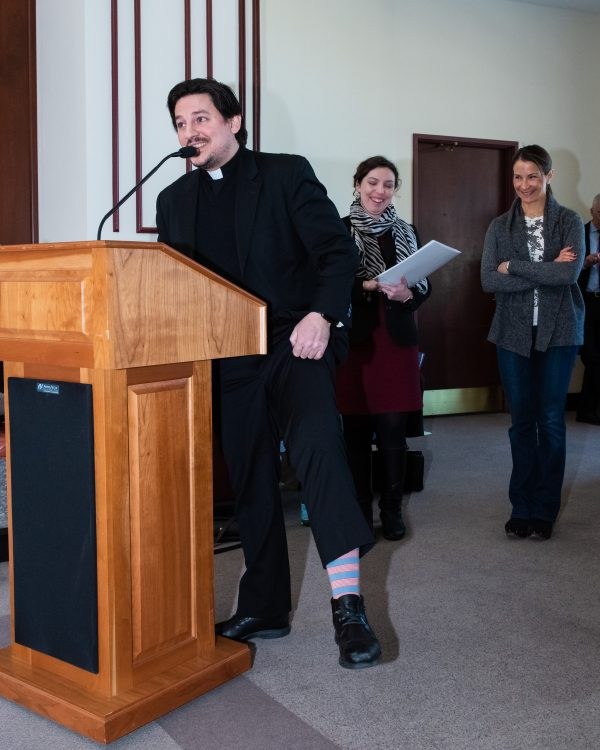
Father Nikolas Karloutsos will moderate a pediatric panel about the impact of pediatric rare diseases on families. He is a caregiver for his daughter who has a BRAF mutation Rasopathy – probably Cardiofaciocutaneous (CFC) Syndrome – which causes issues with behavioral health and cognition.
Taking part in the panel will be:
Heather Knapp, caregiver and mother of four, whose youngest was identified at birth through the NBS Program with Phenylketonuria (PKU), an inherited disorder that increases the levels of a substance called phenylalanine in the blood. If untreated, phenylalanine can build up to harmful levels in the body, causing intellectual disability and other serious health problems.
Jim Kubicza, who has a son with Angelman syndrome, a complex genetic disorder that primarily affects the nervous system.
Information that will be shared on behalf of Marissa B., mother of a child with CDKL5, a neurodevelopmental and epileptic encephalopathy disease characterized by difficult-to-control seizures that begin in infancy, followed by significant delays in many aspects of development. She and her husband provide 24/7 care for their child, who is among those on a years’ long waiting list for a special children’s waiver for Medicaid coverage.
A panel on the impact on adults with rare diseases will follow, and includes:
Carmen Wooster, mother of a daughter with Stiff Person Syndrome (SPS), a rare, progressive syndrome that affects the nervous system, specifically the brain and spinal cord.
Beverly St. Onge on Common Variable Immune Deficiency (CVID), one of the most frequently diagnosed primary immunodeficiencies, especially in adults, characterized by low levels of serum immunoglobulins and antibodies, which cause an increased susceptibility to infection.
Input on DiGeorge syndrome, a chromosomal disorder that results in poor development of several body systems.
The Leeds family regarding hereditary angioedema, a disorder characterized by recurrent episodes of severe swelling.
Paul Pescatello is also set to speak. Pescatello is President and CEO of the New England Biotech Association and chairs Connecticut Business & Industry’s Bioscience Growth Council.
Sixth-grader Daniela Delgado told Connecticut lawmakers on Rare Disease Day that she lives with rare disease just like 30 million other people in the United States – and just like them – she matters.
“We are not a burden. We are human beings just like everybody else,” Daniela told about 130 people gathered at the Capitol in Hartford for Rare Disease Day. The day is celebrated nationally and globally on the last day of February each year. (Click here for state-by-state information.)
Daniela was diagnosed with not one, but two, rare diseases: von Willebrand Disease, a rare, lifelong bleeding disorder; and Ehlers Danlos Syndrome, a group of disorders affecting connective tissue supporting the skin, bones, blood vessels and many other organs and tissues.
She needs expensive drugs to treat her disease and ease her symptoms; without them, the cost would be exponentially more for hospitalizations.
“These are real treatments, and they keep us alive,” she said. “We need this medication to live.”
Daniela is a patient advocate from Sandy Hook, CT, who at age 4, with the help of her parents, created Daniela’s Little Wish, bringing joy to kids facing serious illnesses by baking and delivering one-of-a-kind birthday cakes.
She joined about two dozen speakers at a legislative informational session that included legislators, patients, doctors, researchers, nurses, caregivers, advocates, business people and a representative of Sofia Sees Hope.
7,000 Rare Diseases in the US
Rare disease is more common than most people realize.
A rare disease is defined as any disease, disorder, illness or condition affecting fewer than 200,000 people in the United States. An estimated 25-30 million Americans, almost 1 in 10, have rare diseases. In Connecticut, an estimated 300,000 people have rare diseases.
Connecticut may be the Insurance Capital of the World, but the Nutmeg State gets an F when it comes to individual insurance protections, according to Connecticut’s rare disease report card prepared by the National Organization for Rare Disorders and NORD’s Rare Action Network (RAN), the hosts of Connecticut’s Rare Disease Day.
The state requires some insurers to offer guaranteed plans to a limited number of people. It does not have an individual mandate and has not enacted a reinsurance waiver to keep insurance affordable for people with pre-existing conditions. Connecticut had minimal limits on issuing short-term, limited-duration health plans or association health plans.
Father Nikolas Karloutsos
State Rep. Joe Aresimowicz, Democratic House Speaker, and State Sen. Len Fasano, Republican Senate Minority Leader, have introduced several pieces of legislation addressing medical education in screening for rare cancers and assistance for patients and families with developmental disabilities. Fasano also helped the state become one of the first to add Adrenoleukodystrophy (ALD) to Connecticut’s Newborn Screening (NBS) panel.
Aresimowicz said the focus of the event was not on politics or political parties.
“We are here because we want to make Connecticut a better place.”
Fasano told the gathering: “This is a civil rights issue to get the proper medications and research to go forward.”
Greta Stifel, who has two rare diseases on top of cancer, detailed her grueling journey of misdiagnoses and many surgeries. In 2016, she established the Stifle Cancer Foundation to bring awareness to a type of cancer comprised of Neuroendocrine Tumors (NETS).
“We are the ‘Rare Rebels’,” she said. “We are the ‘Rare Revolution’.”
She is a constituent of Aresimowicz, and the proposal behind the pending legislation of House Bill 6522 comes from her. The bill’s title is: An act concerning continuing medical education in screening for inflammatory breast cancer and gastrointestinal cancers.
Stifle said the legislation is a step in the right direction, but the state needs to do much more with rare disease awareness, education, funding and research. “
Connecticut actually should be the Silicon Valley of Rare Disease,” she said.
State Rep. Jonathan Steinberg, chairman of the General Assembly’s Public Health Committee, said having one day to recognize rare diseases is not enough.
“It needs to be Rare Disease Day every day in the state of Connecticut.”
Steinberg, along with RAN’s Volunteer State Ambassador Lesley Bennett, said the legislature needs to form a Rare Disease Advisory Council to find treatments, fund research and advocate for Connecticut’s constituency living with rare disease.
“A lot of our patients have problems getting access to services because people don’t understand the disorders,” Bennett said.
The advisory council would be comprised of patients, patient advocates, doctors, researchers, business leaders and community members to address the emerging public health priority of rare diseases, including LCA and other IRDs.
Erica Mumm, a Clinical Assistant Professor at the Quinnipiac School of Nursing and mother of a son with a rare genetic disorder, said the system needs to change. She also supports the creation of a rare disease advisory council.
Not a one-size-fits-all community
“We are rare, so we don’t fit into a one-size-fits-all system,” Mumm said.
Her son, who turns 3 this month, has a rare genetic disorder called KCNQ2 encephalopathy, a type of epilepsy that becomes apparent in the first three months of life and is characterized by frequent and difficult-to-treat body seizures.
Mumm advocated for care coordination and described the drain and debilitation she feels as a caregiver. She also advocated for a palliative care network to improve emotional support for caregivers. She has exhausted her savings and said as her voice cracked through tears that her home needs extensive renovations to accommodate her son.
She also implored lawmakers to do away with resetting the clocks twice a year with Daylight Savings Time.
“For us, it’s a change of medication routine,” she said. To keep her son on track with his medications, three weeks before changing the clocks, she must begin making incremental changes in dosages.
A family panel of four caregivers told the group Connecticut needs to support businesses researching and developing treatments for rare diseases.
Alissa Dejonge
“The sky’s the limit because of research,” Alissa DeJonge said. She is Vice President of Research for the Connecticut Economic Resource Center, Inc., and the mother of a 2½-year-old son with severe hemophilia.
Heather Knapp, a panelist and mother of three, described the benefits of the state-mandated NBS program that in 1964 began statewide blood-spot screening for Phenylketonuria (PKU), the same rare disease doctors identified in her son at birth. Early detection and treatments can mean the difference between lifelong impairment and healthy development. Knapp praised NORD for helping her with resources, saying she finally found peace of mind when she connected with the organization.
Panelist Father Nikolas Karloutsos, a Greek Orthodox priest, detailed the difficulties in getting a diagnosis for his daughter, who has a BRAF mutation RASopathy, which probably is Cardiofaciocutaneous (CFC) Syndrome. The very rare disorder particularly affects the heart (cardio-), facial features (facio-) and the skin and hair (cutaneous); it causes moderate to severe delayed development and intellectual disability.
For Jennifer Ianuzzi, it took 20 months until doctors diagnosed her daughter with Smith-Magenis Syndrome, a developmental disorder caused by chromosome 17 microdeletions. She appealed to the group for support for respite from 24/7 caregiving.
Researchers, scientists and professors also presented updates in their fields.
Ching Lau, MD, Ph.D., the Division Head of Connecticut Children’s Medical Center’s (CCMC) Center for Cancer & Blood Disorders and Professor of Genomic Medicine at JAX Laboratory, said that developing and strengthening international genetic research collaborations will help people around the globe access rare disease information through genetic registries. Dr. Lau specializes in finding treatments for children with rare blood, bone and brain cancers.
“We will conquer these diseases at the end,” he said.
Dr. Charles Whitaker, a neuromuscular neurologist at the Hospital for Special Care (HFSC), specializes in adult neuromuscular disorders, such as Amyotrophic Lateral Sclerosis (ALS) and muscular dystrophy. Dr. Whitaker said patients, physicians and experts need to work together to evaluate changes at a policy level that address the special needs of the rare disease population, which, along with having pre-existing conditions, in many instances are highly debilitated. As a clinical researcher working on treatments and cures, he said: “We would love to be part of that cure.”
Gyula Acsadi, MD, Ph.D., said interventions never possible in rare diseases are changing the lives of young children because researchers are focused on discovering genetics and the biology of disease.
“This last five, six years were amazing with how research succeeded,” he said.
Alissa Dejonge’s son listens as she speaks at the podium.
Dr. Acsadi, Division Head of Neurology at CCMC and Professor of Pediatrics and Neurology at UConn School of Medicine, works with children living with Spinal Muscular Atrophy (SMA), the leading cause of death of infants and toddlers of any genetic disorder. SMA robs children of physical strength.
Newly approved NBS for SMA and new treatments administered early in children show remarkable results, he said. Even so, ongoing fights continue with insurance companies unwilling, for example, to pay $15,000 for a treatment that will save $2 million in care. One young patient spent more than 300 days in the hospital before receiving treatment, followed by zero days in the hospital.
“It’s an easy win in terms financially,” Dr. Acsadi said.
Dr. Saquib Lakhani, Clinical Director of Yale Medicine’s Pediatric Genomics Discovery Program, said 30 percent of children in the Intensive Care Unit have rare diseases and very complex needs.
“It’s a collective mistake to ignore rare diseases,” he said. “They have to be addressed.”
Dr. Lakhani specializes in caring for newborns and infants with undiagnosed birth disorders. Using DNA sequencing allows for many more diagnoses, he said.
“It’s been a remarkable change.”
He described a whole exome sequencing test that relies on new technology and allows rapid sequencing of large amounts of DNA with the potential to discover hundreds and hundreds of diseases.
While patients could benefit from this amazing vehicle to find the source of a disorder, they have difficulty getting insurance coverage.
“We don’t know what we’re looking for. (The DNA sequencing) can actually give you the diagnosis that you didn’t have before.”
Moving forward with research and developing treatments for rare disease requires that critical diagnosis.
As Daniela – our young cake-baker extraordinaire living with two rare diseases – summed up in her address to the legislative group:
“We are 30 million and counting. We are alive and we deserve better.”
Members of Connecticut’s General Assembly (CGA) will hear from myriad people and organizations, including Sofia Sees Hope, about patient advocacy and access to treatment during a legislative informational session Thursday in Hartford, in celebration of Rare Disease Day 2019.
This year’s theme is Show Your Stripes, with a call to action for people to literally and figuratively “show their stripes” in support of rare diseases, according to the National Organization for Rare Disorders (NORD), the leading independent nonprofit organization representing the 25 million to 30 million Americans living with rare diseases.
The zebra, the official symbol of rare diseases in the United States, is noted for its black and white stripes that are central to its uniqueness. Everyone has his or her owns stripes, characteristics that make individuals distinct. While each of the more than 7,000 rare diseases are unique, many commonalities unite the rare disease community.
This event is held nationally and in more than 85 countries. It serves as an opportunity to hear from the many voices of those dealing with rare diseases and the daily challenges facing Connecticut patients and their families.
The public is invited to attend the event from 8:30 a.m. to 11 a.m. in the 2nd Floor Atrium of the Legislative Office Building, 300 Capitol Ave., Hartford.
Lesley Bennett, part of NORD’s Rare Action Network and Connecticut’s Volunteer State Ambassador, organized the Hartford event. For more information, please email her at Lesley.bennett@rareaction.org.
Rare Disease Day – held annually on the last day of February – is a time to bring together doctors, researchers, advocates, patients, caregivers, industry representatives, and legislators in Connecticut and around the world to focus on the critical role patients play in understanding rare diseases and in developing innovative treatments and cures.
About 300,000 people in Connecticut have a rare disease. A disease or disorder is defined as rare in the United States when it affects fewer than 200,000 Americans at any given time, according to NORD.
Of the more than 7,000 rare diseases, NORD also says that 80 percent of rare diseases have genetic origins, while others are from infections (bacterial or viral), allergies, and environmental causes, or are degenerative and proliferative. Fifty-percent of rare diseases affect children.
Legislators and attendees will hear from Hope in Focus (formally Sofia Sees Hope) about patient access to treatment during the “Patient Issues” portion of the program.
The moderator for Connecticut’s event is Dominic Cotton, a Milford resident with 25 years of experience in behavioral healthcare management. He is a parent and an active advocate for rare diseases and brain injuries.
Rose Avellino, NORD’s Grassroots Advocacy Manager, will open the event. Avellino helps with the nationwide Rare Action Network and state policy issues.
Here is Thursday’s agenda, followed by a list of scheduled speakers:
8:30 a.m.: Opening Remarks
8:40 a.m.: Connecticut General Assembly Welcome
9 a.m.: Rare Disease Programs and Research
9:40 a.m.: Rare Disease Business in Connecticut
9:50 a.m.: Impact of Rare Diseases on Connecticut Families
10:15 a.m.: Legislative Issues
10:25 a.m.: Patient Issues
10:40 a.m.: Closing Remarks
Speakers (in the order in which they will be speaking):
Representative Joe Aresimowicz, CGA House Speaker, recently introduced legislation concerning continuing medical education in screening for rare cancers. He is one of the Rare Action Network’s Champions.
Greta Stifle, Neuroendocrine tumor (NETs) patient and advocate, is the founder and president of STIFLE Cancer Foundation, Inc. She is a Neuroendocrine Tumor & Mast cell patient actively advocating for patients with rare cancers through campaigns, such as the Zebra Project and the Neuroendocrine Tumor Awareness Campaign.
Senator Len Fasano, CGA Senate Minority Leader, recently introduced two bills to assist patients and families with developmental disabilities and helped make Connecticut become one of the first states to add Adrenoleukodystrophy (ALD) to the Newborn Screening Panel. He is also a Rare Action Network Champion.
Hunter Pageau, a patient and advocate, is a Rare Action Network Youth Champion. He was born with an ultra-rare motor neuron disease – Spinal Muscular Atrophy with Respiratory Distress (SMARD). Despite his own medical challenges, Hunter actively raises his voice to advocate for others who have rare, life-limiting illnesses.
Ching Lau, MD, Ph.D., is the Division Head of Connecticut Children’s Medical Center’s (CCMC) Center for Cancer & Blood Disorders and professor of Genomic Medicine at the Jackson Laboratory (JAX Labs). He specializes in finding new treatments for children with rare blood, bone, and brain cancers.
Charles Whitaker, MD, is a neurologist who sees patients at the Hospital for Special Care (HSC) outpatient clinic. He specializes in researching and treating adult neuromuscular disorders
Cristian Ionita, MD, is Co-Director of the Yale/MDA Pediatric Neuromuscular Clinic and Assistant Professor of Pediatrics (Neurology). His research focuses on pediatric neuromuscular disorders.
Saquib Lakhani, MD, is Clinical Director of Yale Medicine’s Pediatric Genomics Discovery Program (PGDP). He specializes in caring for newborns and infants with undiagnosed birth disorders.
Paul Pescatello is President and CEO of the New England Biotech Association and chairs the Connecticut Business & Industry Association’s (CBIA) Bioscience Growth Council.
Dan Donovan is Co-Founder & CEO of rareLife solutions. His passion for improving life for those with rare diseases is based on personal and professional experience.
Erica Mumm, DNP, MSN, RN, is a Clinical Assistant Professor in the Quinnipiac School of Nursing, and the mother of a child with a rare genetic disorder called KCNQ2 encephalopathy.
Alissa DeJonge is a caregiver, Vice President of Research, Connecticut Economic Resource Center, Inc., and the mother of a 2-year-old with severe hemophilia.
Heather Knapp is a caregiver and mother of four; her youngest child, a 2-year-old boy, was identified at birth in the state’s newborn screening program with Phenylketonuria (PKU).
Father Nikolas Karloutsos is a caregiver for his daughter who has a BRAF mutation Rasopathy – probably Cardiofaciocutaneous (CFC) Syndrome, which causes marked behavioral health/cognitive issues.
Jennifer Ianuzzi is the caregiver for her child with Smith-Magnis Syndrome, a developmental disorder caused by chromosome 17 microdeletions. Besides congenital abnormalities, this syndrome causes behavioral health and cognitive issues.
Guyla Acsadi, MD, Ph.D., is the Division Head of Neurology at Connecticut Children’s Medical Center (CCMC) and Professor of Pediatrics and Neurology at the University of Connecticut School of Medicine. He has a Ph.D. in Molecular Genetics and expertise in neuromuscular medicine.
Colleen Brunetti of West Hartford has pulmonary arterial hypertension (PAH) and actively advocates for patients. She is a board member of the Pulmonary Hypertension Association.
Representative Jillian Gilchrest is a House Representative from West Hartford. She introduced bills addressing co-insurance assistance programs needed to help patients afford prescription medications.
Rosanne Smyle is a staff member of the Sofia Sees Hope patient advocacy organization – a global non-profit dedicated to improving the lives of those affected by rare inherited retinal disorders that cause blindness.
Donna Sciacca is Community Outreach and Education Manager for the Connecticut division of the American Liver Foundation. She is responsible for patient education programs and raising public awareness of liver diseases. She also serves on the Board of Donate Life CT, an organ donation and transplant coalition.
Jecy Belmont of Hamden is a patient and an advocate with the rare bile duct disease, Recurring Primary Sclerosing Cholangitis, and had to have a liver transplant. Despite his own health issues, Jecy works tirelessly to educate the public on liver-related health issues.
Representative Fred Camillo is a House Representative from Greenwich who advocates for rare pediatric blood cancers. For the last two years he has held Donna Marie Camillo’s Paws For A Cause Walk to Cure Childhood Leukemia to honor his sister who died of a pediatric blood cancer.
Danielle Delgado, a patient and advocate, is a Rare Action Network Youth Champion. She has been diagnosed with two rare diseases (von Willebrand and Ehlers Danlos) and works to bring joy to other children who are ill.
Lisa Kurec never heard of the National Organization for Rare Disorders (NORD) until Wednesday, but after many years of finding no answers for her son’s rare disease, she decided to attend NORD’s Rare Disease Day event in Hartford at the Legislative Office Building. She joined patients, families, caregivers, medical professionals, industry representatives and legislators, all gathered on Rare Disease Day to help shine a light on these conditions.
Over the years Kurec, of Middletown, took her son to 25 doctors, all unable to determine why he suffered from painful ulcers throughout his body. Some symptoms were even attributed to age-appropriate conditions, such as acne.
She finally took him to a dentist, who sent him to the emergency room, where he was referred to an infectious disease doctor. By 2014, her now 26-year-old son was diagnosed with Behcet’s disease (pronounced beh-CHETS), a rare disorder that causes blood vessel inflammation throughout the body. Signs and symptoms seem unrelated at first, and include mouth sores, eye inflammation, skin rashes and lesions, and genital sores.
At Wednesday’s event, hosted by NORD, the official sponsor of Rare Disease Day in the United States, and NORD’s Connecticut Rare Action Network, Kurec immediately learned about NORD’s Patient Assistance programs and much more to help her find support for her son.
NORD President Peter Saltonstall told the gathering of about 120 people that there are about 7,000 rare diseases, with fewer than 500 having FDA-approved therapies; that leaves 95 percent of patients with no available treatment.
“There’s still a lot of work to be done,” he said, adding, “NORD is the voice for the rare disease patient.” Thirty million Americans have rare diseases, including 300,000 in Connecticut.
He noted that NORD receives more than a million hits monthly on its website from people looking for help and said Rare Disease Day is the one day people come together globally to close the gap between the number of rare diseases and the number of available treatments.
NORD has more than 260 member organizations, including Hope in Focus (formally Sofia Sees Hope), which unite to promote patient and caregiver advocacy, and research for treatment and cures for those with rare diseases.
Speakers at Wednesday’s event promoted Connecticut as a good place for investment in research and development in creating new treatments, and for job opportunities and economic growth. They reached out to legislators, asking them to keep in mind tax incentives and other ways of encouraging the business of research in the state.
Legislators attending included Republican State Sen. Len Fasano, who said, “In this building, people care. Republicans and Democrats care. This is not a Republican or Democrat issue.”
He introduced Hunter Pageau, an articulate 7th grader who is one of 80 people in the world with Spinal Muscular Atrophy with Respiratory Distress or SMARD.
Hunter said he founded a new group called Youth Empowerment Society or YES, and he told the gathering, “While a disease may be rare, hope never should be.”
Democratic State Rep. Joe Aresimowicz, Speaker of the House, said rare disease advocacy and research needs “money and legislation to fully understand what is going on.”
“We genuinely care,” he said. “We want to be helpful.”
She told the group, “We have a set of struggles that other patients don’t have.”
She directed people to #RareLivesMatter and said, “We do matter. We need more funding, more visibility.”
Dr. Mridu Gulati, a pulmonary disorder specialist at Yale School of Medicine and chair of the Connecticut General Assembly’s Task Force to Study Rare Diseases , thanked the many, many legislators, medical experts and rare disease advocates that she and task force members have met with since February 2016.
She said the group plans to hold more meetings examining rare disease research, diagnoses, treatment and education, and the task force will make recommendations for creating a permanent group of experts to advise Connecticut’s Department of Public Health on rare diseases.