Connecticut Residents Living with Rare Diseases Voice Concerns to State Lawmakers

One woman called doctor after doctor, only to hear they would not treat her and her two rare pediatric conditions because she turned 18 and no longer qualified for help.

Another fights for life-saving medicine to treat her rare disease that causes dangerous swelling.

While another faces $60,000 in annual medical expenses for her two teenagers living with a rare metabolic disorder requiring a special diet to stave off life-threatening symptoms.

“The medicine is there but you can’t get to it,” Candice Flewharty told the group gathered in Hartford, Connecticut, for Rare Disease Day. “Each phone call I make is a battle for my childs’ lives.”

State Sen. Cathy Osten, who has proposed legislation requiring insurance coverage for medical foods, accompanied Candice and her daughter to the gathering.

Candice Flewharty (L) with State Senator Cathy Osten (R)
Candice Flewharty (L) with State Senator Cathy Osten

People living with rare diseases told their stories to Connecticut legislators on Rare Disease Day on March 23, about a month after a New England snowstorm canceled the event usually celebrated the last day of February.

Through the state’s newly minted Rare Disease Advisory Council, known as the RDAC, legislators of Connecticut’s General Assembly now have a collaborative and organized way to improve the lives of residents living with rare diseases.

The council’s first report of its findings and recommendations is due in November. Click here for a summary of the RDAC legislation, effective last July.
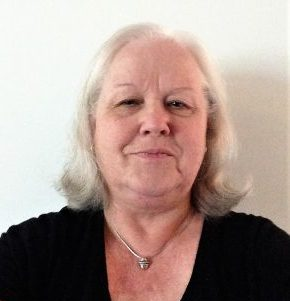
Headshot of Lesley Bennett wearing a black shirt.
Lesley Bennett, CT-RAN State Volunteer and new RDAC member

The council will give patients, families, caregivers, health care providers, advocates, researchers, and other stakeholders the opportunity to make formal recommendations to state agencies and the legislature on ways to develop policy and health care legislation to improve the lives of those people living with rare disease and their caregivers, according to Lesley Bennett, Volunteer Ambassador for the Connecticut Rare Action Network (CT-RAN) of the National Organization for Rare Disorders (NORD).

Connecticut Gov. Ned Lamont signed legislation establishing the council after rare disease advocates worked for years to get it going.

“We did it,” Lesley said. “It took eight years, but we did it.”

Introducing six new council appointees

Rare Disease Advisory Council members will include Insurance, Public Health, and Social Services commissioners, or their designees, and 10 members appointed by the Governor and the Public Health Committee leadership. Six new members were introduced at the Rare Disease Day event; four have yet to be announced.
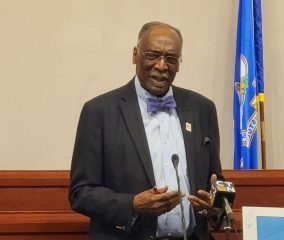
James Rawlings speaking on podium.
James Rawlings, President/CEO Sickle Cell Disease Association of America Connecticut Chapter, and new RDAC member

The six members and their council roles are:

Patient Advocate Representative: Lesley Bennett, RDAC Coalition Leader and CT-RAN Volunteer State Ambassador.

Pediatric Patient Representative: Saurabh Vaidya, Connecticut Hemophilia Society President, and father of a son with hemophilia.

Caregiver Representative: Mary Caruso, Friedreich’s Ataxia Research Alliance Founding Member, and caregiver for two adult children living with the disease.

Researcher: Joanna Gell, MD, Pediatric Oncologist and Hematologist, Connecticut Children’s, and Research Scientist, Jackson Laboratories.

Physician Treating Rare Disease Patients: Emily Germain-Lee, MD, Division Head, Pediatric Endocrinology & Diabetes; Director, Center for Rare Bone Disorders, Albright Center, and Osteogenesis Imperfecta Center.

Patient Representative: James Rawlings, R.PH, MPH, President/CEO Sickle Cell Disease Association of America, Connecticut, Michelle’s House.

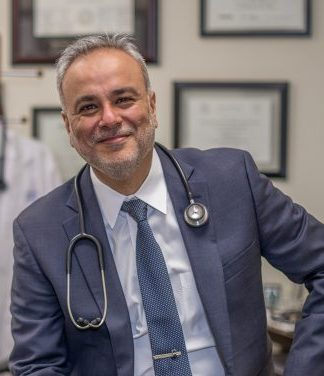
Saud Anwar in a blue suit with a stethoscope around his neck.
State Senator Saud Anwar

Connecticut Public Health Committee Co-Chair Sen. Saud Anwar told the gathering the time is here to find solutions to take care of and invest in the health of the rare disease population, saying the council must go forward with this mindset:

“Every illness is treatable. Every disease has an answer and a solution.”

The senator spoke about the realities of national and international collaborations resulting in developing regenerative medicine.

“We will put our hearts together a make sure we come out of the room with solutions. Everybody is here to help each other out.”
Connecticut Public Health Committee Co-Chair Rep. Cristin McCarthy Vahey told the group, “I look forward to working with you and being supportive in making things happen for all of you.”
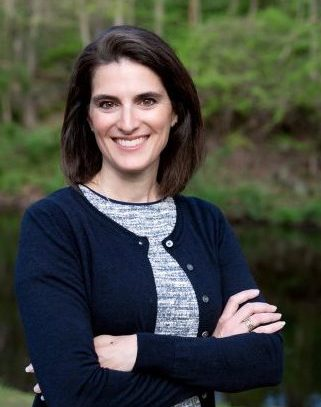
Cristin McCarthy Vahey wearing a blue cardigan.
State Representative Cristin McCarthy Vahey

Fewer than 40 treatments existed for rare disease 40 years ago; the number is now 600, according to Annissa Reed, NORD’s Associate Director of State Policy. She said she hopes the collaborative effort makes the dream of finding more rare disease solutions and access to medicine a reality.

Connecticut-based Hope in Focus advocated throughout the years with the Rare Action Network to help create the council, with Co-Founder and President Laura Manfre attending the Rare Disease Day event.

To see this year’s Hope in Focus statement in support of raising awareness of rare disease, including Leber congenital amaurosis and other rare inherited retinal diseases, please go to: https://old.hopeinfocus.org/hope-in-focus-rare-disease-day-statement-to-connecticuts-legislature/.

Having a voice at the state level
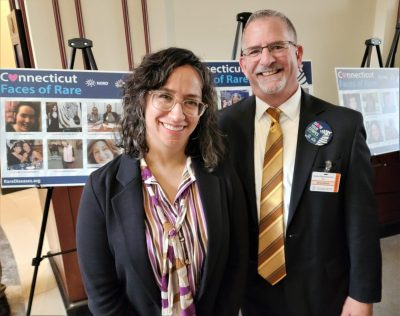
Laura (L) and Brian (R) in front of posters saying "Connecticut Faces of Rare".
Hope in Focus’ Laura Manfre with Brian Rosen of Axion Pharmaceuticals

Connecticut joins 24 states in establishing a council specifically to address the complexities of living with a rare disease, caring for someone with a rare disease, gaining access to treatment, and getting better insurance coverage. To find out whether your state has an RDAC or is developing one, please go to: https://rarediseases.org/rare-disease-advisory-councils/map/.

The council is critical, as it is exponentially more difficult for the rare disease population – inherently fewer in number than the rest of Connecticut – to have a voice on the state level.

A rare disease in the United States is characterized as any disease, disorder, illness, or condition affecting fewer than 200,000 people. With more than 7,000 known rare diseases, upwards of 90 percent have no FDA-approved treatment. About 1 in 10 people – more than 30 million Americans – live with a rare disease.

Most rare diseases are genetic or have a genetic component, more than half of those affected by rare diseases are children, and all pediatric cancers are rare.

Dominic Cotton, a rare disease parent and co-leader of the RDAC Coalition, thanked the Department of Public Health and its nearly 60 years of support for newborn screening.

“Without newborn screening, my son wouldn’t be alive today.”
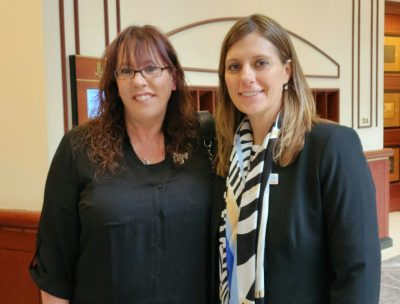
Kristen (L)  wearing all black and Jennifer (R) wearing black and zebra stripes.
Kristen Angell and Jennifer Huron of the National Organization for Rare Disorders (NORD)

Every newborn in Connecticut is assessed for a range of diseases, and each year more than a hundred babies tested for any one of the diseases are on a critical, early-intervention path leading to keeping a disease in check and people living fulfilled lives.

Kristen Angell, NORD’s Associate Director of Patient Advocacy, said the gathering is important for our population living with rare diseases.

“It gives them an opportunity to speak face to face with our General Assembly and let them know the daily struggles and challenges they face, and it provides the legislators an opportunity to assist in making a possible impact.”

Access to medication a matter of life or death

Rare Disease Day is all about awareness. Here is a sampling of what legislators learned from people living with rare diseases:

Pamela Johnson and her 10-year-old son have a rare, life-threatening disease called Hereditary Angioedema (HAE), a genetic condition that can cause severe swelling in various parts of the body and affects about 1 in 50,000 people globally. She has a well-paying job and feels she should be able to afford to pay for her medications, but they cost $90,000 a month.

With no access to life-saving drugs in 2017, she underwent two surgeries for severe swelling in her throat. Without medication, two or three times monthly, she would experience attacks making it extremely difficult to breathe.

Pamela Johnson wearing stripes and a NORD pin saying, "Show Your Stripes".
Pamela Johnson

David Leeds, who helped with the day’s introductions and has HAE, highlighted one aspect of life more difficult with a rare disease – getting treatment at a hospital. It is a place of stress, anxiety, and fear of not receiving the treatment he needs because doctors and nurses never encountered his disease.

He described two published investigations of major insurance companies denying coverage for medication to help people live. Insurance companies, rather than treating doctors, are deciding who gets to have medication and who doesn’t.

“This is every day for rare disease patients.” he said. “Insurance companies cannot be relied upon to determine what is medically necessary.”

***

Megan Freeman said no one should ever have to go through what a person living with a rare disease has to experience.

As if it were yesterday, she remembers the day she got her diagnosis, and her response:
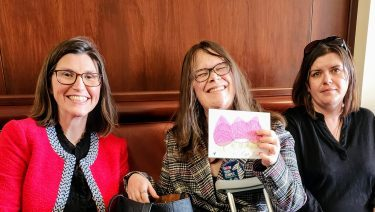
Three women smiling, Megan in the middle is holding up a drawing.
Alissa DeJonge (L), Megan Freeman, and her friend Elizabeth Nagle

“Am I going to die? Am I going to live? Am I going to be able to live to get married and live to have kids.”

Megan lives with 2q37 deletion syndrome. She is one of about a hundred people worldwide with the ultra-rare chromosome disease that can affect many parts of the body. She is an advocate and founder of her own rare disease organization. She praised the legislators for creating the RDAC, saying, “I give you guys an A for effort!”

***

Rachel O’Grady was diagnosed as an adult with two pediatric conditions: Tethered Cord Syndrome, a neurologic disorder caused by tissue attachments limiting spinal cord movement, and Spina Bifida Occulta that causes a small gap in the spine. Any resources for Rachel in Connecticut dried up when she turned 18, no longer qualifying for help as a minor.

“They would not see me, nor would they treat me,” she said. Maxed out in medical debt, she found help in Massachusetts.

***

Alissa DeJonge’s sixth-grade son lives with a bleeding disorder called Hemophilia A. She knows people living with rare diseases make tough choices, given the huge cost of necessary medicines, and looks forward to having the new council work to protect patient care, help caregivers, and allow parents to take time off from work.

***
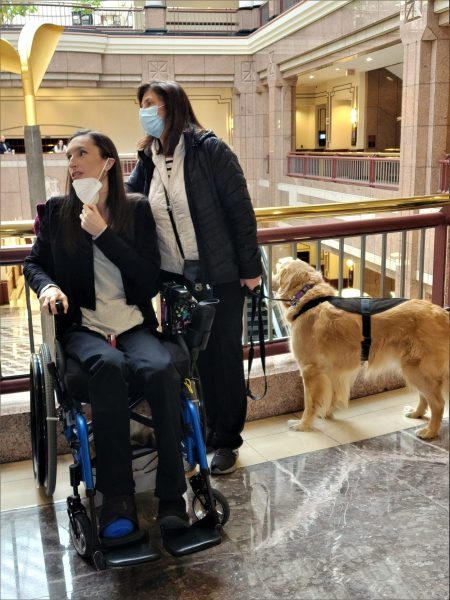
Kelly in her wheelchair, her mother is besides her holding her guide dog's leash.
Kelly Considine, with her mother, Susan, and service dog, Gunner, in the atrium of the Legislative Office Building

Kelly Considine, accompanied by her mother, Susan, came to raise awareness about and promote research for a rare chronic pain disorder she lives with called Complex Regulatory Pain Syndrome.

Kelly characterized the disease as the most painful condition known to modern medicine. She receives some relief from an implanted therapeutic device and receives help and love, from her mother and her service dog, a golden retriever named Gunner.

***

Amy LaChance, the mother and caregiver of a child with Syngap1, a genetic mutation affecting 1,200 people worldwide, said people need access to genetic testing to support research and trials for a treatment to fix this genetic typo.

It makes a difference when people with rare disease tell lawmakers their stories about needing access to tests and medicine, saying, “The squeaky wheel really does get the grease.”

Biotechnology growth important to state economy

Paul Pescatello, JD, PhD, is Senior Counsel and Executive Director of the Connecticut Bioscience Growth Council, a committee of the Connecticut Business and Industry Association’s biotech and biopharma members.
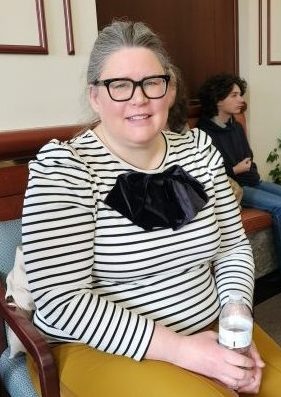
Amy LaChance wearing a striped shirt.
Amy LaChance

The bioscience council fosters collaboration with the life-science institutions of biotech and biopharma, and with the state to help grow this sector of Connecticut’s economy. Developing a new medicine costs about $2.7 billion and takes 12 to 15 years, he said.

“Essentially, it costs what it costs, no matter the size of the patient population,” he said. “That’s why it’s important to underscore how rare disease new medicine research typically leads to many insights and advances in drug development for larger patient populations.”

Keep telling your rare disease stories

Representative Vincent Candelora, house minority leader and rare disease champion, urged people to tell their stories to make people aware so lawmakers can help fashion policy to help them.

“If we don’t hear from you, it’s harder for us to do our job. It’s the true stories that tell us everything that’s going on.”

His advice echoed the encouragement we at Hope in Focus give to our LCA and IRD community – tell your stories to feel less isolated in your journey of living with a rare inherited retinal disease and to help advance research into treatments to improve vision or to halt vision loss.                                           

Connecticut Rare Disease Advisory Council Begins to Take Shape

The 13-member Connecticut Rare Disease Advisory Council (RDAC) is in the middle of its making, with the announcement of its first six members.

The council will give patients, families, caregivers, health care providers, advocates, researchers, and other stakeholders the opportunity to make formal recommendations to state agencies and the legislature on developing policy and health care legislation to improve the lives people living with rare disease and their caregivers.

The council will deliver its first report of findings and recommendations in November. Please click here for a summary of the RDAC legislation that Gov. Ned Lamont signed into law. Connecticut joins 24 states having a Rare Disease Advisory Council. To see whether your state is working to create such a group, please check here.

RDAC members will include Insurance, Public Health, and Social Services commissioners, or their designees, and 10 members appointed by the governor and the Public Health Committee leadership. Of those 10 appointments, here are the six announced at Connecticut’s March 23, 2023, celebration of Rare Disease Day:

Patient Advocate Representative: Lesley Bennett, RDAC Coalition Leader, and CT-Rare Action Network Volunteer State Ambassador, National Organization for Rare Disorders.

Pediatric Patient Representative: Saurabh Vaidya, Connecticut Hemophilia Society President, and father of a son with Hemophilia.

Caregiver Representative: Mary Caruso, Friedreich’s Ataxia Research Alliance Founding Member, and caregiver for two adult children living with that rare disease.

Researcher: Joanna Gell, MD, Pediatric Oncologist and Hematologist, Connecticut Children’s Hospital, and Research Scientist, Jackson Laboratories.

Physician Treating Rare Disease Patients: Emily Germain-Lee, MD, Division Head, Pediatric Endocrinology and Diabetes, and Director, Center for Rare Bone Disorders, Albright Center, and Osteogenesis Imperfecta.

Patient Representative: James Rawlings, R.PH, MPH, President/CEO Sickle Cell Disease Association of America, Connecticut, Michelle’s House.

We’ll let you know when the rest of the appointments are official. They include representation of hospitals, the biopharmaceutical industry, and people living with a rare disease.

Plans in the Works for Connecticut’s New Rare Disease Advisory Council and 2023 Rare Disease Day

Advocates for people living with rare diseases are collaborating with Connecticut Gov. Ned Lamont’s office and leaders of the Connecticut General Assembly’s Public Health Committee to build the state’s new Rare Disease Advisory Council (RDAC) that requires appointees, budgets, and bylaws be in place this summer.

Assistant Director of Advocacy for the National Organization for Rare Disorders (NORD) Kristin Angell joined Co-Ambassadors Katie Gillick and Lesley Bennett of NORD’s Connecticut Rare Action Network (CT-RAN) in hosting a Zoom conference with more than 30 people, including state legislators, patient advocates, doctors, researchers, industry leaders, health care providers, caregivers, and people living with rare disease.

NORD Rare Action Network logo

The meeting included two representatives from Connecticut-based Hope in Focus and discussions about the range of needs to be addressed by the new council and the planning of next month’s celebration of Rare Disease Day on Feb. 28.

“We are working on it, and we will get it done,” Bennett said.

A rare disease is defined as one affecting fewer than 200,000 people nationwide. More than 7,000 known rare diseases affect an estimated one in 10 people in the United States, translating to about 30 million people or 10 percent of the country’s population. Globally, 300 million people live with rare diseases.

With the establishment of a permanent Connecticut RDAC, 13 members will be appointed to advise and make recommendations to the Department of Public Health, the Department of Social Services, and other state agencies about the needs of people living in Connecticut with a rare disease and their caregivers. Advisory councils may differ from state to state. Please click here to check whether your state has an RDAC or is working to establish one.

Hope in Focus, in its advocacy for people living with Leber congenital amaurosis (LCA) and other rare inherited retinal diseases (IRDs), helped generate awareness of the need for an RDAC and for the legislation to make it happen.

The cause of many rare diseases is unknown, but about 80 percent are genetic, such as LCA and other IRDs, and about half of all rare diseases affect children.

Getting state agencies to understand the rare disease population is key to the RDAC. Even something as simple as putting links to national rare disease resources on state government departments’ websites would be a big step.

More than 40 people submitted applications to become part of Connecticut’s council, and six have been appointed so far. The names of the new members will be announced when all 13 have been appointed.

The group will include insurance, public health, and social services commissioners, or their designees, and 10 members appointed by the Governor and the Public Health Committee leadership.
Those 10 members will be:

  • a representative of an association of hospitals or a hospital administrator, and a physician with expertise in medical genetics
  • a representative of a patient advocacy group in the state representing all rare diseases, and a family member or caregiver of a pediatric patient living with a rare disease
  • a representative of the biopharmaceutical industry involved in rare disease research and therapy development, and an adult living with a rare disease
  • a member of the scientific community engaged in rare disease research, and a caregiver of a child or adult living with a rare disease
  • a physician who treats people living with a rare disease, and a representative, family member, or caregiver of a person living with a rare disease

Following the midterm elections and changes in some legislative seats at Connecticut’s General Assembly, educating lawmakers is key to finding solutions for people living with rare disease to have the necessary access, resources, and educational tools to enjoy their best quality of life.

One person attending the meeting talked about the need for more doctors and patient advocates in Connecticut because people living with rare disease often must travel to another state for medical care. She also mentioned the potential of patients being charged for sending simple questions to doctors through computer health care portals, and whether lawmakers attending upcoming Rare Disease Day events could help mitigate or eliminate those costs.

Please share any ideas to help raise awareness for Rare Disease Day and your thoughts on bringing Connecticut’s RDAC to fruition by getting in touch with Kristin Angell at kangell@rarediseases.org, Katie Gillick at katie.gillick@rareaction.org, or Lesley Bennett at lesley.bennett@rareaction.org.

NORD and CT-RAN plan another meeting later this month to discuss updates on the RDAC and Rare Disease Day.

Rare Disease Day 2022: Hope in Focus Promotes Rare Disease Advisory Council

Rare Disease Day 2022 kicked off today as people gathered across the country, including us here at Hope in Focus, to raise awareness and generate research for treatments and cures for rare diseases, including Leber congenital amaurosis and other rare inherited retinal diseases.

Hope in Focus joined more than 30 advocates gathered for a virtual celebration of Connecticut’s Rare Disease Day. The day, officially acknowledged annually on the last day of February, is celebrated nationally and globally as a concerted effort to raise awareness, to grant access to medications, therapies, and state services, and to encourage research on the more than 7,000 rare diseases.

The Rare Action Network (RAN) of the National Organization for Rare Disorders (NORD) organized Connecticut’s Rare Disease Day activities, the highlight of which was to inform the state legislature of the vital importance of establishing a Connecticut Rare Disease Advisory Committee (RDAC).

Courtney Assad, Hope in Focus Director of Outreach and Development, presented a statement from our organization in support of and RDAC, telling the group that research and investment paid off immeasurably with the development by Spark Therapeutics of LUXTURNA®.

“LCA patients treated with LUXTURNA® experienced dramatic changes in their lives with greatly improved or restored vision,” she said in the statement. “Five, 6, 7-year-old children treated with LUXTURNA® view life in a new light in big and little ways. They can now see rainbows arcing in the sky and stars shining at night.”

One in 33,000 people are affected by LCA, which represents 5 percent of all retinal dystrophies.

More than 20 states have established such councils and RAN is working toward creating a group for each state. This year, Connecticut’s attempt to establish an RDAC has move farther along than any of the efforts that began in 2015. A task force met a dozen times between 2017 and 2019, but a paper reporting the group’s recommendations never made it to the Public Health Committee of the Connecticut General Assembly.

RAN and NORD drafted legislation referred to as House Bill 5260 and called “An Act Establishing a Rare Disease Council.” We received great news that that the legislation was formally introduced and has been referred to the Joint Committee on Public Health. A public hearing is expected to be scheduled to hear testimony supporting the proposed legislation.

The council would advise and make recommendations to the Department of Public Health and other state agencies, regarding the needs of people in the state living with a rare disease and their caregivers.

It would consult with rare disease experts, develop policy recommendations for improving access to quality medical care, affordable and comprehensive insurance coverage, medications, medically necessary diagnostics, timely treatment, and other necessary services and therapies.

The RDAC also would perform a host of other functions in support of the 250,000 to 300,000 people living with rare disease in Connecticut. You can view the text of the legislation here.*

Rare disease affects more than 25 million Americans. This equates to 1 in 10 Americans, or one on every elevator and four on every bus, according to the National Institutes of Health (NIH). More than 300 million people worldwide live with a rare disease.

Thirteen members would make up the group that includes the commissioners of public health, social services and insurance or their respective designees

A hospital representative and a physician licensed in medical genetics would be appointed by the governor.

Other members would represent patient advocacy groups, family members or caregivers of a pediatric patient living with a rare disease, a caregiver of a child or adult living with a rare disease, an adult living with a rare disease, a rare disease scientist, a rare diseases physician, and a member of the biopharmaceutical industry.

Kristen Angell, NORD Associate Director of Advocacy, and Lesley Bennett, Volunteer State Ambassador for Connecticut’s RAN, organized the event.

Connecticut’s Lt. Gov. Susan Bysiewicz opened the session saying never doubt the power of advocacy and passionate volunteers that have extensively lobbied her and many others in the statehouse to create a RDAC.

“I have a lot of hope. I know my colleagues in the legislature are people of great compassion who will be working for you.”

U.S. Sen. Richard Blumenthal also offered a statement on the event: “This Rare Disease Day, I’m proud to join the National Organization for Rare Disorders as we renew our commitment to supporting patients, families, and essential caregivers. With robust federal investment, we can and will spur innovation of research, treatments, and cures for those living with rare diseases – saving countless lives in Connecticut and across the country.”

More than a dozen people – advocates, caregivers, patients, doctors, and businesspeople – shared their stories. Many of them are parents of children  living with rare diseases, such as rare muscle disorders, rare pediatric cancers, rare genetic disorders, and other diseases that often are described as pediatric Alzheimer’s and juvenile ALS (amyotrophic lateral sclerosis, known as Lou Gehrig’s disease.

Connecticut State Rep. Mitch Bolinsky, one of the legislators in on the meeting, said, “WOW! What an incredible group of advocates. You got us to the finish line and now we just have to get ourselves over it.”

“Let’s Chat About …” Webinar Provides Insight Into How the FDA Handles Rare Disease Treatments

Researchers and regulators did not miss a single step in the fast-tracked federal process of developing successful COVID-19 vaccines. And the same goes for fast-tracking gene therapies for rare disease treatments, Dr. Wiley A. Chambers II of the U.S. Food and Drug Administration said during a recent webinar hosted by Sofia Sees Hope.

As the Supervisory Physician in the FDA’s Division of Ophthalmology, Dr. Chambers discussed vaccines and processes necessary for drugs to be approved for human use in our February 16 webinar episode: “Let’s Chat About…What it takes to receive approval for a new treatment for rare disease.” Sofia Sees Hope Director of Marketing and Communications Elissa Bass moderates the free monthly webinar series. You can watch the webinar here.

Dr. Chambers joined the FDA in 1987 as a primary reviewer for ophthalmic drug products and in 1990 became a Supervisory Medical Officer for Ophthalmologic Drug Products. He has supervisory responsibility for the clinical review of ophthalmologic drug products and ophthalmic therapeutic biologic products submitted to the Center for Drug Evaluation and Research.
He has clinically reviewed more than 100 ophthalmology drugs that have received FDA approval, including the first gene therapy, LUXTURNA®, approved in December 2017. The drug – administered through subretinal injection – is a human-engineered virus containing a healthy version of the RPE65 gene that causes blindness in patients with a form of Leber congenital amaurosis (LCA) called LCA2 (RPE65).

Vaccines: “We’ve Got That Down”

Talking about the recently authorized COVID-19 vaccines, Dr. Chambers said it wasn’t a matter of starting from scratch.
“We know how to make vaccines. We’ve been making vaccines for over a hundred years. We make new vaccines every year. The flu shots that come out are a change in the vaccine every year and we put a vaccine out every year that’s specific to different strains of the flu. Every year. So, we’ve got that down.”

The process did differ in two aspects because of the urgency to quell the pandemic.

“What happened with COVID is the federal government said, ‘You companies go make the vaccines. We’re still going to go through the normal process of testing it, having the FDA go and review it, but don’t wait to see if the product works or not before you make up all those doses. Make them now. And we’re going to pay you for them whether it works or not.’

“So, the companies went and did that. We didn’t skip any steps. We know how to make vaccines. We did what we typically know. We made a series of vaccines and at the same time the companies were mass-producing, as everybody would suggest now, not enough, but made a number of doses out so that when the products got approved, they already had doses made. They didn’t have to start manufacturing doses.”

The second distinction is COVID-19 – which has killed more than 550,000 Americans and more than 2.6 million people worldwide – created a public health emergency requiring urgent mitigation.

Rather than getting FDA approval or clearance, COVID-19 vaccines received Emergency Use Authorization (EUA), one of several tools the FDA is using to help make certain medical products available quickly during the pandemic. Under an EUA, the FDA makes a product available to the public based on the best available evidence, without waiting for all the evidence that would be needed for FDA approval or clearance.

EUAs are effective until the emergency declaration ends, and they also can be revised or revoked by the FDA as it continues evaluating available data and patient needs during the public health emergency.

Developing gene therapies to improve vision also meets fast-tracking requirements because vision loss is considered serious. Fast-tracking gene therapy in ophthalmology means extra meetings and FDA communication.
“But you’re not skipping any steps at all,” Dr. Chambers said.

The FDA is a gatekeeper requiring that a product be safe and efficacious for its intended population before it can be marketed for human use. Dr. Chambers regularly talks with patients and solicits comments from groups about what is important to them in the search for potential treatments or cures. The information then can be modified into endpoints, or outcomes, measured scientifically through clinical trials.

“We strive to approve products that are going to benefit patients. That’s who’s going to take them. That’s who they’re for, that’s what we’re trying to go and match.”

Dr. Chambers said his personal preference is cures.

“I like diseases to go away. My endpoint, if given the choice, would be to have something go away. But I’ve got to have a product that’s capable of doing that too, so there’s a reality that sets in that I may not get a product that cures, that does everything I would like it to go and do, but we strive for as many of those things as possible and to then try to include them in the trials.”

As an example, he cited visual acuity (clarity of vision) and the ability to drive.

“For better or worse, in the United States, if you want to be independently mobile, as far as living alone in many parts of the country, you have to be able to drive…and every state in the United States has a visual acuity value that if you’re not at the visual acuity or better, you can’t get a driver’s license…

“We think visual acuity is an important thing to be able to improve for patients. Not because they say they want it but because we know if they don’t achieve that level, they’re not going to be able to drive and they’re not going to have the mobility that we know people want.”

Whether someone can see better in some aspect is an important endpoint, even if it means vision is not completely restored.
“I frequently make the comment that my head is going to hurt just as much if I get hit by a ball that I saw or that I didn’t see. If I have a blind spot and I can now not see a ball coming to me and I get hit with that ball, it’s going to hurt. It would have been nice if I had had the full field of vision so that I could see the ball coming and avoid it. So, if I improve my field of vision, even if it’s not dead center, even if it’s not visual acuity, it’s still a benefit to me.

“You’ll see us potentially approve products on things less than fixing the whole thing, but fixing some portion, and again, we’re absolutely open to suggestions by people of things that they think benefit them that we could use as endpoints.”

Research Models

Mice and rats, cats and dogs, rabbits and monkeys – they all play important roles in developing new treatments and drugs. With inherited retinal disease, dogs take the cake.

Researchers use animal models that most resemble humans, and in the case of LCA, studies showed dogs gained improved vision, leading to the federal approval of the groundbreaking drug LUXTURNA®.

Lancelot, a Briard descended from an ancient breed of large herding dogs in France, carried the same RPE65 gene that caused his blindness.

By contrast, rats would not make for good study models in retinal research because they do not have a macula.
“Rats are more interested in going around in the dark. Their eyes are different,” Dr. Chamber said. “You want to pick an animal that has similar receptors in that species.”

Lancelot and his cousins paved the way for FDA approval of the first-ever gene therapy for inherited disease in humans.

Road to Approval through Clinical Trials

The goal of the FDA is to approve a product proven to be safe and efficacious. The product’s potential adverse events are weighed against its benefits in the balancing act of risk versus reward.

The agency regulates interstate commerce, acting as a gatekeeper for any product intended for human use. Because a biotechnology company probably wants to ship the investigational drug to clinical investigators in many states, it first must seek an exemption from that legal requirement. The exemption is granted after the company submits its research for review.
“If we say nothing, they’re allowed to proceed. If we have an objection, we tell them in 30 days.”

The company can move forward with trials after the FDA assigns an Investigational New Drug (IND) number.

Beware of phony trials, Dr. Chambers said. The website clinicaltrials.gov lists both trials that have been issued an IND number and those overseen by the FDA. It also lists trials not reviewed by the FDA.

“First thing: Ask what the IND number is,” he advised. Dr. Chambers noted that clinical trials, for better or for worse, are never conducted for the people in the trial. They are geared to inform what is going to happen in the future with the product.
Rare diseases – such as the more than 25 forms of LCA and other rare inherited retinal diseases (IRDs) – present bigger challenges in finding participants for clinical trials because the rare disease community inherently represents fewer people. The definition of a rare disease in the United States is one affecting fewer than 200,000 Americans.

If only 30 people are studied, you are likely to see adverse events that occur in 10 percent or more of individuals, he said. If you study 300, adverse events can be picked up at a rate of 1 percent or above.

“It’s all about the numbers, numbers, numbers, numbers…It’s a numbers game.”

The process wends its way through more protocols, comparisons, studies, and trials until a company submits a marketing application reviewed by experts at the agency.

The FDA may hold Advisory Committee meetings for public comment from external reviewers, special government employees, patients, consumers, and advocates. In the case of LUXTURNA®, Sofia Sees Hope Co-Founder and Board Chair Laura Manfre testified at an Advisory Committee meeting on behalf of Spark Therapeutic’s application.

FDA oversight does not end after it approves a drug and a biotechnology company begins marketing it for human use.

“We now start monitoring for adverse events that might occur with the product,” Dr. Chambers said.

The process of receiving federal approval of products for human use can be long and expensive: LUXTURNA® research, development, and approval took 12 years and $500 million. The rewards, though, can be priceless, in helping children and adults see the world in a new light.

Raising Awareness by Sharing Rare Disease Stories

Had he received a more definitive rare disease diagnosis in 2003, Alan Gunzburg said he might not have lost so much vision and still might be able to drive.

In 2016 – 13 years after his initial diagnosis – the Greenwich, Conn., man learned his vision and hearing loss was caused by Adult Refsum Disease (ARD), a genetic metabolic disorder with symptoms that perhaps he could have staved off years ago through dietary restrictions. 

Doctors initially diagnosed Gunzburg with retinitis pigmentosa (RP) – a rare inherited retinal disease (IRD) causing progressive loss of peripheral and night vision. Those are also symptoms of Refsum disease, which, if undiagnosed, can be life-threatening. 

The disorder results in a buildup in the nerves and liver of phytanic acid, a type of fat found in certain foods. Other symptoms are loss of smell and hearing, numbness, unsteadiness, itchy skin, and shortened fingers and toes.

Gunzburg joined more than two dozen speakers who shared their stories during a Feb. 26 virtual Connecticut Rare Disease Day celebration sponsored by the National Organization for Rare Disorders (NORD) and the Connecticut Rare Action Network (RAN)

Read Hope in Focus (formally Sofia Sees Hope) 2021 Rare Disease Day letter to our elected representatives

His story reflects the plight of many people living with a rare disease because the more than 7,000 rare diseases in the United States are just that – rare. 

It’s difficult to correctly diagnose rare diseases when little information exists about them.

Some families living with rare disease find they must create their own advocacy avenues to educate the public and the medical community about diseases they’ve never heard of.

Gunzburg created the Global DARE Foundation with the mission of Defeating Adult Refsum Everywhere. His website gets the word out about the disease and gives information on symptoms, treatments, and research. 

Laura Manfre, co-founder and board president of Hope in Focus (formally Sofia Sees Hope), took that same route in 2014 after doctors genetically diagnosed her daughter with a form of Leber congenital amaurosis (LCA). As a global patient advocacy organization, Sofia Sees Hope helps transform the lives of those affected by blindness caused by LCA and IRDs by generating awareness, supporting affected families, and raising funds to advance research for diagnosis, treatments, and cures.

Creating Rare Disease Advisory Councils

The global phenomenon of Rare Disease Day exists to create awareness of rare disease, characterized in the United States as affecting fewer than 200,000 people. With more than 7,000 rare diseases, 25 million to 30 million Americans are affected by rare disease. That means one in 10 Americans suffer from rare diseases, and more than half of them are children. The European Organization for Rare Disorders (EURODIS) organizes the international campaign.

Nationally, Rare Disease Day brings together each state’s RAN ambassador – in Connecticut’s case, Volunteer State Ambassador Lesley Bennett – along with patients, caregivers, doctors, advocates, legislators, academics, and business and biotech leaders to generate awareness, increase patient and caregiver support, and drive research for treatment and cures.

This year’s event focused on creating Rare Disease Advisory Councils (RDACs) in all 50 states through NORD’s Project RDAC. Councils are made up of various stakeholders, including patients, caregivers, doctors, insurers, biotechnology companies, researchers, and state officials.

Project RDAC’s goals are to optimize existing councils and increase the number of groups nationally by opening collaborative opportunities among councils, creating educational resources to guide them, and helping more states pass legislation that establishes high-functioning councils.

More than a dozen states have RDACs, 12 are pursuing RDAC legislation, and another 23 states do not have an RDAC.

Connecticut is working toward creating a permanent RDAC task force, after a temporary group disbanded in 2019. Check out this map to see if your state has an RDAC or if NORD is working on legislation to create one. To start an effort in a state, click here

NORD’s Kristen Angell moderated the virtual celebration that featured more than two dozen people, sharing stories about the struggles and successes in the world of rare disease. A recording of the celebration will be available soon.

Suzanne Candela literally told an uplifting story as outreach and mission coordinator for Patient Airlift Services (PALS) with the motto: “Going Above and Beyond to Lift People Up.”

Volunteer pilots help eliminate logistical barriers to treatments by using their own aircraft, fuel, and time to fly patients to appointments. Over the course of 10 years, the company helped 2,900 families in 23,000 flights, covering more than 5.4 million miles. Candela told of a girl flown from northern Maine to Boston for repeated cancer treatments. The patient has flown on PALS flights about 60 times and counting.

The service could eliminate transportation barriers for participants in out-of-state clinical trials. The company also has flown 900 flights bringing combat-wounded veterans to appointments.

Connecticut State Sen. Cathy Osten described the story behind proposed legislation that she and State Rep. Christine Conley introduced this session to help a local family struggling to pay for special food for their two children diagnosed with phenylketonuria (PKU). The family’s share of the cost is about $36,000 per child per year. Osten said insurance companies hesitate to pay but the expense is well worth it when it comes to the quality of life for people with PKU.

David Leeds of Avon has the rare disease Hereditary Angioedema with normal C1 Inhibitor (HAE-nC1Inh), a new form of hereditary angioedema (recurring episodes of swelling) identified in 2000.

If he goes to the hospital in this time of the COVID pandemic and no one knows about his rare condition and no one can speak on his behalf, Leeds said, “We just have to hope that my rare disease doesn’t kill me before they send me home.

“I have to know everything about my disease because my doctors don’t.”

John Hopper, one of the emcees of the virtual celebration, heads the Greenwich-based Fibrolamellar Cancer Foundation that advocates for people living with fibrolamellar carcinoma, a rare liver cancer that usually occurs in adolescents and young adults with no history of liver disease.

Hopper, who also co-chairs NORD’s Rare Cancer Coalition, said his strategy is to be what he calls “the mouse that roared.” 

“That means we know we’re small, but we know we have to be loud,” Hopper explains on his foundation’s website. “Most people don’t know about rare diseases. Unfortunately, a lot of people don’t care about them. Our strategy is to be that loud voice – that leader – to make sure that every stakeholder from government to academia to pharmaceutical pays attention to this cancer and understands that working on this small cancer may lead to bigger things too for the rest of them.”

Hopper encouraged all the participants in the virtual rare disease day event to be that mouse that roars.

Rare Disease Day 2020: Lawmakers Hear From Advocates

Rare disease patients, caregivers, advocates, researchers, doctors, healthcare providers and lawmakers gathered at Connecticut’s capitol in Hartford on Friday, Feb. 28, to celebrate Rare Disease Day 2020 and raise awareness because rare medical conditions often are overlooked by health-policy decision makers and the medical community. 

CT Rare Disease Day at the state Capitol in Hartford. Photo courtesy NORD.

The National Organization for Rare Disorders (NORD) and its Rare Action Network (RAN) organized the event for Rare Disease Day, celebrated nationally and in more than 85 countries. Click here for information on your state’s events, RAN and Rare Disease Day.

A disease is defined as rare in the United States if it affects fewer than 200,000 Americans. As many as 7,000 rare diseases exist nationally, affecting 1 in 10 people. Between 25 million and 30 million Americans live with a rare disease, including about 300,000 in Connecticut alone. 

Sofia Sees Hope, based in Ledyard, Conn., gave information to legislators on the Connecticut General Assembly’s Public Health Committee, letting them know that rare disease advocates and those living with a rare disease, such as Leber congenital amaurosis (LCA) and other rare inherited retinal diseases (IRDs), need state and federal support in crafting legislation to help the rare disease community. 

Awareness helps research

We wanted to impress upon the committee that dedicated, grassroots attention and awareness to specific rare diseases generate incredible results in finding cures and treatments. Children living with visual impairment now can regain their vision through a ground-breaking retinal medicine called LUXTURNA

The legislators learned that for six years Sofia Sees Hope has been generating awareness, supporting affected families and raising funds to advance research for diagnosis, treatments and cures for blindness caused by LCA and other IRDs, such as retinitis pigmentosa (RP). 

Here’s our legislative statement in its entirety: 

LCA is characterized by severe vision loss at birth. While some children are born with little or no vision, others may have significant vision loss in the first few years of life, stable vision for a period, and then eventually complete vision loss as the retina deteriorates into total blindness.

The optimal window for reversing vision loss is during the early phase of the disease. Creating avenues to affordable treatments and accessibility to resources is imperative and often can be inhibited by insurance regulations and other rules limiting access to help and support patients.

More than 25 genes are associated with LCA and a mutation in just one of these can result in blindness. The rare disease occurs in 1 in 33,000 to 1 in 88,000 people and makes up 5 percent of all retinal dystrophies. Twenty percent of children with visual impairment and attending special schools have LCA; it is the second most common inherited retinal dystrophy after retinitis pigmentosa.

A patient needs a confirmed genetic diagnosis to proceed with appropriate treatment avenues. Sofia Sees Hope has given more than $100,000 to provide families, including those in Connecticut, free access to genetic testing and has directed $275,000 to genetic retinal research. Patients also need support from their lawmakers to ensure they receive the quality of life to which they are deserving.

After decades of research and dedicated investment in studies, scientists created a breakthrough genetic therapy that helps restore vision in patients with one of the genetic mutations causing LCA. The U.S. Food and Drug Administration in 2017 approved this treatment – developed by Spark Therapeutics and called LUXTURNA – which also is the first genetic therapy ever in the United States to treat ANY rare inherited disease.

LCA patients treated with LUXTURNA experienced dramatic changes in their lives with greatly improved or restored vision. Children who are 5, 6, 7 years old and have been treated with LUXTURNA view life in a new light in big and little ways. They now can see rainbows in the sky and stars shining at night.

Our lawmakers need to know that we fully support the principle that all FDA-approved treatments should be made available to all those who will benefit from such treatment, and to reject any proposed requirements restricting access to medications.

Sofia Sees Hope also encourages the Connecticut General Assembly to establish a Rare Disease Advisory Council comprised of patients, patient advocates, doctors, researchers and community members to address the emerging public health priority of rare diseases, including LCA.

More than 20 people – legislators, patient advocates, patients, caregivers, researchers, doctors and businesspeople – spoke during the morning event to a crowd gathered in the second-floor atrium of Connecticut’s Legislative Office Building. 

Jean Kelly, co-founder of Brian’s Hope, spoke on behalf of her son, Brian, and others with Adrenoleukodystrophy (ALD), an x-linked metabolic disorder that destroys myelin, the protective sheath that surrounds the brain’s neurons – the nerve cells that allow us to think and to control our muscles. She and her husband are 24/7 caregivers of Brian who was diagnosed at age 6 and is now 31. Their son can hear but he cannot speak, see or walk. She advocated for more help for parents who must devote their lives to caring for their children. She and her husband advocated for mandatory ALD newborn screening in Connecticut, which was passed into law in 2013.  

Laura Morris from the state’s Office of Health Strategy thanked legislators for the passage 10 years ago of a law requiring health insurance coverage for wound care for people like her daughter, who lived with Epidermolysis Bullosa (EB), a group of rare genetic conditions that result in easy blistering of the skin and mucous membranes. 

A host of other speakers talked about dealing with enormous monthly bills, tangles over insurance coverage and the overwhelming stress on rare disease patients and caregivers.

NORD Director of State Policy Heidi Ross, in a statement from the organization’s President and CEO Peter L. Saltonstall, told the group:

“The purpose of Rare Disease Day is to bring patients and advocates together to articulate with one voice the shared message that millions of people around the world are suffering with unmet medical needs and need help. Our patients need earlier diagnosis; safe, effective treatments; and assured access to medical care and other services …

“There are events like ours today taking place in state capitol buildings across the nation, where elected officials are meeting with patient advocates to better understand what life is like with a rare disease, and how health care decisions they make at the state level – on issues such as newborn screening, medical insurance, cost-sharing and (specially formulated) medical foods – have a major impact” on those living with a rare disease.

Saltonstall’s statement ended with NORD’s credo:

Yes, we are.

Connecticut Rare Disease Day 2020

Rare Disease Day banner with zebra stripes. "Make an Impact on Rare Disease Day! Show Your Stripes."

The end of February signals the time to focus awareness on rare conditions by celebrating Rare Disease Day, a global event addressing the thousands of rare diseases that affect one in every 10 Americans.

Rare medical conditions affect 300,000 people in Connecticut, the home state of Sofia Sees Hope, and 30 million nationwide.

Yes, those are astounding figures that call for astounding action to bring attention to the needs of people living with rare diseases, such as Leber congenital amaurosis (LCA), one of the more than 7,000 rare diseases. The day – and its events that happen nationally and in more than 85 countries – fosters awareness needed to drive research for cures and treatments for rare diseases often overlooked by health-policy decision makers and the medical community.

In Connecticut, people living with rare disorders and their families, along with lawmakers, caregivers, advocates, advocacy organizations, healthcare providers, industry leaders and researchers will gather at the Capitol in Hartford to celebrate Rare Disease Day 2020 by highlighting their concerns and seeking help for solutions from state lawmakers.

Sofia Sees Hope plans to relay rare disease advocacy information, including the importance of genetic testing, to legislators on behalf of people living with LCA and other rare inherited retinal diseases (IRDs).

The public is invited to attend this legislative forum and breakfast at the Legislative Office Building, 100 Capitol Ave., Hartford, from 8 a.m. to 11 a.m., Friday, Feb. 28, the last business day before 2020’s official Rare Disease Day, Saturday, Feb. 29. The event takes place in the building’s second-floor atrium that looks out to the gold-domed Capitol building.

The National Organization for Rare Disorders (NORD) is the U.S. sponsor for Rare Disease Day 2020. The Hartford gathering, as with many others across the nation, is organized by NORD and its Rare Action Network (RAN). The focus for this year’s Rare Disease Day is the impact that rare diseases have on patients, families, caregivers, healthcare providers and local communities.   

For more information about this free event, please contact Lesley Bennett, RAN’s Connecticut Volunteer State Ambassador at Lesley.bennett@rareaction.org or 203-829-7650. Also, here is a link to information on all states regarding RAN and Rare Disease Day: https://rareaction.org/resources-for-advocates/state-profiles/

Here’s a look at the prospective speakers 

Dominic Cotton, a father and advocate for those with rare diseases and brain injuries, will emcee the event that begins after the 8 a.m. sign-in and breakfast.

Heidi Ross, NORD’s Director of State Policy, will offer opening remarks, followed by the legislative welcome by state Rep. Jonathan Steinberg, Co-Chair of the General Assembly’s* Public Health Committee; Rep. Michelle Cook,* member of the Public Health Committee; Sen. Len Fasano, Senate Majority Leader; and Jean Kelly of Brian’s Hope, a non-profit she and her husband, Jack, founded in 2012 for their son, Brian, diagnosed at age 6 with Adrenoleukodystrophy (ALD), an x-linked metabolic disorder. The couple advocated for mandatory ALD newborn screening in Connecticut, which was passed as law in June 2013. 

Dr. Karen Rubin, a pediatric endocrinologist at Connecticut Children’s Medical Center (CCMC), and Adrienne ManningConnecticut’s Newborn Screening (CT NBS) Program Division Director in the Department of Public Health Laboratory, will address diagnoses and treatments in newborns. State law requires all newborns to be screened for certain genetic and metabolic disorders. The program’s efforts help prevent disability and premature death by ensuring newborns receive the screening and, when needed, evaluation and treatment.

Dr. Rubin and Manning are part of a new partnership between the NBS Program and CCMC called the Connecticut Newborn Diagnosis and Treatment Network.

Silvia Vilarinho, MD, PhD, and Donna Sciacca of the American Liver Foundation are  scheduled to talk about rare liver disorders. Dr. Vilarinho, Assistant Professor of Medicine (Digestive Diseases) and of Pathology at Yale University, is a physician-scientist who uses genetics, genomics and human samples to investigate the molecular basis of various liver diseases of unknown causes. Sciacca is the Community Outreach and Education Manager for the foundation’s Connecticut division.

Dr. Joanna Gell of Jackson Laboratories and CCMC will address germ cell tumors, which can be cancerous or noncancerous growths that form from reproductive cells. Dr. Gell is Assistant Professor in the Department of Pediatrics at the UConn School of Medicine.

Dr. Charles Whitaker, a neurologist who sees patients at the Hospital for Special Care (HSC), will talk about adult neuromuscular disorders.

Laura Morris, mother of a patient with epidermolysis bullosa (EB), a group of rare genetic conditions that result in easy blistering of the skin and mucous membranes, will appear with Rep. Russ Morin, who authored legislation that helped EB patients. Morris is Outreach Coordinator for the state’s Office of Health Strategy.

Dan Donovan, Co-Founder and CEO of rareLife solutions, will address the scarcity of literature on rare diseases.

Father Nikolas Karloutsos will moderate a pediatric panel about the impact of pediatric rare diseases on families. He is a caregiver for his daughter who has a BRAF mutation Rasopathy – probably Cardiofaciocutaneous (CFC) Syndrome – which causes issues with behavioral health and cognition. 

Taking part in the panel will be: 

  • Heather Knapp, caregiver and mother of four, whose youngest was identified at birth through the NBS Program with Phenylketonuria (PKU), an inherited disorder that increases the levels of a substance called phenylalanine in the blood. If untreated, phenylalanine can build up to harmful levels in the body, causing intellectual disability and other serious health problems.
  • Jim Kubicza, who has a son with Angelman syndrome, a complex genetic disorder that primarily affects the nervous system.
  • Information that will be shared on behalf of Marissa B., mother of a child with CDKL5, a neurodevelopmental and epileptic encephalopathy disease characterized by difficult-to-control seizures that begin in infancy, followed by significant delays in many aspects of development. She and her husband provide 24/7 care for their child, who is among those on a years’ long waiting list for a special children’s waiver for Medicaid coverage.  

A panel on the impact on adults with rare diseases will follow, and includes:

  • Carmen Wooster, mother of a daughter with Stiff Person Syndrome (SPS), a rare, progressive syndrome that affects the nervous system, specifically the brain and spinal cord.
  • Beverly St. Onge on Common Variable Immune Deficiency (CVID), one of the most frequently diagnosed primary immunodeficiencies, especially in adults, characterized by low levels of serum immunoglobulins and antibodies, which cause an increased susceptibility to infection.
  • Input on DiGeorge syndrome, a chromosomal disorder that results in poor development of several body systems.
  • The Leeds family regarding hereditary angioedema, a disorder characterized by recurrent episodes of severe swelling.

Paul Pescatello is also set to speak. Pescatello is President and CEO of the New England Biotech Association and chairs Connecticut Business & Industry’s Bioscience Growth Council.

Rare Disease Advocacy: There’s Power In Numbers

Tell your story. Tell your story again. Then tell it again.  

That’s the beginning of advocacy for rare disease. 

“You have to be assertive and speak up. You don’t have time to waste!” advocate Terri Booker implored her audience at the Sofia Sees Hope second LCA Family Conference.  

Booker, a lawyer and an advocate for people living with Sickle Cell Disease (SCD), spoke as part of a four-member, patient-advocacy panel called “Your Voice Matters!” moderated by Hope in Focus (formally Sofia Sees Hope) Executive Director Annette Tonti.

More than 80 people from 15 states and Mexico attended the July 27 conference in Philadelphia. The event brought together people living with Leber congenital amaurosis (LCA)inherited retinal diseases (IRDs), SCD, which is a group of inherited blood disorders, and Barth Syndrome, a rare genetic disorder that can cause heart failure, muscle weakness and infection.

These diseases are among the 7,000 rare diseases affecting 25 million Americans. 

Kristen Steele hired a lawyer and filed a lawsuit in order to make her career dreams come true. Read her story here.

“Imagine the impact if we all get together and say, ‘We’re here! Twenty-five million people who can vote!’ ” said Booker, who works professionally and personally to help seek justice in the Philadelphia community.

Live long with advocacy

She co-founded the Young Adult Sickle Cell Alliance after her last hospitalization for SCD-related problems in 2012. Doctors with no answers asked what she usually did when symptoms occur, and she replied: “I thought I was here to get help from you.”

SCD is a group of disorders that affects hemoglobin, the molecule in red blood cells that delivers oxygen to cells throughout the body, according to the National Institutes of Health (NIH). People affected have atypical hemoglobin molecules called hemoglobin S, which can distort red blood cells into a sickle or crescent shape.

“I’m talking about it every chance I get,” she said.

If someone notices she’s limping, she tells them she’s got sickle cell, a genetic disorder, “where a whole bunch of cells get together and attack your body, your heart, your eyes, your joints.”

“It’s about accommodating you and whatever it is you’re going through, to make it easier to function.”

Young people with SCD especially need to be empowered to speak up for what they need when they need it and Booker focuses on youth for a big reason: “As a child (with a rare disease), they love you. Once you become an adult, people don’t care about you anymore.”

She encouraged advocating for rare diseases by taking part in events surrounding Rare Disease Day, celebrated annually the last day of February. Rare Disease Week in Washington, D.C., and a multitude of events happen nationally and globally around that time.  

“Help sickle cell patients live long with advocacy,” she said.

The more members of Congress and state legislatures hear stories from rare disease patients and advocates, the more progress will be made toward funding research to find treatments and cures.

“Don’t be afraid,” Booker said. “No one can tell your story but you.”

Panel member Jill Dolgin, PharmD, Head of Patient Advocacy at Applied Genetic Technologies Corp. (AGTC), said rare diseases are small diseases, and suggested a way for people with rare disease to be heard above the noise of research news on more familiar diseases.

“I call it building an orchestra,” – talking about LCA, inherited retinal diseases (IRDs), blindness and genetic testing on the internet, in social media and at conferences – so you’re all “singing the same song” and constantly increasing the volume and frequency of the messages in the song. 

AGTC is developing genetic therapies to treat patients with rare inherited conditions, with its most advanced therapy programs designed to restore visual function and meet the needs of patients with rare blinding conditions, according to the company’s website.

Dr. Dolgin, a healthcare professional with more than 20 years’ global experience in public policy and patient and professional advocacy, said she brings the voice of the patient to small- and medium-sized biotechs to ensure that the needs of the patient are considered and incorporated into every aspect of drug development.

“I’m really helping one patient, one family at a time.” 

Panelist Jamie Ring is Head of Patient Advocacy at Spark Therapeutics, developer of LUXTURNA™, the first approved drug in the United States and Europe to treat an inherited genetic disease and to treat the RPE65 gene which, when mutated, causes one of the more than 25 forms of LCA. She previously worked at Genzyme, a Sanofi company, where she led rare disease patient advocacy and humanitarian programs. 

Ring said her role at Spark Therapeutics is three-fold. 

She serves as a liaison between the company and rare disease communities: “Serving as the voice of the patient inside the walls of our organization.”

She hears directly from the community: “At Spark, it’s really critical for us to understand what the needs of the patients are. You all have a voice at that table.”

Ring also helps connect different rare diseases together to learn how they develop and progress.

LUXTURNA came to fruition after 12 years of research and more that $500 million in investment. The U.S. Food and Drug Administration gave its approval in December 2017. 

“Be involved,” Ring advised the gathering. “Understanding what matters to you, matters to us.”

Panelist Emily Milligan, Executive Director of the Barth Syndrome Foundation, said she is socially and medically committed to serving underserved populations. Before leading the foundation, she launched an $80 million venture fund developing products for Type 1 diabetes and worked with the Juvenile Diabetes Research Foundation overseeing an annual $100 million research portfolio.

Barth Syndrome primarily affects boys and is a multiple-system, complex disorder caused by a chromosomal mutation. It can cause growth delay, impaired lipid metabolism and extreme fatigue. Severe symptoms can result in needing a heart transplant, contracting potentially lethal infections and even death.  

The syndrome, Milligan said, can turn a scraped knee into a trip to the emergency room with sepsis, a life-threatening condition occurring when the body cannot fight infection.

The foundation, she said, became the 14th organization to host a high-level meeting with the FDA, where more than 25 percent of the Barth community, which is about 250 worldwide, told their stories. In research, a second clinical trial is underway toward changing the biology associated with Barth that could mean an improved quality of life for some.

“You have to come together,” Milligan told the group. 

This family conference in Philadelphia has such an enormous impact when people gather together for a common goal, she said. 

“You have no idea the power in numbers. You are a community.”

Human Genome Project: Critical to Modern Gene Therapy Success

The long and sometimes uncompromising road to completing the Human Genome Project (HGP) paved the way for today’s surge in genetic therapy, Dr. Katherine A. High said in her presentation at the second Hope in Focus (formally Sofia See’s Hope) LCA Family Conference.

“It was a tremendous achievement,” Dr. High said, “And it forms an important bedrock for everything we are trying to do in gene therapy.”

The HGP began in 1990 with an international, collaborative quest to map and understand all the genes of human beings and their roles in health and disease. The project, completed in 2003, revealed that there are probably about 20,500 human genes, referred to collectively as our genome, according to the National Human Genome Research Institute (NHGRI).

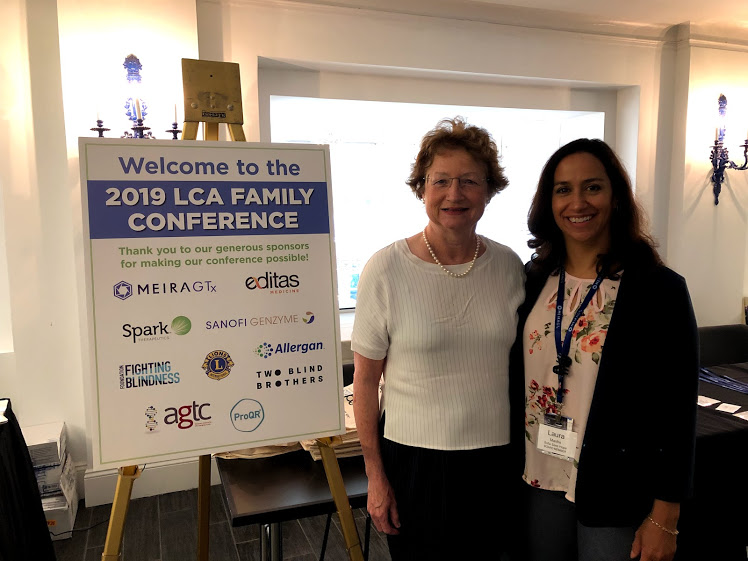
Dr. Katherine High and Laura Manfre next to a Welcome poster
Dr. Katherine High and Sofia Sees Hope co-co-founder Laura Manfre at the LCA Family Conference in July.

Dr. High, keynote speaker and accomplished hematologist with a longstanding interest in gene therapy for genetic disease, kicked off the July 27 conference in Philadelphia.

More than 80 patients, family members, advocates, doctors, researchers and biotech industry leaders from 15 states and Mexico gathered for exchanges of knowledge and ideas about Leber congenital amaurosisinherited retinal diseases (IRD) and other rare diseases. The conference grew out of the Sofia Sees Hope Family Connections program that brings together families living with LCA and other IRDs in a supportive community to help alleviate feelings of isolation that often come with a rare-disease diagnosis. 

Dr. High and her team at Children’s Hospital of Philadelphia (CHOP), including Dr. Jean Bennett and Dr. Albert Maguire, developed – from clinical trials to regulatory approval – the first gene therapy for any inherited genetic disease in the United States; it also is the first genetic therapy targeting a retinal disease worldwide. The treatment focused on LCA caused by mutations in the gene RPE65, one of the more than 25 different genes, that, when mutated, can lead to LCA.

‘The Long & Winding Road’

Spark Therapeutics, a company that spun off the team’s research at CHOP, developed the therapy called LUXTURNA™ after 12 years of research and more than $500 million in investment. The U.S. Food and Drug Administration (FDA) approved the human-engineered, injectable drug in December 2017. Beginning in 2018, patients with low vision caused by LCA-RPE65 underwent surgery to help improve their eyesight. 

LUXTURNA and the dozens of clinical trials now underway for retinal disease would not be possible if not for the HGP. Dr. High, Spark’s president and head of research and development, elaborated on the genome project in her presentation, “The Long and Winding Road: How the Human Genome Project and Gene Therapy Research Led to the First Gene Therapies for Genetic Disease.”

The ultimate product of the HGP – detailed information about the structure, organization and function of the complete set of human genes – can be thought of as the basic set of inheritable instructions for the development and function of a human being, according to NHGRI information.

Dr. High said the burden of genetic disease falls heavily on children’s hospitals, with 25 million Americans having a rare genetic disease. 

A 4-year-old made genetic history after receiving the first genetic transfer in the United States in 1990, leading eventually to licensing of a product for the same disease in Europe in 2016. But that span of time did not represent an unbroken chain of successes, Dr. High said. “Instead, it was punctuated by a number of adverse events and failed results.”

A teenager died in a 1999 genetic trial in Philadelphia, and in 2003, children in a Parisian clinical trial developed leukemia. 

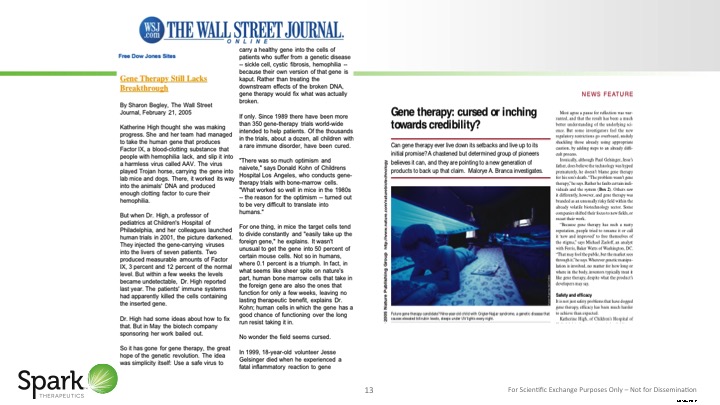
A Wall Street Journal article about Spark Therapeutics

“Gene therapy was just not ready for prime time and there was a decline in trials and participation.”

Headlines such as “Gene Therapy Still Lacks Breakthrough” and “Gene Therapy: cursed or inching toward credibility” mirrored waning interest from pharmaceutical companies and investors.

Instead, the American and European Societies of Gene and Cell Therapy, the National Institutes of Health (NIH), of which the National Human Genome Research Institute is part, and academic medical centers, like CHOP and its Center for Cellular & Molecular Therapeutics, sustained genetic therapy research through rough times, allowing investigators to develop therapeutics based on best science, not commercial considerations, Dr. High said.

Investing in the RPE65 blindness clinical trials during this time ultimately led to the development and FDA approval of LUXTURNA.

“The ability to work through those adverse events brought us to where we are now,” she said.

In the United States, the clinical development phase of a drug begins when a sponsor files an Investigational New Drug application (IND) with the FDA. IND submissions with gene therapy products went from zero in 1963, to three in 1990, to more than 100 in 2017. Following LUXTURNA’s market entrance in 2018, sponsors submitted more than 200 INDs.

“The level of activity in the last few years is truly extraordinary. It’s a very compelling statement of how people are investing time and energy into gene therapy,” which High said is probably the most complicated treatment researchers have tried to develop.

“It’s a complex therapeutic. The outside is a protein. The inside is a piece of DNA and those things have to be assembled in the exact proportions or it’s not going to work right.”

Dr. High also described the increased progression of identifying genes involved with vision – from zero in 1980 to more than 300 by January 2019. 

“It’s daunting to think about the number of development programs that might need to be initiated and taken all the way through. But a journey of a thousand miles begins with a single step.”