Living with IRDs: Insights and Inspiration from the Front Lines

The 2025 LCA Family Conference in Minneapolis, MN, offered four informational panel sessions, where the 135 attendees learned about living with Leber congenital amaurosis (LCA) and other inherited retinal diseases (IRDs), participating in clinical trials, and the latest research and therapy updates.

The first session, “Living with an IRD,” was moderated by Laura Manfre, co-founder and Board Chair of Hope in Focus. This session is often a highlight for families wanting to learn how to support their children diagnosed with an IRD.

Laura Manfre, Lee St. Arnaud, Elle St. Arnaud, Jack Morris, Leslie Morris

Laura posed questions to the four panel participants, which included 18-year-old Elle St. Arnaud, who has LCA IQCB1/NPHP5 and is attending Boston University this fall, and her father Lee St. Arnaud, and 22-year-old Jack Morris, who has RP CRB1 and is a recent graduate of Brown University, and his mother Leslie Morris.

Below are some of the panelists’ edited responses to Laura’s questions.

What has your school journey been like? What challenges have you faced, and how did you advocate for yourself?

Elle St. Arnaud

Elle was educated in the public schools with a paraprofessional supporting her in class from preschool through fourth grade. She said that a key to her success was learning to advocate for herself early on by participating in her individualized education plan (IEP) meetings, explaining her accommodations to teachers, and taking responsibility for communicating her needs, especially regarding her vision. Elle reflected on the importance of self-advocacy and how it has shaped her life.

“It’s vital for kids to be able to explain their accommodations, as others often don’t fully understand visual impairments,” she said. “While I’ve had positive experiences, I’ve also faced challenges, such as being discouraged from joining the debate team or taking advanced classes. I pursued both anyway, proving that being blind doesn’t limit one’s ability to succeed. Self-advocacy and standing up for your needs are essential life skills.”

Jack Morris

Jack started in public schools and later switched to a private school. His vision was relatively good throughout most of his schooling. Jack thought he might have done even more to advocate for himself. Still, regular meetings with teachers and advisors proved very helpful. He said, “When people understand what you need, they generally want to help.” Although at the university level, he said some professors were resistant to making accommodations.

He stressed that “Accommodations are not favors—they are necessary for success. Blind individuals are not less intelligent; they simply need equal access to materials to perform just as well as others. Having confidence in advocating for these needs is crucial, and legal protections like the ADA support this.”

As parents, can you share a little about your journey? How was it seeking a diagnosis, and what are some things you wish you’d known earlier?

Lee St. Arnaud

Lee explained that Elle and her older brother, Patrick, both have LCA. When trying to diagnose Patrick’s vision issues, he shared how difficult it was when the doctor offered only a brief response, instructing them to return in five months to confirm their son’s blindness. Overwhelmed, the family immediately reached out to resources like the Chicago Lighthouse for the Blind, which connected them with supportive networks and foundations.

Lee stressed the importance of parents being proactive and finding tools like a detailed year-by-year visual goals guide, which they used effectively in IEP meetings to advocate for their children’s needs. He emphasized the importance of being prepared, pushing for necessary services, and actively advocating for the child and family.

The St. Arnauds encouraged their children to participate in outside activities like adaptive climbing and the live hockey association. “So many times we were nervous and sweating bullets. But by the time we got done, the kids were like, you know what? We can do this!” Lee said.

Leslie Morris

Leslie said that Jack’s diagnosis with a recessive form of RP at age five came as a shock because there was no family history. She described feeling heartbroken and overwhelmed by a sense of loss and isolation. Despite these emotions, Leslie and her husband, Jason, chose not to accept discouraging responses from doctors. Instead, they took action—connecting with others affected by IRDs and becoming involved with the Foundation Fighting Blindness, where both serve as trustees.

Advocacy became like a second job for the Morris family, as they worked to ensure Jack had every opportunity for a full and meaningful life. Leslie said they didn’t want the disease to define their son, and they encouraged him to try various activities like baseball, football, swimming, wrestling, and guitar. “We focused on letting Jack decide when to step away from activities while gently steering him toward pursuits that offered long-term fulfillment,” Leslie said.

How do you give your child enough independence to grow and to learn, while also wanting to protect and keep them safe?

Lee St. Arnaud

Lee felt that they didn’t experience significant disagreements with Elle or Patrick regarding their ability to self-manage. He stressed the importance of balancing caution with encouragement and supporting early opportunities for independent experiences in the community without rushing the process. He also reflected on the importance of understanding your child’s interests as they mature.

Elle St. Arnaud

Elle immediately spoke up after her father, expressing her childhood frustration and conflict with her parents over having to take Orientation and Mobility (O&M) training particularly the inconvenience and social discomfort of being taken out of school. Despite hating it at the time, she admitted the lessons had long-term value, especially in promoting independence. She noted the importance of starting children early with independent tasks at home, like cooking and laundry, while pacing community-based skills more carefully. “I think parents should keep their children engaged in O&M even if the child resists,” Elle said. “Because it equips them with critical life skills—such as safely crossing the street—that pay off later.”

Leslie Morris

Leslie emphasized the importance of parental teamwork and unity, particularly when supporting a child’s journey toward independence. She admitted to being a bit of a helicopter mom. “My husband, Jason, and I agreed on things before letting Jack go out and try them,” she said. “Having somebody by your side through this journey is very important.” She added that when parents are aligned in decisions and approaches, it helps minimize conflict and makes the process smoother.
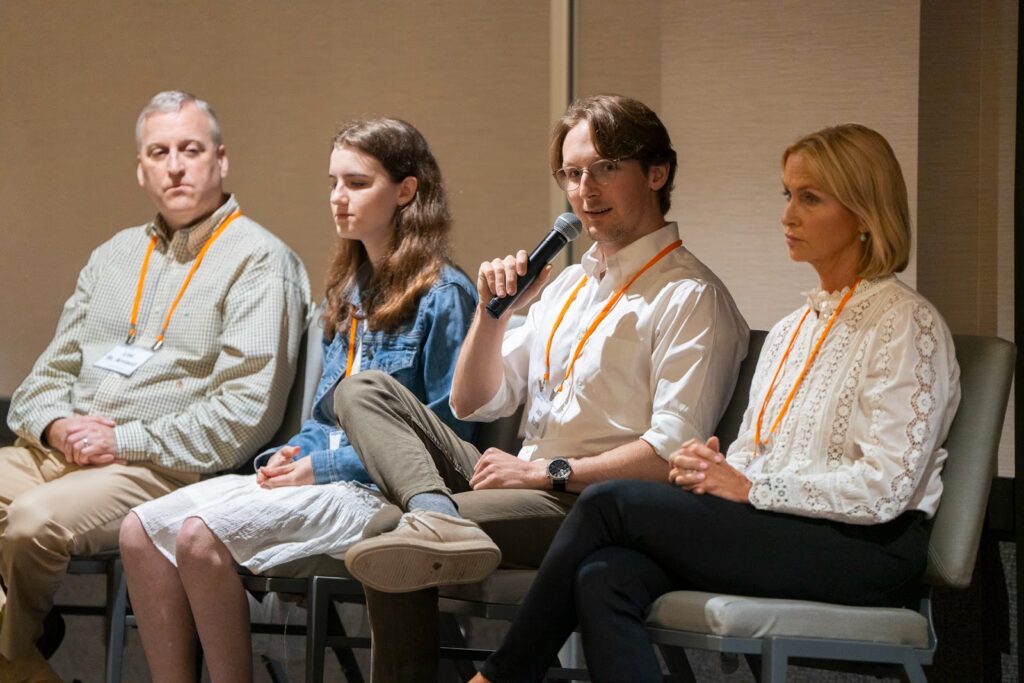
Panelists seated on stage during a clinical trial discussion, with Jack Morris speaking into a microphone

Jack Morris speaking at the 2025 LCA Family Conference

Jack Morris

Jack didn’t recall having major conflicts and expressed gratitude for the trust his parents placed in him. One slight regret he had was not wearing sunglasses earlier, due to self-consciousness. Jack said he appreciated the opportunity to try things—even fail—while still feeling supported and safe.

Much to the amusement of the conference attendees, Jack recounted a brief period when he was legally allowed to drive, a decision made with medical guidance that, in hindsight, seemed very questionable.

“I appreciated that my parents trusted me to be able to take care of myself. This journey makes you resilient, tough, and resourceful,” Jack said. “Kids can be very clever in planning solutions to their unique circumstances, and my parents trusted me in that.”

Community members have expressed that mental wellness and accepting vision loss can be difficult. Elle and Jack, what are your thoughts?

Elle St. Arnaud

“Not wanting someone to see your pain and not wanting to wear sunglasses or use a cane will likely peak around middle school,” Elle said. “No one wants to be different, and you want to be ‘on trend’ with everybody else.”

She added that having a para in the classroom with her all of the time was an inhibitor and made it harder for her to talk with other kids. “Parents should try not to hover when their child is with other children because it can make them feel less confident or social,” she said.

Elle said she made it a priority to share her experiences as a blind person with her sighted friends. “We’d make jokes about it, and I talk about it constantly. I’d share what I’ve experienced and every blind story I’ve had,” she explained. “I think that’s important because when you need to ask your friends for help, they are a lot more understanding because you’ve explained it and talked about it so many times with them.”

For example, she told her friends about walking into a door, which helped them be more aware that she might not see it, allowing them to take the initiative to guide her when needed. “I think the easiest way to be accepted is to talk more about your blindness so it feels more normal,” Elle said.

Jack Morris

“I think there’s a line to be found between letting a disease define you and rejecting that it’s a part of you, because retinitis pigmentosa (RP) has been a huge part of my story—a beautiful but also a tough part. It’s something that feels different and lonely, but also unifying and community-building,” Jack said. “If we can find ways to live in and with our disease rather than despite it, that’s where truth and freedom lie for me.”

He offered advice to parents, saying that they needed to be strong in ways that aren’t obvious. “One of the hardest things for parents is watching their child struggle. But sometimes the biggest strength is allowing them to struggle. Kids need to feel the full spectrum of emotions—challenge, loneliness, empowerment, and togetherness,” Jack said. “If parents can be there as a foundation, even when things are hard, and let them be hard before stepping in with action, that’s one of the most powerful and meaningful things they can do for their children.”
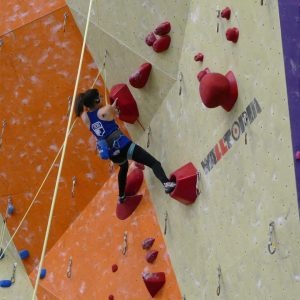
FROM THE WALL: Pushing Boundaries, Building Confidence

Throughout her 29 years, Michelle Ward Caton has embraced life with unwavering curiosity and gusto. Determined to test her abilities and not be limited by vision loss from Leber congenital amaurosis (LCA), she is, among other things, a competitive adaptive rock climber and teacher of the visually impaired (TVI).

Growing up in North Haven, Connecticut, Michelle’s route to an LCA diagnosis took time. Initially, her parents noticed that she wasn’t focusing on faces. “Once I was walking, I bumped into a lot of things! But when this was discussed with my pediatrician, he said it was Michelle being Michelle,” she said. “When I was three, we moved into a new house, and while running around, I hit my head on the kitchen island overhang. My concerned parents took me to a pediatric ophthalmologist, where my poor eyesight was finally confirmed.”

Several years later, the eye doctor detected white blood cells in her eyes and sent her to a Boston eye specialist. By the time they got to Boston, the white cells were gone. However, it wasn’t until she did genetic testing during high school that Michelle was diagnosed with LCA8 from a mutation in the CRB1 gene.

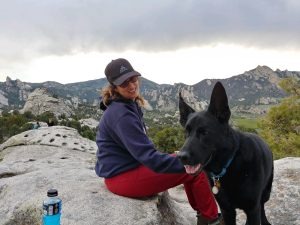
Michelle Ward Caton sits outdoors during a climbing trip with her first guide dog, Ryder, wearing climbing gear
Michelle with her guide dog, Ryder

The Journey

Early intervention services started at age three, and by age five, Michelle had a TVI. Refusing to be sidelined, she did everything that her older sister did at the same time. “If she learned to bike ride or swim, I did too!” Michelle said. We were only a year apart, and it was almost like being twins. But determined to keep up, I did many daring things for a blind person.”

Her resolve to play softball in elementary school was dashed, she said, “When my dad took me outside and tossed a few softballs at me until I realized I couldn’t play. When you’re a kid, you think you can do anything. Sometimes, you have to realize you can’t.”

Michelle’s parents exposed her to various activities, including the piano, flute, and bass guitar. Later, she participated in gymnastics and was a ballroom dancer throughout high school. “I did Brazilian jiu jitsu and then Muay Thai, a form of kickboxing, which my dad practiced with me, allowing me to get the rhythm of the sport and have incredible workouts,” she said.

In college, Michelle tackled the gym and weightlifting, and when she was at UMass Boston working on her TVI degree, she met a friend who did rock climbing. “I began climbing with an adaptive climbing group that participated in competitions,” she said. “I went to nationals and placed second, got on the United States team, and went to the international competition in France,” she said.

Rock Climbing Lessons

Michelle and her husband, Jason, continue to climb and discuss competing again. “It’s important to go out of your comfort zone. I still have some vision, and being outside and up high with a view is incredible,” she said. “When I’m climbing in the gym and hit the spot where I’ve fallen many times and finally figure out the right move and body positioning, it’s a small victory. It’s great getting to the top of the wall, whether I can see it or not. The top of the wall isn’t necessarily the prize. It’s the fact that you did it that builds confidence.”

Michelle at the 2019 national adaptive climbing competition

Michelle in a blue shirt and black pants climbing a wall indoors
Michelle Ward Caton competes on a climbing wall at the national adaptive climbing competition

Children with visual impairments often find body awareness and balance difficult, but these can also be tough for adults. Sometimes, when Jason tells Michelle how to move on the climbing wall, getting her correct body part to the right location is challenging. “Jason might say to move my right foot three feet, and I move my left foot one foot,” she said.

Helping children with body awareness is something Michelle focused on teaching in her preschool classes during TVI training. “I’d set up obstacle courses for the children to climb over, under, or step through or over,” she said. “I think climbing and jiu-jitsu are some of the best sports for kids with vision impairments because they help build body awareness.”

Vision Changes

When Michelle was about 26, her vision dramatically worsened. “I abruptly lost acuity, and my nystagmus got much worse. There was no time to adjust,” she said. “I’ve always had some nystagmus but could focus through it; now my vision always vibrates.”

As a TVI, Michelle teaches braille, but she also uses it to access all of the appliances in her home. She also does most of her visual work in the morning because the nystagmus exhausts her by evening. “You have to adapt your scenario to your specific needs. It feels like I’m constantly adjusting. I keep puzzling things together to see what works,” she said. “This is the reality for everyone with LCA; each situation is different, and you must finesse things until something works.”

The Right People

Dating during college helped Michelle discern that “it’s the people that don’t care about my vision that make the best friends. I’d meet someone, and when they found out about my vision impairment, they would shift from ‘You’re cute!’ to ‘You’re a science project.’ They’d ask me how many fingers they held up and what I could see. I got all of the stereotypical questions.”

Michelle loves that her husband doesn’t care that she is blind. “Jason does things for me that I don’t even notice. I’ll be looking for something, and he will grab it, hand it to me, and walk away without commenting. Or he will get out of the car and offer me his arm. We never talked about my limitations—he just got it!”

She said finding supportive people who don’t coddle is essential. “Jason encourages me to learn new things that a friend might say are dangerous. Instead, he teaches me how to do it. He doesn’t make assumptions about what’s possible for me.”

A sense of humor is vital for navigating a degenerative condition; Michelle explained, “I trip and fall and knock things over all the time! My visual decline in the last couple of years has been very tough, which makes it essential to find someone who laughs with you. Being morose doesn’t work!”

Family Interactions

Reflecting on growing up with LCA, she said, “My parents always treated me like my sister. Being blind was a characteristic that only meant I did things differently. My sister didn’t acknowledge my being blind for a long time. I don’t think she fully realized what it meant. Instead, she would stare at me and say, ‘Just do it,’ which is what a big sister does.”

“My parents never wallowed in my diagnosis, and we had many real-life conversations about my vision loss. But my dad struggled because he knew my vision would get worse, and I would face lifelong challenges.” Michelle said. “In high school, we met Robin Clark, a teacher passionate about ensuring kids had the independent living skills to live successfully. We implemented creative strategies, worked on things at home, and discussed what would help.”

TVI Responsibilities

As a TVI, Michelle travels between schools in New Hampshire, helping elementary through high school-aged students based on their individualized education plans (IEPs). “I love working with the teams that work daily with the kids to support their vision in class,” she said. “Life with LCA is like rock climbing. Starting out, you have no idea what you are doing, but you feel your way along, and eventually, you’re competing!” 

Life Through a Different Lens: They Just Talked About Eyes!

Christine and Anthony Gonzales dreamed of having a large family and were thrilled when their first child, Iliana, was born in August 2018. However, within a few months, their excitement turned to concern. “About a week after Iliana received her four-month childhood vaccine, we noticed her eyes making erratic movements,” Christine said. “We took her to Lucile Packard Children’s Hospital (LPCH) at Stanford and stayed a few days. They ruled out neuroblastoma and did whole-body MRIs to make sure everything was negative. Her eye movements decreased, so she was cleared.”

As Iliana moved into toddlerhood, the couple noticed some things seemed “off.” “Iliana was learning to walk, and occasionally, she would trip and run into things or halt if the lighting changed,” said Anthony. “At other times, she couldn’t locate things or find us. As the months passed, we realized that she wasn’t growing out of it and that something else was at play.”

Increasing Complexity

Then, just before Iliana turned two, her sister Malaya was born in June 2020. At the same time, Iliana’s eye movements increased in frequency.

The couple decided to take both girls to LPCH. “Iliana’s extensive workup, which included genetic testing and an eye exam under anesthesia (EUA), revealed retinal inflammation. They also recommended genetically testing Malaya because getting the results takes a while,” Christine explained.

Although the cause of Iliana’s inflammation wasn’t clear, a member of the Stanford medical team treating Iliana, whose clinical focus was ocular inflammatory disease, suggested treating her with steroids. As a nurse, Christine was acutely aware of possible side effects, and she and Anthony had serious questions about treating the inflammation without knowing its source. But hoping it might help, they consented.

“In December 2020, Iliana was hospitalized again, and the doctor suggested doing infliximab (a drug used to treat autoimmune diseases) infusions in addition to the steroids because the inflammation was so severe,” said Christine. “We started Iliana’s infliximab infusions in January 2021, and Malaya’s first EUA was in February 2021. According to the retinal specialist, Iliana’s inflammation was worse than Malaya’s, causing her vessels to become “leaky.”

At about the same time, the genetic tests revealed that both girls had the CRB1 mutation. “Even so, the doctor recommended continuing Iliana’s once-a-month infusions, which were given for a year,” Christine said.

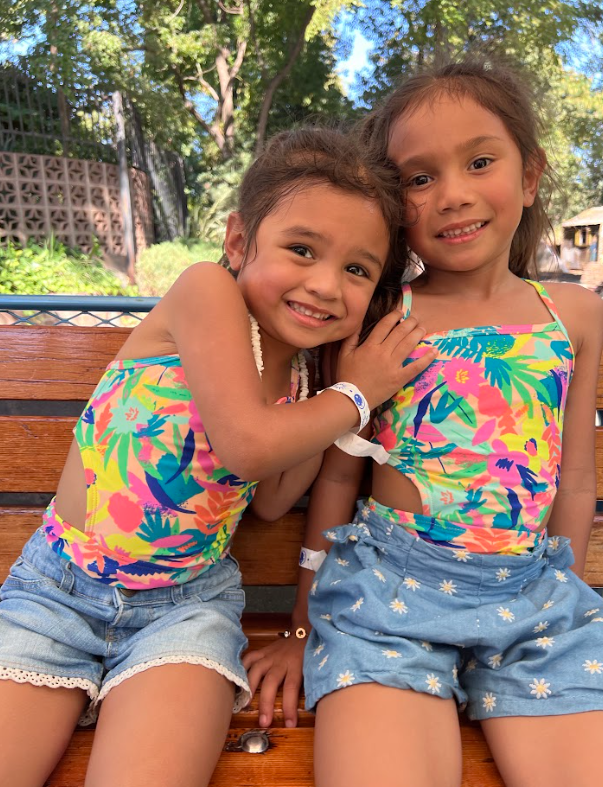
Malaya and Iliana wearing matching outfits and smiling for a picture.
Malaya and Iliana

At Iliana’s follow-up EUA in April 2021, their doctor admitted that the inflammation hadn’t reduced as much as anticipated. But it was still coming down, and he wanted to continue the infusions. “After the December 2021 EUA, he suggested using methotrexate, a chemotherapy drug, but we said no,” said Christine.

Weighing Choices

The fact that their doctor was leaving Stanford, the relative ineffectiveness of the infusions, and that the Gonzales family was moving all contributed to the decision to stop the treatments. This choice provided Iliana with a much-needed break from the poking, prodding, and stress associated with the infusions and testing. It also gave Christine and Anthony the time and space to evaluate their situation, which was now even more complex with Malaya’s diagnosis. They planned to monitor the girls and get a second opinion.

Between 2018 and 2024, the Gonzaleses consulted with eight doctors at four different medical facilities in California to identify what was affecting their daughters’ vision. While the genetic testing revealed the CRB1 mutation in 2020, the focus of the retinal specialist at that time was on treating Iliana’s retinal inflammation. A definitive diagnosis of LCA wasn’t made until 2024, when the Gonzaleses took their daughters to see Jacque Duncan, MD, at the University of San Francisco. Dr. Duncan confirmed a diagnosis of Leber congenital amaurosis (LCA) for both girls and connected the family with the Foundation Fighting Blindness (FFB) to help them find more resources and a supportive community.

Embracing a New Reality

Receiving the genetic diagnosis was simultaneously helpful and crushing. Throughout their medical journey, Christine had done extensive online research, and it was discouraging when she discovered no treatment was available for the CRB1 gene.

It is an understatement to say that the recessive gene mutation had already handed the family a one-two punch, but it wasn’t done. In October 2022, their son Amari was born and found to be a CRB1 carrier. While this diagnosis wouldn’t impact his vision, the information could have implications later in life if he decides to have children. With no family history of eye disease, their children’s genetic diagnoses were shocking for Christine and Anthony and their extended family.

“What was so hard about this process is that young children can’t express what they are feeling or experiencing. There is only so much you can do. It’s like banging your head against the wall, and there is a lot of self-doubt as a parent,” said Christine. “But it’s tough to get the genetic diagnosis. After all of the searching and finding, it comes down to us, as their parents, causing this by passing on a gene mutation we didn’t know we had.”

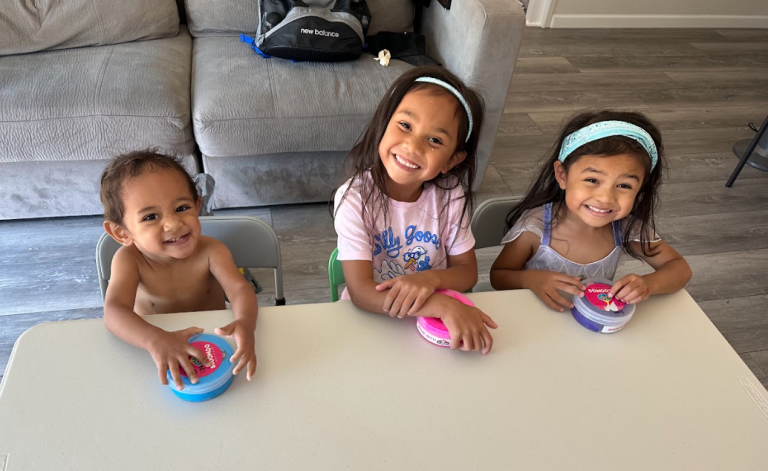
Amari, Iliana, and Malaya sitting at a table smiling.
A sibling photo of Amari, Iliana, and Malaya.

Creative Next Steps

Determined to soldier on, Christine and Anthony decided to homeschool the children. Iliana is currently in the first grade and is a bright and eager student. Malaya and Amari are too young for school and are very active and curious, which means there is never a dull moment in the Gonzales household. The couple share child care and homeschooling responsibilities via a carefully choreographed work schedule. Anthony is employed at a local hospital in the dietary department, and Christine, an RN, works nights at the same hospital. The family is working with the county and school to create an individualized education plan (IEP) for Iliana and one for Malaya when she starts kindergarten.

Regarding the girls’ current vision status, Iliana was tested in 2024 and found to have significant peripheral vision loss. For now, Malaya’s vision may not be as impacted as Iliana’s. “Malaya is strong-willed,” Anthony explained, “and she isn’t very compliant at this point, so testing is tricky! But we’re noticing similarities in Malaya’s vision that we initially observed with Iliana.”

Like Iliana, Malaya struggles with night blindness. “It’s hard when the light is dim at night, and they can’t see us,” said Anthony. “And if Malaya drops a toy, she has trouble locating it. Seeing them both feel around for things hurts.” The Gonzaleses have a follow-up visit for the girls with Dr. Duncan in November to learn more about their daughters’ vision status.

Eager to Learn More

When Christine and Anthony heard about FFB’s June VISIONS conference in Chicago, they decided to attend and bring Iliana. During the information sessions, Iliana sat quietly beside her parents, dangling her feet over the seat as she beamed smiles to everyone around her.

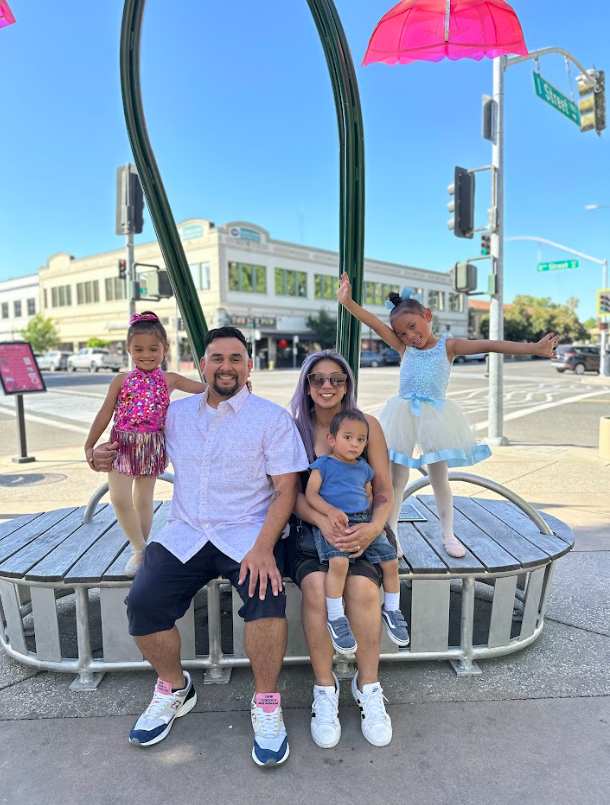
The Gonzales family smiling at the camera outside on a street corner.

The Gonzaleses were relieved to learn more about inherited retinal diseases (IRDs) and LCA at the conference. Anthony said it was impressive to see so many people managing well with a visual disability or blindness, but it was also emotionally challenging. While the information was beneficial, it confirmed that the repercussions of LCA would be a life-long journey for their family.

Excited to be at the conference with her parents, Iliana absorbed as much information as a five-year-old could. When the family returned to California, Iliana’s grandfather asked her about the conference. She quickly summarized her experience without missing a beat by saying, “They just talked about eyes!”


The Gonzaleses met the Hope in Focus (HIF) team at VISIONS 2024 and plan to attend the HIF Family Conference in Minneapolis, MN, on June 20-21, 2025. There, they hope to meet other families and members of the LCA community and glean more information and support to help them guide their children on this unexpected life journey.

Navigating Life with CRB1

Joseph F. Smith has been legally blind since birth. He lost what little sight he had in his mid-30s, when he learned he had Leber congenital amaurosis (LCA). Thirty years later, genetic testing revealed a mutation in his CRB1 gene, a diagnosis known as LCA8.  

Joe wrote to us earlier this year after taking part in the question-and-answer segment of a CRB1 Research Update webinar hosted by Sofia Sees Hope and Foundation Fighting Blindness

More than 40 leading experts in ophthalmology and gene research gathered virtually for more than five hours in February to share research and patient perspectives on CRB1 and identify the next steps to advance treatment for the patient community.

The CRB1 gene provides the body with instructions for making a protein that plays an essential role in normal vision. This protein is found in the brain and the retina, which is the specialized tissue at the back of the eye that detects light and color.

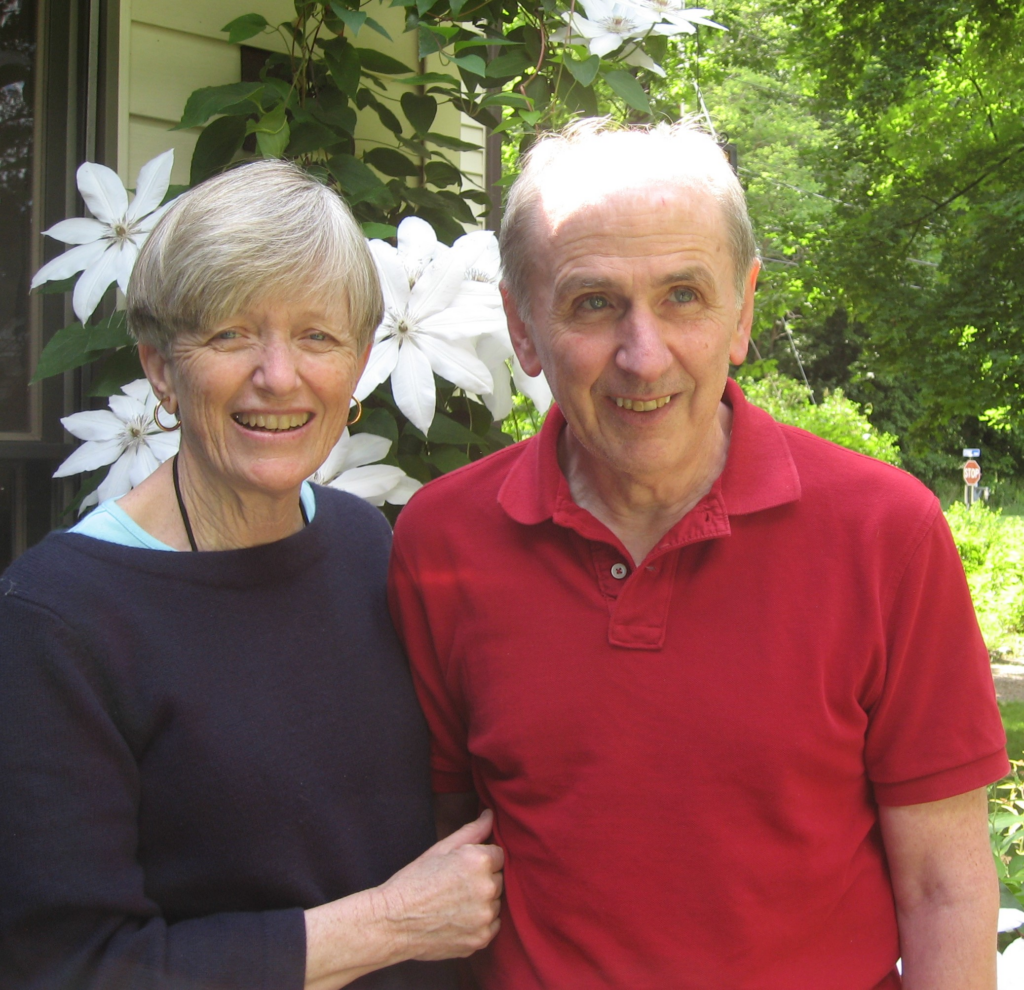
Alice (L) wearing blue and Joe (R) wearing red shirt
Alice and Joe

While the biology for CRB1 is particularly complex, early research produced the discovery of a new version, or isoform, called CRB1b. Preclinical studies give rise to new questions as to whether CRB1a or CRB1b expression, or both, should be the target of a gene therapy. Click here to view the webinar

In his letter, Joe wrote: “I won the CRB1 lottery 76 years ago and spoke briefly during the webinar.”

When we spoke to Joe by phone, he wanted to know what he could do to reassure parents of children who are blind or visually impaired that they can thrive.

Joe earned a law degree from Cornell Law School after graduating as a math major at Alfred University in upstate New York. He worked at the New York City Corporation Counsel’s Office in the Real Estate Tax Division for three years.

While working, Joe began his teaching career at New York’s Dominican College where he taught a business law course. He taught law at the University of Baltimore Law School in 1973, and three years later accepted a job at Fort Lauderdale’s Nova Southeastern University School of Law, where he became a tenured professor and taught for more than 30 years.

He is retired, living in Florida with his wife of 51 years, Alice.

The Importance of Learning Braille

Joe’s 76-year journey began long before the enactment of the Individuals with Disabilities Education Act and the Americans with Disabilities Act, Congressional civil rights legislation prohibiting discrimination and guaranteeing that people with disabilities would have the same opportunities as everyone else. He said he was fortunate to receive scholarships from an earlier version of the Rehabilitation Act of 1973 to fund his higher education.

People with vision difficulty or other challenges must still vigorously advocate for accessibility and equality, but those roads were even bumpier in the past.  

Before retiring, Joe developed a course on the rights of people with disabilities. He also created a program in which he supervised students working for organizations providing services for people with disabilities. 

He understands that ever-evolving technology greatly helps people with vision loss, but he is a proponent of learning braille.

“One thing I do think is very important is that a child who is losing sight or is blind needs to learn braille. I know many educators will say with accessible computers, cell phones, and recorded materials, braille is unnecessary. My simple response is, ‘All that technology is available to sighted people, but they still use pens and pencils.’

“If you learn braille, you have something to keep in your mind. You have a physical image of the written word.”

Joe believes much of the credit for his success goes to his blue-collar parents who did not graduate from high school. 

“I can’t imagine what it must have been like for them to find out I was blind and with no explanation as to why.”

Early on he could distinguish basic colors and he can still see red and orange in his mind’s eye.

Growing up in the 1950s, “back in the dark ages,” Joe said his parents knew that the local Catholic school was not going to work for him because it offered no resources. His mother wanted to wait a year for him to go to first grade, but his father said no. A learning disability kept Joe’s dad back a year because he could not read, prompting him to quit school in eighth grade to play baseball. 

“He knew that education was important.”

Joe attended Lavelle School for the Blind run by Dominican nuns in the Bronx, leaving home Sunday nights and returning Friday afternoons, through eighth grade.

Lavelle served Joe well, but he wanted to attend a regular high school – any school that would take him, as mainstreaming was not a big goal back then and schools were not obligated to accept students who were blind.

He went to Archbishop Stepinac High School in White Plains run by the Archdiocese of New York. His senior year, another blind student was accepted to the school.

Math books in braille were in short supply and books in general were hard to get, so his mom read to him – a lot.

His dad also rarely said no to him trying new things. He rode around the neighborhood on his bike, enjoyed daredevil sledding, and loved cars in high school. His dad took him to an empty parking lot and taught him how to drive a stick-shift.

But the pièce de resistance for this self-described car nut came when he slid behind the wheel of an automatic BMW for the ride of his life on the skidpad at a defensive driving school.

“Truth be told, my wife was taking the course, but the instructors snuck me out for an unforgettable hour of bliss.”

I guess what I’m trying to say is a child who is blind should be encouraged to develop interests in and to try activities, which, at first blush, might not seem suitable for a child with limited or no sight.

His best friend in grammar school read him comic books, and as they got older, car magazines. They didn’t go to the same school, but they managed to get into trouble together and often double dated.

He excelled in math and thought he might be an engineer, toyed with psychology, and after Alfred University, decided to go to law school.

Practicing and Teaching Law

Joe met Alice on a blind date in his second year of law school when she was a sophomore at New York’s Wells College. She earned a Bachelor of Arts and worked in the Criminal Division of the Legal Aid Society of Westchester County while pursuing her master’s degree in early childhood education at Manhattanville College. They married in 1970.

Joe did well in law school and said he knew if he were not blind, he would have received more than one job offer after graduation. He received many rejection letters, heard many excuses, and sometimes heard nothing at all after interviews. 

Still, he almost did not interview for that one job offer; only after repeated urgings from different people, he did so and got the job at New York City’s Corporation Counsel’s Office, which already employed a blind lawyer in the Real Estate Tax Division.

Recounting his getting the job despite almost not interviewing, Joe invoked an ancient adage: “Luck is what happens when preparation meets opportunity,” words from Roman philosopher Seneca, reminding us that we make our own luck.

After three years of practicing tax law, Joe wanted to try something else, perhaps be a trial lawyer or a teacher. He and Alice drove out to Colorado where he planned to take the Colorado bar exam, but the day after they arrived, he was offered a teaching job at the University of Baltimore.

Before returning East, he and Alice goofed off and he learned how to ski, loving the feeling of freedom, and losing his fear of speeding down a mountain.

When they moved to Baltimore, Alice, who worked at the Baltimore Museum of Art, read for Joe from textbooks. 

“Most importantly, from that time until I retired from teaching in 2007, she read all of my exams and papers to me.”

Getting a Confirmed CRB1 Genetic Diagnosis

Joe was diagnosed in his late 20s with retinitis pigmentosa (RP), but he thought it wasn’t correct for several reasons, including that people with RP lose peripheral vision and, in his case, he lost central vision.

Joe and Alice met Gordon and Lulie Gund while learning to ski at Snowmass in Colorado. The Gunds co-founded Foundation Fighting Blindness in 1971 to fund research for treatments and cures for blinding retinal diseases after Gordon was diagnosed with RP and ultimately lost his vision in 1970. He is a Foundation director and chairman emeritus.

In 1975, while in Baltimore, Joe received an LCA diagnosis from Dr. Irene Maumenee at Johns Hopkins’ Wilmer Eye Institute. After moving to Florida the next year, he began seeing a retinal specialist at Bascom Palmer Eye Institute in Miami.

Gordon came back into Joe’s life in the 1990s when he invited him to a Foundation dinner. There he met Iowa State University’s Edwin Stone, MD, PhD, who spoke of emerging research into gene therapy targeting a form of LCA and suggested Joe get genetically tested. 

Joe in a stripped shirt holding his hand out to touch something with Alice next to him
Joe and Alice

Joe’s genetic test showed his LCA was due do a mutation in his CRB1 gene, not the RPE65 gene, the focus of the research that led to the 2017 federal approval of LUXTURNA®, the first gene therapy for the eye or an inherited condition. People with LCA2 (RPE65) cannot make a protein needed by the retina to convert light into vision-enabling signals, which are sent to the brain. The breakthrough therapy involves injecting under the retina a human-engineered virus containing copies of a normal gene, so cells can express the protein.

In the CRB1 Research Update webinar, Joe said he was fortunate to have lived near a teaching hospital where he could learn about the cause of his blindness. In the Q&A, he asked where people with visual impairment should turn for help when living in rural areas with less accessibility to universities or large hospitals.

In answer, Ben Shaberman, Senior Director of Scientific Outreach and Community Engagement for the Foundation, said a team is working nationwide to educate eye-care professionals about LCA and other rare inherited retinal diseases (IRDs), so they can refer patients to specialists. He also encouraged people to email the Foundation at info@fightingblindness.org for contacts in the academic and medical worlds of retinal specialists and researchers.

Laura Manfre, Sofia Sees Hope Co-Founder and President, said people can follow the Foundation and Sofia Sees Hope websites for information and research news. They also can email their questions and concerns to info@sofiaseeshope.org

She suggested people join the new CRB1 Network on Facebook and go to the Resources page on the Sofia Sees Hope website that has a link to a CRB1 group called Curing Retinal Blindness Foundation. Individuals also can find a strong Spanish-speaking community at Grupo CRB1 España y Latinoamérica

As a lawyer, a law professor and a man diagnosed only a decade ago with CRB1, Joe said, “I’m not trying to paint an overly rosy picture of the challenges we face. I realize I am a minority, as I’ve been employed continuously from law school graduation to retirement. I also know with my class rank, I should have had more than just one job offer coming out of law school. At the same time, I realize that technology that was not available to me then has opened up many more opportunities for us …

“I guess what I’m trying to say is a child who is blind should be encouraged to develop interests in and to try activities, which, at first blush, might not seem suitable for a child with limited or no sight.”

Encouraging News for CRB1 Gene Therapy Treatments 

Early research into a form of Leber congenital amaurosis (LCA) caused by mutations in the CRB1 gene – including the discovery of a new version of a protein expressed by the gene – shows encouraging possibilities toward developing gene therapy treatment.

Amy Laster, PhD, Vice President of Science and Awards programs for the Foundation Fighting Blindness, shared the research news as part of a recent LCA Research Update webinar, summarizing results of an earlier CRB1-associated retinal disease Scientific Advancement Workshop.

“There’s certainly momentum that the research is actively happening, and that the community wants to address outstanding issues,” Laster said.

Laura ManfreSofia Sees Hope Co-Founder and President, said more than 40 leading experts in ophthalmology and gene research gathered in one room for more than five hours to share research and patient perspectives on LCA8 (CRB1) and identify the next steps to advance treatment for the patient community. 

Sofia Sees Hope and the Foundation Fighting Blindness created the Scientific Advancement Workshop with the objectives of widening the circle of research awareness into CRB1, building a framework or platform for sharing knowledge, fostering collaboration among stakeholders, identifying gaps, and setting priorities for action.

The route to approved LCA treatments consists of multiple, winding paths rather than one direct straightaway: No quick, easy solutions.

“For CRB1, in particular, the biology here is very, very complex,” said Manfre, who is also a member of the Foundation’s Board of Directors.

Referencing results of the workshop, Manfre displayed what she called a “celebration photo” of a smiling young girl hitting a piñata bursting forth with sprays of candy.

“What I want to communicate here is just how much of a celebration it is that we had this workshop. There are no simple, straightforward answers, but the really good news, or the celebration, is that this was one more step ahead in bringing the right people and all the very smart people together,” Manfre said.

CRB1 Preclinical Research

Laster described the gene therapy development path from research to treatment or cure. The path begins with basic knowledge of the gene and its functions and understanding the biology of the disease, which includes designing non-human research models and conducting Natural History studies. 

Preclinical CRB1 research currently centers on understanding the biology of the mutation and working toward conducting a Natural History study. 

Natural History study researchers observe clinical features in the absence of any treatment, gaining an understanding of myriad features, including the retina’s architecture and the patient’s visual function, sensitivity to light, and peripheral vision. The data provide knowledge and an independent understanding of the disease, while establishing an essential foundation for building drug development programs.

Later stages on the way to treatments and cures include designing clinical trials, selecting patients, predicting outcomes, setting measures for endpoints and outcomes, and conducting Phase I, II and III human clinical trials. The goal is U.S. Food and Drug Administration approval of a safe and effective treatment. 

Laster shared news from the workshop that Jeremy Kay, PhD, found a new version, or isoform, of CRB1 called CRB1b.

Kay, Associate Professor of Neurobiology and of Ophthalmology at Duke University, found that the CRB1b protein is more abundant in human and mouse retinas than the first identified version, CRB1a.

“Unlike CRB1a,” Laster said, “the removal of the CRB1b causes a retinal degeneration in mice and this has not been shown before with the first identified isoform.”

The research gives rise to new questions as to whether CRB1a or CRB1b protein expression or both should be the target for a gene therapy, she said.

Duke University research news characterized Kay’s findings published in Natural Communications as “a game-changer in light of the critical progress, over the past few years, in the treatment of inherited retinal diseases …”

Laster referenced CRB1 research models and gene augmentation therapy studies by Jan Wijnholds, PhD, Principal Investigator in the Department of Ophthalmology at Leiden University Medical Center, Leiden, Netherlands. The findings by him and his team can be found here in Frontiers in Neuroscience

She also discussed the work of Dr. Jacque Duncan, Professor of Clinical Ophthalmology at the University of California, San Francisco. Dr. Duncan is in talks with the Foundation about her interest in understanding the relationship between CRB1’s genotype and phenotype, or its genetic characteristics and physical characteristics. 

“On the clinical side, in terms of actually conducting a Natural History study, there was a lot of enthusiasm about that,” she said. “The Foundation is in touch with Dr. Jacque Duncan about potentially moving forward with that.”

The Foundation, the largest private funder of research for treatments and cures of blinding retinal diseases, has raised nearly $800 million since its inception and funds more than 80 research projects globally. Laster oversees the organization’s preclinical research portfolio consisting of research awards in funding programs that support career development, laboratory-based science research, translational research, and multi-investigator program projects.

Todd Durham, PhD, also an organizer of the Scientific Advancement Workshop, said sharing CRB1 patient perspectives through survey answers marked one of the highlights of the workshop because it gave researchers insight to help focus their studies for treatments or cures.

In the survey developed by the Foundation Fighting Blindness and Sofia Sees Hope, 85 percent of the respondents have a profile on My Retina Tracker® registry, a free online registry that enables people with inherited retinal degenerative diseases, their doctors, and researchers to actively collaborate in the research process. 

Durham, the Foundation’s Vice President of Clinical and Outcomes Research, said the CRB1 survey also showed patients received a clinical diagnosis at an average age of 13, while 24 was the average age for getting genetically diagnosed, showing a significant gap between the diagnoses.

The most reported worries were progression to blindness and concerns about employment. Most of the survey takers said they would participate in clinical trials, while many were concerned about the safety of the trials, the risks to remaining vision, and the potential for benefit.

People also were asked to describe their motivation for taking part in a clinical trial. A common thread to the responses, Durham said, was to help themselves see better and help others through research. 

In a sampling of comments, one person wrote: “1. Cure the disease. 2. Have a more comfortable life. 3. Not feel different from the rest because of your visual impairment.” 

Under the section “Anything Else to Share with Researchers,” a respondent wrote: “I feel the mental health impacts of a disability are overlooked a lot of the time.”

An Engaged CRB1 Community

In the question-and-answer session, an audience member asked where to go for information about CRB1, noting that his doctor had no idea about it. He said he felt lucky to live near a teaching hospital and could reach out for help but thought others may not be as fortunate.

Ben Shaberman, the Foundation’s Senior Director of Scientific Outreach and Community Engagement, said he understands that difficulty and he is part of a team educating eye-care professionals around the country. He encouraged people to email the Foundation at info@fightingblindness.org for contacts in the academic and medical world of retinal specialists and researchers.

Manfre said the CRB1 community is highly active and suggested that people join the new CRB1 Network on Facebook and check out the Resources page on the Sofia Sees Hope website that has a link to a CRB1 group called Curing Retinal Blindness Foundation. She said people can also find a strong Spanish-speaking community at Grupo CRB1 España y Latinoamérica

She advised people to update their profiles on My Retina Tracker to help advance research and to follow the Foundation and Sofia Sees Hope websites for information and research news. You can email questions or concerns to Sofia Sees Hope at info@sofiaseeshope.org

Advocating for treatment and cures for rare diseases such as CRB1 takes a grassroots effort, Manfre said, requiring people to inform, support, and educate one another, and to continue sharing stories and reaching out on social media.

Gathering in groups such as this webinar, she said, also helps connect people and generate awareness that, in turn, advances research. 

“All of this makes a huge difference.”

‘Let’s Chat About …’ Webinar Offers LCA Overview and Updates on Clinical Trials

In the debut of Hope in Focus (formally Sofia Sees Hope) ‘Let’s Chat About …’ monthly webinar series, Ben Shaberman of the Foundation Fighting Blindness, provided his Zoom audience with a plethora of information about Leber congenital amaurosis (LCA), highlighting some of the more than 40 clinical trials underway to find treatments and cures for LCA and other rare inherited retinal diseases (IRDs) and giving updates on promising preclinical research. 

The recorded webinar aired 1 p.m. Wednesday, Jan. 27, 2021, and can be seen here. Elissa Bass, our marketing and communications director, moderated the session.

Shaberman, Senior Director, Scientific Outreach & Community Engagement, stumbled across a science writing position at the Foundation Fighting Blindness 16 years ago without a clue about retinas or blindness. He called his move to the Foundation serendipitous. He knew he made the right choice after hearing retinal researcher Dean Bok, PhD, tell attendees at a 2005 Foundation conference how he was drawn to the field by the seduction of the retina’s myriad complexities and inner workings.

Shaberman, too, felt pulled by the intriguing science of the retina.

As such, so are the 27 forms of LCA that cause varying kinds of visual impairment within each gene mutation and within each affected person. An estimated 8,000 people in the United States have LCA.

The path of retinal research

Shaberman took his audience from the beginnings of identifying the RPE65 gene in 1993 and learning shortly thereafter it could lead to LCA, to using mice models and later studying Briard dogs that had the same gene mutation that caused LCA in humans. A clinical trial at Children’s Hospital of Philadelphia led to the 2017 FDA approval of the breakthrough gene therapy LUXTURNA®, developed by Spark Therapeutics. The drug successfully improved the vision of many of the LCA2-RPE65 patients who received the treatment through subretinal injections.

When children receive an LCA diagnosis, their families should find a good retinal specialist, get regular exams, and ultimately get a confirmed genetic diagnosis to be on the path to more specific information and research into that form of LCA, Shaberman said.

Families also should register with the Foundation’s My Retina Tracker®, a free and secure online registry that facilitates getting a confirmed genetic diagnosis by making registrants eligible for free genetic testing.

The registry becomes your personal retinal health record, updated by you. It employs state-of-the-art database technology to protect privacy and adheres to the highest standards of confidentiality and ethics. 

It also notifies registrants of clinical trials and gives researchers access to their disease data – not their personal information – to advance research and therapy development associated with LCA and IRDs. 

Reading research publications and attending events sponsored by the Foundation and by Sofia Sees Hope also provide opportunities for families to interact and learn the latest research. Shaberman and Bass encouraged people affected by LCA and their families to contact them, respectively, through the Foundation’s website and/or the Sofia Sees Hope website for specific information on clinical trials or other questions and concerns about living with LCA. 

“Yes, it’s work,” Shaberman said. “You have to be your own advocate and your own child’s advocate, but more and more information is becoming available, and that’s the good news.”

Shaberman also reviewed some of the more than 40 retinal clinical trials in the pipeline for LCA and other IRDs:

Join us Feb. 16

February’s “Lets Chat About …” webinar airs at 3 p.m. ET, Tuesday, Feb. 16. Our guest will be Wiley A. Chambers, MD, Supervisory Medical Officer for the Office of New Drugs, Center for Drug Evaluation and Research at the U.S. Food and Drug Administration. Register here.

Being Married to Brandon: “A Precious Exercise of Mindfulness”

When I met Brandon in September 2014, I thought that I was talking to the most interesting person I had ever met.

Not only was he the first American I had ever talked to, Brandon was also the opposite of the typical 20-something Italian: Not Catholic, vegetarian, mostly homeschooled, who preferred peanut butter over Nutella.

Besides the cultural diversities, I immediately liked his positive way of thinking, his unusual curiosity and his witty sense of humor.

Another particularity of Brandon was his blindness, which is actually the reason why we met.

I was giving a tour of my university, the University of Milano, Italy, for international students and I was asked to guide Brandon, who was there to study Italian for opera. Among a group of a hundred students, it would have been unlikely that I would have gotten to know any of them. Since Brandon was by my side, however, we had the chance to talk during the tour. And then we scheduled a date.

We were married two years later.

The last three years with Brandon have been quite a journey; we have been apart for several months, but we also managed to live in five countries and visit nine in total.

I have special memories for each of them, for example swimming in the crystal sea in Croatia for our honeymoon, walking through the Christmas markets in Vienna, visiting the Nobel Museum in Stockholm, making cheese on a Maltese farm, seeing “Matilda the Musical” in London. These are just a few of the unforgettable moments we have shared so far.

Currently, we are happily living on a houseboat on a little canal in the city of Groningen, Netherlands, where I am studying for my master’s in computational linguistics.

I consider living with a blind partner a precious exercise of mindfulness.

If I am alone, I walk in the street careful enough to be safe, but I am immersed in my thoughts, listening to music with my isolating headphones. When I am with Brandon, I acknowledge everything around me: people, buildings, colors, behaviors, my own emotions, and I feel that I am present in the moment.

At the same time, I acknowledge accessibility issues, which are a wide problem in south European countries. Sidewalks are too narrow, uneven or used for  parking by cars. Also, street lights without sound effects or unsafe driving behaviors are a cause of frustration for me. 

Previously I said that Brandon and I met because he was blind, which is not exactly the truth.

Brandon’s education, O&M (Orientation & Mobility) training, and his (now, also my,) incredible family have made him an independent, healthy and positive person, confident enough to decide to take a plane solo, cross the ocean and live abroad for one year to learn a new language.

Therefore, I am forever grateful to everyone who contributed to Brandon’s education. I am now happy to see Brandon helping his mum, Sonja, to build educational services that can have a significant impact on other young blind determined students.

Learn more about Brandon

Read Brandon’s mother’s story

Read Brandon’s father’s story

Atom Biggs: ‘The Greatest Adventure of My Life”

Raising a blind son has been one of the most exciting and inspiring experiences a dad can ever have. I’d like to tell you a little about our son, Brandon.

As a baby he had some vision, so his visual impairment wasn’t initially noticeable to us. About the time he started walking, it became clear something was unusual.

At first my wife and I thought he was clumsy or maybe a little absent-minded when he would collide with things. When we’d put food on the table in front of him, he’d feel around for it with his hands while his eyes looked off into space. When I’d try to look him in the eye, he’d look to the right or left of my face but couldn’t seem to make eye contact with me.

We were shocked when the ophthalmologist diagnosed Brandon with retinitis pigmentosa (RP). Now we were faced with new challenges.

Before we had children, my wife and I sat down and put together a plan on how we would raise them. Now we had to rethink everything. Our first step was to gather every resource available to us. We were quite surprised at how much lay within our reach. We read books, got him a free computer, visited the School for the Blind, and learned how to read Braille. We also organized his room with little baskets and cubbies, so he’d know where to find everything.

One of the most important stories I read was written by a blind man whose parents coddled him his whole life and were afraid to let him venture outside the safety of his home. I determined that was not going to be the story of our son. Instead, we looked for every opportunity for Brandon to experience the world around him.

We took our son to the zoo, on hikes, on field trips, exhibits, fairs and everything we thought might be experiential and educational. A blind person’s eyes are his fingers, so we always made it known that our son was blind and requested special permission for him to touch, even if the signs said, “no touching.”

We enrolled him in Junior 4H. I bought him a bicycle and tried to teach him how to ride; he persisted without my help and taught himself how to ride in our basement.

We met with his teachers and explained how blind children learn differently from sighted children and what accommodations Brandon would need in his classroom. We emphasized that he should be allowed to experience everything the other students experienced and not be left out of anything. They almost always listened to us and were grateful for our input.

We found that none of Brandon’s teachers had any experience with blind students, so we met with them frequently to make sure he didn’t get brushed aside. I think the most common excuse from teachers not to let Brandon participate was “we’re just concerned about his safety.” We’d explain that if they’d just let him tour the stage platform with his cane or have him buddy-up with a friend until he learned to walk the trail, he would be perfectly safe.

When our son was younger, we advocated for him, but as he got older we encouraged him to advocate for himself.

I think Brandon’s first major experience for self-advocacy was 7th-grade basketball. I told him I really didn’t think basketball was for him but that if he really wanted to play then he should arrange a meeting with the coach and the principal and voice his feelings. And so he did. He told them how much he wanted to play basketball, we were at the meeting and backed him up, and the coach was so impressed that he let Brandon on the team. He only played defense, but he played almost every game and the coach said Brandon was the most tenacious guard he’d ever had.

Brandon went on to advocate for audible traffic signals near our home, so he could safely cross the street and catch the bus. He touched models of cells in biology class, so he could feel what everyone else saw. Currently Brandon is advocating for the entire blind community to get them equal access to many online applications and software programs.

When Brandon was first diagnosed and we shared it with our friends, we got a lot of pity responses. I wasn’t sure what to say, but now I do.

Now when I tell people that my son is blind, and they say, “Oh, I’m so sorry!” I tell them there’s really nothing to be sorry about. It’s been the greatest adventure of my life and I’d have it no other way.

Learn more about Brandon

Read Brandon’s mother’s story

Read Brandon’s wife’s story

Sonja Biggs: “My Normal and His Normal Are Just Different”

Brandon Biggs is the chief financial officer with his mother Sonja in their company, he conducts accessibility research and he helps businesses make their software content more accessible to the visually impaired.

He is a 26-year-old self-taught programmer who is earning a master’s degree in Inclusive Design from OCAD University in Toronto while living on a houseboat in Groningen, Netherlands, with his Italian wife. Oh, and he’s an opera singer?

But he’s still Sonja Biggs’ little boy.

“Even with all the successes in his life and his own positive spirit toward blindness,” Sonja says, “I am still having a mom moment in my heart.”

Brandon has Leber congenital amaurosis with a mutation in the CRB1 gene. He was diagnosed as a toddler, and subsequently, Sonja became a Teacher of the Blind and Visually Impaired, and an Orientation and Mobility Specialist. She, Brandon, and her husband (and Brandon’s dad), Atom, run Sonja Biggs Educational Services, Inc. Sonja and Atom live in Gilroy, Calif., and they also have a 22-year-old son, Joshua, a talented programmer, gifted in science and graphic art.

Brandon’s interests include theater and opera. He performed in many musical theater productions and in a professional production of “La Bohème.”

“I was introduced to opera by a voice teacher when I was 18,” Brandon says. “And I fell in love with the mysteriousness and power of singing something so emotional and powerful in another language.”

His mother said she and Atom always encouraged both their sons to explore. When they were interested in marine life, they went to the San Juan Islands; when they were interested in volcanoes, they went to Mt. St. Helens. Bats? They checked out zoos and bat houses.

“We never told them no,” she recalls. “We just immersed them in whatever they were interested in and made it real for them.”

Sonja likens the inaccessibility of common tools for the visually impaired to the process of making chocolate chip cookies by adding the chips to the cookies after they’ve baked and cooled.

She said her “mom-heart” sometimes gets in the way of what she knows in her head. She still sometimes grieves that Brandon is blind.

“All of a sudden, something triggers it along the way – ‘Your son has no sight,’ or his frustration over inaccessibility in an application.”

Any parent of a child with disabilities goes through different stages of grief, she says. “The grief never seems to go away; it crops up at inopportune moments.”

A vision appointment triggered the grief this time. Brandon has no measurable vision, seeing light and shadows. He said he does not even notice his sight disappearing.

“I look at the things that I see every day that are beautiful,” Sonja says, “and he’s never seen them.”
Brandon is married and he’s never seen his wife. “He’s felt her, but he’s never seen her,” she adds. To which Brandon replies, ‘Yeah, mom, I can tell how beautiful someone is by touching their elbow.’

She knows her son’s blindness does not make him any less an accomplished human being. “He’s a beautiful young man. He’s wonderful, and to him it’s just normal and I just have to remember that,” she notes.

“My normal and his normal are just different.”

Learn more about Brandon

Read Brandon’s father’s story

Read Brandon’s wife’s story

Living with LCA: Brandon Biggs

Brandon Biggs was diagnosed with vision loss — and ultimately with Leber congenital amaurosis (LCA) — as a toddler. His genetic mutation is LCA-CRB1, which can cause LCA, retinitis pigmentosa (RP) and cone-rod dystrophy. CRB1 is the second highest incidence (10%-13%) of the nearly 30 different LCA genes that cause the disease.

His mother, Sonja Biggs, described in a telephone interview from her California home that despite all her now-26-year-old son’s accomplishments, she still has her “Mom moments,” triggering grief for her son’s vision loss.

What we discovered in exploring Brandon’s story for our series “Living with LCA” is that different members of his family have differing views of their journey with this rare inherited retinal disease. And so we invited the Biggs family to each share their story revolving around Brandon — mom Sonja, dad Atom, and wife Claudia.

But first, a little about Brandon himself: In pursuing his master’s degree in Inclusive Design, Brandon is writing his thesis exploring multimodal representations of data. He is focusing on creating auditory maps for blind people showing, for instance, where the hurricane is in Texas, or where the wildfires are in California. He is also working on making auditory graphs, so blind students won’t be required to always read tactile graphs.

“As technology is developing faster and faster,” Brandon says, “it is becoming more and more difficult to make sure technology is accessible to blind users, especially in the work environment.”
As a business owner, Brandon sees how difficult it is for a blind person to work in a small business. “I evaluate systems, such as for accounting, payroll, HR, timekeeping, document storage . . . and it is scary that for many crucial systems, there are few accessible solutions and no user-friendly solutions (for the blind).

“I just evaluated around 20 accounting systems and there were only two systems that were partly accessible; all the others were completely inaccessible. This means that blind people who work at all with accounting can only successfully work at companies that use those two systems, and only about half as efficiently as their sighted counterparts. This half-efficiency is because the experience of the blind user was not taken into consideration when the system was developed.”

Despite these issues, Brandon is actively working with companies to make their systems more accessible. He performs user-experience reviews for companies and writes evaluations of their products from a blind user’s perspective. He recently evaluated Intuit’s QuickBooks Online, and Intuit invited him in to see what they are working on.

“They are very slowly making changes that I recommended, but it is very slow. There are two guys on accessibility out of the 8,000 employees at Intuit, and that is considered to be a big accessibility team.”
All the more reason that Brandon is devoting his life to making sure blind people have quality access to technology.

Read Sonja’s story

Read Atom’s story

Read Claudia’s story