May and June were busy travel months full of opportunities and learning for me as Director of Outreach and Development for Hope in Focus. Each year, I attend the Association for Research in Vision and Opthalmology (ARVO) Annual Meeting to hear the latest research updates for inherited retinal diseases (IRD). This conference brings together over 12,000 attendees and offers dozens of hours of presentations about therapy advances and provides a place for industry, advocacy, and the academic community to converge and connect on advancing research.
I then headed off to Sioux Falls, South Dakota, for my second year of training in the Professional Patient Advocates in the Life Sciences Certification Training Course (PPALs). The course provides two tracks, one for those with a patient advocacy role in industry, and the other for those involved in nonprofit patient advocacy organizations. It is a small group with limited class sizes that provides an in-depth education on the roles and responsibilities of a patient advocate. We have important discussions on how to work together and best serve our communities, and I bring back so much of that learning into this role every day.
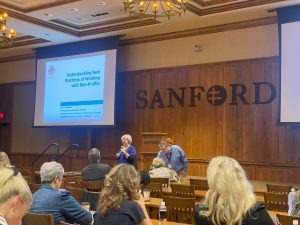
Presentations at the Sanford Campus during PPALs
In June, I headed to Chicago with the Hope in Focus team to the 2024 VISIONS conference, which is held biennially and hosted by the Foundation Fighting Blindness. VISIONS brings together over 500 attendees from the inherited retinal disease community, many of whom are living with an IRD. We had a packed two days of listening to important updates and inspiring lectures, and our favorite was meeting families affected by Leber congenital amaurosis (LCA). Haydar, Gizem, and Toprak from this month’s lead story also attended and brought along another family from Turkey whose daughter has LCA1 GUCY2D. It was amazing to see them again! We also met a new family that has two daughters with LCA8 due to a mutation in their CRB1 gene.
I am so grateful for these opportunities to connect in person with all the facets of our community working to bring treatments to those living with inherited retinal disease.
Allison Wolf, whose 9-year-old son Elliot lives with the encroaching blindness of Leber congenital amaurosis (LCA), spoke directly to staff from the country’s regulatory agency to help them understand the dire need for treatments for the rare inherited retinal disease.
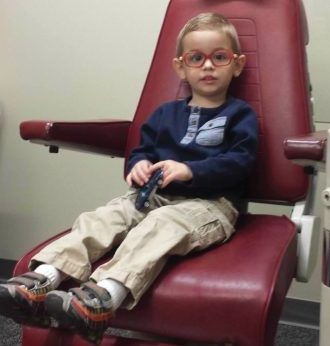
Elliot Wolf sitting on red chair
“Elliot’s eyes are dying, Allison said. “They are dying, and we have nothing to help slow down the progressive loss of his eyesight,” she told the Food and Drug Administration (FDA).
“What would a timely and effective treatment mean? The whole world,” the mother of four said.
Allison and five others affected by LCA shared their stories with the FDA during a recent Patient Listening Session hosted by Hope in Focus.
We brought together the voices of people living with LCA, caregivers, and a clinician treating people with LCA to FDA staff members in a 90-minute online meeting Oct. 30, 2023. Simply put, we wanted the FDA to truly hear our community’s voices.
Our year-long planning resulted in a successful session to help regulators understand patient/caregiver experiences related to LCA. We requested the meeting to raise awareness with FDA staff about clinical differences of LCA genotypes, share patient experiences of LCA’s impact on the quality of their lives, given the scarcity of treatments, and communicate the extraordinary significance of vision stabilization for patients.
Raising awareness is key to advancing research
People in our community struggle daily to find ways to cope and try to live normal lives in a sighted world. Still, they never give up hope for new treatments and the possibility of a cure. As an advocacy organization, one of our biggest challenges is creating awareness of LCA.
Courtney Coates, our Director of Outreach and Development, introduced the Hope in Focus mission and said LCA affects about one in 33,000 people and presents early in life, resulting in total blindness. Twenty-seven genes have been identified to cause LCA, with treatment available for one form, while a handful of others are in clinical trials.
Co-founder and Board Chair Laura Manfre said as the parent and caregiver of their daughter Sofia living with LCA, raising awareness, searching out new treatments, and providing support to the growing LCA community became the mission of Hope in Focus.
Laura said she wanted to underscore the goals of treatment, in particular around the stabilization of vision for Sofia and others with LCA.
“While vision restoration would be fantastic, having access to a treatment that stabilizes her vision would be huge for her. Not having to constantly change her accommodations for her changing vision is a huge win, and not having to fall asleep every night worried that the next morning might be the one she wakes up without any vision at all. That would be life changing.”
Sharing a chart showing seven current clinical trials, she explained two are not recruiting at this time, two have been discontinued, and all seven represented only four LCA genetic variations.
“So, there is still a lot of work to be done to advance potential treatments.”
Caregivers and people living with LCA tell their stories
Six people from our community shared their experiences.
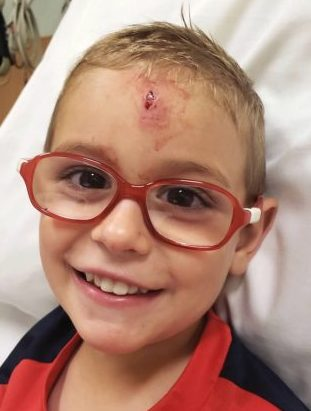
Elliot Wolf
Allison Wolf, who is 45 and from North Dakota, said doctors diagnosed her son Elliot with LCA13 (RDH12) when he was 6, and as he gets older, her challenges also grow.
“Nobody knows how to raise a visually impaired child. I must be taught. I must teach him the sighted world, while also dealing with the challenge of teaching him the non-sighted world,” she told agency staff. “My heart hurts when I hear Elliot say, ‘I just want to be done with all this work and I just want to play.’”
***
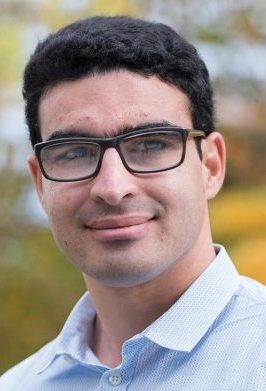
Mohamed Farid
Mohamed Farid of Illinois is a 36-year-old entrepreneur, diagnosed with LCA5 at 40 days old. His mother quit her job to take care of him, and they moved back to Egypt. Preserving his sight concerns him the most, and his greatest fear is the risk of injury.
“For new treatments,” Mohamed told the FDA, “the first thing I would look for is something to stop any degradation – I sense that my functional vision has degraded slightly over time and would imagine there is something going on with my retina, but do not know.
I have been told by doctors that I will lose my sight in the next two to three years ever since I was 5, and that lack of a prognosis is a killer. Following conservation, I care most about night blindness, then field of vision. …
“I was lucky to have a huge support network of people, who went out of their way and had a lot of energy and stress tolerance. This does not mean that life was easy or that I would not want a cure, even a partial cure would be life changing. It does mean that the cost of LCA is high, but barely bearable.”
***
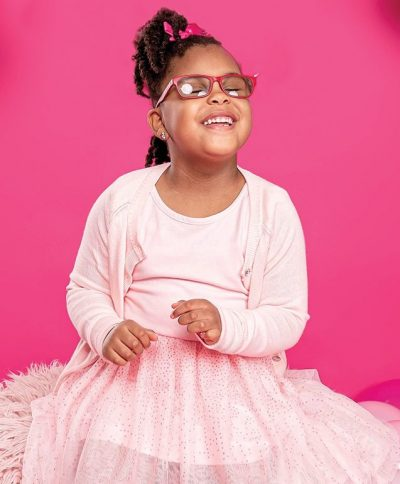
Joy Goodwine, 40, of New York is the mother of 7-year-old Jordynn, diagnosed at age 1 with LCA2 (RPE65), and received a new diagnosis last year of LCA1 (GUCY2D). She always wanted Jordynn to have some sense of normalcy.
Jordynn Erwin
“I’ve always asked family and friends to treat her like any other child,” Joy said. “I do not want people to feel sorry for her and I do not want her to have any special treatment because of her
visual impairment. Jordynn is being raised to know that she is capable of doing anything she wants with limitations…
“What I fear most as a parent with a child living with LCA is I worry that her kindness and vulnerability will lead to unwanted interactions when she gets old enough to go off on her own, or her eyes get worse if treatment is not available.”
***
Linda Wirth is 76 and lives in Colorado. Her vision loss remained a mystery until her diagnosis of LCA10 (CEP290) at age 68. As a child, she learned about the world around her by touching things and holding them.
Linda Wirth
“My family often told me, ‘Don’t touch that! You will break it. Don’t act strange. People will stare at you.’ So, I began to fake it, pretending I understood things which I did not in order to get along and not appear any different.”
One doctor early on told her: “You are blind! What do you want me to tell you? If you are looking for a miracle, there is none.”
A retired clinical social worker, Linda’s been angrily dismissed from jury duty and job interviews, ignored by waitstaff, and questioned whether she deserved to be a parent.
“Just as many differently abled folks, I have encountered individuals with various stereotypes and prejudices.”
***
DJ Broadbin of Connecticut is a 34-year-old mother and caregiver to 5-year-old Jace, who was diagnosed with LCA4 (AIPL1) at 10 months old. Through a Hope in Focus connection, she succeeded in getting compassionate use treatment in the UK for Jace. The treatment, which applied only to his specific gene mutation, has restored some of his sight in one eye.
Jace Broadbin
“No matter what happens with his vision or developing new treatments,” DJ told the FDA, “I remain steadfast in having the same goal I had for Jace since the very second I found out I was going to be a mom – I just want him to be happy. And I will continue to fight for his inclusion in this world to make sure that he always is.”
She often finds herself exhausted by the constant stress of being a caregiver.
“I also wish sometimes,” DJ said as her voice broke, “I just got to be a mom. Not a medical coordinator, an occupational therapist, and a Teacher of the Visually Impaired all rolled up into one. Just mom.
“But then I think about all the things that Jace’s diagnosis has given me personally: Clarity. Patience. Compassion and empathy in a way that I myself was too blind to see in those earlier days.”
***
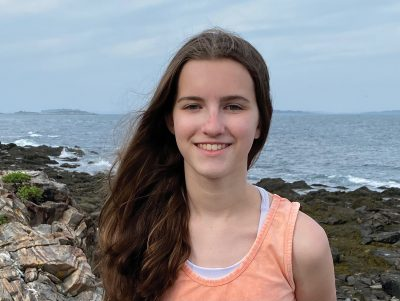
Mirielle St. Arnaud is 16 and lives in Illinois. She was diagnosed with LCA (IQCB1/NPHP5) at 6 months old. Her early diagnosis was possible because her older brother had been diagnosed with LCA.
Mirielle St. Arnaud
Mirielle worries about her safety and struggles to fit in with her classmates because she misses social cues. She hopes her fairly stable vision will not get worse.
She shared a wish list with the FDA that included personal independence, the opportunity to participate in sports, and more certainty about achieving the career of her choice (she dreams of being a lawyer).
“Some of the more significant challenges I face because of visual impairment relate to jobs and getting hired. It takes longer for me to learn certain skills at a job. I have to rely on others when out in public, especially when traveling. I also struggle to find accommodations for my impairment. It seems that other people know my needs better than I do.”
***
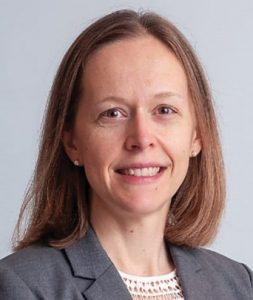
Rachel M. Huckfeldt
Our representative clinician, Rachel M. Huckfeldt, MD, PhD, of Massachusetts Eye & Ear, spoke about the difficulties of diagnosing and managing LCA and the small number of clinical trials. Identifying the responsible genes can be difficult, and the small number of patients severely limits opportunities for clinical trials.
Questions asked by FDA staff members focused on a few common themes: Have you participated in clinical trials? What are the key impediments to clinical trial participation? What are your deal-breakers to participation? What would a successful treatment look like to you?
One result certainly not on the agenda was the deep emotional impact of the stories shared by those living with LCA and caregivers. The session manifested itself as a profoundly moving event.
A full summary of the FDA Patient Listening Session will be available on our website.
Welcome to the Sofia Sees Hope Scavenger Hunt! We are glad to meet you.
We are doing this to continue to raise awareness for rare inherited retinal disease and Leber congenital amaurosis, which is challenging during a global viral pandemic. We launched it last year because of the coronavirus crisis, when in-person fundraising went dark and we were unable to be with our family and friends in person. It was so fun that we are bringing it back this year, even as COVID restrictions are being lifted in many places. As always, we ask that you adhere to your local requirements, and practice social distancing and mask wearing where required or prudent.
Your entry fee will benefit Sofia Sees Hope, and the education, outreach and advocacy work we are engaged in. We will also make a donation from the entry fees to a 501(c)3 nonprofit of the winner’s choosing (up to $250)! This way you can help a charity in your community that is also doing important work.
The Scavenger Hunt is open to anyone around the world! The maximum number you can have on your team is 5 (five) but they don’t all have to live in the same house! This could be a fun way to stay in touch with friends or family.
The only equipment you’ll need is a smart phone that can take photos/videos and a Facebook account.
To be officially entered, you must fill out this Google form. Once we receive your entry, you will be emailed confirmation and a link to make your suggested minimum team donation of $100. (Here’s the official rules, etc. you need to know.)
The Scavenger Hunt runs from Friday, May 21 through Monday, May 31. On opening day, you will receive an email with the list of challenges. You must complete 10 (ten) of the challenges by 11:59 p.m. EST Monday, May 31 to be entered into the pool to win.
There will be 2 additional requirements in the game:
To begin, at least ONE member of each team must complete a quiz about rare disease. You will receive a link to the quiz in the confirmation email.
On the last day, Wednesday, May 20, at least ONE member of each team must share 3 facts about Leber congenital amaurosis or rare disease on their Facebook, Instagram or Twitter and tag Sofia Sees Hope (@sofiaseeshope on all platforms). It can be 3 facts included in 1 post, or 3 separate posts.
You will post all your photos and/or videos in this Facebook group as you complete challenges. Once you are confirmed as entered in the hunt, you will be invited to join the Facebook group. The group is private, meaning that no one outside it can see who is a member, or any of the posts.
And the winner is …
Every team that completes 10 challenges by the hunt’s end will be entered into a random drawing for the winner.
The winner will be able to designate a 501(c)3 nonprofit of his/her choosing to receive a donation from Sofia Sees Hope!
The winner will be announced Friday, June 4 in the Facebook group, on our public social media platforms, and notified by email.
You or your loved one just received a clinical diagnosis of Leber congenital amaurosis (LCA), a rare inherited retinal disorder caused by a mutated gene. The disease causes severe vision loss at birth and affects the peripheral rod cells that allow night vision and the central cone cells responsible for fine detail and color vision. What now?
The next most important step is to get a genetic test for a confirmed genetic diagnosis to clarify the underlying genetic explanation of the disease. Finding the specific gene causing the defect is critical for moving forward with research and treatment.
Genetic counselors like Emily Place help navigate the complex world of gene mutations, genetic testing, and genetic diagnoses. She is among the more than 4,700 certified genetic counselors nationwide, and she specializes in counseling families living with inherited retinal diseases (IRDs).
Place, a Licensed Genetic Counselor and Research Study Coordinator at Massachusetts Eye and Ear (MEE), discussed her role in the ever-evolving world of genetics in our March webinar episode: “Let’s Chat About…the ins and outs of genetic testing.” Sofia Sees Hope Director of Marketing and Communications Elissa Bass moderated the monthly series, which you can watch here.
Place began her work at MEE’s Ocular Genomics Institute (OGI) in 2011, about the same time the first clinical trials were underway for a vision-improving gene therapy. Six years later, researchers identified, and regulators approved LUXTURNA®, the first gene therapy treatment for an inherited disease, and specifically for LCA2-RPE65, one of the more than 25 gene mutations associated with LCA.
She earned a Bachelor of Arts in Biology from the University of St. Thomas and her master’s degree in Human Genetics from New York’s Sarah Lawrence College, which in 1969 established the first graduate degree program in genetic counseling. With ever-expanding genetic studies, the profession dramatically increased with more than 50 programs now in the United States.
Basic Genetics
The Human Genome Project (HGP) began in 1990 as an international, collaborative quest to map and understand all the genes of human beings and their roles in health and disease. The project, completed in 2003, revealed there are probably about 20,500 human genes, referred to collectively as our genome, according to the National Human Genome Research Institute.
Scientists have since identified more than 30,000 genes in our body and more genetic causes of inherited conditions, and more research remains to be done to better understand the causes of inherited conditions and to identify more genes.
“Genes are instructions or blueprints that tell us how to grow and function,” Place said.
This genetic information is organized in our chromosomes and can be found in every cell of our body.
More than 200 genes have been identified as playing a specific role to help retina function.
“These inherited retinal conditions can arise because of a genetic variation or change within a gene that we know is important for retinal function and, what we really mean here, is that this genetic change is changing the genetic code in some sort of way that is causing the gene not to function properly within the retinal cells.”
With a few exceptions, she said, a general eye exam will not reveal the underlying genetic explanation for retinal disease.
“That’s where genetic testing is necessary to rule in or identify which one of these 200-plus genes could be the underlying explanation and thus, more definitively rule in an inherited condition and provide a more definitive specific genetic diagnosis.”
The most common pattern for inherited retinal diseases to occur is a recessively inherited condition, the result of inheriting a genetic variation in two copies of the gene, one of those copies inherited from mom and one from dad.
“In these recessive conditions, generally, there may be no family history of anybody else in the family with similar conditions, and that’s because individuals can be carriers, and they may carry one copy of a variation and one copy of their gene, but they have another that can compensate.
“Carriers can be asymptomatic and run through multiple generations and not even know that they’re carriers, and it isn’t until two carriers meet that there’s even a chance for both of them to pass on the genetic change.”
Specific Genetic Identification Versus No Clear Explanation
Counselors help in multiple ways as a family or patient is working toward a genetic diagnosis. Place can begin counseling families before testing, gleaning family history details, reviewing complexities of different inheritance patterns, and looking into what can and cannot be learned from testing.
“It’s also exploring with patients and families whether this is the right time for genetic testing. Is this something that the individual is ready to move forward with or is it something that maybe should be discussed or pursued a later time?”
Counselors can work with families after testing, reviewing the result, whether it be that the testing identified a specific gene or that no clear explanation was found, which happens 30 percent of the time, Place said.
No clear explanation could mean a negative result or an inconclusive result. A negative result can mean no genetic variations were identified. An inconclusive one could be that variants were identified within one to two genes, and the lab does not currently have enough data to classify those variants as disease-causing, but they also cannot be ruled out as not disease causing, she said.
“Sometimes additional testing of other family members may be helpful in resolving the significance of those variants, or that it’s going to take some time and more genetic knowledge is needed to better classify those variants.”
Working with a counselor also helps sort out next steps to take, including the possibility of periodically checking back with your genetic counselor to see if more recent research has updated results or new testing options.
“A True Privilege” To Create Relationships
Long-term relationships can develop between counselors and families after testing. If the test identified a specific gene, they discuss the result, assess the risk of other family members having the mutation, coordinate whether they should get tested, and maintain communications going forward about potential genetic-related treatments and therapies.
Place said it may not be the case with every counselor, but long-term relationships with families are the norm in her work.
“I think every clinic and counselor’s experience will be a bit different. I have the true pleasure of working within an IRD clinic where we’ve had long-term relations with the families, and I get to see families back over the course of their visits with us, and so it is a true privilege to be able to create these longer relationships with families.”
Her approach to testing is that a patient diagnosed with any type of IRD should undergo a full IRD panel testing so as not to miss a particular gene.
She also said it’s important for the patients and families to have back-and-forth relationships with their ophthalmologists.
“It’s definitely a two-way relationship, continuing to stay engaged with your providers, but your provider also thinking about being on top of the different testing options that are available.”
Getting Genetically Tested
A person needs a doctor’s order to be genetically tested. Diagnostic testing is done on a patient’s blood or saliva sample at a clinically certified lab that analyzes a specific set of genes identified to be the cause of retinal condition.
ACMG is a place to locate a Medical Geneticist (MD/physician), as well as medical genetics clinics. The search ‘Find a Genetic Service’ can be used to locate a genetic professional.
Search engines in both organizations bring up regional options by entering your zip code. Counselors can meet in-person with patients or, depending on the clinic, via telehealth, by phone, video conferencing, and other virtual methods.
Testing resources also can be found through medical or clinical genetics’ departments in your hospital system.
Also, Sofia Sees Hope has donated more than $140,000 to fund free genetic testing for individuals with inherited retinal disease through the My Retina Tracker® program, launched and managed by the Foundation Fighting Blindness. The program is an open access, no-cost genetic testing program for individuals with a clinical diagnosis of an IRD.
“So much has changed in terms of access to genetic testing for inherited retinal diseases over the last several years, and it’s more available to patients than it ever has been in the past. I would say this is really a good time to work toward getting a genetic diagnosis – getting genetic testing if you haven’t had it or re-engaging with your providers if you’ve had testing years ago without a positive result and discuss updated testing options.
“There are resources out there and available, so there are plenty of individuals like me that are available to help facilitate testing or get you in touch with the right counselor or medical geneticist to help facilitate testing for you.”
As the Supervisory Physician in the FDA’s Division of Ophthalmology, Dr. Chambers discussed vaccines and processes necessary for drugs to be approved for human use in our February 16 webinar episode: “Let’s Chat About…What it takes to receive approval for a new treatment for rare disease.” Sofia Sees Hope Director of Marketing and Communications Elissa Bass moderates the free monthly webinar series. You can watch the webinar here.
Dr. Chambers joined the FDA in 1987 as a primary reviewer for ophthalmic drug products and in 1990 became a Supervisory Medical Officer for Ophthalmologic Drug Products. He has supervisory responsibility for the clinical review of ophthalmologic drug products and ophthalmic therapeutic biologic products submitted to the Center for Drug Evaluation and Research. He has clinically reviewed more than 100 ophthalmology drugs that have received FDA approval, including the first gene therapy, LUXTURNA®, approved in December 2017. The drug – administered through subretinal injection – is a human-engineered virus containing a healthy version of the RPE65 gene that causes blindness in patients with a form of Leber congenital amaurosis (LCA) called LCA2 (RPE65).
Vaccines: “We’ve Got That Down”
Talking about the recently authorized COVID-19 vaccines, Dr. Chambers said it wasn’t a matter of starting from scratch. “We know how to make vaccines. We’ve been making vaccines for over a hundred years. We make new vaccines every year. The flu shots that come out are a change in the vaccine every year and we put a vaccine out every year that’s specific to different strains of the flu. Every year. So, we’ve got that down.”
The process did differ in two aspects because of the urgency to quell the pandemic.
“What happened with COVID is the federal government said, ‘You companies go make the vaccines. We’re still going to go through the normal process of testing it, having the FDA go and review it, but don’t wait to see if the product works or not before you make up all those doses. Make them now. And we’re going to pay you for them whether it works or not.’
“So, the companies went and did that. We didn’t skip any steps. We know how to make vaccines. We did what we typically know. We made a series of vaccines and at the same time the companies were mass-producing, as everybody would suggest now, not enough, but made a number of doses out so that when the products got approved, they already had doses made. They didn’t have to start manufacturing doses.”
The second distinction is COVID-19 – which has killed more than 550,000 Americans and more than 2.6 million people worldwide – created a public health emergency requiring urgent mitigation.
Rather than getting FDA approval or clearance, COVID-19 vaccines received Emergency Use Authorization (EUA), one of several tools the FDA is using to help make certain medical products available quickly during the pandemic. Under an EUA, the FDA makes a product available to the public based on the best available evidence, without waiting for all the evidence that would be needed for FDA approval or clearance.
EUAs are effective until the emergency declaration ends, and they also can be revised or revoked by the FDA as it continues evaluating available data and patient needs during the public health emergency.
Developing gene therapies to improve vision also meets fast-tracking requirements because vision loss is considered serious. Fast-tracking gene therapy in ophthalmology means extra meetings and FDA communication. “But you’re not skipping any steps at all,” Dr. Chambers said.
Improving Visual Acuity
The FDA is a gatekeeper requiring that a product be safe and efficacious for its intended population before it can be marketed for human use. Dr. Chambers regularly talks with patients and solicits comments from groups about what is important to them in the search for potential treatments or cures. The information then can be modified into endpoints, or outcomes, measured scientifically through clinical trials.
“We strive to approve products that are going to benefit patients. That’s who’s going to take them. That’s who they’re for, that’s what we’re trying to go and match.”
Dr. Chambers said his personal preference is cures.
“I like diseases to go away. My endpoint, if given the choice, would be to have something go away. But I’ve got to have a product that’s capable of doing that too, so there’s a reality that sets in that I may not get a product that cures, that does everything I would like it to go and do, but we strive for as many of those things as possible and to then try to include them in the trials.”
As an example, he cited visual acuity (clarity of vision) and the ability to drive.
“For better or worse, in the United States, if you want to be independently mobile, as far as living alone in many parts of the country, you have to be able to drive…and every state in the United States has a visual acuity value that if you’re not at the visual acuity or better, you can’t get a driver’s license…
“We think visual acuity is an important thing to be able to improve for patients. Not because they say they want it but because we know if they don’t achieve that level, they’re not going to be able to drive and they’re not going to have the mobility that we know people want.”
Whether someone can see better in some aspect is an important endpoint, even if it means vision is not completely restored. “I frequently make the comment that my head is going to hurt just as much if I get hit by a ball that I saw or that I didn’t see. If I have a blind spot and I can now not see a ball coming to me and I get hit with that ball, it’s going to hurt. It would have been nice if I had had the full field of vision so that I could see the ball coming and avoid it. So, if I improve my field of vision, even if it’s not dead center, even if it’s not visual acuity, it’s still a benefit to me.
“You’ll see us potentially approve products on things less than fixing the whole thing, but fixing some portion, and again, we’re absolutely open to suggestions by people of things that they think benefit them that we could use as endpoints.”
Research Models
Mice and rats, cats and dogs, rabbits and monkeys – they all play important roles in developing new treatments and drugs. With inherited retinal disease, dogs take the cake.
Researchers use animal models that most resemble humans, and in the case of LCA, studies showed dogs gained improved vision, leading to the federal approval of the groundbreaking drug LUXTURNA®.
Lancelot, a Briard descended from an ancient breed of large herding dogs in France, carried the same RPE65 gene that caused his blindness.
By contrast, rats would not make for good study models in retinal research because they do not have a macula. “Rats are more interested in going around in the dark. Their eyes are different,” Dr. Chamber said. “You want to pick an animal that has similar receptors in that species.”
Lancelot and his cousins paved the way for FDA approval of the first-ever gene therapy for inherited disease in humans.
Road to Approval through Clinical Trials
The goal of the FDA is to approve a product proven to be safe and efficacious. The product’s potential adverse events are weighed against its benefits in the balancing act of risk versus reward.
The agency regulates interstate commerce, acting as a gatekeeper for any product intended for human use. Because a biotechnology company probably wants to ship the investigational drug to clinical investigators in many states, it first must seek an exemption from that legal requirement. The exemption is granted after the company submits its research for review. “If we say nothing, they’re allowed to proceed. If we have an objection, we tell them in 30 days.”
Beware of phony trials, Dr. Chambers said. The website clinicaltrials.gov lists both trials that have been issued an IND number and those overseen by the FDA. It also lists trials not reviewed by the FDA.
“First thing: Ask what the IND number is,” he advised. Dr. Chambers noted that clinical trials, for better or for worse, are never conducted for the people in the trial. They are geared to inform what is going to happen in the future with the product. Rare diseases – such as the more than 25 forms of LCA and other rare inherited retinal diseases (IRDs) – present bigger challenges in finding participants for clinical trials because the rare disease community inherently represents fewer people. The definition of a rare disease in the United States is one affecting fewer than 200,000 Americans.
If only 30 people are studied, you are likely to see adverse events that occur in 10 percent or more of individuals, he said. If you study 300, adverse events can be picked up at a rate of 1 percent or above.
“It’s all about the numbers, numbers, numbers, numbers…It’s a numbers game.”
The process wends its way through more protocols, comparisons, studies, and trials until a company submits a marketing application reviewed by experts at the agency.
The FDA may hold Advisory Committee meetings for public comment from external reviewers, special government employees, patients, consumers, and advocates. In the case of LUXTURNA®, Sofia Sees Hope Co-Founder and Board Chair Laura Manfre testified at an Advisory Committee meeting on behalf of Spark Therapeutic’s application.
FDA oversight does not end after it approves a drug and a biotechnology company begins marketing it for human use.
“We now start monitoring for adverse events that might occur with the product,” Dr. Chambers said.
The process of receiving federal approval of products for human use can be long and expensive: LUXTURNA® research, development, and approval took 12 years and $500 million. The rewards, though, can be priceless, in helping children and adults see the world in a new light.
Had he received a more definitive rare disease diagnosis in 2003, Alan Gunzburg said he might not have lost so much vision and still might be able to drive.
In 2016 – 13 years after his initial diagnosis – the Greenwich, Conn., man learned his vision and hearing loss was caused by Adult Refsum Disease (ARD), a genetic metabolic disorder with symptoms that perhaps he could have staved off years ago through dietary restrictions.
Doctors initially diagnosed Gunzburg with retinitis pigmentosa (RP) – a rare inherited retinal disease (IRD) causing progressive loss of peripheral and night vision. Those are also symptoms of Refsum disease, which, if undiagnosed, can be life-threatening.
The disorder results in a buildup in the nerves and liver of phytanic acid, a type of fat found in certain foods. Other symptoms are loss of smell and hearing, numbness, unsteadiness, itchy skin, and shortened fingers and toes.
His story reflects the plight of many people living with a rare disease because the more than 7,000 rare diseases in the United States are just that – rare.
It’s difficult to correctly diagnose rare diseases when little information exists about them.
Some families living with rare disease find they must create their own advocacy avenues to educate the public and the medical community about diseases they’ve never heard of.
Gunzburg created the Global DARE Foundation with the mission of Defeating Adult Refsum Everywhere. His website gets the word out about the disease and gives information on symptoms, treatments, and research.
Laura Manfre, co-founder and board president of Hope in Focus (formally Sofia Sees Hope), took that same route in 2014 after doctors genetically diagnosed her daughter with a form of Leber congenital amaurosis (LCA). As a global patient advocacy organization, Sofia Sees Hope helps transform the lives of those affected by blindness caused by LCA and IRDs by generating awareness, supporting affected families, and raising funds to advance research for diagnosis, treatments, and cures.
Creating Rare Disease Advisory Councils
The global phenomenon of Rare Disease Day exists to create awareness of rare disease, characterized in the United States as affecting fewer than 200,000 people. With more than 7,000 rare diseases, 25 million to 30 million Americans are affected by rare disease. That means one in 10 Americans suffer from rare diseases, and more than half of them are children. The European Organization for Rare Disorders (EURODIS) organizes the international campaign.
Nationally, Rare Disease Day brings together each state’s RAN ambassador – in Connecticut’s case, Volunteer State Ambassador Lesley Bennett – along with patients, caregivers, doctors, advocates, legislators, academics, and business and biotech leaders to generate awareness, increase patient and caregiver support, and drive research for treatment and cures.
This year’s event focused on creating Rare Disease Advisory Councils (RDACs) in all 50 states through NORD’s Project RDAC. Councils are made up of various stakeholders, including patients, caregivers, doctors, insurers, biotechnology companies, researchers, and state officials.
Project RDAC’s goals are to optimize existing councils and increase the number of groups nationally by opening collaborative opportunities among councils, creating educational resources to guide them, and helping more states pass legislation that establishes high-functioning councils.
More than a dozen states have RDACs, 12 are pursuing RDAC legislation, and another 23 states do not have an RDAC.
Connecticut is working toward creating a permanent RDAC task force, after a temporary group disbanded in 2019. Check out this map to see if your state has an RDAC or if NORD is working on legislation to create one. To start an effort in a state, click here.
Telling Rare Disease Stories
NORD’s Kristen Angell moderated the virtual celebration that featured more than two dozen people, sharing stories about the struggles and successes in the world of rare disease. A recording of the celebration will be available soon.
Suzanne Candela literally told an uplifting story as outreach and mission coordinator for Patient Airlift Services (PALS) with the motto: “Going Above and Beyond to Lift People Up.”
Volunteer pilots help eliminate logistical barriers to treatments by using their own aircraft, fuel, and time to fly patients to appointments. Over the course of 10 years, the company helped 2,900 families in 23,000 flights, covering more than 5.4 million miles. Candela told of a girl flown from northern Maine to Boston for repeated cancer treatments. The patient has flown on PALS flights about 60 times and counting.
The service could eliminate transportation barriers for participants in out-of-state clinical trials. The company also has flown 900 flights bringing combat-wounded veterans to appointments.
Connecticut State Sen. Cathy Osten described the story behind proposed legislation that she and State Rep. Christine Conley introduced this session to help a local family struggling to pay for special food for their two children diagnosed with phenylketonuria (PKU). The family’s share of the cost is about $36,000 per child per year. Osten said insurance companies hesitate to pay but the expense is well worth it when it comes to the quality of life for people with PKU.
David Leeds of Avon has the rare disease Hereditary Angioedema with normal C1 Inhibitor (HAE-nC1Inh), a new form of hereditary angioedema (recurring episodes of swelling) identified in 2000.
If he goes to the hospital in this time of the COVID pandemic and no one knows about his rare condition and no one can speak on his behalf, Leeds said, “We just have to hope that my rare disease doesn’t kill me before they send me home.
“I have to know everything about my disease because my doctors don’t.”
John Hopper, one of the emcees of the virtual celebration, heads the Greenwich-based Fibrolamellar Cancer Foundation that advocates for people living with fibrolamellar carcinoma, a rare liver cancer that usually occurs in adolescents and young adults with no history of liver disease.
Hopper, who also co-chairs NORD’s Rare Cancer Coalition, said his strategy is to be what he calls “the mouse that roared.”
“That means we know we’re small, but we know we have to be loud,” Hopper explains on his foundation’s website. “Most people don’t know about rare diseases. Unfortunately, a lot of people don’t care about them. Our strategy is to be that loud voice – that leader – to make sure that every stakeholder from government to academia to pharmaceutical pays attention to this cancer and understands that working on this small cancer may lead to bigger things too for the rest of them.”
Hopper encouraged all the participants in the virtual rare disease day event to be that mouse that roars.
Fifteen states have established a Rare Disease Advisory Council (RDAC) to give the rare disease community, including those living with Leber congenital amaurosis (LCA), a stronger voice in state government. Another dozen states are actively working to establish RDACs this year.
With assistance from the National Organization for Rare Disorders (NORD), patient organizations, such as Hope in Focus (formally Sofia Sees Hope), and the broader rare disease community, RDACs around the country work to help states strategically address barriers faced by people living with rare diseases. The councils give stakeholders an opportunity to make formal recommendations to state leaders on critical rare disease issues, including increased awareness, diagnostic tools, and access to affordable treatments and cures.
Sofia Sees Hope, based in Ledyard, Conn., annually gives information to legislators on the Connecticut General Assembly’sPublic Health Committee, letting them know that rare disease advocates and those living with a rare disease, need state and federal support in crafting legislation to help the rare disease community.
The last day of February each year is officially Rare Disease Day, a time to raise awareness among the public and decision makers about rare diseases and their impacts on patients’ lives. NORD sponsors Rare Disease Day in the United States, alongside its sister organization, the European Organization for Rare Disorders (EURODIS), which organizes the official international campaign.
A disease is defined as rare in the United States if it affects fewer than 200,000 Americans. LCA and other inherited retinal diseases (IRDs) are among the approximately 7,000 rare diseases that exist nationally, affecting 1 in 10 people. These diseases include more than 500 types of rare cancers and all pediatric cancers.
Between 25-30 million Americans live with a rare disease, including about 300,000 in Connecticut.
NORD’s Connecticut Rare Action Network, along with other such groups nationwide, will highlight RDACs as part of its virtual celebration of Rare Disease Day 2021. Connecticut’s Rare Disease Day celebration will be at 9 a.m. ET, Friday, Feb. 26. You can register to participate in this free event by clicking here.
NORD also just released its sixth edition of its State Report Card* that analyzes the 50 states and Washington, D.C., on eight policy issues that impact the rare disease community. The organization launched its report card project to evaluate the effectiveness of states serving people with rare diseases.
Each state has its own report card that addresses Medicaid Financial Eligibility, Medicaid Nutrition, Newborn Screening, Prescription Drug Out-of-Pocket Costs, Protecting Patients in State Medicaid Programs, Protecting Patients in State-Regulated Insurance, Rare Disease Advisory Councils, and Step Therapy (trying less expensive options before “stepping up” to drugs that cost more).
RDACs advocate for patients and caregivers
State governments make decisions every day affecting the rare community. They play critical roles in ensuring access to health care providers, services, and treatments needed to thrive, along with the design of their Medicaid program benefits, and regulation of some insurance plans. The councils offer forums for discussion about these issues.
As one Connecticut legislator said at a previous celebration, having one day to recognize rare diseases is not enough.
“It needs to be Rare Disease Day every day in the state of Connecticut,” said State Rep. Jonathan Steinberg, co-chairman of the General Assembly’s Public Health Committee.
Connecticut Volunteer State Ambassador Lesley Bennet – along with ambassadors nationwide, doctors, researchers, advocates, caregivers, patients, legislators, and business leaders – take this time to advocate state-by-state for better resources and outcomes for people living with rare diseases.
Bennett said many of their patients have difficulty getting access to services because people don’t understand the disorders.
Patients, caregivers, families, and providers in North Carolina created the first RDAC six years ago; 15 states have active councils with1 2 more on their way toward fruition, for a total of 27 states.
Another 23 states, including Connecticut, do not have such councils but efforts continue through NORD’s Project RDAC, launched last fall. Connecticut established a task force to study whether to create an RDAC, but the group disbanded in 2019.
Check out this map to see if your state has an RDAC or if NORD is working on legislation to create one. To start an effort in a new state, go to RDAC@rarediseases.org.
Council composition varies from state to state in size, duties, and accountability requirements. It also depends on the type of entity that houses the RDAC, such as a state department of health or a non-profit organization.
A council typically comprises various stakeholders, including patients, caregivers, doctors, insurers, biotechnology companies, researchers, and state officials.
Project RDAC aims to optimize the existing councils and increase the number of groups nationwide by opening collaborative opportunities among the councils, creating educational resources to guide them, and helping more states pass legislation establishing high-functioning councils.
15 states with an established Rare Disease Advisory Council:
Alabama, Kentucky, Illinois, Massachusetts, Minnesota, Missouri, Nevada, New Hampshire, New York, North Carolina, Ohio, Pennsylvania, Utah, Tennessee, and West Virginia.
12 states pursuing Rare Disease Advisory Council legislation:
Arkansas, California, Florida, Georgia, Kansas, Michigan, New Jersey, South Carolina, Texas, Virginia, Washington, and Wisconsin.
23 states with no Rare Disease Advisory Council:
Alaska, Arizona, Colorado, Connecticut, Delaware, Hawaii, Idaho, Indiana, Iowa, Louisiana, Maryland, Maine, Mississippi, Montana, Nebraska, New Mexico, North Dakota, Oklahoma, Oregon, Rhode Island, South Dakota, Vermont, and Wyoming.
When I joined the Foundation Fighting Blindness as a science writer in 2004, I really didn’t know what I was getting into. I knew nothing about the retina, let alone the complex and diverse world of rare inherited retinal diseases (IRDs) that includes Leber congenital amaurosis (LCA). But the research for treatments was cutting-edge and compelling, so I was excited to dive in and learn.
My early assignments were writing about laboratory studies coming out of academic labs. There were virtually no companies in the IRD space and only one or two clinical trials underway for emerging therapies. But there were a lot of studies of genetically engineered mice and rat models of IRDs for gaining a better understanding of disease pathways and testing potential treatments.
Truth be told, I often wondered if and when rodent-tested therapies were really going to make it into human studies and out to the people losing vision. But the scientists conducting the research were mind-blowingly smart and innovative, so I figured they knew what the heck they were doing. With a master’s degree in poetry, who was I to judge?
Fast forward about four years: I was in my hotel room in Fort Lauderdale – there for the annual Association for Research in Vision and Ophthalmology conference – when my manager called and told me three research groups just reported vision improvements in young adults treated with RPE65 gene therapies in Phase 1/2 clinical trials. That was the breakthrough we’d all been waiting for.
People, rather than animals, with severe vision loss were now seeing significantly better. It was the first time an IRD treatment had worked in humans. I will never forget the headline for the article I immediately wrote: “Now They See.” (Note: One of those RPE65 gene therapies later became LUXTURNA®, the first FDA-approved treatment for the eye or an inherited condition.)
After many years of painstaking work, our hope for treatments and cures had finally begun evolving into promise.
There have been several other aha! moments in the ensuing years, but I distinctly recall cathartic encounters at the 2019 American Society of Retinal Specialists in Chicago. As I perused the snack table during breaks (the accomplished snacking professional that I am), several representatives from biotechs developing IRD therapies – companies I’d never even heard of – came up to introduce themselves to me and tell me about their emerging IRD treatments. They didn’t know me or my role, nor had I previously known them; they were just eager to connect with someone from the Foundation Fighting Blindness to get on our radar screen.
I realized then I couldn’t keep track of all the companies (dozens) focused on IRDs and clinical trials (40-plus) underway for potential IRD treatments. But being overwhelmed felt incredibly good, and it meant more good news likely was on the horizon for saving and restoring vision.
While mouse studies are as critical as ever, I can’t remember the last time I wrote an article about one. That’s because most of my writing is now dedicated to reporting on advances, including encouraging vision improvements, being made in human studies.
Make no mistake: Much more work needs to be done before we eradicate the myriad IRDs affecting millions of people across the globe. And, of course, we cannot get more therapies across the finish line fast enough. But when I look at how incredibly far we’ve come since those early days of mice and rats, I have no doubt we are well on our way to breaking many more ribbons soon.
Rare disease patients, caregivers, advocates, researchers, doctors, healthcare providers and lawmakers gathered at Connecticut’s capitol in Hartford on Friday, Feb. 28, to celebrate Rare Disease Day 2020 and raise awareness because rare medical conditions often are overlooked by health-policy decision makers and the medical community.
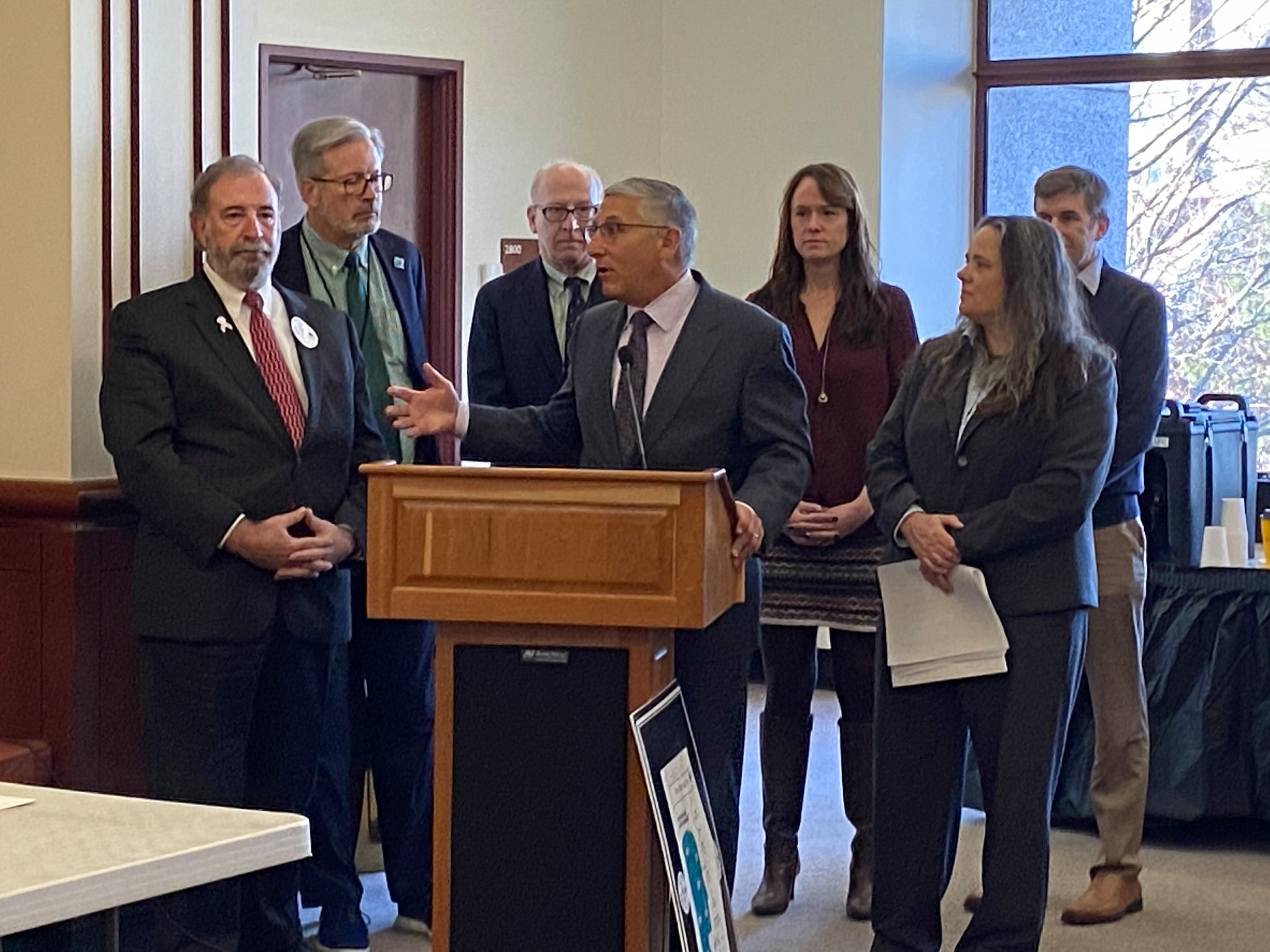
CT Rare Disease Day at the state Capitol in Hartford. Photo courtesy NORD.
The National Organization for Rare Disorders (NORD) and its Rare Action Network (RAN) organized the event for Rare Disease Day, celebrated nationally and in more than 85 countries. Click here for information on your state’s events, RAN and Rare Disease Day.
A disease is defined as rare in the United States if it affects fewer than 200,000 Americans. As many as 7,000 rare diseases exist nationally, affecting 1 in 10 people. Between 25 million and 30 million Americans live with a rare disease, including about 300,000 in Connecticut alone.
Sofia Sees Hope, based in Ledyard, Conn., gave information to legislators on the Connecticut General Assembly’s Public Health Committee, letting them know that rare disease advocates and those living with a rare disease, such as Leber congenital amaurosis (LCA) and other rare inherited retinal diseases (IRDs), need state and federal support in crafting legislation to help the rare disease community.
Awareness helps research
We wanted to impress upon the committee that dedicated, grassroots attention and awareness to specific rare diseases generate incredible results in finding cures and treatments. Children living with visual impairment now can regain their vision through a ground-breaking retinal medicine called LUXTURNA.
The legislators learned that for six years Sofia Sees Hope has been generating awareness, supporting affected families and raising funds to advance research for diagnosis, treatments and cures for blindness caused by LCA and other IRDs, such as retinitis pigmentosa (RP).
Here’s our legislative statement in its entirety:
LCA is characterized by severe vision loss at birth. While some children are born with little or no vision, others may have significant vision loss in the first few years of life, stable vision for a period, and then eventually complete vision loss as the retina deteriorates into total blindness.
The optimal window for reversing vision loss is during the early phase of the disease. Creating avenues to affordable treatments and accessibility to resources is imperative and often can be inhibited by insurance regulations and other rules limiting access to help and support patients.
More than 25 genes are associated with LCA and a mutation in just one of these can result in blindness. The rare disease occurs in 1 in 33,000 to 1 in 88,000 people and makes up 5 percent of all retinal dystrophies. Twenty percent of children with visual impairment and attending special schools have LCA; it is the second most common inherited retinal dystrophy after retinitis pigmentosa.
A patient needs a confirmed genetic diagnosis to proceed with appropriate treatment avenues. Sofia Sees Hope has given more than $100,000 to provide families, including those in Connecticut, free access to genetic testing and has directed $275,000 to genetic retinal research. Patients also need support from their lawmakers to ensure they receive the quality of life to which they are deserving.
After decades of research and dedicated investment in studies, scientists created a breakthrough genetic therapy that helps restore vision in patients with one of the genetic mutations causing LCA. The U.S. Food and Drug Administration in 2017 approved this treatment – developed by Spark Therapeutics and called LUXTURNA – which also is the first genetic therapy ever in the United States to treat ANY rare inherited disease.
LCA patients treated with LUXTURNA experienced dramatic changes in their lives with greatly improved or restored vision. Children who are 5, 6, 7 years old and have been treated with LUXTURNA view life in a new light in big and little ways. They now can see rainbows in the sky and stars shining at night.
Our lawmakers need to know that we fully support the principle that all FDA-approved treatments should be made available to all those who will benefit from such treatment, and to reject any proposed requirements restricting access to medications.
Sofia Sees Hope also encourages the Connecticut General Assembly to establish a Rare Disease Advisory Council comprised of patients, patient advocates, doctors, researchers and community members to address the emerging public health priority of rare diseases, including LCA.
Activism leads to legislation
More than 20 people – legislators, patient advocates, patients, caregivers, researchers, doctors and businesspeople – spoke during the morning event to a crowd gathered in the second-floor atrium of Connecticut’s Legislative Office Building.
Jean Kelly, co-founder of Brian’s Hope, spoke on behalf of her son, Brian, and others with Adrenoleukodystrophy (ALD), an x-linked metabolic disorder that destroys myelin, the protective sheath that surrounds the brain’s neurons – the nerve cells that allow us to think and to control our muscles. She and her husband are 24/7 caregivers of Brian who was diagnosed at age 6 and is now 31. Their son can hear but he cannot speak, see or walk. She advocated for more help for parents who must devote their lives to caring for their children. She and her husband advocated for mandatory ALD newborn screening in Connecticut, which was passed into law in 2013.
Laura Morris from the state’s Office of Health Strategy thanked legislators for the passage 10 years ago of a law requiring health insurance coverage for wound care for people like her daughter, who lived with Epidermolysis Bullosa (EB), a group of rare genetic conditions that result in easy blistering of the skin and mucous membranes.
A host of other speakers talked about dealing with enormous monthly bills, tangles over insurance coverage and the overwhelming stress on rare disease patients and caregivers.
NORD Director of State Policy Heidi Ross, in a statement from the organization’s President and CEO Peter L. Saltonstall, told the group:
“The purpose of Rare Disease Day is to bring patients and advocates together to articulate with one voice the shared message that millions of people around the world are suffering with unmet medical needs and need help. Our patients need earlier diagnosis; safe, effective treatments; and assured access to medical care and other services …
“There are events like ours today taking place in state capitol buildings across the nation, where elected officials are meeting with patient advocates to better understand what life is like with a rare disease, and how health care decisions they make at the state level – on issues such as newborn screening, medical insurance, cost-sharing and (specially formulated) medical foods – have a major impact” on those living with a rare disease.