Reports on Gene Therapy Advances: A Highlight from the 2025 Hope in Focus Conference in Minneapolis

Gene therapy is unequivocally the most advanced approach for treating retinal diseases like Leber congenital amaurosis (LCA). Of course, there’s LUXTURNA® which is FDA-approved and has restored significant vision for people with LCA caused by RPE65 mutations. But several other emerging gene therapies are, or will soon be, in clinical trials. Excitingly, some are restoring vision early in human studies.

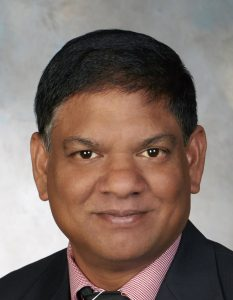
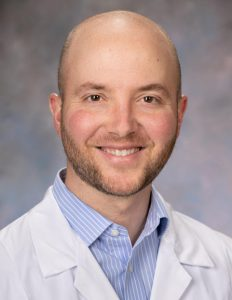
I had the honor and privilege of moderating an expert research panel at the 2025 Hope in Focus Conference last June in Minneapolis to discuss some of the exciting developments in LCA gene therapies. The three panelists were Kenji Fujita, MD, chief medical officer, at Atsena Therapeutics; Sarah Tuller, JD, chief regulatory officer at Opus Genetics; and Bikash Pattnaik, PhD, a professor at University of Wisconsin-Madison.

Atsena’s LCA1 Gene Therapy Moving into Phase 3

Dr. Fujita delivered the exciting news that Atsena’s LCA1 (GUCY2D) performed very impressively in a Phase 1/2 clinical trial. “We were super-thrilled with the results,” he said. “The gene therapy worked better than we expected.” Thanks to the excellent results, the gene therapy is moving into Phase 3 in a co-development partnership with Nippon Shinyaku which brought a few of their representatives to Minneapolis.

The Phase 1/2 trial enrolled nine adults in Part A (the dose escalation group) to evaluate initial safety and determine the optimal dose. An additional three adults and three pediatric patients were subsequently dosed. Patients receiving the highest dose (all were treated in one eye) had 100-fold improvement in retinal sensitivity, as measured by full-field sensitivity (FST). Some had10,000-fold improvement. Patients were also able to navigate a multi-luminance mobility test (MLMT) in dimmer light (two lux levels lower) after treatment. “This was a transformative difference, on par what we have seen with LUXTURNA,” said Dr. Fujita.

The Phase 3 clinical trial will enroll a larger group of patients and treat both eyes. Some patients will be in a deferred treatment group, serving initially as controls.

The Foundation Fighting Blindness, through its RD Fund, is an original investor in Atsena.

Opus Reports Vision Improvements in LCA5 Gene Therapy Clinical Trial

Opus Genetics, a company established by the Foundation Fighting Blindness in 2021, launched its first clinical trial in 2023 for an LCA5 gene therapy. LCA5 is a severe retinal degeneration diagnosed in a child’s first year. It is also very rare, affecting only about 200 patients in the US. 

Opus reported excellent results for the first three patients (adults) in the trial with improvements in FST and virtual maze navigation. The company is now dosing pediatric patients and expects to report on them in the third quarter of 2025. “We are trying to move forward as aggressively as the FDA will allow,” said Ms. Tuller.

She acknowledged the great work of Dr. Tomas Aleman, the principal investigator on the trial, who was also at the meeting and had an engaging discussion with Sarah McCabe, one of the first patients to receive an RPE65 gene therapy.

A CRISPR Therapy is Emerging for LCA 16 

Dr. Pattnaik reviewed his team’s emerging CRISPR gene editing approach for correcting the W53X mutation in the gene KCNJ13 which causes LCA16. He explained that the treatment works like molecular scissors to cut out the mutation. 

Dr. Pattnaik is using lipid nanoparticles ⎯ which are like microbubbles ⎯ to deliver the treatment into retinal pigment epithelial (RPE) cells. Unlike most other genetic therapies which use engineered viruses to get genetic cargo into cells, nanoparticles have the advantage of being able to deliver therapeutic cargo of any size. Also, they are less likely to cause an immune reaction than viral systems.

Dr. Pattnaik tested the approach in cells and small animal models, and is now evaluating it in a large animal. He said the FDA is very positive about their current development plan. 

The CRISPR therapy is currently funded through a grant from the National Institutes of Health (NIH) and was previously supported by the Foundation Fighting Blindness.

Dr. Pattnaik is also a co-founder of Hubble Therapeutics which is advancing a KCNJ13 gene augmentation therapy developed in his lab.

Diverse Emerging Therapies Featured at the 2025 Hope in Focus Conference in Minneapolis

The development of diverse treatment approaches for Leber congenital amaurosis (LCA) is necessary because no single modality will work for everyone affected. While development of gene augmentation therapies (i.e., replacing mutated genes with healthy genes) has much momentum, other approaches also show promise as they move into and through clinical trials. Three of those emerging alternatives were discussed by a panel of experts at the Minneapolis meeting in June. The panel was moderated by Amy Laster, PhD, chief scientific officer, Foundation Fighting Blindness.

Ray Therapeutics’ Optogenetic Approaches

Raj Agrawal, MD, the vice president of clinical development at Ray Therapeutics, presented his company’s emerging optogenetic therapies which are moving into clinical trials for retinitis pigmentosa (RP)choroideremiaStargardt disease, and age-related macular degeneration. While Ray isn’t currently targeting LCA, optogenetics is an approach which may be applicable to some LCA patients.

Optogenetics is a gene-independent approach for restoring some vision for people with advanced inherited retinal diseases (IRDs) who have lost most or all their photoreceptors (rods and cones), the retinal cells that make vision possible. Ray’s therapies deliver genes that express a light-sensing protein called channelrhodopsin to either bipolar or ganglion cells ⎯ cells that are normally not light sensitive but survive after photoreceptors are lost. In essence, the therapies enable bipolar or ganglion cells to work like a back-up system for photoreceptors. The therapies are delivered by a one-time injection into the vitreous, the soft gel in the middle of the eye. These non-invasive injections are performed thousands of times every day in retinal doctors’ offices for treatment of AMD and diabetic retinopathy.

While Ray’s clinical trials are at an early stage, Dr. Agrawal said early reports for safety and efficacy have been encouraging. Stay tuned.

Sepul Bio’s RNA Therapies for LCA10 and USH2A

In early 2022, the biotech company ProQR reported that sepofarsen, its RNA therapy for LCA10 (IVS26 mutation in CEP290), did not meet its primary endpoint in a Phase 2/3 clinical. That news came despite vision improvements, some significant, for many patients in the trial. The endpoint miss led ProQR to stop development of its ophthalmology assets ⎯ sepofarsen and ultevusen (exon 13 mutations in USH2A) ⎯ and find a company to acquire them. 

Mike Schwartz, who was then vice president, global project leader, at ProQR, said, “That was devastating for me, the doctors, and the patients.” He noted that one patient with LCA10 in the trial with only light perception gained enough vision after receiving sepoafarsen to see letters on an eye chart. Another LCA10 patient in the study was able to return to his work as a carpenter after treatment.

Fortunately, a year and a half later, the large European eye care company Théa acquired sepofarsen and ultevursen and formed the Sepul Bio business unit to move the therapies back into clinical trials. Many former ProQR staff went to Sepul Bio including Dr. Schwartz who is now their chief operating officer.

A Phase 2 clinical trial for ultevursen is underway and a global Phase 3 trial for sepofarsen is imminent. Using what was learned from the ProQR trials, the Sepul Bio team made significant changes to designs for the forthcoming trials ⎯ changes they believe will greatly improve chances for success. Mr. Schwartz thanked the Hope in Focus team for providing input from patients for the sepofarsen clinical development program.

Sepul Bio’s RNA therapies, known as antisense oligonucleotides (ASOs), are tiny pieces of genetic material that fix mutations in RNA, the genetic messages that cells read to make protein that’s critical to the cells’ health and function. Both sepofarsen and ultevursen are delivered by intravitreal injections every six months.

BlueRock Therapeutics’ Photoreceptor Replacement Therapy

The development of cell therapies for IRDs has been challenging for numerous reasons. Therapeutic cells haven’t been easy to source and enabling them to survive and integrate when transplanted into patients’ retinas has been difficult.

As a panelist for the session, I had the privilege of discussing a promising photoreceptor replacement therapy from BlueRock Therapeutics which came out of the lab of stem cell pioneer David Gamm, MD, PhD, University of Wisconsin-Madison. Excitingly, BlueRock’s therapy just moved into a clinical trial for people with RP and cone-rod dystrophy. Dr. Gamm said the cells might at some point be relevant to LCA patients.

The photoreceptor precursors used in the trial came from induced pluripotent stem cells (iPSC). The iPSC were derived from a small sample of mature blood or skin cells from a healthy donor. The cells were genetically tweaked to revert back to a stem cell state. The iPSC were then coaxed forward to develop into the photoreceptor precursors. As precursors, they aren’t fully mature. Dr. Gamm research showed that precursors have the best chance at survival and integration after transplantation.

BlueRock has the backing of two prominent companies: Bayer and Fuji Film. The Foundation Fighting Blindness funded Dr. Gamm’s previous iPSC-related lab research.

The BlueRock trial is moving forward methodically so that investigators can ensure safety for patients and best understand which patients and conditions can benefit most from the approach.

Living with IRDs: Insights and Inspiration from the Front Lines

The 2025 LCA Family Conference in Minneapolis, MN, offered four informational panel sessions, where the 135 attendees learned about living with Leber congenital amaurosis (LCA) and other inherited retinal diseases (IRDs), participating in clinical trials, and the latest research and therapy updates.

The first session, “Living with an IRD,” was moderated by Laura Manfre, co-founder and Board Chair of Hope in Focus. This session is often a highlight for families wanting to learn how to support their children diagnosed with an IRD.

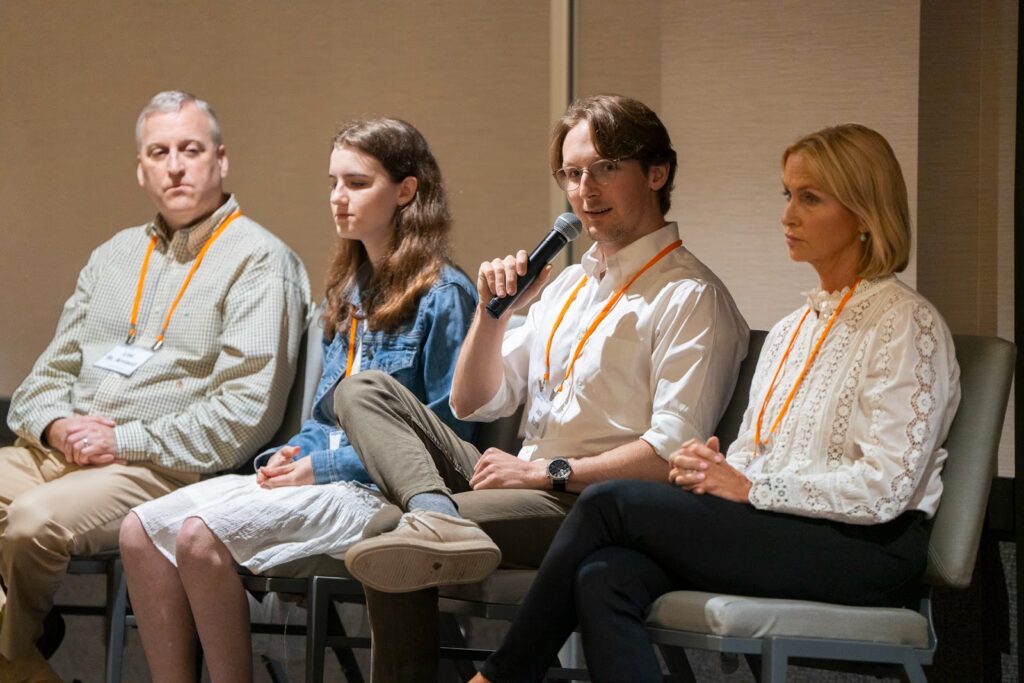
Laura Manfre, Lee St. Arnaud, Elle St. Arnaud, Jack Morris, Leslie Morris

Laura posed questions to the four panel participants, which included 18-year-old Elle St. Arnaud, who has LCA IQCB1/NPHP5 and is attending Boston University this fall, and her father Lee St. Arnaud, and 22-year-old Jack Morris, who has RP CRB1 and is a recent graduate of Brown University, and his mother Leslie Morris.

Below are some of the panelists’ edited responses to Laura’s questions.

What has your school journey been like? What challenges have you faced, and how did you advocate for yourself?

Elle St. Arnaud

Elle was educated in the public schools with a paraprofessional supporting her in class from preschool through fourth grade. She said that a key to her success was learning to advocate for herself early on by participating in her individualized education plan (IEP) meetings, explaining her accommodations to teachers, and taking responsibility for communicating her needs, especially regarding her vision. Elle reflected on the importance of self-advocacy and how it has shaped her life.

“It’s vital for kids to be able to explain their accommodations, as others often don’t fully understand visual impairments,” she said. “While I’ve had positive experiences, I’ve also faced challenges, such as being discouraged from joining the debate team or taking advanced classes. I pursued both anyway, proving that being blind doesn’t limit one’s ability to succeed. Self-advocacy and standing up for your needs are essential life skills.”

Jack Morris

Jack started in public schools and later switched to a private school. His vision was relatively good throughout most of his schooling. Jack thought he might have done even more to advocate for himself. Still, regular meetings with teachers and advisors proved very helpful. He said, “When people understand what you need, they generally want to help.” Although at the university level, he said some professors were resistant to making accommodations.

He stressed that “Accommodations are not favors—they are necessary for success. Blind individuals are not less intelligent; they simply need equal access to materials to perform just as well as others. Having confidence in advocating for these needs is crucial, and legal protections like the ADA support this.”

As parents, can you share a little about your journey? How was it seeking a diagnosis, and what are some things you wish you’d known earlier?

Lee St. Arnaud

Lee explained that Elle and her older brother, Patrick, both have LCA. When trying to diagnose Patrick’s vision issues, he shared how difficult it was when the doctor offered only a brief response, instructing them to return in five months to confirm their son’s blindness. Overwhelmed, the family immediately reached out to resources like the Chicago Lighthouse for the Blind, which connected them with supportive networks and foundations.

Lee stressed the importance of parents being proactive and finding tools like a detailed year-by-year visual goals guide, which they used effectively in IEP meetings to advocate for their children’s needs. He emphasized the importance of being prepared, pushing for necessary services, and actively advocating for the child and family.

The St. Arnauds encouraged their children to participate in outside activities like adaptive climbing and the live hockey association. “So many times we were nervous and sweating bullets. But by the time we got done, the kids were like, you know what? We can do this!” Lee said.

Leslie Morris

Leslie said that Jack’s diagnosis with a recessive form of RP at age five came as a shock because there was no family history. She described feeling heartbroken and overwhelmed by a sense of loss and isolation. Despite these emotions, Leslie and her husband, Jason, chose not to accept discouraging responses from doctors. Instead, they took action—connecting with others affected by IRDs and becoming involved with the Foundation Fighting Blindness, where both serve as trustees.

Advocacy became like a second job for the Morris family, as they worked to ensure Jack had every opportunity for a full and meaningful life. Leslie said they didn’t want the disease to define their son, and they encouraged him to try various activities like baseball, football, swimming, wrestling, and guitar. “We focused on letting Jack decide when to step away from activities while gently steering him toward pursuits that offered long-term fulfillment,” Leslie said.

How do you give your child enough independence to grow and to learn, while also wanting to protect and keep them safe?

Lee St. Arnaud

Lee felt that they didn’t experience significant disagreements with Elle or Patrick regarding their ability to self-manage. He stressed the importance of balancing caution with encouragement and supporting early opportunities for independent experiences in the community without rushing the process. He also reflected on the importance of understanding your child’s interests as they mature.

Elle St. Arnaud

Elle immediately spoke up after her father, expressing her childhood frustration and conflict with her parents over having to take Orientation and Mobility (O&M) training particularly the inconvenience and social discomfort of being taken out of school. Despite hating it at the time, she admitted the lessons had long-term value, especially in promoting independence. She noted the importance of starting children early with independent tasks at home, like cooking and laundry, while pacing community-based skills more carefully. “I think parents should keep their children engaged in O&M even if the child resists,” Elle said. “Because it equips them with critical life skills—such as safely crossing the street—that pay off later.”

Leslie Morris

Leslie emphasized the importance of parental teamwork and unity, particularly when supporting a child’s journey toward independence. She admitted to being a bit of a helicopter mom. “My husband, Jason, and I agreed on things before letting Jack go out and try them,” she said. “Having somebody by your side through this journey is very important.” She added that when parents are aligned in decisions and approaches, it helps minimize conflict and makes the process smoother.

Panelists seated on stage during a clinical trial discussion, with Jack Morris speaking into a microphone

Jack Morris speaking at the 2025 LCA Family Conference

Jack Morris

Jack didn’t recall having major conflicts and expressed gratitude for the trust his parents placed in him. One slight regret he had was not wearing sunglasses earlier, due to self-consciousness. Jack said he appreciated the opportunity to try things—even fail—while still feeling supported and safe.

Much to the amusement of the conference attendees, Jack recounted a brief period when he was legally allowed to drive, a decision made with medical guidance that, in hindsight, seemed very questionable.

“I appreciated that my parents trusted me to be able to take care of myself. This journey makes you resilient, tough, and resourceful,” Jack said. “Kids can be very clever in planning solutions to their unique circumstances, and my parents trusted me in that.”

Community members have expressed that mental wellness and accepting vision loss can be difficult. Elle and Jack, what are your thoughts?

Elle St. Arnaud

“Not wanting someone to see your pain and not wanting to wear sunglasses or use a cane will likely peak around middle school,” Elle said. “No one wants to be different, and you want to be ‘on trend’ with everybody else.”

She added that having a para in the classroom with her all of the time was an inhibitor and made it harder for her to talk with other kids. “Parents should try not to hover when their child is with other children because it can make them feel less confident or social,” she said.

Elle said she made it a priority to share her experiences as a blind person with her sighted friends. “We’d make jokes about it, and I talk about it constantly. I’d share what I’ve experienced and every blind story I’ve had,” she explained. “I think that’s important because when you need to ask your friends for help, they are a lot more understanding because you’ve explained it and talked about it so many times with them.”

For example, she told her friends about walking into a door, which helped them be more aware that she might not see it, allowing them to take the initiative to guide her when needed. “I think the easiest way to be accepted is to talk more about your blindness so it feels more normal,” Elle said.

Jack Morris

“I think there’s a line to be found between letting a disease define you and rejecting that it’s a part of you, because retinitis pigmentosa (RP) has been a huge part of my story—a beautiful but also a tough part. It’s something that feels different and lonely, but also unifying and community-building,” Jack said. “If we can find ways to live in and with our disease rather than despite it, that’s where truth and freedom lie for me.”

He offered advice to parents, saying that they needed to be strong in ways that aren’t obvious. “One of the hardest things for parents is watching their child struggle. But sometimes the biggest strength is allowing them to struggle. Kids need to feel the full spectrum of emotions—challenge, loneliness, empowerment, and togetherness,” Jack said. “If parents can be there as a foundation, even when things are hard, and let them be hard before stepping in with action, that’s one of the most powerful and meaningful things they can do for their children.”

Moving Forward: Understanding More about Clinical Trials

The second panel session of the 2025 LCA Family Conference, “Participating in a Clinical Trial,” examined clinical trial development and participation from the researcher and patient perspectives. This session supports a goal of Hope in Focus to educate the Leber congenital amaurosis (LCA) community so members are ready to participate in clinical trials when opportunities occur. For researchers, informed and prepared LCA patient groups are critical to moving a new drug or therapy through the testing pipeline.

Ben Shaberman, vice president of Science Communications at the Foundation Fighting Blindness, was the moderator. The panelists were Tomas Aleman, MD, a researcher with over 30 years of experience in researching genetic therapies related to inherited retinal diseases (IRDs), and Sarah McCabe, a mother and teacher from Iowa, and an LCA individual with the RPE65 gene mutation. Sarah participated in a gene therapy study in 2007, and 14 years later was treated with LUXTURNA®.

Overview of the Research Process

Ben began with an overview of the drug development process, highlighting that it is complex, demanding, and lengthy—often taking 10–15 years, and costing tens of millions of dollars. For retinal diseases like LCA, the development of a drug or therapy begins with identifying and understanding the mutated gene causing the degeneration. Researchers study these genes and their effects on the retina, then create disease models—traditionally in mice, but now also using “mini-retinas” grown in dishes.

Conference attendees listening to the “Participating in a Clinical Trial” panel session.

Transitioning from animal or lab models to human trials is a significant hurdle, requiring higher-quality manufacturing standards, regulatory compliance (e.g., FDA), considerable funding, and specialized expertise. “This phase, called translational research, is often referred to as the ‘valley of death,’ Ben said. “Because many therapies fail to progress to clinical trials.”

For LCA, gene therapies can take 5–8 years to develop. Researchers must determine the right therapy, dosage, and method of administration before progressing to clinical trials, which can last 6–8 years, are extremely expensive, and often pose challenges for researchers and patients. While the process is rigorous and time-consuming, it is critical for developing effective therapies.

LCA Gene Research

Tomas Aleman, MD, co-directs the Center for Hereditary Retinal Degenerations (CHRD) at the Scheie Eye Institute at the Perelman School of Medicine, University of Pennsylvania. Dr. Aleman’s groundbreaking work has transformed the treatment of LCA, becoming the first disease where gene editing techniques were applied and gene therapy successfully restored vision. “Unlike what many people believe, most LCA patients are not completely blind, and their retinas often remain structurally intact,” Dr. Aleman said. “This makes the condition an ideal candidate for experimental therapies.”

Early research focused on RPE65-related LCA and started with animal models, including a dog, that helped pave the way for clinical applications, eventually leading to the first successful human treatments. After a decade of preclinical research, Dr. Aleman’s team moved into human trials, with LCA patients like Sarah McCabe playing a vital role. Dr. Aleman stressed the essential role of patients in clinical trials, saying that “Patient feedback is often critical to recognizing early signs of success.”

Clinical trials present both opportunities and challenges. They require long-term patient commitment and rely heavily on funding from smaller biotech companies. Patient selection for trials is also strategic—those chosen typically have structurally preserved retinas with poor function, maximizing the likelihood of measurable improvement. Dr. Aleman emphasized that exclusion from a trial does not mean the therapy won’t eventually be available for an individual; rather, it reflects the strict criteria needed to answer key safety and efficacy questions.

Looking ahead, Dr. Aleman said the goal is to expand the proportion of treatable LCA forms from roughly 25 percent to 50 percent. The progress made so far demonstrates the transformative potential of gene therapy in restoring vision for patients with inherited retinal diseases.

Doing Gene Therapy

Dr. Aleman gave an in-depth explanation of the gene therapy process for treating inherited retinal diseases, particularly focusing on subretinal delivery techniques. Gene therapy in this context is a meticulous process where the therapy is delivered directly beneath the retina via a subretinal injection.

Performed under general anesthesia, the injection only takes 5–10 minutes. It is done by entering the eye through three small incisions, removing the gel-like vitreous, and using a hair-thin needle to deliver the gene therapy. According to Dr. Aleman, the surgery resembles retinal detachment repair—a well-established procedure.

While there is an alternative delivery method known as intravitreal injection that is less invasive, it has not proven to be as effective or safe for all retinal indications. In particular, immune detection can reduce the efficacy of intravitreal injections, whereas subretinal injections can bypass these mechanisms.

Following surgery, a rigorous monitoring process begins to assess the treatment’s safety and effectiveness. This process includes frequent follow-up visits in the early stages—often at one, three, and six months and a year—during which visual function is tested and retinal imaging is conducted.

Participation in gene therapy trials is entirely voluntary, and patients can choose to withdraw at any time. However, once the gene therapy is delivered, it cannot be undone. The therapeutic genes remain in the eye’s cells indefinitely, making informed consent and long-term commitment critical components of the clinical trial process.

Patients are typically monitored for at least two years, and in many cases, much longer. For example, in the case of one early trial (the RPE65 trial), patients have been followed for over 16 or 17 years. Dr. Aleman emphasized that there is a lifelong partnership between patient and physician, stating that monitoring continues for as long as possible, regardless of whether the formal trial period has ended.

Dr. Aleman hopes to move toward treating very young children, ideally before age two, since the brain’s ability to learn to see develops rapidly in infancy and early childhood. Early treatment is believed to yield better visual and developmental outcomes, supported by early rehabilitation and educational interventions. A grant received two years ago is helping to support research and clinical work toward this goal.

“While gene therapy offers transformative potential, it also requires thoughtful implementation, long-term follow-up, and a commitment to tailoring support beyond the surgical intervention,” said Dr. Aleman. “The mission is not only to restore vision but to improve the quality of life and long-term outcomes for patients, especially children, by intervening as early as possible.”

Sarah’s Story & Clinical Trial Experience

When Sarah was about 10 days old, her mother, an ICU nurse, noticed that she wasn’t following the developmental patterns she’d observed with her son. Concerned, they visited a pediatrician who suspected something was wrong with Sarah’s vision. Further evaluation by a neurologist ruled out any neurological issues, and her parents were assured that Sarah would hit developmental goals right on time.

Regular eye exams ensued, with her parents keeping detailed records of each visit. Eventually, Sarah was referred to the University of Iowa, where tests suggested LCA, but at that time, genetic testing wasn’t available. A definitive LCA genetic diagnosis (RPE65) was finally made when she was in eighth grade.

At age 19, she was recruited for a clinical trial after struggling with vision during college. After going through the initial interviews and assessments, she was approved as a clinical trial participant. Sarah said the doctors clearly explained all the details and risks of the trial and that it was an experimental procedure primarily aimed at testing safety. The decision whether to move forward was left to Sarah and her family. “There wasn’t a whole lot of talking with my parents about it,” she said. “We knew things weren’t going to get any better if I didn’t participate, and I could be a part of helping [research advance].

To facilitate Sarah’s participation in the clinical trial, logistics were carefully arranged around her college schedule. It was toward the end of her senior year that her family drove her from Iowa to the University of Florida, where she underwent her first gene therapy surgery at age 23, describing it as terrifying but perfect.

The pre-operative steps included bloodwork and other standard preparations. During the surgery, Sarah was awake—a protocol that has since changed, with patients now put under general anesthesia. Post-surgery, she had a significant moment when she was able to read a giant letter “A” on a card, confirming that the surgery hadn’t worsened her vision. Over time, she noticed a new visible area in her field of vision, referred to as a “headlight,” which was a significant improvement.

Sarah’s recovery involved staying in Florida for a month with her family, with frequent follow-up visits stretching out from monthly to annually. Her clinical trial team remained in contact with her years after the trial formally ended. Fourteen years later, after LUXTURNA® was FDA-approved, she received the gene therapy at the University of Iowa, which improved her vision. Now in her 40s, Sarah’s primary goal is to maintain the stability of her vision. She summarized her clinical trial and gene therapy experiences, saying, “It was a long time ago now, but it was a very cool experience. All of it!”

2023 LCA Family Conference: Developing LCA Treatments

Luxturna®, the only approved treatment for one of 27 identified forms of Leber congenital amaurosis (LCA), cost $500 million to develop and took more than 12 years to come to market.

With such an enormous investment in time and money, it would make sense to use that same platform for developing new treatments to improve vision or halt progression of blindness.

But that’s just not how it works, said Chad R. Jackson, PhD, Senior Director of the Foundation Fighting Blindness Preclinical Transitional Acceleration Research Program.

Every individual clinical study must complete a set of rigorous requirements – which cost time and money – to receive regulatory approval from the Food and Drug Administration (FDA).

Chad R. Jackson
Chad R. Jackson

The Foundation’s translational research program steps up the pace of preclinical studies toward clinical studies involving humans through proactive management and industry-level advice to drive research leading to prevention, treatment, and vision restoration for degenerative retinal diseases.

A Hope in Focus partner, the Foundation has raised nearly $900 million since its founding in 1971 and funds more than 90 programs worldwide, including no-cost genetic testing and the My Retina Tracker® patient registry. The Foundation also launched a Retinal Degeneration Fund (RD Fund) to help accelerate life-changing outcomes for people with retinal degenerations through direct mission-related investments in therapeutic companies.

Chad and other presenters shared information about drug development, gene therapies, and non-gene therapies during two sessions of the Hope in Focus 2023 LCA Family Conference* in Indianapolis this summer.

More than 100 people attended the forum to hear the latest in LCA research and to network with families living with LCA and other rare inherited retinal diseases (IRDs).

Bringing a drug from inception to market takes 10 to 15 years, Chad said, and costs tens and tens of millions of dollars. He said bringing a developing drug from preclinical studies to the FDA requires three steps:

Identify your target to know what you’re seeking to do; conduct invitro studies by expressing patient cells in a lab or as it’s referred to, retinas in a dish; and perform animal-model studies, which save time and money to determine whether emerging therapies are safe and perhaps ready to move toward clinical trials using humans.

Gene-Agnostic Therapies

Chad moderated a panel discussion about research moving beyond single-gene correction to gene-independent therapies to help delay progression of blindness or restore levels of vision.

Eric Daniels
Eric Daniels

Kiora Pharmaceuticals’ Chief Development Officer Eric J. Daniels, MD, MBA, discussed the company’s first-in-human study for a non-gene therapy treatment for retinitis pigmentosa (RP), a group of inherited eye diseases that cause progressive vision loss. It is characterized by the gradual death of light-sensitive photoreceptor cells in the retina, known as rods and cones, responsible for converting light into neutral signals sent to the brain.

Dr. Daniels said his company’s technology shifts retinal ganglion cells from their off state, in which they respond to decreases in light. Kiora has discovered a way to shift these cells into their on state in the presence of light through channeled photoswitch molecules.

According to Kiora, the mutation-agnostic treatment has the potential for use in any of the various genetic forms of RP, as well as other retinal degenerative diseases; its intravitreal injection allows for more consistent and tolerable administration, and the small molecule can be manufactured and provided to patients at a much lower expense than the $450,000 per eye cost of Luxturna.

Huma Qamar, MD, MPH, CMI, the head of Clinical Development and Medical Affairs for Ocugen, discussed the biotech’s work on treatments for LCA10 (CEP290), RP, and other IRDs. One of their clinical trials involves a novel gene therapy, OCU400, consisting of a functional copy of a nuclear hormone receptor gene delivered to target retinal cells using an adeno-associated viral (AAV) vector. Expression of this receptor within the retina may potentially help stabilize cells and rescue photoreceptor degeneration, Dr. Qamar said.

Huma Qamar
Huma Qamar

Ocugen demonstrated the potential of a novel modifier gene therapy to elicit broad-spectrum benefits in early and intermediate stages of RP and LCA, based on animal studies, showing the potential for a mutation-agnostic treatment.

Since the conference, Ocugen reported an update on its Phase 1/2 clinical trial for OCU400 for 12 patients who had follow-ups from six to 12 months after a subretinal injection in one eye. The developing drug had a favorable safety profile in this trial phase. Also eight of the 12 patients showed stabilization or improvement in the visual function measures of best corrected visual acuity, low-luminance visual activity, and navigating a multi-luminance mobility test.

The trial is currently enrolling patients, including pediatric patients with LCA10.

Gene Therapies

In the conference’s final session, moderated by Foundation Vice President of Science Communications Ben Shaberman, four panelists discussed their work on LCA gene therapies.

Shannon E. Boye
Shannon E. Boye

Shannon Boye, PhD, Co-Founder, Director, and Acting Chief Science Officer of Atsena Therapeutics, said the road to drug development is long and bumpy. She helped design early studies on LCA1 (GUCY2D) in 2001.

With the process going so slowly, Shannon reached out to then-Foundation CEO Ben Yerxa, who helped push her and her husband into starting their own company.

In 2019 doctors dosed the first patient. Earlier this year, in a Phase 1/2 clinical trial, their LCA1 gene therapy, known as ATSN-101, showed clinically meaningful improvements in vision at the highest dose with no drug-related serious adverse events at six months after treatment.

Ash Jayagopal
Ash Jayagopal
Ben Yerxa
Ben Yerxa

At Opus Genetics, Chief Scientific Officer Ash Jayagopal, PhD, discussed the biotech’s progress for various programs in, or advancing toward, early-stage clinical trials.

Opus, headed by CEO Ben Yerxa, PhD, is the first spin-out company internally conceived and launched by the Foundation’s RD Fund. The Fund’s purpose is to accelerate advancing research into gene therapy for several forms of LCA and other retinal degenerative diseases.

Opus’ most advanced program for LCA5 (lebercilin), OPGx-LCA5, is dosing patients, while two other LCA programs involving LCA13 (RDH12) and LCA9 (NMNAT1) are in preclinical development.

Thomas Mendel, MD, PhD, talked about his research at The Ohio State University, where he is Assistant Professor of Ophthalmology and Vitreoretinal Surgery at the university’s Havener Eye Institute, Department of Ophthalmology & Visual Sciences. He is building a research program to develop and implement gene therapies for  Professor of Ophthalmology and Vitreoretinal patients with inherited retinal disease.

Bikash R. Pattnaik
Bikash R. Pattnaik
Thomas Mendel
Thomas Mendel

The goal is to build a translational lab with a team and accelerate development and clinical trials with gene-based treatments.

Bikash R. Pattnaik, PhD, told the audience about his work at the University of Wisconsin-Madison (UWM), where he is a professor and Clinical Director for Electrophysiology in the departments of Pediatrics, Ophthalmology, and Visual Sciences.

This summer, the National Institutes of Health awarded UWM a $29 million grant to develop gene-editing therapies for two inherited retinal conditions: LCA16 (KCNJ13) and Best disease. Bikash said the LCA16 treatment in development could be in clinical trials next year.

*Please go to our Hope in Focus website to see our previous three stories detailing sessions from our 2023 LCA Family Conference. Click here to see a video about the conference.

2023 LCA Family Conference: Living with LCA–Panelists with varied vision share life successes and challenges

Tami Morehouse is grateful for improved vision after undergoing groundbreaking gene therapy treatment at age 44 for LCA2 RPE65, but at times she still is sad and disappointed at the difficulties presented to her as a person with some functional vision, but who cannot see well.

Mohamed Farid found life living with LCA5 more challenging as a child than as an adult, especially before screen readers and other assistive technology. The young professional also remembers growing up and his grandmother spending a lot of time convincing him he couldn’t be a pilot.

Mirielle St. Arnaud, a junior in high school living with LCA caused by a mutation in her IQCB1/NPHP5 gene, tries to get involved with clubs and activities to ward off struggles with socializing. She learned to adapt to change and said her experiences with vision challenges have been good.

Tami, Mohamed, and Mirielle talked about their day-to-day lives, challenges, and feelings at our 2023 LCA Family Conference* in Indianapolis in late June. They took part in a panel discussion called Living with LCA, moderated by Beth Borysewicz, an educational consultant with the Connecticut Department of Aging and Disability Services with Bureau of Education Services for the Blind.

These three people – an LCA research pioneer, a young professional, and a high school student – help illustrate the manifestation of research advances and assistive technology in the last decade or so.

Here is what they shared with more than 100 people convened for the third Hope in Focus LCA Family Conference.

***

Tami Morehouse

Tami, 59 and from the Cleveland area, is thankful to see with more brightness following her participation in a pioneering clinical trial for what now is known as LUXTURNA®, the only federally approved treatment for one of the 27 identified forms of LCA – LCA2 RPE65.

She gained some vision in 2009 and 2010, when she received the treatment under development by Spark Therapeutics.

“My whole world was a lot brighter,” she said.

She could see a cup on the table, gorgeous sunsets, the lush green of spring, and details in the faces of her three children. It also improved her parenting skills.

“Mom can see things now,” she joked. “It’s bittersweet in our world.”

She also feels she lives in a kind of limbo between seeing and not seeing. She wished and still wishes the public would be more receptive to her being between having sight and not having sight, rather than completely blind.

Tami Morehouse
Tami Morehouse

Tami’s world has widened, and she enjoys much happiness since receiving the gene therapy. She is a Hope in Focus Ambassador, working with our Family Connections program, reaching out to people living with LCA, offering them comfort and kindness. The research pioneer works as an information and referral specialist for 211 in Ohio.

People in the LCA community, like others dealing with a rare disease, experience anxiety, depression, and social isolation.

Tami opened up at the conference, sharing struggles to maintain mental wellness.

She experienced a lot of awkward moments and has worked at becoming comfortable with who she is as a blind person.

“There are so many times when I’m very sad and disappointed about my limitations. There are a lot of barriers in the way and that’s hard to take.”

She misses experiences she could have had with her children and husband and parents.

“Those are just facts of life. Those are my facts, but I think many others go through the same.

“Sometimes we just feel the burn.”

***

Mohamed Farid

Mohamed Farid navigates life with LCA deftly, now that he is an adult.

“It’s harder growing up. It’s easier when you’re older.”

Life became easier with innovative technology, such as screen readers and other optical character-recognition technology that extracts and converts data into a machine-readable form.

“It’s all about assistive technology,” he said.

Mohamed Farid
Mohamed Farid

The 36-year-old founded MKF Continuity, a middle-market investment firm in Chicago. He earned an MBA from Harvard Business School.

There was a time when he was running away from his blindness.

“Now, I’m just ‘whatever’. I need to be independent. It’s important for my dignity. I don’t want to be relying on people.

“Every once in a while, I think the world is unfair,” he said, but over time he’s developed self-acceptance and is at peace with his blindness.

He compared his moving through life now not even thinking about his blindness to his perception of his vision as a child.

“My grandma had to spend a lot of time convincing me I could not be a pilot.”

In contrast, as an adult at his workplace, people think he can create slide presentations.

Mohamed said his blindness has made him strong, describing himself as “alert, scrappy, and resilient.”

***

Mirielle St. Arnaud

Mirielle St. Arnaud, a 16-year-old from the Chicago area, said she’s dealt with people who assume she’s not a capable person.

“We’re probably more resourceful than you think,” she said.

Mirielle is a junior in high school, where she runs on the cross-country team with a guide and is a captain of the Congressional Debate team.

Mirielle St. Arnaud
Mirielle St. Arnaud

She learned to advocate for herself and set boundaries for others.

Mirielle worked at her difficulties with socialization at school by getting involved in the blind and sighted communities, whether through summer camps or extra-curricular activities, and by meeting as many people as she can.

“At some point, you’ll find your people who will understand you.”

She characterizes her ability to see as “Swiss-cheese vision.”

At school, she collaborates with an advocate throughout the year, using an Independent Education Plan as a guide.

Mirielle said vision specialists collaborating with her schools have been especially helpful along the way. She’s worked with Teachers of students with Visual Impairments, who are educators with expertise with the visually impaired, and Orientation and Mobility specialists, who teach safe and effective navigation through environments.

“I’ve had pretty good experiences,” she said.

***

Wrapping up the session, panelist Mohamed Farid left the audience with this message:

“Our journey can be bumpy. Don’t ever give up hope.”

*Please go to our Hope in Focus website to see three more stories detailing sessions from our 2023 LCA Family Conference. Click here to see a video about the conference.
2023 LCA Family Conference: Advocating for Treatments

Here’s what you need to know about advocating for advanced treatments for Leber congenital amaurosis: Get genetically tested, get legislatively connected, and get enrolled in a patient registry.

The Hope in Focus 2023 LCA Family Conference* panel on Advocating for Treatments repeatedly returned to this action trio to move treatments forward for this rare inherited retinal disease (IRD) affecting about 8,000 people in the United States and 160,000 worldwide.

Jonathan Stokes, Senior Director of Patient-Centered Outcomes Research with the biopharmaceutical company AbbVie, moderated the five-member panel at the June 23-24, 2023, LCA family-centered conference in Indianapolis. This session marked the first of four for more than 100 people gathered at the conference.

Genetic Testing is Critical
Emily Place, Senior Genetic Counselor and Manager of Genetics and Genetic Counseling at Massachusetts Eye and Ear, said the first place to start is to get genetically tested, a process becoming easier with time. An open-access genetic testing program managed by the Foundation Fighting Blindness creates a smoother journey to finding the specific gene causing a mutation resulting in LCA or other IRDs.

Your new confirmed genetic diagnosis opens the door to advocacy groups and researchers working to develop treatments and cures for blindness.

The National Society of Genetic Counselors (NSGC) offers in-depth genetic testing information, including a search tool to help find a certified genetic counselor in your area.

Emily said listening to the voice of the patient is the way to move research forward. And, in the rare inherited retinal disease world, that begins with genetic testing and genetic counseling.

A genetic test provides one of three results: Positive, negative, or inconclusive.

A positive result means the test found mutations in a specific gene that can identify the cause of vision impairment.

A negative result means the test could not identify a specific genetic cause for the disease, but it does not rule out a retinal disease diagnosis.

An inconclusive result means the test didn’t find helpful information about the gene in question. Because it can be difficult to distinguish between a disease-causing gene and a harmless gene variation, follow-up testing or periodic review of the gene over time might be necessary.

Emily said it’s important to stay connected with your genetic counselor for support along the way, especially with an inclusive result. As the knowledge base of genetic data grows, future tests could garner more definitive results.

Genetic testing information can be found at Hope in Focus, which has contributed more than $200,000 to help support the Foundation’s free access to genetic testing.

You’ll find information on the Foundation’s website under the Genetic Testing section, where you can download their detailed resource booklet, “Genetic Testing for Retinal Degenerative diseases: Information and Resources for Affected Individuals, Families and Health Care Providers.”

Empower U.S. Senators and Representatives to Advocate for LCA
Our panelist from the U.S. Food and Drug Administration agreed with importance of genetic testing. Wiley A. Chambers, MD, Supervisory Medical Officers of the Office of New Drugs for FDA’s Center for Drug Evaluation and Research, also advised bringing information to Congress for action. He and his eight-member team have signed off on 200 approvals of new drugs.

“The best place you can make an important impact is to talk with your representatives and senators,” Dr. Chambers said.

A good place to start is with their staff of congressional aides, who can synthesize and relay relevant information to lawmakers.

He noted a key change at the FDA in the 1960s that informs the current drug approval process.

In October 1962, Congress passed the Kefauver-Harris Drug Amendments to the Federal Food, Drug & Cosmetic Act, which contains regulatory requirements defining the FDA’s level of control over these products. Before marketing a drug, firms still had to prove safety; now they also need to provide substantial evidence of effectiveness for the product’s intended use. This requires adequate and well-controlled studies, and, before marketing, the FDA needs to specifically approve a marketing application, according to the FDA.

Dr. Chambers emphasized that any clinical trial needs to show what the product is going to do to benefit a particular individual. He cited one of the endpoints or outcomes – early in Spark Therapeutics‘ gene therapy trial – that enlarged the size of the pupil.

“So what?” he said. “That’s not an endpoint that is meaningful to any individual.”

An endpoint of value would improve vision, slow, or stop vision loss, and help with daily activities.

Panelist Jacose Bell, Senior Patient Advocacy Lead at Spark Therapeutics, said the clinical trial at issue needed light as a factor as an endpoint.

Spark redesigned its trial to include a relevant endpoint instrumental in demonstrating how voretigene neparvovec could improve vision in LCA2 RPE65 patients, leading to the approval of LUXTURNA®. The endpoint – a multi-luminance mobility test (MLMT) – measured functional vision or how a person navigates in a vision-related activity across a range of light levels in daily living.

Engage state lawmakers to advocate for LCA advances
Reaching out to congressional aides is important, and even before taking that action, people can inform and raise awareness of the needs of the LCA and IRD community on local and state levels. This means calling, writing, or emailing your governor and state representatives and senators. It means acting and being participatory.

The National Organization for Rare Disorders (NORD) runs a state-by-state Rare Action Network that works to establish Rare Disease Advisory Boards or RDACs. Connecticut, headquarters for Hope in Focus, recently became the 24th state establishing a council specifically to address the complexities of living with a rare disease (including LCA and other IRDs), caring for someone with a rare disease, gaining access to treatment, and getting better insurance coverage.

The RDAC gives patients, families, caregivers, healthcare providers, advocates, researchers, and other stakeholders the opportunity to make formal recommendations to state agencies and the legislature to improve the lives of people living with rare disease and their caregivers.

Click here to find out if your state has an RDAC or is developing one and you would like to help make it a reality.

Lighthouse Guild also provides medical assistance and social support to people who are blind or visually impaired so they can fulfill their goals and live with independence.

EveryLife is another resource providing help for people living with rare diseases, including LCA and other IRDs.

Results of surveys filled out by people living with LCA and other IRDs also help define areas in need of advocacy, resources, and research.

LCA and IRD Patient Registry – My Retina Tracker®
Panel member Laura Manfre, Board Chair and Co-Founder of Hope in Focus, centered on patient registries as a driving factor in advancing treatment.

“MRT, MRT, MRT,” she said as a mantra to the group. MRT – My Retina Tracker® – is an online, confidential registry of people with rare retinal degeneration, including those with LCA or other IRDs.

Foundation Fighting Blindness launched and manages the registry with the purpose of enabling people with inherited retinal degenerative disease, their doctors, and researchers to actively collaborate in the research process.

To optimize the power of MRT, registrants should seek a genetic diagnosis, which the registry facilitates by making registrants eligible for free genetic testing.

Patients share information about the history, progression, and personal impact of their disease, they authorize their doctors to add their diagnosis and clinical information to their profile, and they take part in research studies when identified and contacted through MRT by researchers as potentially good subject for their studies.

The larger and more detailed the registry, the more beneficial the data becomes to doctors and scientists in helping advance research.

Another specific way to bring research to the labs and new treatments to market is through patient advisory councils established by biotechnology companies.

Panelist Jill Dolgin, PharmD, Executive Director of Global Patient Advocacy & Scientific Management for Beacon Therapeutics, said she even brings people into the lab to explain in plain language the complexities of clinical trials. This brings a broader understanding and familiarity to people who potentially might participate in trial research, including natural history studies of patients.

“You’re the experts,” Jill told her audience. “We’re not.”

Natural history studies identify demographic, genetic, environmental, and other factors shaping the drug development process. They give scientists and researchers a better estimate of the prevalence of the disease, help identify potential biomarkers, affect clinical outcome assessments, and determine the feasibility of established assessments for clinical trials.

Finding people to take part in research into a rare disease is inherently difficult, so reaching out to patients and helping them learn about the process helps expand the pool of potential participants.

Dr. Chambers says he hears about the difficulties of natural history studies from both sides, with researchers saying they can’t find patients to take part in the study, and patients saying they can’t find the study in which to participate.

“The starting point for each of these is genetic testing,” he said.

***

Hope in Focus would like to thank this session’s moderator, Jonathan Stokes, and its panelists, Emily Place, Dr. Wiley A. Chambers, Jill Dolgin, and Jacose Bell.

We are also grateful for the support of our sponsors in helping bring to fruition a gathering of such importance and relevance to the LCA and IRD community. Thank you, Spark Therapeutics, Foundation Fighting Blindness, MeiraGTxJanssenAtsena TherapeuticsOcugen, and Kiora Pharmaceuticals.

*Please see our Hope in Focus website for three more stories detailing sessions from our 2023 LCA Family Conference. Click here to see a video about the conference.