Known as OPGx-RDH12, the gene therapy is administered by a one-time injection of a tiny drop of fluid underneath the retina. The treatment uses an engineered adeno-associated virus (AAV), which works like a vast container system, to deliver healthy copies of RDH12 to cells in the retina. RDH12 is involved in clearing toxic byproducts from vitamin A metabolism in the retina. While vitamin A is essential for vision, the toxic vitamin A metabolites cause loss of photoreceptors and vision.
Mutations in RDH12 can cause significant vision loss for young children from LCA13 and early onset retinal degeneration, as well vision loss to adults from retinitis pigmentosa.
The Global RDH12 Alliance has committed up to $1.6 million toward the development of OPGx-RDH12, and is assisting with clinical and regulatory strategy for the program, integrating the perspectives and experiences of patients and families directly into its development. The Alliance includes the nonprofits: Eyes on the Future (UK), RDH12 Fund for Sight (US), and Candle in the Dark (Belgium).
Opus Genetics and the Global RDH12 Alliance are partners of Hope in Focus.
“This is what true co-development looks like,” said Silvia Cerolini, chief executive officer of Eyes on the Future, and mother of a child affected by LCA13. “Our RDH12 patient organizations and Opus have pooled resources, capabilities and risk to bring this rare gene therapy into the clinic, combining venture philanthropy, scientific innovation and a patient-driven sense of urgency. We have been working toward this moment for many years, and we are grateful to Opus for being a true partner. We believe this model can become a blueprint for bringing gene therapies to rare disease communities, and one that other patient organizations can follow.” (Quote taken from an Opus press release.)
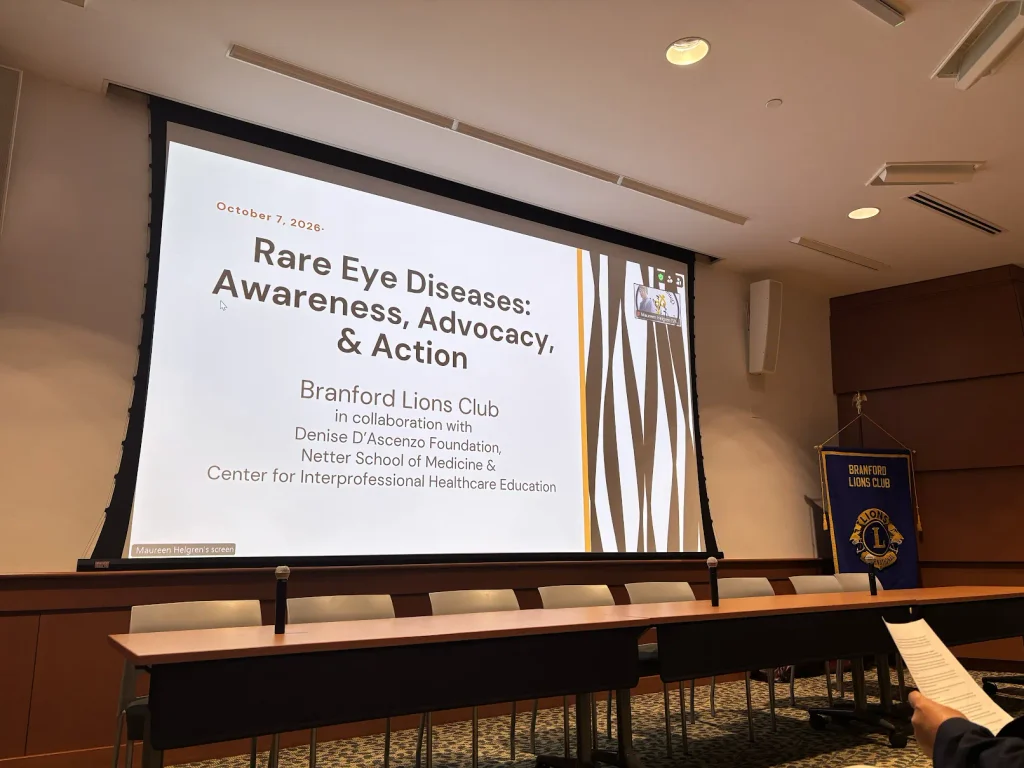
On October 7, Hope in Focus joined the Branford Lions Club at Quinnipiac University in Hamden, Connecticut, for “Rare Eye Diseases: Awareness, Advocacy and Action.” Held in collaboration with Quinnipiac University’s Frank H. Netter MD School of Medicine and the Denise D’Ascenzo Foundation, the event brought together local Lions Club members, patient advocacy organizations, medical students, healthcare professionals, patients, and caregivers to discuss rare eye diseases and their impact on individuals and families.
Rare Eye Disease presentation by the Branford Lions Club
The meeting focused on raising awareness of rare eye diseases, exploring the challenges faced by those affected, and identifying opportunities for the Lions to support meaningful education, advocacy, and community engagement.
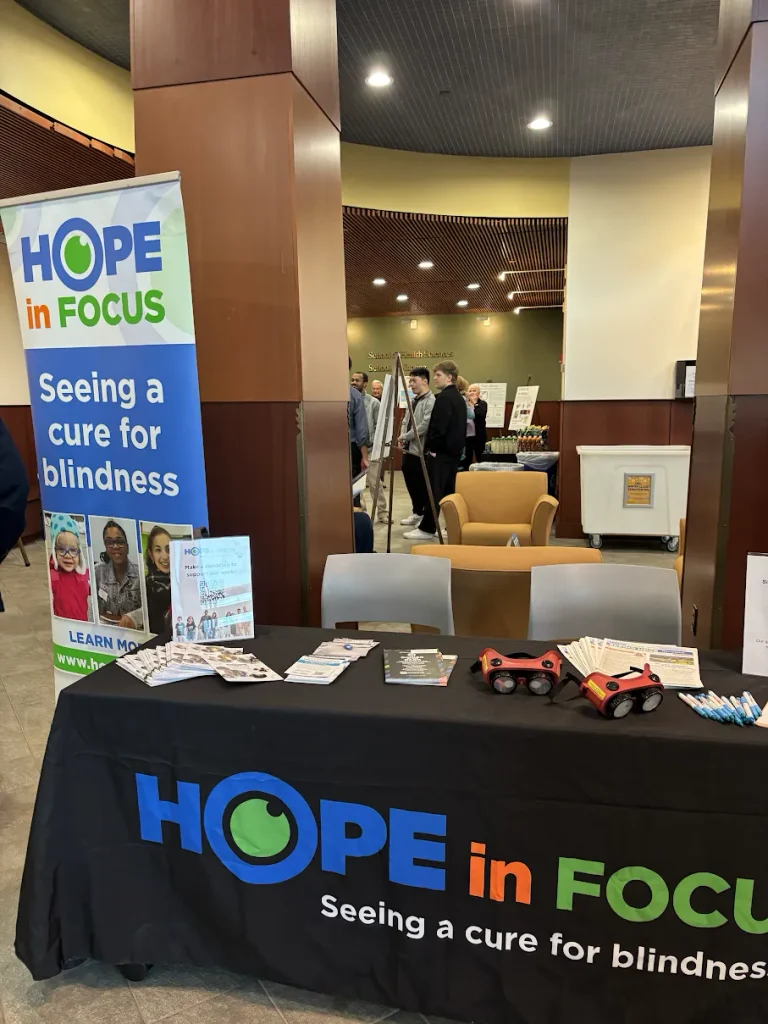
As part of Hope in Focus’ mission to advance the development of treatments for blindness caused by Leber congenital amaurosis (LCA) and other rare inherited retinal diseases (IRDs), we were grateful for the opportunity to share our work, connect with community members, and help raise awareness of the needs of individuals and families living with these conditions. Hope in Focus also hosted an informational table where attendees could learn more about LCA, inherited retinal diseases, and available resources.
Exploring Rare Eye Diseases and the Challenges They Present
The evening featured several panels and presentations highlighting different aspects of rare eye diseases, from medical research and diagnosis to the lived experiences of patients and families.
The first panel, led by Maureen Helgren, PhD, provided an overview of rare diseases, emphasizing the importance of awareness and the challenges that individuals and families often face when navigating these conditions.
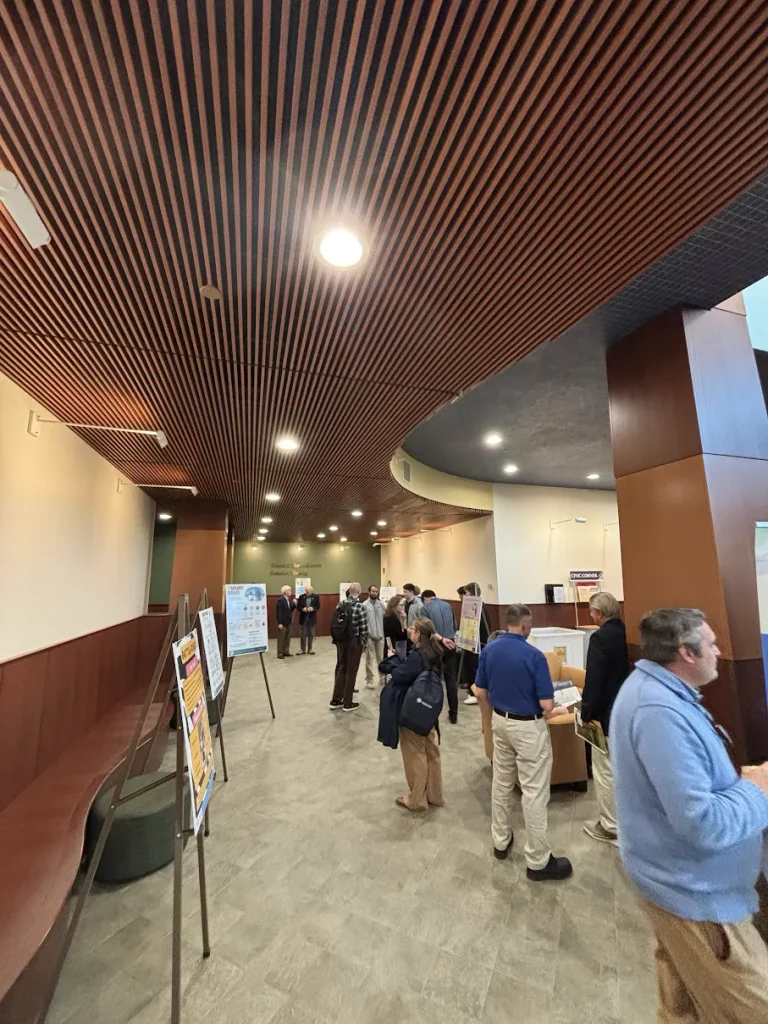
Lobby with informational posters
Four medical students from Quinnipiac’s Netter School of Medicine followed with presentations on four eye diseases: Cogan syndrome, retinitis pigmentosa (RP), choroidal melanoma, and Stargardt disease. Their presentations offered attendees an opportunity to learn more about these conditions and the importance of continued education among future healthcare professionals.
The Patient and Family Perspective
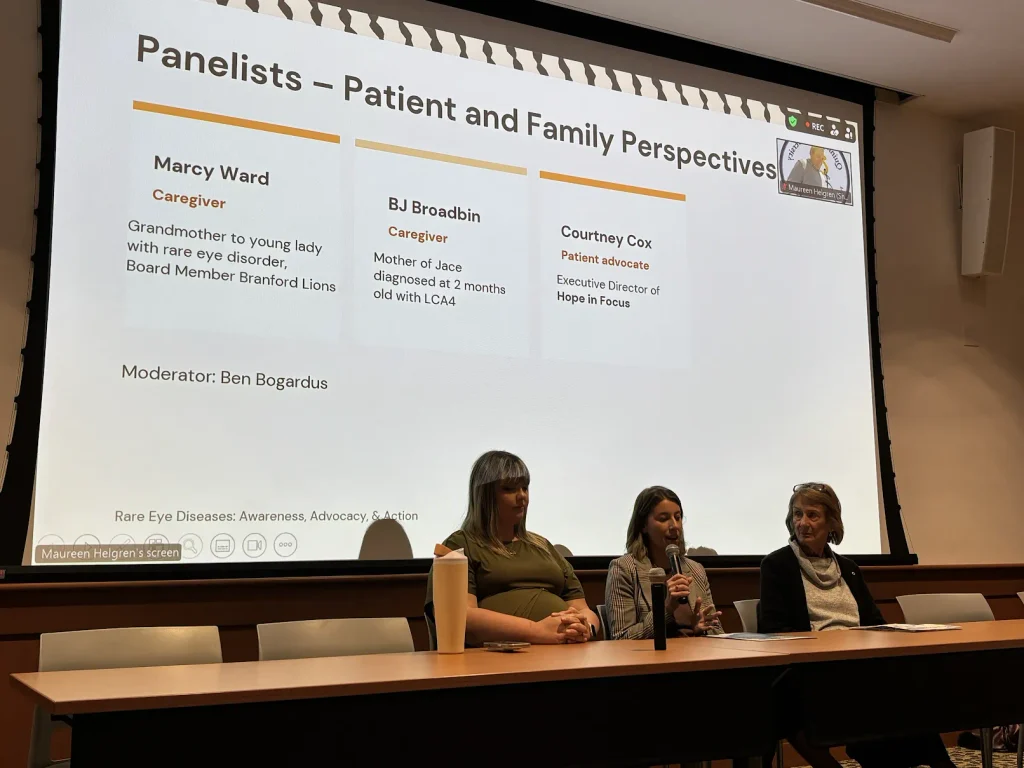
Hope in Focus Executive Director Courtney Coates participated in a panel focused on the experiences of patients and families affected by rare eye diseases. She was joined by two LCA caregivers, DJ Broadbin, mother of Jace, and Marcy Ward, grandmother of Michelle Ward.
Jace is one of four children who received an eye injection in London as part of a clinical trial for LCA4 associated with mutations in the AIPL1 gene. Michelle is a young woman living with LCA8, a mutation in the CRB1 gene.
Patient and Family Perspective Panel
Together, the panelists discussed the realities of navigating a rare diagnosis and the importance of genetic testing, accessible education, and stronger connections between medical professionals and the patient community. They also highlighted the need for appropriate assistive technology, educational tools and resources to help individuals with vision loss thrive in school and everyday life.
Their perspectives underscored the importance of ensuring that patients and families are active participants in conversations about research, treatment development, and the resources available to them.
The discussion continued with Dr. Matthew Bakhoum, physician and scientist at Yale School of Medicine, and Michelle Wyatt, President of the Connecticut Lions Eye Research Foundation (CLERF). Together, they explored the role of research and education in advancing the understanding and treatment of eye diseases, as well as the broader impact of community support for these efforts.
The evening concluded with a panel titled “From Ideas to Action,” which explored ways the Lions could turn the conversations and ideas shared throughout the meeting into meaningful, lasting change. One proposal was to create a new Lions Club at Quinnipiac University, along with a five-year plan to guide future initiatives and community impact.
Building Connections and Looking Ahead
Hope in Focus is grateful to the Branford Lions Club, Quinnipiac University’s Netter School of Medicine and the Denise D’Ascenzo Foundation for bringing together such a dedicated group of individuals committed to improving the lives of those affected by rare eye diseases.
Hope in Focus table
Events like this create valuable opportunities to connect patients and families with healthcare professionals, researchers, students, and community advocates. They also help build awareness of LCA and other inherited retinal diseases while encouraging new partnerships and ideas that can move the community forward.
We were especially glad to meet new members of the LCA community, reconnect with familiar faces and share information about Hope in Focus and the resources available to individuals and families affected by these conditions.
Through continued education, advocacy, and collaboration, we can help build a stronger, more connected community working toward a future with treatments for inherited retinal diseases.
Hope in Focus is delighted with the announcement that the Nobel Prize in Physiology or Medicine 2026 has been awarded to three researchers for their discoveries in optogenetics, a promising, innovative approach to restoring vision for people with advanced vision loss from inherited retinal diseases (IRDs) including Leber congenital amaurosis (LCA). We congratulate recipients Karl Deisseroth, MD, PhD, Stanford and Howard Hughes Medical Institute, Peter Hegemann, PhD, Humboldt University of Berlin, Germany, and Georg Nagel, PhD, University of Würzburg, Germany, for their groundbreaking research.
In simple terms, optogenetics bestows light sensitivity to cells that normally don’t sense light. In the retina, photoreceptors (rods and cones) are the light-sensing cells that give us vision. However, when someone’s photoreceptors degenerate because of a retinal disease, they lose vision. Using the concepts they learned from the Nobel recipients and other innovators, retinal researchers discovered ways to enable bipolar and ganglion cells in the retina to sense light and restore some vision. These cells don’t naturally sense light, but they often survive after photoreceptors are lost. So, when treated with optogenetic therapies, bipolar and ganglion cells can work like a backup system for photoreceptors.
Excitingly, optogenetics is in clinical trials for IRDs and is showing encouraging results. Several approaches are restoring rudimentary vision to people with advanced vision loss from retinitis pigmentosa (RP) and Stargardt disease. The biotech Nanoscope is seeking approval from the US Food and Drug Administration (FDA) for its optogenetics approach for RP and expects a decision in the first half of 2027. While optogenetics is not in clinical trials yet for people with LCA, it holds potential for restoring some vision to LCA patients. Importantly, the approach works independently of the patient’s mutated gene causing vision loss.
Optogenetics has applications beyond retinal conditions. It is being used to study and control nerve cells in the brain to better understand how these cells work and develop new treatments for myriad neurological conditions.
The discovery of optogenetics was inspired by Dr. Deisseroth’s research into algae. He wondered how algae knew to swim toward light, its essential energy source. The answer was a protein called channelrhodopsin. Fast forward a few years and researchers began developing optogenetic therapies for IRDs that express channelrhodopsin and other light-sensing proteins.
Who knew the power of pond scum?
This article was written without AI. The author used some AI for researching the news and concepts.
For many people, charitable giving is something they do throughout their lives. Legacy giving offers a unique opportunity to extend that generosity far beyond the present moment, creating a lasting impact for future generations. Recently, longtime Hope in Focus supporters Bill and Betty Smith shared why they chose to include the organization in their legacy plans, and their reflections offer valuable insight for anyone considering the same path.
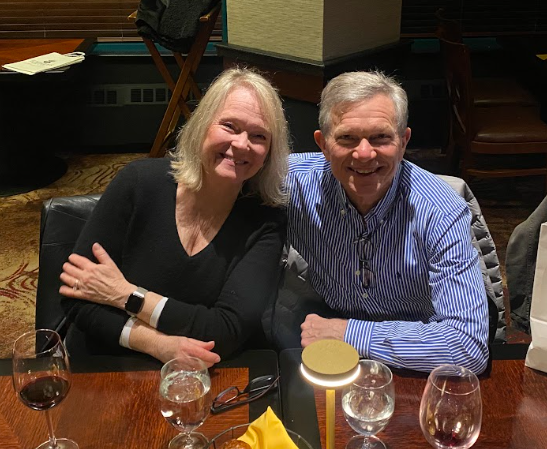
Betty and Bill Smith attending a Hope in Focus’ “Dinner with Friends” fundraiser
When asked what inspired their decision, Bill and Betty pointed first to trust. Over the years, they developed a deep understanding of Hope in Focus, its mission, and the people who lead it. The organization’s firm commitment to supporting families affected by inherited retinal diseases, while also advancing important research efforts, gave them confidence that their gift would be used thoughtfully and effectively.
One defining moment for the Smiths was meeting families living with inherited retinal diseases and attending conferences where those families gathered to share experiences, seek guidance, and find support. They saw how Hope In Focus connects people who might otherwise feel isolated and overwhelmed by a rare disease diagnosis.
They also saw the practical, everyday value of the organization’s outreach, which included access to resources, learning how to advocate for needed services, and finding reassurance from others who had already walked a similar path. Those experiences reinforced the Smiths’ belief that Hope in Focus is changing lives in meaningful ways today, while also supporting research that could transform lives tomorrow.
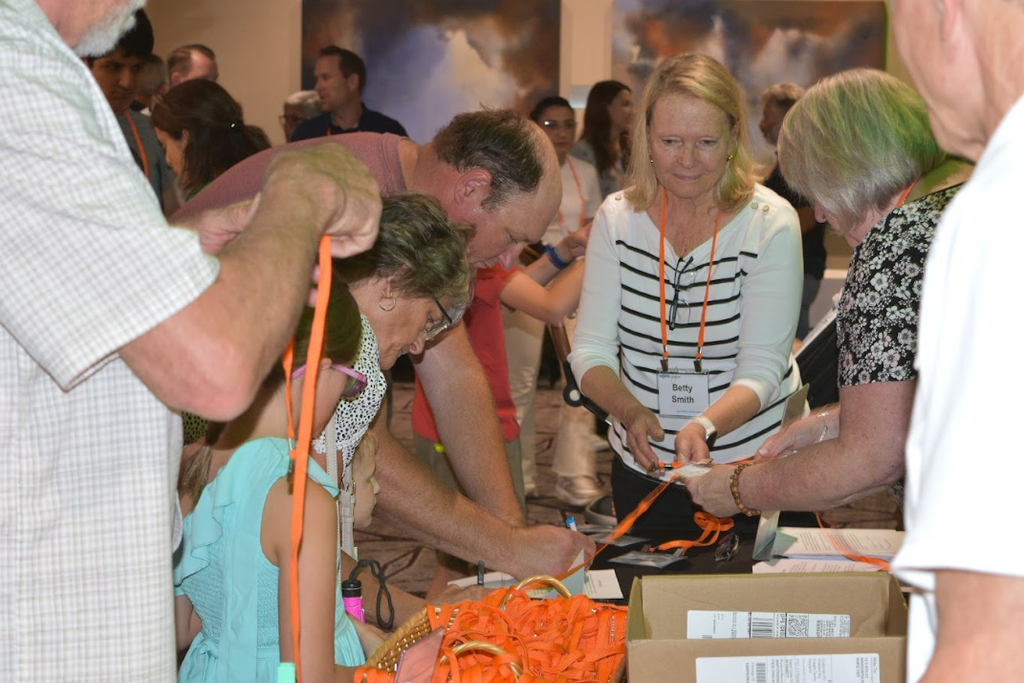
Betty Smith volunteering at the Hope in Focus LCA Family Conference in 2025 in Minneapolis
Perhaps the most powerful theme in Bill and Betty’s story is that legacy giving lets their values live on after they are gone. They view their planned gift as a way to extend the blessings they have experienced to help ensure that Hope in Focus can continue serving families for years to come.
Legacy giving helps provide the foundation for ongoing support, education, advocacy, and research, ensuring that future families have access to the same resources and sense of community that exist today.
For anyone thinking about making a legacy gift, Bill and Betty offer simple but meaningful advice: • Learn about legacy giving and understand the options available • Choose organizations that reflect your values and have earned your trust • Become involved. Attend events, volunteer, and get to know the people whose lives the mission touches. • Remember that every gift, whether given today or through a future estate plan, has the power to create positive change
They also note that planned giving does not replace giving during one’s lifetime. As Betty put it, there is wisdom in the saying, ‘It’s better to give with a warm hand.’ Legacy giving is a meaningful extension of generosity, but seeing the impact of your support today is equally rewarding.
Legacy giving is ultimately about more than financial support. It is about the values you choose to pass on, the causes you believe in, and the future you help create.
For Bill and Betty, including Hope in Focus in their estate plans was a natural expression of their commitment to a mission they trust and a community they care deeply about. They hope others will consider how they, too, can leave a legacy that provides lasting encouragement, opportunity, and hope for generations to come.
As someone with a visual impairment, getting around once felt overwhelming. I was plagued by the “what ifs.” What if I got lost? What if I missed a bus or got off at the wrong stop? What if I couldn’t find the right platform at the train station? If you or a loved one is dealing with these concerns, this article is for you.
The good news is that over time, navigating has become easy for me. Because of my experiences, I’d like to share some tips for moving through the world with a visual impairment.
Step 1: Orientation & Mobility
It is important to learn how to use a cane and practice using it every day. Many people with vision loss live in denial of their visual impairment. If you’re not currently using a cane or a guide dog and have recently bumped into something you didn’t see, start using one.
Once you’ve mastered the basics of the cane, learn to navigate independently in your immediate neighborhood. (Parents, this is when you need to step back.) Have a friend or family member walk beside you the first time, pointing out obstacles and naming streets as you cross them. When starting out, it can be helpful to count how many streets you cross before you need to turn. Consider making notes on your phone to help you remember. For example, “To get to the doctor’s office, turn right out of my house, turn left at the first intersection, turn left after walking under the train bridge, and cross two streets before turning right. The doctor’s office is the first building on the left.”
If you are nervous the first time you try the route alone, have someone walk behind you and ask them not to talk to you unless you get completely lost. It is okay to get a bit lost! Part of becoming a better navigator is making mistakes. You can also video call a friend or family member if you need help.
Step 2: Generalization
Eventually, you will start to notice patterns such as how buildings are spaced, that street addresses with odd numbers are usually on the east or south sides of the street, and the typical layout of train stations, etc.
At this point, you won’t need someone’s help traveling a route for the first time. Instead, you will use the tools available to you—reviewing routes before you leave your home, leveraging GPS along the way, and not being afraid to ask someone to confirm your location or that you are at the correct building.
Step 3: Challenge Yourself
When I was in my second year of university, I was invited to attend an event to receive a scholarship I’d won. But it was two hours away. I called my mom to ask for a ride. She lived an hour from me in the opposite direction from the event. She said that if I wanted to go, I’d need to figure out how to use the bus on my own. It was one of her best parenting decisions.
I was terrified and had to ask a lot of people for help along the way, but I did it. It was an eye-opening experience and set the wheels in motion for me to feel comfortable traveling. In previous articles, I’ve talked about hiking in the mountains and trekking up Mount Kilimanjaro. These amazing experiences wouldn’t have been possible without a lot of experience negotiating daily life with my visual impairment. With enough practice, I am confident that you can reach a point where you can travel as easily as I do.
Growing up means encountering everything for the first time. Adolescents and young adults move through life much like advancing through different levels in a video game; each new setting and challenge offers opportunities to learn and master additional skills. In life, as in video games, abilities are not infinite, but progress is possible. Ashley Hunter, a young adult living with Leber congenital amaurosis (LCA), has always found refuge in video games and knows firsthand the connection between playing them and facing life’s challenges.
Ashley posed with her cane
Life Level One: Diagnosis
Early in life, Ashley’s symptoms were misdiagnosed as neuroblastoma. When her doctors observed nystagmus (roving eye movements), they then thought she might have a cancerous brain tumor. Finding out what was wrong was her first major life challenge. After three years of extensive testing, doctors determined that she didn’t have a tumor but instead had LCA.
Years later, when she was about 27, genetic testing revealed that Ashley had LCA caused by a mutation in the CRX gene, also known as LCA7.This form of LCA is often severe and has an early onset, resulting in significant visual impairment from infancy. It is usually inherited as an autosomal dominant trait, rather than the other LCA subtypes, which are recessive.
Looking back, Ashley and her mother can recall only certain emotions and the general outcome of the early years of testing. “At the time, it was just my mom and me…It was very stressful for her. I don’t really [remember] too much about it. When I ask my mom, she doesn’t really remember much either,” Ashley said. But they do recall that weathering this process was Ashley’s first step toward building resilience.
Life Level Two: Childhood
As a young child, Ashley quickly acquired skills. Living near Scottsdale, Arizona, her parents (mother and stepfather) discovered the Foundation for Blind Children (FBC). Through the FBC, as a preschooler, she began learning braille, started mobility and orientation training, and became comfortable with assistive technologies. Ashley’s parents knew her vision limitations would be challenging, so they became proactive and supportive in her future endeavors.
In kindergarten, Ashley’s vision was limited, but she was still given a certain amount of independence. She wanted to play soccer with the rest of her classmates, and her parents encouraged her to try anything she was drawn to. “All I remember about playing soccer was being hit with the soccer ball many different times,” she recalled, laughing.
She quit soccer, but took on new challenges, later trying gymnastics and dance, among other childhood activities. Although none of them worked out in the long term, Ashley credits these early activities with teaching her what she was truly capable of.
Life Level Three: Middle and High School
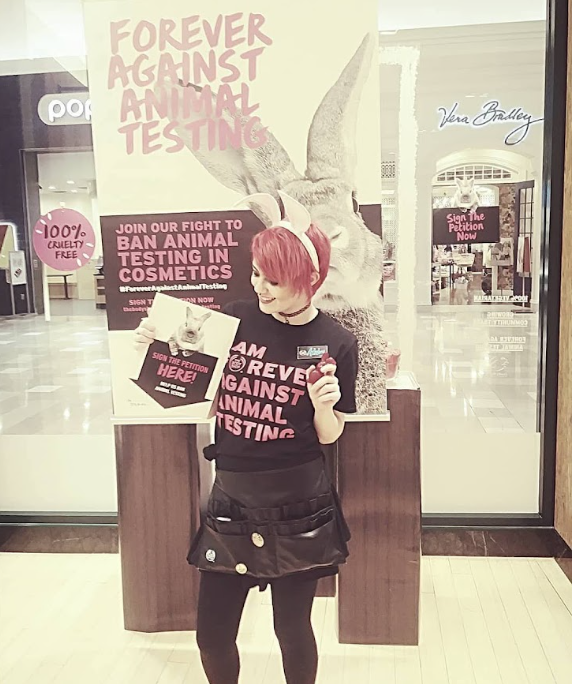
Ashley advocating at her retail job
Most video games feature levels that get harder as the player progresses. Life can follow a similar trajectory. Ashley recalled middle and high school as the first time she experienced significant hardships associated with her LCA. The unfortunate reality she had to face was that her vision would only continue to get worse, and seemingly in concert, kids around her got meaner. Though she was surrounded by good friends who understood her abilities and limitations, Ashley also encountered others who took advantage of them. For example, she used large-text textbooks at school, but some classmates hid them and laughed as she struggled to find them.
Ashley attended a few middle school dances but missed out on those in high school. She was unable to participate in gym classes and had to find another option. Even mobility training outside of school became loathsome because of its close proximity to her high school.
Each of these problems was compounded by constant anxiety. There was the general anxiety that afflicts many teenagers, but also the dread of becoming blind. Despite all of the hurdles, Ashley persevered. She had friends to drive her to places she needed to go. She found weightlifting, a practice that strengthened her body and deepened her relationship with accessible exercise, and fell in love with music. She began attending concerts by her favorite bands and even crowd-surfed, once making her way onto the stage. When she turned 16, she began working various retail jobs.
Through all of life’s hurdles and stresses, Ashley played video games, which became a lifeline for her. They were a bastion of comfort, yet they tested her abilities.
Life Level Four: Adulthood
Today, Ashley, now age 29, lives in a small town in Missouri with her partner, Michael, where she is facing new life challenges. She reflected on shifting from big-city life to small-town living. Near Scottsdale, she found that people were more accustomed to seeing or interacting with people with visual impairments. However, her small-town experience was more challenging. For instance, at work, she has learned to deal with customers and coworkers who do not fully understand the difference between legal and total blindness.
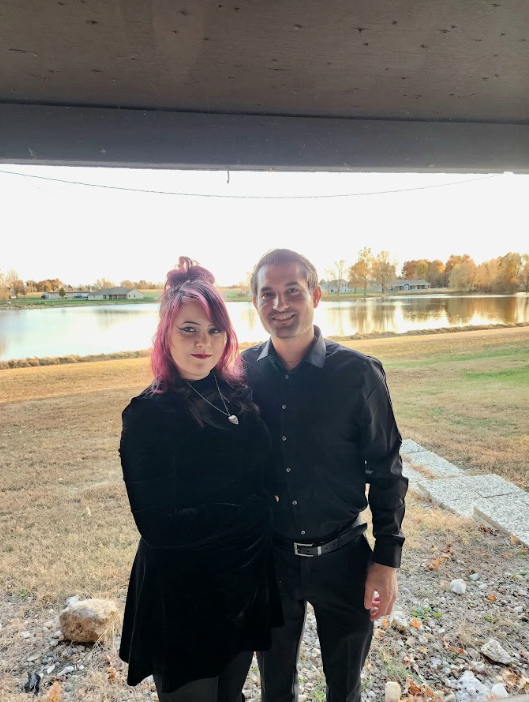
Ashley and partner Mykal Sandoval
“People hear the word blind or legally blind and assume it is just a black or white kind of thing,” Ashley said. “It can be frustrating. Especially when I’ve worked so hard my whole life to be where I am [with] my experience in retail and management, and it is often overlooked because of my visual impairment.”
Life Level Five: Video Gamer
The challenges Ashley faces have been made more difficult by the gradual decrease in her vision. She can no longer navigate independently outside, as bright light has made it more difficult to see, and her nystagmus and peripheral vision are worsening. While circumstances can stand in the way, Ashley won’t let them stop her. After all, she still is, and always has been, an avid video gamer, which provides a platform for her to rise to new challenges and perfect new skills.
Ashley spends her time playing retro PlayStation 2 video games like Jak and Daxter and Crash Bandicoot, as well as more modern games like Fortnite, and has streamed her gaming on the popular streaming site Twitch. She’s found a sense of accomplishment in being a talented gamer despite her visual impairment. In fact, she’s found a community of visually impaired online gamers.
Video games are a huge part of her life. While Ashley knows it might not be something she can do forever, she takes full advantage of what she can do now. The games are more than an activity. They are, instead, demonstrations of her resilience and persistence. While living with LCA can certainly present challenges, gaming has shown Ashley that it will never stop her from trying anything she sets her mind to. “I feel like my visual impairment and struggles have formed me into the person I am today,” Ashley said. “And I like that person! All of this has made me more resilient and adaptive.”
Opus Genetics has reached alignment with the US Food and Drug Administration (FDA) on the Phase 3 clinical trial design for OPGx-LCA5, the company’s emerging LCA5 gene therapy. If OPGx-LCA5 is safe and meets its primary outcome measure in the trial at six months, Opus will likely seek FDA approval by submitting a Biologics License Application or BLA. Treatment durability data at 12 months will also be considered by the FDA during its review.
Leber congenital amaurosis 5 (LCA5) is one of the rarest and most severe forms of LCA affecting approximately 5,000 globally.
The Phase 3 trial investigators plan to treat both eyes in eight patients. The trial includes a pre-treatment run-in period in which the natural history (i.e., the natural disease course) for each planned participant will be evaluated. Seven of the eight patients are currently enrolled in the run-in study. Investigators plan to begin dosing patients in the fourth quarter of 2026.
Investigators will use microperimetry, which measures retinal sensitivity at different loci (points) in the retina, as the primary outcome measure in the Phase 3 clinical trial. A mean improvement of at least seven decibels (dB) in retinal sensitivity across the central 16 test loci is considered clinically meaningful.
Opus Genetics previously reported meaningful vision improvements in three adult and three pediatric patients (aged 16-17) in its Phase 1/2 LCA5 gene therapy clinical trial at the University of Pennsylvania. Some patients saw objects for the first time after treatment. Others had meaningful improvements in visual acuity.
OPGx-LCA5 is administered by an injection underneath the retina. The gene therapy uses an engineered adeno-associated virus (AAV) to deliver health copies of the LCA5 gene into retinal cells. Researchers believe that retinal gene therapies can work for many years, perhaps the lifetime of the patient.
In reporting on emerging therapies for LCA and other retinal diseases, my mantra has always been “just the facts.” If you’re old enough, you might remember those iconic words from the stoic detective Joe Friday on the TV show “Dragnet.” Bottom line, I prefer not to embellish my reporting with hyperbole or emotion. (But I don’t wear a trench coat.)
With that said, I can’t help but be genuinely excited by the news on LCA research that came from the 2026 Association for Research in Vision and Ophthalmology (ARVO) meeting in Denver, May 3-7. Nearly 11,000 research-focused professionals from 72 countries attended this year’s meeting. Not all the LCA reports were breaking news, but collectively, the presentations and posters by researchers from all over the globe were inspiring.
Here are some clinical development highlights from the meeting:
LCA13 (RDH12): InnoVec’s emerging RDH12 gene therapy performed encouragingly at 12 months in a Phase 1/2 clinical trial in China. Ten patients (three with LCA) received one of two doses. The vision of two patients with LCA went from only hand-motion perception to modest visual acuity. Innovec is working to launch a trial for the gene therapy in the U.S. Opus Genetics also plans to launch an RDH12 gene therapy clinical trial in the US by the end of 2026.
LCA5: Opus Genetics previously reported meaningful vision improvements in three adult and three pediatric patients (aged 16-17) in its Phase 1/2 LCA5 gene therapy clinical trial at the University of Pennsylvania. LCA5 is one of the rarest and most severe forms of LCA. Some patients saw objects for the first time after treatment. Others had meaningful improvements in visual acuity. Opus is now recruiting for its Phase 3 cohort and plans to dose younger pediatric patients.
LCA4 (AIPL1): LCA4 is extremely rare and severe. At an early age, many children have only light perception or hand-motion vision. Incredibly, researchers at Great Ormond Eye Hospital and Moorfields Eye Hospital restored meaningful vision in 11 patients (aged 4 or younger) with an LCA4 gene therapy developed by MeiraGTx in the U.K. under a Specials License. MeiraGTx has licensed the LCA4 gene therapy to Eli Lilly, which is pursuing regulatory approval for it.
LCA2 (GUCY2D): Atsena Therapeutics reported 36-month results for its 15-patient Phase 1/2 LCA2 gene therapy clinical trial. Patients receiving the highest dose maintained significant improvements in retinal sensitivity and other functional measures. Furthermore, there were no serious adverse events related to the therapy. The company plans to launch its global Phase 3 cohort in the second half of 2026.
LCA10 (CEP290, IVS26 mutation): Sepul Bio continues to recruit for its global Phase 3 HYPERION clinical trial for its RNA therapy, sepofarsen. At ARVO, a post-hoc, paired-eye analysis of the previous Phase 3 ILLUMINATE clinical trial for sepofarsen was presented. It showed that treated eyes performed better than untreated eyes in the same patient. Why is this important? In the original ILLUMINATE clinical trial, the treated eyes of patients were compared with untreated eyes in a different patient cohort (i.e., a control group). Ultimately, ILLUMINATE, completed in 2022, didn’t meet its primary endpoint. The good news: HYPERION uses a paired-eye design, which researchers believe can lead to a stronger efficacy signal and a better opportunity to meet the primary endpoint.
This is by no means an exhaustive list of ARVO research presentations on LCA. Please feel free to reach out to me at ben@hopeinfocus.org if you have any questions about these or other projects.
PAO’s Intermediate group with speaker Rob Long, Executive Director of Uplifting Athletes
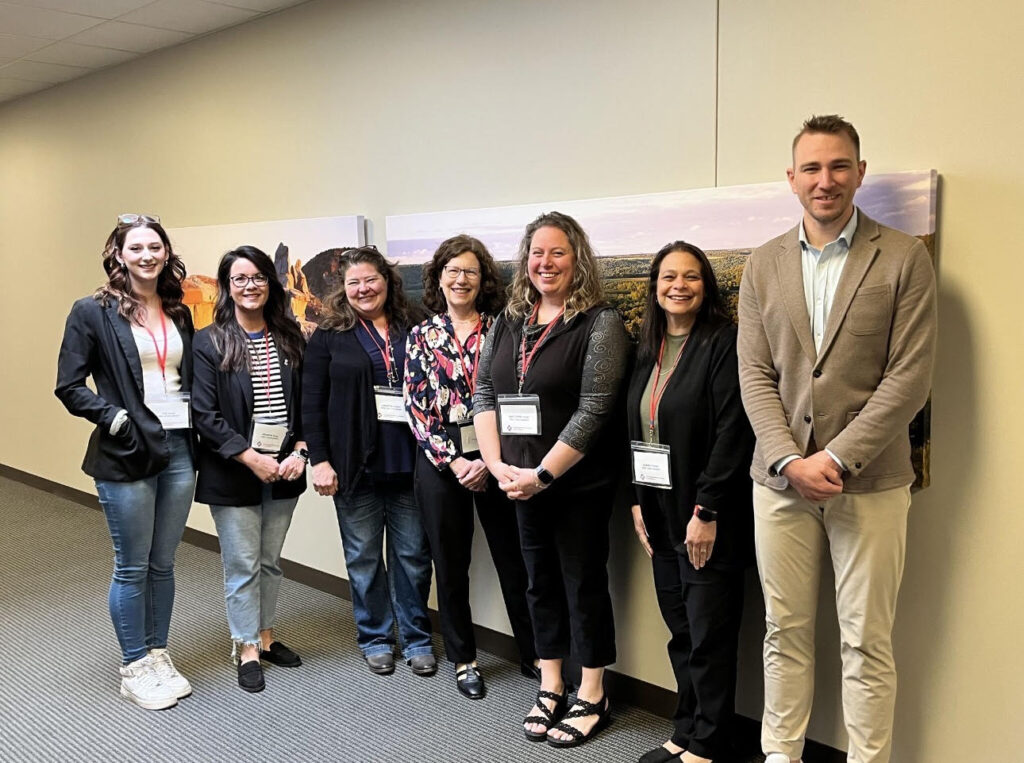
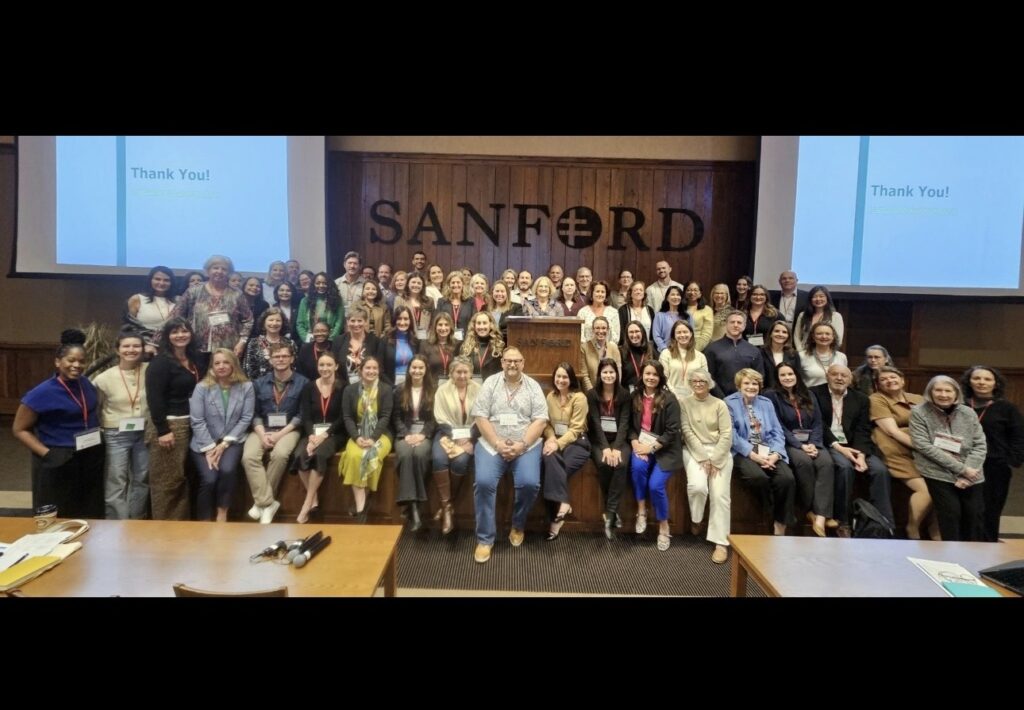
The Sanford Research Center hosts the largest registry in the U.S. for patients with rare diseases, primarily children. Work done at Sanford Research led to the first-ever clinical trial using gene therapies for one of these diseases. PPALS provides an environment where conversations and collaborations with industry and other patient advocacy organizations can happen naturally. The training provides opportunities for connected conversations in a small-group setting.
This is Eve’s second year, joining the intermediate course in the Patient Advocacy Organization (PAO) group. “I am excited to be involved again with PPALS and meeting other people who help push for treatments, engage in advocacy, and provide resources for our community,” Eve said. “I’ve learned more about the industry and gained a comprehensive understanding of our space, while building connections within the rare disease community to bring new information, ideas, and opportunities back to Hope in Focus.”
One session that stood out to Eve was “Fundraising and Beyond” led by Terri L. Klein, CEO and President of the MPS Society. Klein discussed the MPS Society’s work and explained how various fundraising and community engagement strategies can effectively support and grow patient advocacy organizations. The session also gave PAO participants the opportunity to strategize together and discuss ways to better connect with and support their communities.
Experiences like PPALS continue to help Hope in Focus expand its connections, strengthen advocacy efforts, and bring valuable resources to the rare disease community.
LCA5 is a rare inherited retinal disease causing blindness or severe vision loss in childhood.
The RDEP process can allow potential FDA approval based on one adequate and well-controlled study plus additional robust confirmatory evidence, which may include: strong mechanistic or biomarker evidence; evidence from relevant non-clinical models; clinical pharmacodynamic data; and case reports, expanded access data, or natural history studies.
OPGx-LCA5 is currently being evaluated in a Phase 1/2 clinical trial at the University of Pennsylvania. Vision gains and positive safety results for the treatment for adult and pediatric trial participants have been reported. Enrollment for an adaptive Phase 3 clinical trial is ongoing. OPGx-LCA5 has also received Rare Pediatric Disease, Orphan Drug, Regenerative Medicine Advanced Therapy (RMAT) designations from the FDA.