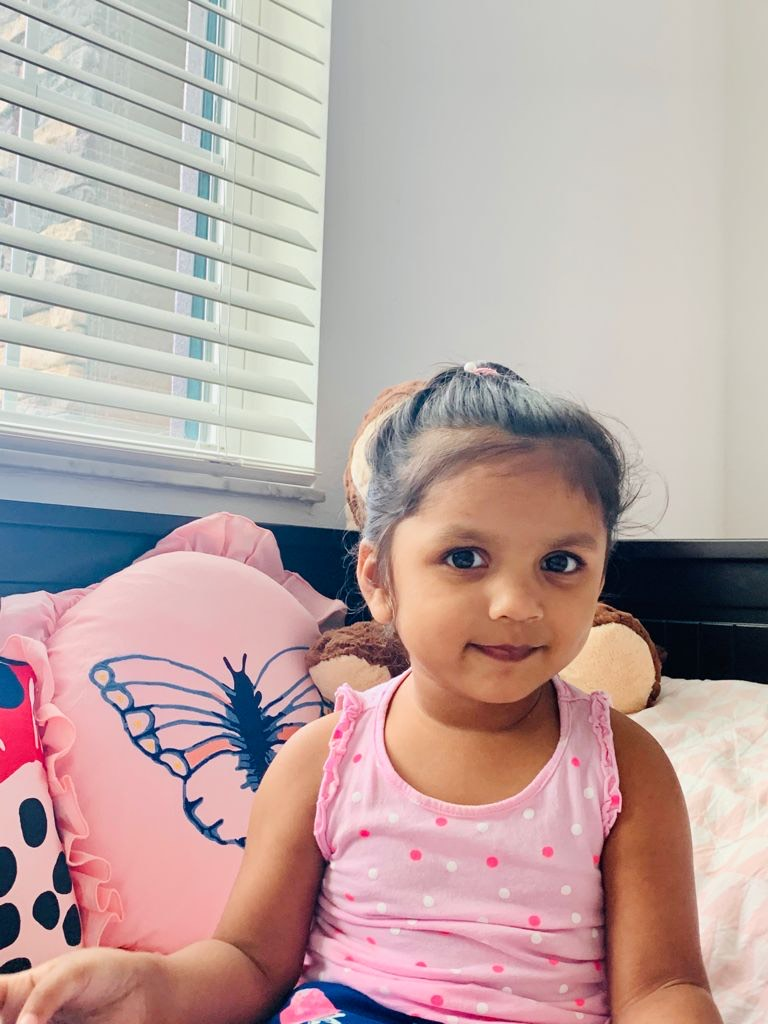
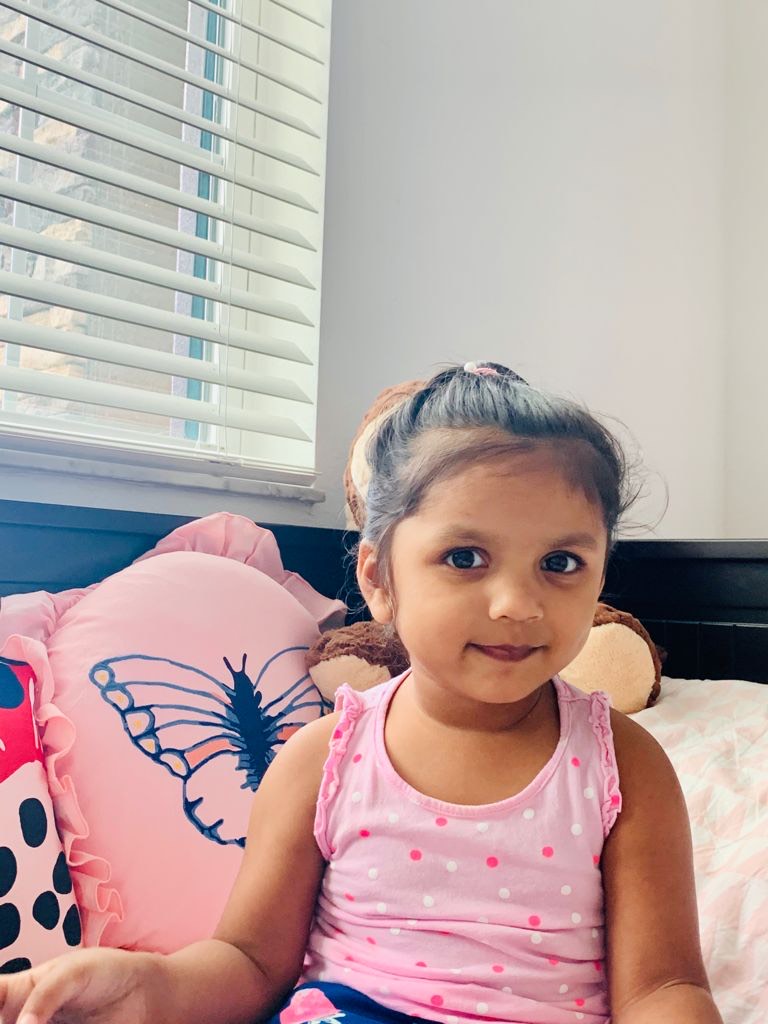
Parvi Gaddam has endured a lot for a little girl genetically diagnosed at 6 months’ old with a form of Leber congenital amaurosis called LCA3 (SPATA7).
Parvi Gaddam has a form of Leber congenital amaurosis called LCA3 (SPATA7)
Like most parents discovering their child has a rare inherited disease, the diagnosis of their now 3-year-old took Harini and Suresh Gaddam by surprise because no one in their families experienced vision loss or blindness. LCA, usually inherited as an autosomal recessive genetic condition, means a child inherits two copies of the mutated gene, one from each parent.
The couple, who are software engineers living in Tampa, Fla., hoped Parvi’s mutated gene would be RPE65 associated with LCA2, because vision in some patients with that mutation improves through the federally approved LUXTURNA® gene therapy.
LCA3 Diagnosis Confirmed
She underwent rounds of scans and tests, and at 6-months, Parvi and her family traveled to Pennsylvania’s University of Pittsburgh Medical Center Children’s Hospital, where doctors diagnosed her with a mutation in her SPATA7 gene, associated with LCA3, one of the 27 known forms of LCA. Rare among rare diseases, LCA3 accounts for fewer than 2 percent of all LCA cases. Early-stage research using mice models has shown promising results with gene therapy treatment.
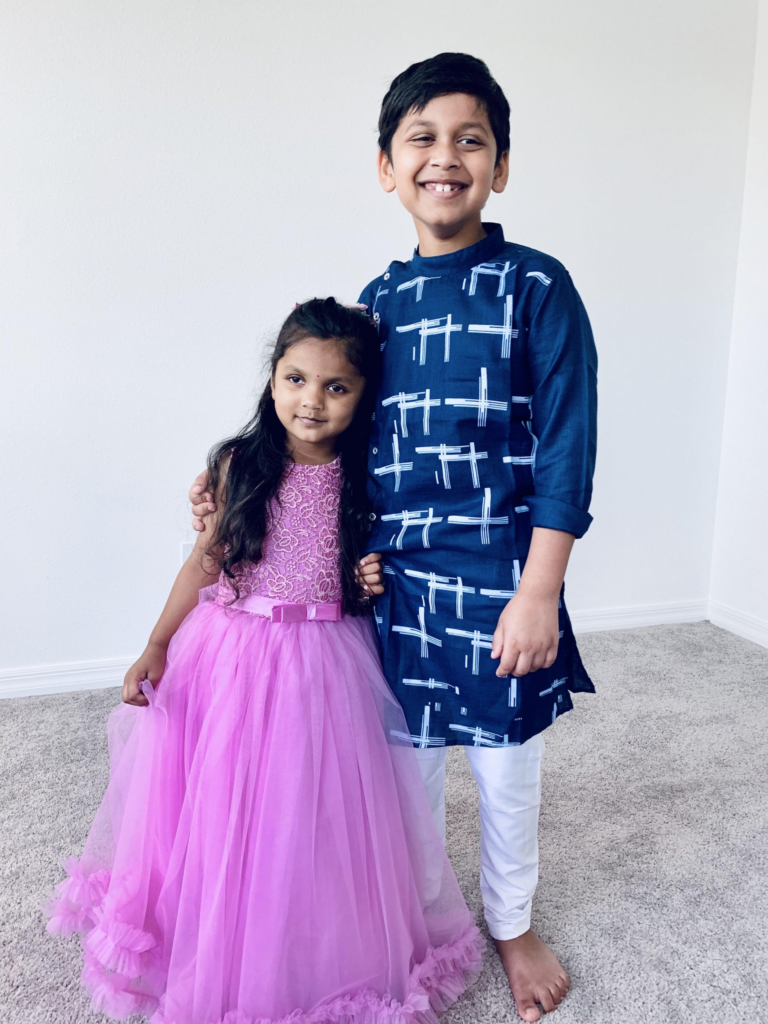
Parvi does have some light perception. Her vision teacher comes to her home because of the COVID-19 pandemic, and helps her by reading storybooks, singing songs, and touching and seeing objects. Parvi also enjoys the company of her older brother, 8-year-old Thanmay, who returned to class in school.
“She’s very smart, does her routine, enjoys reading the books, songs, walking, and playing with her brother,” Suresh said.
The family is searching for more people living with the SPATA7 mutation to gather patients and bring research forward to clinical trials in humans, with the hope that a treatment or cure will come to fruition.
“We will not give up,” her father said. “And we will continue fighting for my little angel and the SPATA7/LCA3 patient group to bring this treatment to humans.”
It’s simple: we’ve grown and matured as an organization. And we’re looking ahead to how we can best position this organization for the future. We were never about one individual – we’ve always been for all of the Sofias – all the individuals, all the families, and all the genetic variants associated with LCA. The new name has simply evolved to reflect that.
Why change the name now?
The pandemic gave us an unintentional break from normal operations, kind of like many of us since early 2020. Unable to plan and go forward with public events, such as our Dinner in the Dark gala fundraiser and our LCA Family Conference, we had time to work on a new name.
Who decided to change the name?
Our President and Co-Founder Laura Manfre has been thinking about changing the name for a long time. Researchers asked her and her family to fundraise when she learned of Sofia’s genetic LCA diagnosis in 2012. She and others founded Sofia Sees Hope in 2014 to advocate and raise funds for all in the LCA and IRD communities, and Sofia came to represent all Sofias. The organization was founded to be inclusive, and we are now updating the name to reflect that inclusivity.
Has anything else about the organization changed?
Nope. Our mission is the same; only our name has changed, and we hope this will better position us to grow and extend the reach of our work and focus.
Why did we work with a branding firm?
We’ve come to know a lot about rare inherited retinal diseases, genetic testing, clinical trials, federal drug approval, 27 different forms of LCA, and tons more about rare inherited retinal diseases, but we needed professional help in the branding department.
We found that help through an old friend, Bonnie Southcott, who has been with us since the beginning and knows our people and our mission. She also is Director of Patient Engagement at Toolhouse, a digital marketing firm in the life sciences sector.
She describes the essence of rebranding or renaming as carefully identifying a brand’s DNA and then capturing it in the new words, look, and feel of the name, the logo, and the tagline. The three-month process involved our founders, board members, staff, donors, and the people we connect with in the LCA and IRD communities. We think she did a great job and hope you do, too!
How was the rebranding funded?
We are very fortunate to have generous supporters who donated their significant talent, and their time to our rebranding initiative. For the expenses we did incur, these were covered with grant funding designated for administrative expenses and capacity building as we position our organization for the future.
It is important to us that contributions received from individual donors are used solely for the benefit of research and genetic testing. Meanwhile, our education, outreach, and advocacy programs, as well as our capacity-building activities and administrative expenses are supported by grants and restricted contributions designated for those activities.
What does Sofia think about the name change?
She is excited for the update! She has always known that the organization’s mission was to serve the broader community, and she looks forward to continuing her involvement, which has included everything from leading a book club for middle schoolers to supporting fundraising to representing the organization at partner events.
Will Dinner in the Dark return?
YES! And here is the date to save: Saturday, October 8, 2022, at the Mystic Marriott in Groton, Connecticut. We cannot wait to gather safely again, for this, and for other in-person events like our LCA Family Conference, A Rare Opportunity, and more.
Sofia Sees Hope this month unveiled a new name and logo — Hope in Focus — as the organization sets its course for the next decade of work to benefit the Leber congenital amaurosis (LCA) community.
Embracing and encompassing, Hope in Focus is our new name: Embracing because research advancements fuel hope and ease feelings of isolation that often accompany a rare-disease diagnosis, and encompassing because our global advocacy reaches all of those living with LCA and other rare inherited retinal diseases (IRDs).
Our organizational namesake, Sofia, was a little girl with LCA in 2014. She has now come of age, and so have we. Throughout the last seven years, Sofia Sees Hope has transformed from a small NPO into a robust, international organization, and that’s why we’ve taken the exciting step of evolving our name while keeping hope as its centerpiece.
“Hope is built on the bedrock of yearning; not an unrequited yearning, but the yearning for what we know can be,” President and Co-Founder Laura Manfre said. “Hope is fuel, driving us to action. It binds us together and soothes our souls when darkness falls. Hope is our Polaris; the brightest star in the IRD constellation.”
Hope also is empowering and a strong motivator. It is the role of Hope in Focus to make sure we hear those voices of the patients, families, and community, and we help craft compassionate, forward-thinking policy.
“Without hope there is not a chance you’re going to advance treatment,” Manfre said. “We cannot sit back and wait for it like manna from heaven because that’s just not going to work.”
Why The Name Change?
As Sofia Sees Hope grew from its beginnings, so did its reach geographically and genetically with those living with LCA and IRDs. The development and 2017 federal approval of LUXTURNA®, a vision-restoring gene therapy, marked an incredible milestone in the rare retinal disease world. Several factors powered the name change.
Sofia Sees Hope established steady grant funding and strong corporate partnerships over the years to support advocacy programs, such as our LCA Family Conferences, quarterly newsletter, and monthly webinars.
“We are grateful to our grantors and corporate partners, and, for the most part, that funding has remained steady and that’s what we use for outreach and for continuing to build a sustainable organization,” Manfre said.
Our advocacy group forged vital relationships with global organizations like Foundation Fighting Blindness and Retina International and with pharmaceutical and biotechnology companies, resulting in remarkable research advancements. These include improved access to genetic testing and the development of more than 30 clinical trials into retinal disease research.
“We’ve reached this level of organizational maturity where we’re well-known enough that we can manage a name change and continue to provide even better service to the community,” Manfre said. “We are well-positioned for the future and believe this name change will only help us to be more successful.”
Unintentional Opportunity of Time
Manfre said she didn’t necessarily want her daughter’s name attached to the organization because from the beginning it was about so much more than her. After Sofia received her confirmed genetic diagnosis of the gene causing her vision loss — IQCB1 — her family was asked to fundraise.
“Every year I would step back and question it. Is it time to change our name? It was never about Sofia specifically,” she said. “Since our incorporation, we provided funding to support a variety of research initiatives, including My Retina Tracker® Program.”
But then the COVID-19 pandemic set in, giving an unintentional opportunity to press the pause button for time to re-evaluate.
“COVID gave us time, although that’s not how we would have wanted to do it.” The name Sofia Sees Hope served our organization well once we established we were reaching out to people like Manfre’s daughter, Sofia, and people living with any one of the 27 known forms of LCA and a host of IRDs.
Now in the eighth year since our founding, research has advanced exponentially, and we wanted to be clear that we are there for the whole LCA and IRD community” she said.
“We are not changing who we are or what we do. We’re just changing the name.” Manfre said the name change also relieves the pressure on Sofia that comes with having her name be part of the organization. Sofia has supported at fundraisers, educational events, and most recently by leading a book club for middle schoolers with LCA and other visual impairments.
The Process Behind Our New Name
We had amazing help with finding the right name. Bonnie Southcott led the three-month project. Southcott is former Director of Patient Engagement at Toolhouse, a digital marketing firm in the life sciences sector, based in Washington state. Under her guidance, we developed a new name, Hope in Focus, a new tagline, “Seeing a cure for blindness,” and a new logo.
“I think it’s important to know that the organization itself hasn’t changed. The (new) name is more reflective of the greatest audience that they serve and of their vision for the future,” she said. “The other piece of it is that it takes away one of the questions, and that question was ‘Who’s Sofia?’ ”
Sofia represented people with LCA, but some might not get that and think twice before reaching out to our organization, thinking, ‘I don’t know who Sofia is, the organization might not be right for me.’
“That only has to happen once to have an impact,” Southcott said. “To take away that question was key.”
She describes the essence of rebranding or renaming as carefully identifying a brand’s DNA and then capturing it in the new words, look, and feel of the name, the logo, and the tagline. By involving representatives from each stakeholder group and planning a careful rollout, she said, the organization’s supporters, constituents, and staff become champions of the reimagined brand.
“Hope: That was almost like a life raft that people jumped into. You have to focus on hope. It is too central for what this organization stands for.”
The name also reflects the human connection the organization makes with the LCA and IRD communities: “The warm embrace that Hope in Focus stands for.” The name also differentiated our group nicely from others in the field and that’s important for messaging, important for fundraising, and important for growth, she said.
“Some do offer that sense of hope, but you don’t get that from the name. The new name really had to convey that, and it had to underscore that the purpose is not only Sofia, but all the Sofias. “The hope component — that sets us apart.”
Science and research comprised the other piece folding into the mix, thinking about microscopes and getting a clearer focus on treatments and cures, especially with one gene therapy on the market and more developing research in clinical trials.
Southcott and her colleague Chance Martenson began with 40 possibilities for names and narrowed them to 12 after conversations with our founders, board members, staff, donors, and the people we connect with in the LCA and IRD communities. From there, they recommended three for consideration.
The name change or rebrand of our organization stood out among other projects she has done. “It was more an evolution of what existed, as opposed to a revolution or the creation of something brand new, where nothing existed before.”
Finding the right name also meant not disenfranchising people involved with our advocacy group. “There is this real sense of dedication to the organization and a yearning to protect it from anything else, Southcott said. At the end of the day, it had to serve the people that support it and use it.”
Our Future
We at Hope in Focus will expand the reach in our advocacy efforts and continue to grow as a small team doing big things, Manfre said. The vision for Hope in Focus is far reaching, and we are developing exciting ways to engage our community members and bring them together as we support them, and they support one another.
“We’ve been powered by a small team of part-time consultants and volunteers, and we’ve just recently brought on board a full-time development and outreach director,” Manfre said. “To be able to continue to expand to meet the needs and the demands of the LCA and IRD communities, we need to keep growing. I view this as the first step in that growth.
“We’re checking all the boxes, working to fill unmet needs. This is much bigger than me and much bigger than Sofia. We only began something that is going to continue to grow, and we’re very excited about where it will go.”
“It’s the first time anyone has demonstrated the potential of editing in human eyes,” Dr. Chen said. “We kind of dreamed about this since 2014.”
Researchers administered EDIT-101, an experimental CRISPR gene editing medicine, through a subretinal injection to reach and deliver the gene-editing machinery directly to the retina’s photoreceptor cells.
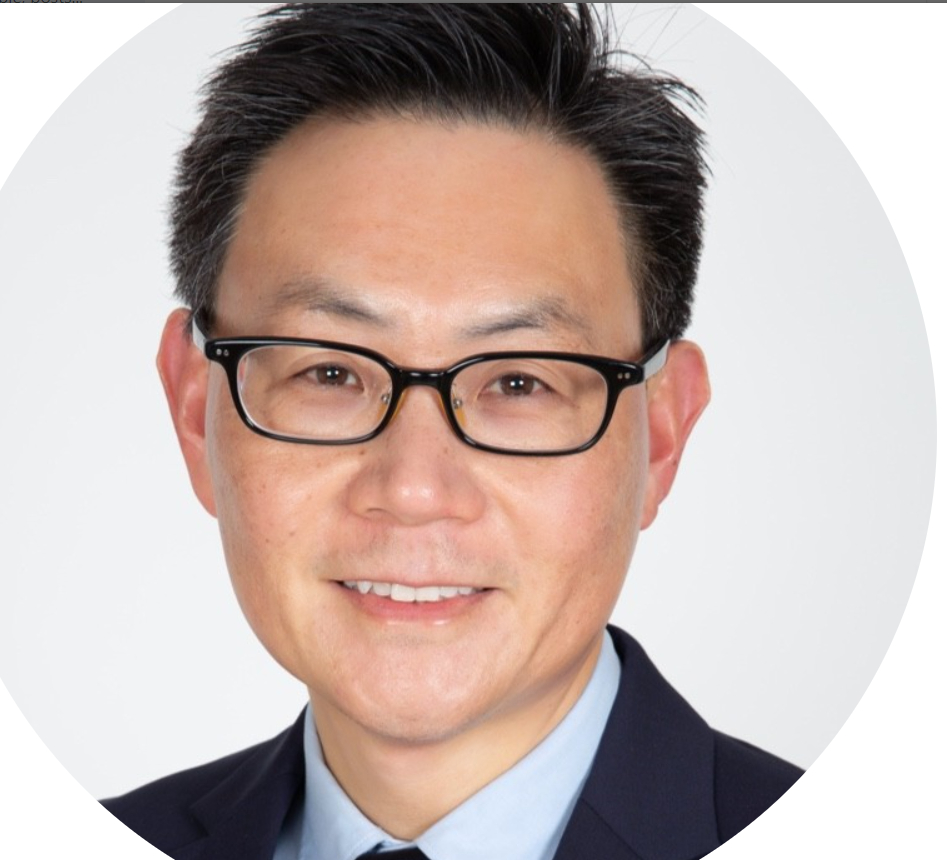
Dr. Chen is the Vice President of Clinical Development at Editas Medicine, a gene editing company based in Cambridge, Mass. The company focuses on developing CRISPR-based treatments.
CRISPR (pronounced “crisper”) is an acronym for Clustered, Regularly Interspaced, Short Palindromic Repeats. It refers to a recently developed gene editing technology that can revise, remove, and replace DNA in a highly targeted manner.
As part of our Hope in Focus webinar series, Dr. Chen described the early, but exciting, data from the ongoing Phase 1/2 Brilliance clinical trial of EDIT-101 in our October episode: “Let’s Chat About…CRISPR and gene-editing technology.” Our Director of Marketing and Communications Elissa Bass moderated the session, which you can view here.
Dr. Chen oversees a portfolio spanning the therapeutic areas of hematology, oncology, ophthalmology, and neuroscience. As a physician executive with more than 20 years of combined clinical and industry experience, he has a track record of success at companies, including Merck and Bayer.
His therapeutic area and drug development expertise is deep and diverse, from rare disease and indications such as bronchiectasis, vasculitis, and pulmonary hypertension, to large cardiovascular areas including congestive heart failure, thrombosis, and therapeutics for primary and secondary cardiovascular prevention.
He earned his medical degree at the University of California, San Francisco School of Medicine, where he trained and practiced in internal medicine and cardiology. He holds a Bachelor of Arts with Honors in Molecular and Cell Biology, Neurobiology, from the University of California, Berkeley.
Exciting early results for CRISPR
Dr. Chen described his passion for innovation and his interest in developing life-saving treatments, including a new aspirin.
Then he thought to himself, “We probably don’t need another aspirin,” and pivoted this passion for innovation to life-altering research, including working with the CRISPR gene-editing treatment.
He has been with Editas since 2020; the company’s work on LCA10 began in 2014.
Dr. Chen said he is excited about the first results of the clinical trial and added that the research is part of an ongoing, current investigation of which “we’re not making any claims.”
Editas recently released early results of the first six patients in the EDIT-101 Brilliance trial at the International Symposium on Retinal Degeneration. Efficacy results were limited to the first five patients treated with the low- to mid-doses and followed for at least three months.
Two of the three patients treated with the mid-dose and followed for up to six months showed improved vision, results that suggest successful editing with EDIT-101. Patients will need to be treated and followed over time to ensure the safety and efficacy of the drug. EDIT-101 is now being assessed at a higher dose and in pediatric patients.
Editas currently is recruiting for children, ages 3 to 17. For recruitment information, contact Editas Medicine’s Clinical Trial Team at 617-401-9007 or patients@editasmed.com. For more information, go to clinicaltrials.gov NCT03872479.
CRISPR is a one-time treatment
Explaining the gene-editing process, Dr. Chen shared some biology basics on DNA, RNA, and proteins, and described the potential of CRISPR gene-editing to restore cellular function.
He described DNA as the building blocks of life, serving as a blueprint, or instructions, for all the proteins in our bodies. When the body reads the DNA, it makes RNA, which then acts like a messenger taking the instructions all over the body to make proteins. Proteins are the tools our cells need to function.
Sometimes, an abnormal change in DNA’s sequence (a mutation) causes disease. These changes can be spontaneous or can be inherited from parents. This is where CRISPR-based medicines come in. Gene editing technology may be able to treat some genetic diseases by intervening at the DNA level.
To demonstrate this process, Dr. Chen, using simple colored Lego® pieces to represent DNA and RNA, explained how CRISPR gene editing medicines contain a nuclease, or a protein that edits DNA, and a guide RNA that can go in and find a specific portion of the gene and make an edit to correct the gene abnormality.
People living with LCA10 have a disease-causing mutation in the CEP290 gene. For EDIT-101, scientists created a specific guide RNA to find the CEP290 gene in the photoreceptor cells and remove the incorrect instructions contained in the patient’s DNA.
The drug is injected one time in one eye under the retina, creating a blister-like pocket of the drug called a bleb for EDIT-101 to treat the target area that allows retina function. Dr. Chen characterized the treatment as an effective and precise process.
“The DNA is actually edited with the genetic defect corrected,” he said. “It’s a very elegant use of science for which the Nobel Prize was given, so this is a big deal.”
One of our webinar viewers asked why the process can’t be used to treat all other forms of LCA.
“It’s a long road,” Dr. Chen said. “For good reasons, the regulatory path is a long one.”
The process can take 15 to 20 years, from molecular research to studying treatment effects in animals and then humans, to undergoing the rigors of earning approval by the U.S. Food and Drug Administration.
In 2017, the FDA approved LUXTURNA,® the first, and so far, only, gene therapy for a form of LCA. Gene therapy is different than gene editing. Gene therapy entails inserting a “healthy” version of the gene to offset the effect of the mutation, while gene editing revises, removes, or replaces a mutated gene at the DNA level.
This study of EDIT-101 centers on one form of LCA and it is in its initial stages, he said.
“Each of the defects, you could add it up and it’s a long, expensive and laborious exercise. It’s a commitment on our part. None of this is easy.”
He estimated that getting the CRISPR treatment to market is still a few years away.
In answer to a question about what keeps him going amid the arduous trial-and-error process that comes with clinical research, he said, some days are very frustrating, but he feels blessed to make a difference in someone’s life.
“It’s all about the patient,” Dr. Chen said. “That makes a world of difference and makes it all worthwhile.”
We hear a lot these days about the necessity of the patient voice in developing treatments, especially for people living with rare disease, such as Leber congenital amaurosis (LCA) or other rare inherited retinal diseases (IRDs).
So, how does the voice of the patient manifest in helping speed up the process of drug development and bringing treatments to market?
In several specific ways, according to Jill Dolgin, PharmD, Head of Patient Advocacy at a clinical-stage biotechnology company. Here they are:
Get a confirmed genetic diagnosis through genetic testing to determine the underlying cause of the disease.
Add your voice to science by joining a patient registry that gives researchers necessary information for clinical trials.
Take part in Natural History studies that glean knowledge and an independent understanding of diseases over time.
People also should tell their stories and bring awareness to as many people as possible to help advance research.
Dr. Dolgin leads Patient and Professional Engagement Strategy at Applied Genetic Technologies Corporation (AGTC), headquartered in Alachua, Fla., with offices in Cambridge, Mass. The company develops transformational genetic therapies for IRDs, and Dr. Dolgin works to drive disease and clinical trial awareness efforts for the AGTC pipeline.
Sofia Sees Hope featured her in its September webinar episode: “Let’s Chat About…the importance of the patient voice.” Director of Marketing and Communications Elissa Bass moderated the monthly series.
Dr. Dolgin has more than 20 years of global pharmaceutical experience in Medical Affairs, Corporate Communications, Patient and Professional Advocacy, and Public Policy. She earned a doctorate in clinical pharmacy from the University of the Sciences in Philadelphia and a Bachelor of Science in pharmacy from The Ohio State University.
At AGTC, she ensures that patient needs are considered and incorporated into every aspect of drug development. Externally, she collaborates with patient advocacy groups, such as Sofia Sees Hope, to educate patients and families about the importance of taking part in clinical trials, gene therapy, and the value of listening to the voices of patients and their families to help the media, healthcare professionals, payors, and policymakers understand the challenges encountered by patients as they live with rare retinal conditions.
Dr. Dolgin brings patient voices to the corporate table, noting AGTC’s mantra: “No decision about the patient without the patient.”
Genetic Tests, Patient Registries & Natural History Studies
Once a patient receives a clinical diagnosis of LCA, a genetic diagnosis via genetic testing is the next critical step toward advancing research. AGTC and Sofia Sees Hope provide funding to the Foundation Fighting Blindness (FFB) to help patients gain free access to genetic testing.
More than 100 mutations could cause various forms of eye disease; a confirmed genetic diagnosis narrows the condition to one or more gene mutations. The next steps include finding whether a treatment exists for the condition, whether technology exists to correct the mutation, and/or whether clinical trials are underway for that condition.
That’s when joining My Retina Tracker® registry, a free and secure online registry launched by FFB, comes into play. Dr. Dolgin talked about the necessity of this bank of patient medical information that gives voice to the patient and a role in contributing to science by driving research for LCA and IRD treatment and cures.
With rare disease, where the history and progression of the disease over time is particularly poorly understood and unknown, Natural History studies should be conducted before beginning a clinical trial.
Researchers gather specific information from patients to better understand a disease’s progression, using the data to assess whether an investigational treatment administered during a trial is affecting that progression.
Incorporating the patient voice into the development plan goes beyond the clinical trial, she said. Patient and caregiver feedback should be considered throughout the development and commercialization of a product. For example, when developing the formulation of a product given by mouth, researchers need to keep in mind the specific needs of patients, whether they be children, elderly, or anyone with difficulty swallowing, and consider developing a liquid product.
They also should consider ease of use in product packaging. Just trying to open the medicine bottle can be daunting for someone with arthritis. She jokingly said safety caps should be labeled adult-proof, rather than child-proof, because they’re so often difficult to open.
Becoming Part of a Clinical Trial
Dr. Dolgin’s job also includes discussing clinical trials as a treatment option and finding appropriate participants for clinical trials, a challenging task for developing treatments and cures for rare diseases with smaller pools of potential participants. A rare disease is one that affects fewer than 200,000 people.
Patients considering taking part in a clinical trial need to understand the process of clinical development, the goals, and the expected outcomes for each stage of development, from pre-clinical animal studies to human studies, she said.
Researchers divide human studies into three phases. In rare disease studies, they combine Phase 1 and Phase 2 studies because of the small number of patients. They design these early-phase trials primarily to assess safety over a wide dosage range and to assess potential biologic activity or efficacy in a small number of patients.
The final phase before Food and Drug Administration approval is Phase 3, in which researchers enroll a larger number of patients and administer the highest and safest dose given in the Phase 1/2 trial. The goals are to further assess any safety issues and evaluate the potential efficacy of a product in a larger number of participants. In rare disease trials, often fewer than 100 patients take part in each trial phase.
Even when a lot of people initially make up a pool of potential participants, those big numbers shrink fast when people understand the burden of time required to take part in the trial, including multiple scheduled visits in the first year of the trial.
Most IRD trials last 5 years to determine long-term efficacy and safety. The time commitment can impact childcare, time away from school, work, and family commitments. Time and expense for another person to accompany a clinical trial patient with vision loss is another variable. The trial’s sponsor generally covers travel and lodging costs, but patients should confirm whether that is the case before agreeing to participate.
A potential participant with a clinical and genetic diagnosis may not meet all the inclusion criteria because of the severity of their disease (either too good or too severe), or because they may have other medical conditions that might interfere with medications provided during the trial or the medication under investigation.
While more than a thousand gene therapy developers are out there, with 50 dealing with ophthalmologic drug development, Dr. Dolgin said, the road to a marketed drug is long and arduous, often taking 10 to 15 years from laboratory and animal studies to final approval for use in humans.
About a hundred trials for various eye diseases are in preclinical stages, with about 60 ongoing clinical trials. It’s a big trial-and-error process, she said, citing trial failure rates of 80 to 90 percent.
She described the two kinds of gene therapies on the market and in development, the first being gene addition, in which doctors insert a functional copy of the gene, and the second, gene editing, by removing the mutating gene and inserting the correct one.
Current AGTC Research Highlights
Along with AGTC’s patient advocacy work, Dr. Dolgin said the company has made exciting progress with three advanced clinical trials:
The first deals with X-linked Retinitis Pigmentosa (XLRP). Retinitis Pigmentosa (RP) describes a group of rare genetic eye diseases that damage light-sensitive cells in the retina, leading to loss of sight over time. Of the 200,000 RP patients, about 10 percent have X-linked RP, in which a mother passes down the non-working gene to her male children.
AGTC just completed Phase 1/2 of the XLRP clinical trial and is currently enrolling in a Phase 2 expansion trial and screening for participants for its Phase 3 trial to be initiated soon.
Achromatopsia (ACHM), an inherited condition caused by mutations in one of several genes, is the subject of two separate Phase 1/2 clinical trials for individuals with a mutation in either the CNGA3 or CNGB3 genes. ACHM is associated with extremely poor visual acuity, extreme light sensitivity, and complete loss of color discrimination.
AGTC completed Phase 1/2 clinical trial enrollment for both the CNGA3 and CNGB3 trials.
The free and secure online registry launched six years ago by the Foundation Fighting Blindness is being updated and your feedback is needed. The organization currently is conducting a “user-experience” survey of its membership to glean new ideas to make the registry more effective for patients and for researchers, according to the Foundation’s Todd Durham.
Now, through at least the end of June, you can contribute by taking the survey on the registry’s website and updating your profile. If you’re not already part of the registry, click here to join. The global registry has more than 18,000 members and is open to anyone with an inherited retinal condition and/or adult caregivers of children.
As the Foundation’s Vice President of Clinical & Outcomes Research, Durham is responsible for directing the organization’s Clinical Consortium of retinal experts, developing strategies to enhance product development, partnering with industry, and providing technical input on partnered programs and investment decisions.
The Foundation is the world’s leading private funder of retinal disease research and collaborates with patients, caregivers, researchers, and biopharmaceutical companies. That funding has been a driving force behind the progress toward cures, including the identification of more than 270 genes linked to retinal disease, and the launch of 42 clinical trials for potential treatments.
Durham discussed the patient registry and survey in our May webinar episode: “Let’s Chat About … Patient Registries and My Retina Tracker®.” Sofia Sees Hope Director of Marketing and Communications Elissa Bass moderates the free monthly webinar series. You can watch the webinar here.
Durham earned a Bachelor of Science in Public Health, a master’s in biostatistics, and a PhD in health policy and management (Decision Science and Outcomes Research) from the University of North Carolina School of Global Public Health. He has more than 25 years of drug-development experience.
Understanding Patients and Retinal Disease Through Data
A patient registry is a planned collection of data around a disease. My Retina Tracker distinguishes itself from others by focusing on inherited retinal degenerations or diseases with the purpose to understand genetics, prevalence of conditions, and impacts of IRDs on individuals’ lives.
The registry also enables researchers to find people for clinical trials, especially challenging work in the rare disease world of LCA and other IRDs.
Registry subsections include assistive devices, driving, visual symptoms, and the recently added “My Health Today,” a series of questions developed by the National Institutes of Health (NIH) to assess physical and mental health.
To become a member, click on ‘Register Now’ and follow the prompts to establish a username and password and to answer questions to build your personalized retinal health profile. You are then guided through a series of questionnaires developed by retinal clinicians, geneticists, genetic counselors, and rare inherited retinal disease researchers.
The registry becomes your personal retinal health record, updated by you and your doctors. Your history and testing results create a critical resource in tracking the progress of your disease and becoming part of a comprehensive database. It employs state-of-the-art technology to protect privacy and adheres to the highest standards of confidentiality and ethics.
Your disease information is accessible only to you, Foundation registry staff, and researchers who meet a rigorous scientific review application process to use the data for studies and to reach individuals to participate in clinical trials, Natural History studies, or focus groups. Your personal information is never shared with researchers.
It’s important to update your profile because the data unique to those living with LCA and other IRDs gives researchers a trove of opportunities for studies. The more complete the profile, the more likely you are to be contacted about a research opportunity.
“Many of our research collaborators may approach us with a research idea and a certain criterion they want to apply to their study, and we use as much data in the profile as we can to help find the right target for that study,” Durham said. “As your vision changes, as your life situation changes, we’d like to know the milestones along the way. That’s informative information.”
Enhancing Patient Registries through Survey Feedback
An important improvement to the registry would be the ability to highlight to its members the research emanating from the information given by registrants. Completing the survey and giving specific feedback will help accomplish this.
“The key focus right now is delivering back to the members some information that they find useful, that shows that they are contributing to science.”
The Foundation also wants to engage its registry membership more regularly with information tailored to profiles.
“Speaking with a number of individuals involved with the Foundation, they say ‘it sure would be nice if when I tell you that my gene is, let’s say, EYS that you could tell me more about people like me.’ We’re looking into some ways that we can collect that data, put it in a way that’s understandable, digestible, presentable, and make that available to our membership, the registry.”
Results from the user-experience survey will be central in making the registry more valuable.
“As much as possible we really want folks’ feedback and, in this survey, we ask about their experience not just with the registry itself, but also with our genetic testing program, which many people have been able to take advantage of.
“We’re in a rapidly evolving research field; we’ve got new therapies coming all the time. To me, it’s important to put in mechanisms where we can learn along the way, and we’ll want to get as many indicators as possible.”
Patient Registries: Making a Difference Through Research
Every month, six or seven researchers contact the Foundation for access to the registry, Durham said. One proposed study would look at patient experience with genetic testing and counseling.
“How did that counseling session change the way they view their life, what impact did it have on them? This is very promising and interesting research. When we saw this, we thought this is very relevant for our members and for our community in general because we believe genetic testing is hugely important.
“From my conversations with individuals, that moment when you have the clarity of a genetic diagnosis is kind of a day that you remember. It is now the time where I can at least ask the question, ‘what is the typical progression for folks like me? Are there research opportunities for me? What are the research prospects for people like me?’
“All this research can make a big impact.”
One project using registry data produced an analysis estimating the cost of illness for an IRD – an economic burden of up to $31.7 billion in the United States.
“When you see the paper as to the estimated cost to the U.S. of the IRDs, that study result came because people participated in the My Retina Tracker registry.”
The Foundation plans to prepare reports or peer-reviewed publications out of the registry over the coming years to show the research community how much can be learned about what life is like with an IRD.
Patient Registries Put People at the Center of Research
The registry also is an integral part of patient-focused drug development, a national concept organized by the U.S. Food and Drug Administration to put patients at the center of research.
“This is a unique thing that the Foundation is doing to make sure we don’t lose sight that there are humans, there are people and lives that are impacted by research.”
In a partnership as part of this patient-focused research, Sofia Sees Hope and the Foundation conducted intensive workshops on the CRB1 and IQCB1 genes that included the voices and perspectives of patients and their families, along with dozens of leading experts.
Another example of patient-centered research is the collaboration between the Foundation and the biopharmaceutical industry to study males with X-linked retinitis pigmentosa (XLRP), an incurable genetic disease that causes blindness in men and affects about one in 15,000 people.
“We’ll be surveying people through our registry and then convening a panel of experts and inviting the FDA to attend a workshop about results of the work and also inviting affected individuals and their caregivers to tell us what life is like with XLRP,” Durham said.
Living in a Time of Hope
Retinal research has come far, with more than 40 clinical trials underway.
“This is an exciting time, and I don’t think it’s an exaggeration to say, which should be a great time of hope, because 10 years ago there were not a whole lot of treatments to talk about,” he said, “and now even as the Foundation stands, we struggle to keep up with all the latest news amongst therapy developers.”
Not all therapies work out, but researchers learn a lot in the process of product development.
Also, conditions once thought to have been impossible to treat now have multiple therapeutic approaches, with even more in the pipeline.
Durham said, for example, neuroprotection, which is the relative preservation of neuronal structure and/or function, and neuroprosthetics,* implantable medical devices that provide some degree of vision to people with blindness.
“If we can just slow down the further degeneration of the photo receptors that could be really helpful, that could add hopefully years to vision. Gene therapy has the potential in many cases to restore vision that was lost. And you have even new technologies for later-stage disease, like (visual) neuroprosthetics.
The rare disease causes hearing loss, balance problems, difficulty with gaze stabilization, and progressive vision loss. In childhood or by early adolescence, individuals with USH1F will develop retinitis pigmentosa (RP), an eye disease that causes night blindness and a gradual loss of peripheral vision.
“The main purpose of a study like this is to help design clinical trials in the hopes of accelerating the research process, making sure the design is well-targeted, not too onerous and not too burdensome,” said Todd Durham, Foundation Vice President of Clinical & Outcomes Research. He described the study during a recent Sofia Sees Hope webinar about the Foundation’s My Retina Tracker® patient registry.
“If we can develop a way to measure the progress of the disease in the absence of a treatment, we can decide whether the follow-up period after administration of that treatment should be two years, would one year suffice, and what tools do we ultimately judge the efficacy of that new treatment.”
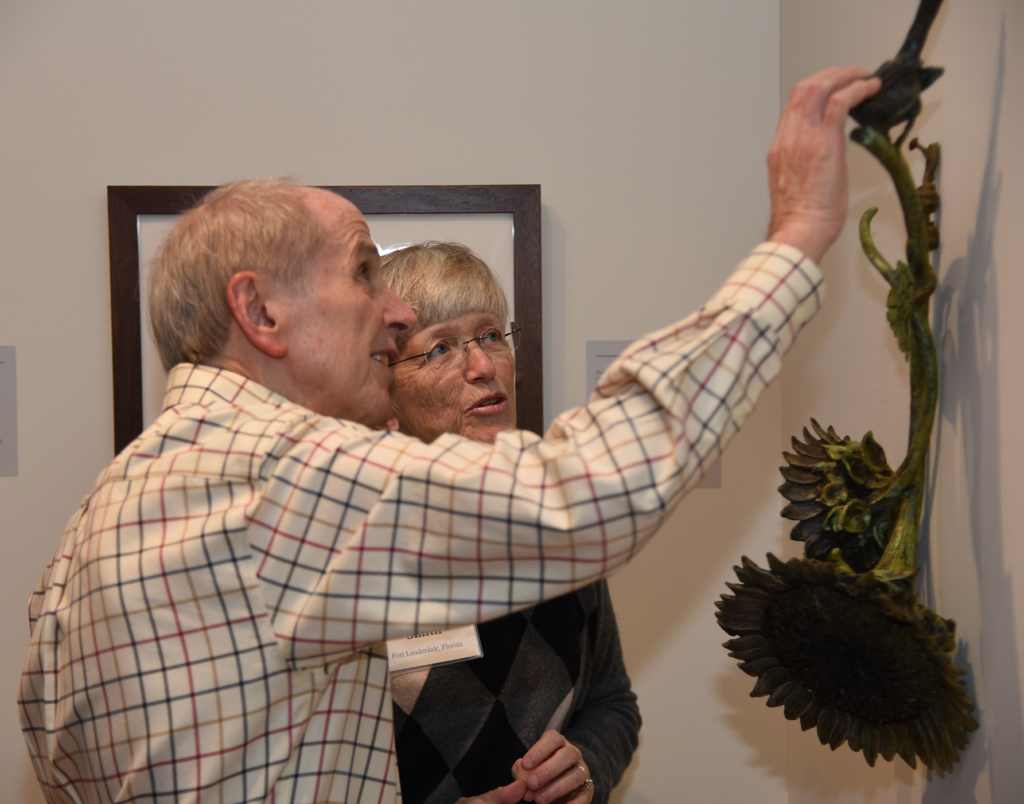
Joseph F. Smith has been legally blind since birth. He lost what little sight he had in his mid-30s, when he learned he had Leber congenital amaurosis (LCA). Thirty years later, genetic testing revealed a mutation in his CRB1 gene, a diagnosis known as LCA8.
More than 40 leading experts in ophthalmology and gene research gathered virtually for more than five hours in February to share research and patient perspectives on CRB1 and identify the next steps to advance treatment for the patient community.
The CRB1 gene provides the body with instructions for making a protein that plays an essential role in normal vision. This protein is found in the brain and the retina, which is the specialized tissue at the back of the eye that detects light and color.
Alice and Joe
While the biology for CRB1 is particularly complex, early research produced the discovery of a new version, or isoform, called CRB1b. Preclinical studies give rise to new questions as to whether CRB1a or CRB1b expression, or both, should be the target of a gene therapy. Click here to view the webinar.
In his letter, Joe wrote: “I won the CRB1 lottery 76 years ago and spoke briefly during the webinar.”
When we spoke to Joe by phone, he wanted to know what he could do to reassure parents of children who are blind or visually impaired that they can thrive.
Joe earned a law degree from Cornell Law School after graduating as a math major at Alfred University in upstate New York. He worked at the New York City Corporation Counsel’s Office in the Real Estate Tax Division for three years.
While working, Joe began his teaching career at New York’s Dominican College where he taught a business law course. He taught law at the University of Baltimore Law School in 1973, and three years later accepted a job at Fort Lauderdale’s Nova Southeastern University School of Law, where he became a tenured professor and taught for more than 30 years.
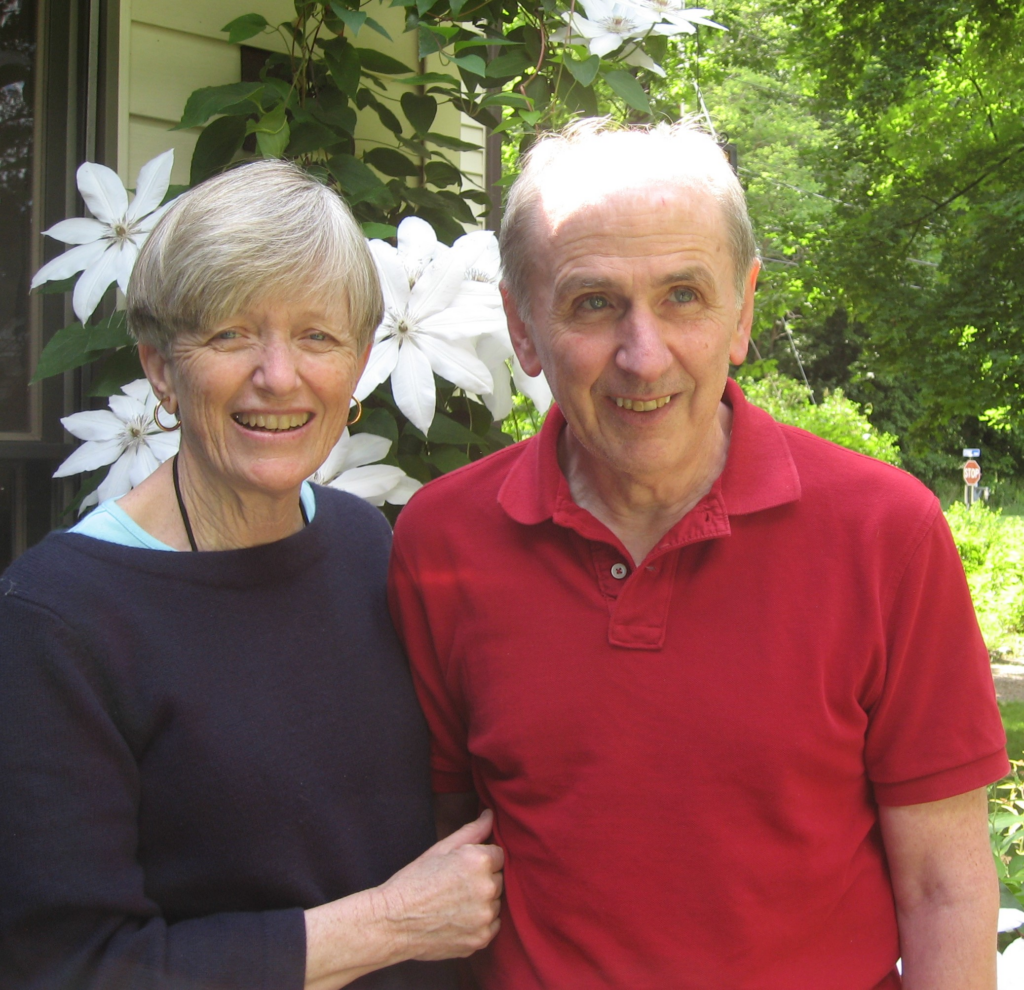
He is retired, living in Florida with his wife of 51 years, Alice.
The Importance of Learning Braille
Joe’s 76-year journey began long before the enactment of the Individuals with Disabilities Education Act and the Americans with Disabilities Act, Congressional civil rights legislation prohibiting discrimination and guaranteeing that people with disabilities would have the same opportunities as everyone else. He said he was fortunate to receive scholarships from an earlier version of the Rehabilitation Act of 1973 to fund his higher education.
People with vision difficulty or other challenges must still vigorously advocate for accessibility and equality, but those roads were even bumpier in the past.
Before retiring, Joe developed a course on the rights of people with disabilities. He also created a program in which he supervised students working for organizations providing services for people with disabilities.
He understands that ever-evolving technology greatly helps people with vision loss, but he is a proponent of learning braille.
“One thing I do think is very important is that a child who is losing sight or is blind needs to learn braille. I know many educators will say with accessible computers, cell phones, and recorded materials, braille is unnecessary. My simple response is, ‘All that technology is available to sighted people, but they still use pens and pencils.’
“If you learn braille, you have something to keep in your mind. You have a physical image of the written word.”
With CRB1, Supportive Parents and Friends
Joe believes much of the credit for his success goes to his blue-collar parents who did not graduate from high school.
“I can’t imagine what it must have been like for them to find out I was blind and with no explanation as to why.”
Early on he could distinguish basic colors and he can still see red and orange in his mind’s eye.
Growing up in the 1950s, “back in the dark ages,” Joe said his parents knew that the local Catholic school was not going to work for him because it offered no resources. His mother wanted to wait a year for him to go to first grade, but his father said no. A learning disability kept Joe’s dad back a year because he could not read, prompting him to quit school in eighth grade to play baseball.
“He knew that education was important.”
Joe attended Lavelle School for the Blind run by Dominican nuns in the Bronx, leaving home Sunday nights and returning Friday afternoons, through eighth grade.
Lavelle served Joe well, but he wanted to attend a regular high school – any school that would take him, as mainstreaming was not a big goal back then and schools were not obligated to accept students who were blind.
He went to Archbishop Stepinac High School in White Plains run by the Archdiocese of New York. His senior year, another blind student was accepted to the school.
Math books in braille were in short supply and books in general were hard to get, so his mom read to him – a lot.
His dad also rarely said no to him trying new things. He rode around the neighborhood on his bike, enjoyed daredevil sledding, and loved cars in high school. His dad took him to an empty parking lot and taught him how to drive a stick-shift.
But the pièce de resistance for this self-described car nut came when he slid behind the wheel of an automatic BMW for the ride of his life on the skidpad at a defensive driving school.
“Truth be told, my wife was taking the course, but the instructors snuck me out for an unforgettable hour of bliss.”
I guess what I’m trying to say is a child who is blind should be encouraged to develop interests in and to try activities, which, at first blush, might not seem suitable for a child with limited or no sight.
His best friend in grammar school read him comic books, and as they got older, car magazines. They didn’t go to the same school, but they managed to get into trouble together and often double dated.
He excelled in math and thought he might be an engineer, toyed with psychology, and after Alfred University, decided to go to law school.
Practicing and Teaching Law
Joe met Alice on a blind date in his second year of law school when she was a sophomore at New York’s Wells College. She earned a Bachelor of Arts and worked in the Criminal Division of the Legal Aid Society of Westchester County while pursuing her master’s degree in early childhood education at Manhattanville College. They married in 1970.
Joe did well in law school and said he knew if he were not blind, he would have received more than one job offer after graduation. He received many rejection letters, heard many excuses, and sometimes heard nothing at all after interviews.
Still, he almost did not interview for that one job offer; only after repeated urgings from different people, he did so and got the job at New York City’s Corporation Counsel’s Office, which already employed a blind lawyer in the Real Estate Tax Division.
Recounting his getting the job despite almost not interviewing, Joe invoked an ancient adage: “Luck is what happens when preparation meets opportunity,” words from Roman philosopher Seneca, reminding us that we make our own luck.
After three years of practicing tax law, Joe wanted to try something else, perhaps be a trial lawyer or a teacher. He and Alice drove out to Colorado where he planned to take the Colorado bar exam, but the day after they arrived, he was offered a teaching job at the University of Baltimore.
Before returning East, he and Alice goofed off and he learned how to ski, loving the feeling of freedom, and losing his fear of speeding down a mountain.
When they moved to Baltimore, Alice, who worked at the Baltimore Museum of Art, read for Joe from textbooks.
“Most importantly, from that time until I retired from teaching in 2007, she read all of my exams and papers to me.”
Getting a Confirmed CRB1 Genetic Diagnosis
Joe was diagnosed in his late 20s with retinitis pigmentosa (RP), but he thought it wasn’t correct for several reasons, including that people with RP lose peripheral vision and, in his case, he lost central vision.
Joe and Alice met Gordon and Lulie Gund while learning to ski at Snowmass in Colorado. The Gunds co-founded Foundation Fighting Blindness in 1971 to fund research for treatments and cures for blinding retinal diseases after Gordon was diagnosed with RP and ultimately lost his vision in 1970. He is a Foundation director and chairman emeritus.
Gordon came back into Joe’s life in the 1990s when he invited him to a Foundation dinner. There he met Iowa State University’s Edwin Stone, MD, PhD, who spoke of emerging research into gene therapy targeting a form of LCA and suggested Joe get genetically tested.
Joe and Alice
Joe’s genetic test showed his LCA was due do a mutation in his CRB1 gene, not the RPE65 gene, the focus of the research that led to the 2017 federal approval of LUXTURNA®, the first gene therapy for the eye or an inherited condition. People with LCA2 (RPE65) cannot make a protein needed by the retina to convert light into vision-enabling signals, which are sent to the brain. The breakthrough therapy involves injecting under the retina a human-engineered virus containing copies of a normal gene, so cells can express the protein.
In the CRB1 Research Update webinar, Joe said he was fortunate to have lived near a teaching hospital where he could learn about the cause of his blindness. In the Q&A, he asked where people with visual impairment should turn for help when living in rural areas with less accessibility to universities or large hospitals.
In answer, Ben Shaberman, Senior Director of Scientific Outreach and Community Engagement for the Foundation, said a team is working nationwide to educate eye-care professionals about LCA and other rare inherited retinal diseases (IRDs), so they can refer patients to specialists. He also encouraged people to email the Foundation at info@fightingblindness.org for contacts in the academic and medical worlds of retinal specialists and researchers.
Laura Manfre, Sofia Sees Hope Co-Founder and President, said people can follow the Foundation and Sofia Sees Hope websites for information and research news. They also can email their questions and concerns to info@sofiaseeshope.org.
As a lawyer, a law professor and a man diagnosed only a decade ago with CRB1, Joe said, “I’m not trying to paint an overly rosy picture of the challenges we face. I realize I am a minority, as I’ve been employed continuously from law school graduation to retirement. I also know with my class rank, I should have had more than just one job offer coming out of law school. At the same time, I realize that technology that was not available to me then has opened up many more opportunities for us …
“I guess what I’m trying to say is a child who is blind should be encouraged to develop interests in and to try activities, which, at first blush, might not seem suitable for a child with limited or no sight.”
Early research into a form of Leber congenital amaurosis (LCA) caused by mutations in the CRB1 gene – including the discovery of a new version of a protein expressed by the gene – shows encouraging possibilities toward developing gene therapy treatment.
Amy Laster, PhD, Vice President of Science and Awards programs for the Foundation Fighting Blindness, shared the research news as part of a recent LCA Research Update webinar, summarizing results of an earlier CRB1-associated retinal disease Scientific Advancement Workshop.
“There’s certainly momentum that the research is actively happening, and that the community wants to address outstanding issues,” Laster said.
Laura Manfre, Sofia Sees Hope Co-Founder and President, said more than 40 leading experts in ophthalmology and gene research gathered in one room for more than five hours to share research and patient perspectives on LCA8 (CRB1) and identify the next steps to advance treatment for the patient community.
Sofia Sees Hope and the Foundation Fighting Blindness created the Scientific Advancement Workshop with the objectives of widening the circle of research awareness into CRB1, building a framework or platform for sharing knowledge, fostering collaboration among stakeholders, identifying gaps, and setting priorities for action.
The route to approved LCA treatments consists of multiple, winding paths rather than one direct straightaway: No quick, easy solutions.
“For CRB1, in particular, the biology here is very, very complex,” said Manfre, who is also a member of the Foundation’s Board of Directors.
Referencing results of the workshop, Manfre displayed what she called a “celebration photo” of a smiling young girl hitting a piñata bursting forth with sprays of candy.
“What I want to communicate here is just how much of a celebration it is that we had this workshop. There are no simple, straightforward answers, but the really good news, or the celebration, is that this was one more step ahead in bringing the right people and all the very smart people together,” Manfre said.
CRB1 Preclinical Research
Laster described the gene therapy development path from research to treatment or cure. The path begins with basic knowledge of the gene and its functions and understanding the biology of the disease, which includes designing non-human research models and conducting Natural History studies.
Preclinical CRB1 research currently centers on understanding the biology of the mutation and working toward conducting a Natural History study.
Natural History study researchers observe clinical features in the absence of any treatment, gaining an understanding of myriad features, including the retina’s architecture and the patient’s visual function, sensitivity to light, and peripheral vision. The data provide knowledge and an independent understanding of the disease, while establishing an essential foundation for building drug development programs.
Later stages on the way to treatments and cures include designing clinical trials, selecting patients, predicting outcomes, setting measures for endpoints and outcomes, and conducting Phase I, II and III human clinical trials. The goal is U.S. Food and Drug Administration approval of a safe and effective treatment.
Laster shared news from the workshop that Jeremy Kay, PhD, found a new version, or isoform, of CRB1 called CRB1b.
Kay, Associate Professor of Neurobiology and of Ophthalmology at Duke University, found that the CRB1b protein is more abundant in human and mouse retinas than the first identified version, CRB1a.
“Unlike CRB1a,” Laster said, “the removal of the CRB1b causes a retinal degeneration in mice and this has not been shown before with the first identified isoform.”
The research gives rise to new questions as to whether CRB1a or CRB1b protein expression or both should be the target for a gene therapy, she said.
Duke University research news characterized Kay’s findings published in Natural Communications as “a game-changer in light of the critical progress, over the past few years, in the treatment of inherited retinal diseases …”
Laster referenced CRB1 research models and gene augmentation therapy studies by Jan Wijnholds, PhD, Principal Investigator in the Department of Ophthalmology at Leiden University Medical Center, Leiden, Netherlands. The findings by him and his team can be found here in Frontiers in Neuroscience.
She also discussed the work of Dr. Jacque Duncan, Professor of Clinical Ophthalmology at the University of California, San Francisco. Dr. Duncan is in talks with the Foundation about her interest in understanding the relationship between CRB1’s genotype and phenotype, or its genetic characteristics and physical characteristics.
“On the clinical side, in terms of actually conducting a Natural History study, there was a lot of enthusiasm about that,” she said. “The Foundation is in touch with Dr. Jacque Duncan about potentially moving forward with that.”
The Foundation, the largest private funder of research for treatments and cures of blinding retinal diseases, has raised nearly $800 million since its inception and funds more than 80 research projects globally. Laster oversees the organization’s preclinical research portfolio consisting of research awards in funding programs that support career development, laboratory-based science research, translational research, and multi-investigator program projects.
CRB1 Patient and Caregiver Survey
Todd Durham, PhD, also an organizer of the Scientific Advancement Workshop, said sharing CRB1 patient perspectives through survey answers marked one of the highlights of the workshop because it gave researchers insight to help focus their studies for treatments or cures.
In the survey developed by the Foundation Fighting Blindness and Sofia Sees Hope, 85 percent of the respondents have a profile on My Retina Tracker® registry, a free online registry that enables people with inherited retinal degenerative diseases, their doctors, and researchers to actively collaborate in the research process.
Durham, the Foundation’s Vice President of Clinical and Outcomes Research, said the CRB1 survey also showed patients received a clinical diagnosis at an average age of 13, while 24 was the average age for getting genetically diagnosed, showing a significant gap between the diagnoses.
The most reported worries were progression to blindness and concerns about employment. Most of the survey takers said they would participate in clinical trials, while many were concerned about the safety of the trials, the risks to remaining vision, and the potential for benefit.
People also were asked to describe their motivation for taking part in a clinical trial. A common thread to the responses, Durham said, was to help themselves see better and help others through research.
In a sampling of comments, one person wrote: “1. Cure the disease. 2. Have a more comfortable life. 3. Not feel different from the rest because of your visual impairment.”
Under the section “Anything Else to Share with Researchers,” a respondent wrote: “I feel the mental health impacts of a disability are overlooked a lot of the time.”
An Engaged CRB1 Community
In the question-and-answer session, an audience member asked where to go for information about CRB1, noting that his doctor had no idea about it. He said he felt lucky to live near a teaching hospital and could reach out for help but thought others may not be as fortunate.
Ben Shaberman, the Foundation’s Senior Director of Scientific Outreach and Community Engagement, said he understands that difficulty and he is part of a team educating eye-care professionals around the country. He encouraged people to email the Foundation at info@fightingblindness.org for contacts in the academic and medical world of retinal specialists and researchers.
Manfre said the CRB1 community is highly active and suggested that people join the new CRB1 Network on Facebook and check out the Resources page on the Sofia Sees Hope website that has a link to a CRB1 group called Curing Retinal Blindness Foundation. She said people can also find a strong Spanish-speaking community at Grupo CRB1 España y Latinoamérica.
She advised people to update their profiles on My Retina Tracker to help advance research and to follow the Foundation and Sofia Sees Hope websites for information and research news. You can email questions or concerns to Sofia Sees Hope at info@sofiaseeshope.org
Advocating for treatment and cures for rare diseases such as CRB1 takes a grassroots effort, Manfre said, requiring people to inform, support, and educate one another, and to continue sharing stories and reaching out on social media.
Gathering in groups such as this webinar, she said, also helps connect people and generate awareness that, in turn, advances research.
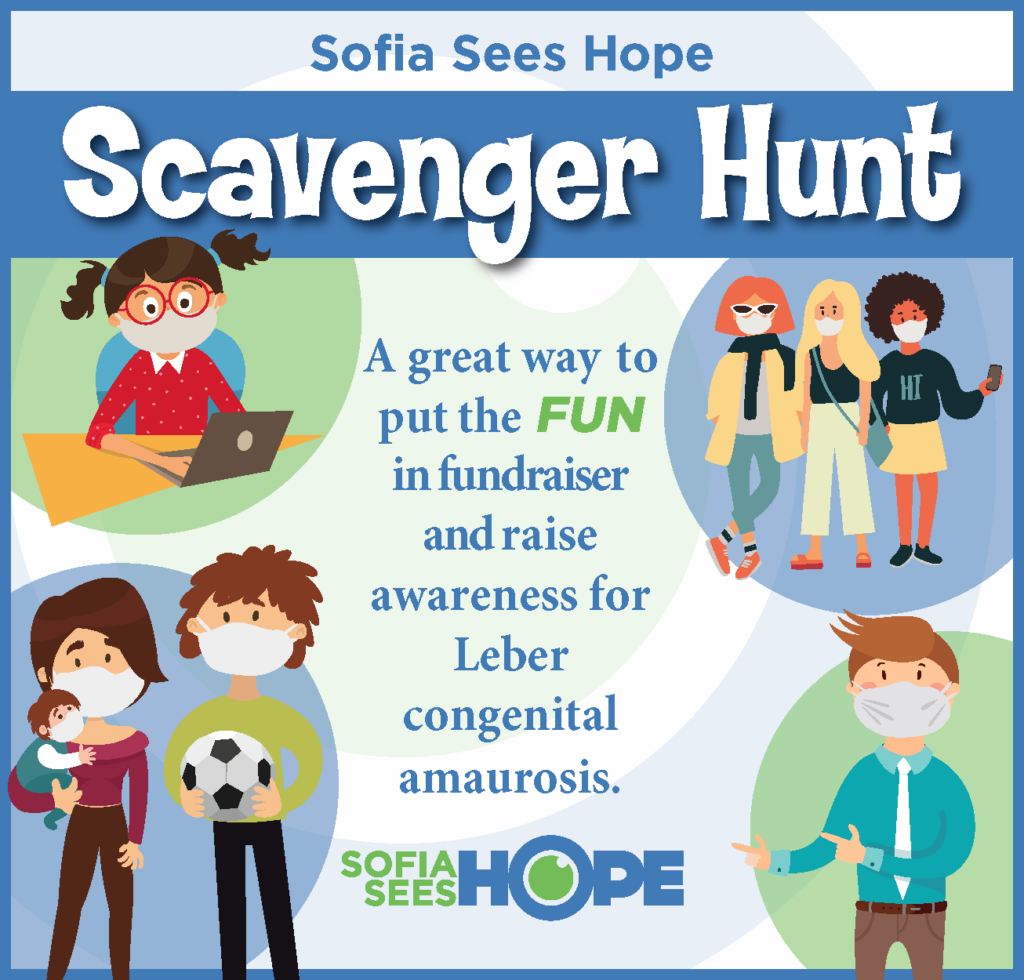
Welcome to the Sofia Sees Hope Scavenger Hunt! We are glad to meet you.
We are doing this to continue to raise awareness for rare inherited retinal disease and Leber congenital amaurosis, which is challenging during a global viral pandemic. We launched it last year because of the coronavirus crisis, when in-person fundraising went dark and we were unable to be with our family and friends in person. It was so fun that we are bringing it back this year, even as COVID restrictions are being lifted in many places. As always, we ask that you adhere to your local requirements, and practice social distancing and mask wearing where required or prudent.
Your entry fee will benefit Sofia Sees Hope, and the education, outreach and advocacy work we are engaged in. We will also make a donation from the entry fees to a 501(c)3 nonprofit of the winner’s choosing (up to $250)! This way you can help a charity in your community that is also doing important work.
The Scavenger Hunt is open to anyone around the world! The maximum number you can have on your team is 5 (five) but they don’t all have to live in the same house! This could be a fun way to stay in touch with friends or family.
The only equipment you’ll need is a smart phone that can take photos/videos and a Facebook account.
To be officially entered, you must fill out this Google form. Once we receive your entry, you will be emailed confirmation and a link to make your suggested minimum team donation of $100. (Here’s the official rules, etc. you need to know.)
The Scavenger Hunt runs from Friday, May 21 through Monday, May 31. On opening day, you will receive an email with the list of challenges. You must complete 10 (ten) of the challenges by 11:59 p.m. EST Monday, May 31 to be entered into the pool to win.
There will be 2 additional requirements in the game:
To begin, at least ONE member of each team must complete a quiz about rare disease. You will receive a link to the quiz in the confirmation email.
On the last day, Wednesday, May 20, at least ONE member of each team must share 3 facts about Leber congenital amaurosis or rare disease on their Facebook, Instagram or Twitter and tag Sofia Sees Hope (@sofiaseeshope on all platforms). It can be 3 facts included in 1 post, or 3 separate posts.
You will post all your photos and/or videos in this Facebook group as you complete challenges. Once you are confirmed as entered in the hunt, you will be invited to join the Facebook group. The group is private, meaning that no one outside it can see who is a member, or any of the posts.
And the winner is …
Every team that completes 10 challenges by the hunt’s end will be entered into a random drawing for the winner.
The winner will be able to designate a 501(c)3 nonprofit of his/her choosing to receive a donation from Sofia Sees Hope!
The winner will be announced Friday, June 4 in the Facebook group, on our public social media platforms, and notified by email.