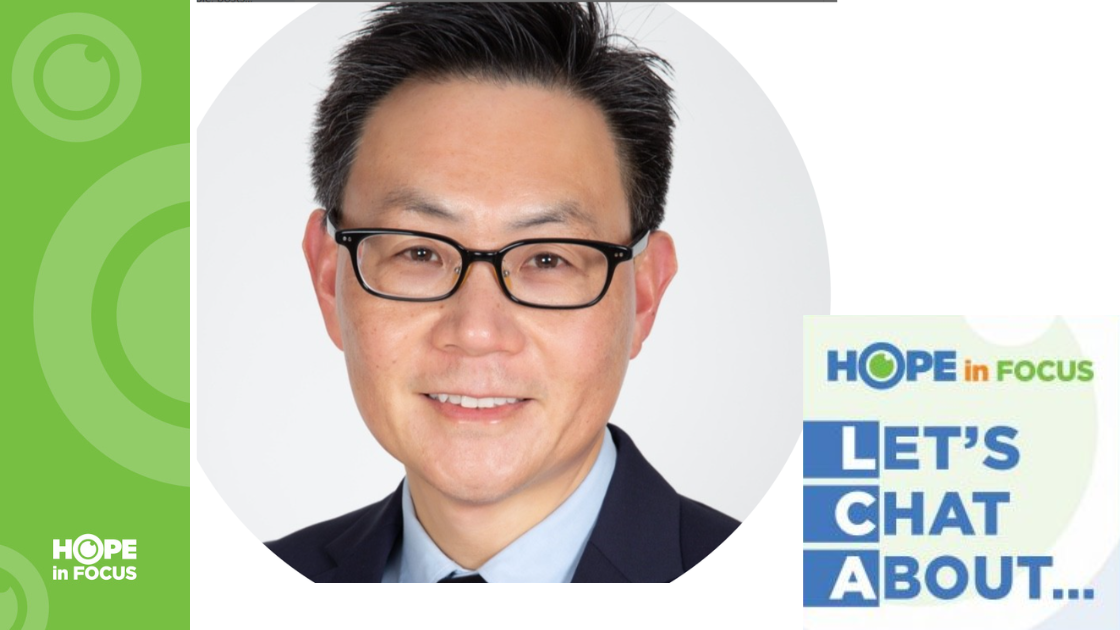
‘Let’s Chat About …’ Webinar Offers LCA Overview and Updates on Clinical Trials

In the debut of Hope in Focus (formally Sofia Sees Hope) ‘Let’s Chat About …’ monthly webinar series, Ben Shaberman of the Foundation Fighting Blindness, provided his Zoom audience with a plethora of information about Leber congenital amaurosis (LCA), highlighting some of the more than 40 clinical trials underway to find treatments and cures for LCA and other rare inherited retinal diseases (IRDs) and giving updates on promising preclinical research. 

The recorded webinar aired 1 p.m. Wednesday, Jan. 27, 2021, and can be seen here. Elissa Bass, our marketing and communications director, moderated the session.

Shaberman, Senior Director, Scientific Outreach & Community Engagement, stumbled across a science writing position at the Foundation Fighting Blindness 16 years ago without a clue about retinas or blindness. He called his move to the Foundation serendipitous. He knew he made the right choice after hearing retinal researcher Dean Bok, PhD, tell attendees at a 2005 Foundation conference how he was drawn to the field by the seduction of the retina’s myriad complexities and inner workings.

Shaberman, too, felt pulled by the intriguing science of the retina.

As such, so are the 27 forms of LCA that cause varying kinds of visual impairment within each gene mutation and within each affected person. An estimated 8,000 people in the United States have LCA.

The path of retinal research

Shaberman took his audience from the beginnings of identifying the RPE65 gene in 1993 and learning shortly thereafter it could lead to LCA, to using mice models and later studying Briard dogs that had the same gene mutation that caused LCA in humans. A clinical trial at Children’s Hospital of Philadelphia led to the 2017 FDA approval of the breakthrough gene therapy LUXTURNA®, developed by Spark Therapeutics. The drug successfully improved the vision of many of the LCA2-RPE65 patients who received the treatment through subretinal injections.

When children receive an LCA diagnosis, their families should find a good retinal specialist, get regular exams, and ultimately get a confirmed genetic diagnosis to be on the path to more specific information and research into that form of LCA, Shaberman said.

Families also should register with the Foundation’s My Retina Tracker®, a free and secure online registry that facilitates getting a confirmed genetic diagnosis by making registrants eligible for free genetic testing.

The registry becomes your personal retinal health record, updated by you. It employs state-of-the-art database technology to protect privacy and adheres to the highest standards of confidentiality and ethics. 

It also notifies registrants of clinical trials and gives researchers access to their disease data – not their personal information – to advance research and therapy development associated with LCA and IRDs. 

Reading research publications and attending events sponsored by the Foundation and by Sofia Sees Hope also provide opportunities for families to interact and learn the latest research. Shaberman and Bass encouraged people affected by LCA and their families to contact them, respectively, through the Foundation’s website and/or the Sofia Sees Hope website for specific information on clinical trials or other questions and concerns about living with LCA. 

“Yes, it’s work,” Shaberman said. “You have to be your own advocate and your own child’s advocate, but more and more information is becoming available, and that’s the good news.”

Shaberman also reviewed some of the more than 40 retinal clinical trials in the pipeline for LCA and other IRDs:

Join us Feb. 16

February’s “Lets Chat About …” webinar airs at 3 p.m. ET, Tuesday, Feb. 16. Our guest will be Wiley A. Chambers, MD, Supervisory Medical Officer for the Office of New Drugs, Center for Drug Evaluation and Research at the U.S. Food and Drug Administration. Register here.

ProQR Completes Enrollment for Next Phase of RNA Therapy for LCA10-CEP290

ProQR Therapeutics reached an important milestone by completing enrollment in the next pivotal phase of clinical trials of sepofarsen, a developing RNA therapy for treating LCA10, a form of Leber congenital amaurosis (LCA) with a mutation in the CEP290 gene

The biotechnology company based in Boston and in Leiden, The Netherlands, announced earlier this month that it finished enrollment in its Phase 2/3 Illuminate study of sepofarsen for treatment of LCA10 due to the p.Cys998X mutation in the CEP290 gene. 

LCA10 is a severe retinal dystrophy, causing blindness or severe visual impairment at birth or during the first months of life. The mutation affects about 2,000 people in the Western world

Sepofarsen is an antisense oligonucleotide (AON)  that works like “genetic tape” to fix the mutation. The therapy is unlike gene replacement therapies in which whole genes are delivered to replace defective copies. 

The drug aims to repair the genetic defect that causes the disease in the ribonucleic acid (RNA). The mutation leads to an aberrant splicing of a person’s messenger RNA (mRNA) and leads to a non-functional CEP290 protein. Sepofarsen is designed to enable normal splicing, resulting in subsequent production of functional CEP290 protein. 

Recruiting patients for clinical trials represents one of the biggest challenges in getting studies underway. The COVID-19 pandemic and concerns about spreading the virus presented an unprecedented challenge in and of itself. Pharmaceutical companies also have steered their focus from studies across the board as they raced toward developing and rolling out worldwide virus vaccines. 

Finding the required 33 LCA10 individuals for the Illuminate trial in a subset of a people with a rare condition was exceptionally challenging, and ProQR exceeded that requirement by enrolling 36 participants.

During the Phase 2/3 study, the 36 patients, ages 8 and older, are set to receive sepofarsen either in a dose expected to be used once the drug gains approval or a lower dose or a placebo. The 12-month clinical trial is intended to support an application for marketing approval of sepofarsen. The study is being conducted in the United States, Canada, Brazil, The Netherlands, Belgium, France, Italy, Germany, and the United Kingdom.

The drug is administered through intravitreal injections in the eye. It is also a platform for use as transformative therapies for treating Usher syndrome and retinitis pigmentosa (RP)

Top-line results in early 2020 from the Phase 1/2 clinical trial of sepofarsen in 11 children and adults revealed that 60 percent of patients had improvements in visual acuity and navigating a mobility course. The study, carried out in the United States and Belgium, also netted a super responder, a person who responded particularly well to the treatment. 

Laura Manfre, chair and co-founder of Hope in Focus (formally Sofia Sees Hope), said that as the parent of a child with an LCA diagnosis, she was told there was nothing that could be done and that her family needed to accept that their daughter would one day be blind.

“Now, in early clinical testing we have seen the potential for sepofarsen to make a significant difference for patients with LCA10 due to a mutation in the CEP290 gene,” she said. “We see hope for individuals living with this disease. We look forward to learning about the results of the Illuminate trial and continuing to work with ProQR as they advance their pipeline of RNA therapies to potentially help children, adults, and families who are affected by blindness caused by LCA and other rare inherited retinal diseases.”

Aniz Girach, MD, ProQR’s chief medical officer, said in a statement that the company was pleased to have completed enrollment of the Illuminate trial of sepofarsen.

“This marks an important milestone for ProQR, as well as for the LCA10 and broader inherited retinal disease community,” Girach said. “In surpassing our enrollment target, we were able to accommodate the broad interest to participate in the trial. This speaks to the fact that there are currently no approved treatments for patients with LCA10.

“If approved, sepofarsen has the potential to be the first therapy to address this high unmet medical need for patients who would otherwise face blindness, he said. 

“We are grateful to those who have supported our efforts in bringing this trial forward, including our investigators, patients, and caregivers. We look forward to sharing the top-line results in the first half of 2022.”

Reflecting on the Trajectory of IRD Research

When I joined the Foundation Fighting Blindness as a science writer in 2004, I really didn’t know what I was getting into. I knew nothing about the retina, let alone the complex and diverse world of rare inherited retinal diseases (IRDs) that includes Leber congenital amaurosis (LCA). But the research for treatments was cutting-edge and compelling, so I was excited to dive in and learn.

My early assignments were writing about laboratory studies coming out of academic labs. There were virtually no companies in the IRD space and only one or two clinical trials underway for emerging therapies. But there were a lot of studies of genetically engineered mice and rat models of IRDs for gaining a better understanding of disease pathways and testing potential treatments.

Truth be told, I often wondered if and when rodent-tested therapies were really going to make it into human studies and out to the people losing vision. But the scientists conducting the research were mind-blowingly smart and innovative, so I figured they knew what the heck they were doing. With a master’s degree in poetry, who was I to judge?

Fast forward about four years: I was in my hotel room in Fort Lauderdale – there for the annual Association for Research in Vision and Ophthalmology conference – when my manager called and told me three research groups just reported vision improvements in young adults treated with RPE65 gene therapies in Phase 1/2 clinical trials. That was the breakthrough we’d all been waiting for.

People, rather than animals, with severe vision loss were now seeing significantly better. It was the first time an IRD treatment had worked in humans. I will never forget the headline for the article I immediately wrote: “Now They See.” (Note: One of those RPE65 gene therapies later became LUXTURNA®, the first FDA-approved treatment for the eye or an inherited condition.)

After many years of painstaking work, our hope for treatments and cures had finally begun evolving into promise.

There have been several other aha! moments in the ensuing years, but I distinctly recall cathartic encounters at the 2019 American Society of Retinal Specialists in Chicago. As I perused the snack table during breaks (the accomplished snacking professional that I am), several representatives from biotechs developing IRD therapies – companies I’d never even heard of – came up to introduce themselves to me and tell me about their emerging IRD treatments. They didn’t know me or my role, nor had I previously known them; they were just eager to connect with someone from the Foundation Fighting Blindness to get on our radar screen.

I realized then I couldn’t keep track of all the companies (dozens) focused on IRDs and clinical trials (40-plus) underway for potential IRD treatments. But being overwhelmed felt incredibly good, and it meant more good news likely was on the horizon for saving and restoring vision.

While mouse studies are as critical as ever, I can’t remember the last time I wrote an article about one. That’s because most of my writing is now dedicated to reporting on advances, including encouraging vision improvements, being made in human studies.

Make no mistake: Much more work needs to be done before we eradicate the myriad IRDs affecting millions of people across the globe. And, of course, we cannot get more therapies across the finish line fast enough. But when I look at how incredibly far we’ve come since those early days of mice and rats, I have no doubt we are well on our way to breaking many more ribbons soon.

Nearly Three Years Later, LUXTURNA®™ Treatments Continue to See Success

Since its launch in March 2018, breakthrough gene therapy LUXTURNA®™ continues to be successful in helping improve vision in people with inherited retinal disease due to mutations in both copies of the RPE65 gene and viable retinal cells as determined by a healthcare professional. The therapy treats LCA2, known as LCA/RPE65, one of more than 25 forms of Leber congenital amaurosis

The drug – developed by Spark Therapeutics and a team of retinal research superstars that included Dr. Katherine A. High  and Dr. Jean Bennett – came to fruition after 12 years of research and millions of dollars in investment. 

Spark Therapeutics could not comment on the number of people who have received the gene therapy, but spokesman Kevin Giordano recently said the company has shipped well over 200 vials of the therapy since the U.S. Food & Drug Administration approval in December 2017. One vial of the drug treats one eye.

Trained retinal surgeons at one of the 10 eligible treatment centers in the United States deliver the gene therapy to the back of the eye by subretinal injection using a needle the size of an eyelash; about a week or so later, the patient undergoes the procedure in the other eye.

Read: 10 US Centers Offering Treatment

“Spark Therapeutics is thrilled patients continue to benefit from LUXTURNA (voretigene neparvovec-ryzl),” Giordano, Spark’s External and Product Communications Lead, said. “A gene therapy is a major milestone, not only for those of us at Spark, but also for the patient community and broader gene therapy field.”

The cost of the drug – $425,000 for each eye – initially caused anxiety among patient families, but Giordano had good news about insurance coverage.

“Payer coverage has exceeded expectations, and to our knowledge no treatment-eligible patient has been denied treatment due to their insurance coverage,” he said.

LUXTURNA also is being used beyond this country through license and supply agreements with Novartis, which has the rights to commercialize the drug in Europe and all other markets outside the United States. Spark manufactures and supplies the gene therapy to Novartis, according to Giordano.

Also, results from ongoing studies continue to support the drug’s safety profile and efficacy.

“In 2019, Spark presented four-year durability data from the LUXTURNA Phase 3 clinical trial,” Giordano said. 

Read: LUXTURNA safety information

For privacy reasons, Spark Therapeutics cannot share patient results.

But we can – at least a couple of them because they came from patients and families sharing their stories with us.

For Hannah, ‘Hope Realized’

Hannah Reif, daughter of Amy and Chris Reif of Maple Glen, PA, underwent LUXTURNA gene therapy in July 2018. Dr. Albert M. Maguire, who is married to researcher Dr. Bennett, performed Hannah’s surgery at Children’s Hospital of Philadelphia (CHOP).  

Hannah with a big smile, wearing a light blue green coat and holding a drink
Hannah Reif

“We closely watched the clinical trials and the FDA approval process for seven years, starting when Hannah was diagnosed with LCA/RPE65 at just a few months of age,” Amy said. “Seven years of hope. 

“Two years out from Hannah’s surgery, I can say we feel grateful and fortunate that she was treated with LUXTURNA. No regrets. LUXTURNA was hope realized. It delivered what it promised.”

She said what that has meant for Hannah has been nothing short of life changing.

“It has given her more independence, which has been wonderful for her self-confidence. It has given her the ability to see what she couldn’t before.”

Since the surgery, Hannah’s vision in dim lighting and her visual acuity improved. She is now 9 and just finished third grade. 

Sometimes, her mom said, it’s the little things that are the most amazing.

“A year after the surgery, she was about to eat hot oatmeal and said, ‘Hey, I see steam. Hey, I can see that,’ ” Amy said.

“There are still things that pop up that she’s seen for the first time, like when she said, ‘Mom, did you know there’s a pattern on this toy?’ It’s fun to see her discovering.”

Amy said she and her family will be forever grateful to Dr. Bennett.

“There has been a lot of talk about heroes recently and Dr. Bennett is our hero. We are grateful for this groundbreaking treatment that she developed, that has been life-changing, not only for our daughter, but also for the sons and daughters and loved ones of so many others as well.”

‘His Vision Changed Everything’

Creed Pettit, one of the first recipients LUXTURNA, received the gene therapy at age 9 in March 2018. Dr. Audina M. Berracol  performed the surgery at Bascom Palmer Eye Institute in Miami, Fla.

His mom, Sarah St. Pierre Schroeder, told us that her now-11-year-old is doing amazing and only occasionally has issues with dim lights, “but nothing like before.”

Their days in Mount Dora, Fla., have changed in a major way.

“He still starts his day with his trusty smoothie and waffle, but after that, Creed wants to create new pranks (today was putting ice in the tub). He said it was nice and warm so I could soak my feet.”

Creed in blue glasses, holding his Uno Cards
Creed Pettit

Creed now loves to play board games – Trouble, Sorry, Battleship and Uno. 

“His vision has changed everything. He can manipulate small objects, he is using pointer fingers, and loves trying to roll his eyes in the mirror.”

Creed still likes to draw, and he loves riding and popping wheelies on his bike named Carlitos. He also likes to talk.

“Talking more is an understatement! Sunup to sundown, he is talking. He has also learned how fun it is to use his imagination, something he never did before. He creates awesome stories during this time.  He is so much more independent; I have to remind myself of that often.”

At first, she and her husband, Chad, could see that Creed’s vision improved some, but once he became confident about his gene replacement, they noticed him finding toys and games.

“He was suddenly enjoying things he didn’t before. He now expresses when he can’t see. Yesterday it rained all day, I kept waiting for him to tell me it was too dark inside, but he was fine. He just started doing staring contests. I love looking at his eyes during the contest.”

Sarah said she is incredibly grateful.

“Creed’s surgery is something we still thank God, St. Raphael, St. Lucy and Sister Miriam Teresa, for every night.” 

Like many kids across the country, Creed finished school at home because of the coronavirus pandemic. He graduated from fifth grade and thought because he finished school at home, he wouldn’t have to wear the graduation cap.

“But I was not going to let that slide,” his mom said. “I made one and took pictures.”

Throughout his journey, though, Creed felt anxious, something Sarah had learned that might happen when, before Creed’s surgery, she talked with Tami Morehouse, a LUXTURNA clinical trial participant at age 44.

Tami, a Sofia Sees Hope Ambassador, tries to calm fears and advises potential gene therapy patients and their parents that even though undergoing the surgery has the potential to do such good by improving vision, they should think about their expectations, especially with children.

“We are comfortable in our own zone; give us a little bit of change and it can throw us off,” Tami said.

Sarah understands. 

“He started to have a lot of anxiety. He had a hard time sleeping. I feel everything changed so fast that he was overwhelmed, but we have worked hard on getting past that.”

Sarah and her family are in a great place now. But after they were home from the hospital in Miami and settled into their routine, she said she became very emotional.

“All the tears I had held in for nine years started to come out. I felt I no longer had a purpose; I was so used to staying busy. I did not know who I was supposed to be.” 

She got some help and realized she still was needed because people need her help learning about and understanding this groundbreaking gene therapy.

“I still find myself shocked over how this has changed Creed’s life and so many other lives.”

All About Clinical Trials

Clinical trials are never done in a vacuum, or in a medieval basement where Dr. Frederick Frankenstein (pronounced Fronkensteen), his pretty lab assistant, Inga, and faithful houseboy, Igor, create a monster. 

While the creature from the 1974 movie “Young Frankenstein” turns out to be somewhat civilized, (see Gene Wilder as the young doctor and Peter Boyle as the monster doing the soft-shoe in white tie and black tails to “Puttin’ on the Ritz”), a caption above that lab team in a slide shown at the Hope in Focus (formally Sofia Sees Hope) second LCA Family Conference cautions: “Regulatory Oversight is Critical!”

Humor credit goes to Ben Shaberman, Senior Director of Scientific Outreach and Community Engagement for Foundation Fighting Blindness. He moderated a four-member panel discussion in a session called “All About Clinical Trials” at the July conference in Philadelphia. Shaberman reports on retinal research for the Foundation’s print and electronic publications. He also presents scientific advancements at local and national events and enjoys working with constituents to help them understand their retinal disease and current research that may benefit them.

Making sure trials are safe

Dr. Wiley Chambers II, MD headshot
Dr. Wiley Chambers II, MD

Panelist Dr. Wiley A. Chambers, the U.S. Food and Drug Administration’s Supervisory Medical Officer in the Office of New Drugs, said terrible outcomes can happen in trials not approved and regulated by the FDA. 

Dr. Chambers previously cited a disastrous case in which a 77-year-old woman traveled to an alleged clinic to have “stem cells” injected in her eyes in the hope of a cure or at least help for her macular degeneration. The procedure entailed separating “stem cells” from the woman’s belly fat and injecting them into her eyes to supposedly regenerate tissue. Not covered by insurance and not federally regulated, the procedure cost almost $9,000 and caused her vision to badly deteriorate after her retinas peeled away from her eyes.

The FDA assigns an Investigational New Drug (IND) number to every legitimate clinical trial.

“Just be careful when you go to a clinical trial or a physician that it is a legitimate trial,” Dr. Chambers said. “If they can’t give you an IND number, then walk away.” 

The website Clinicaltrials.gov includes trials that do have an IND number and unregulated trials that do not have an IND number. Avoid them. One must specifically ask if they have been issued an IND number, signaling the federal OK to proceed with clinical studies that happen in three phases.

Dr. Chambers also noted that trials are not for the benefit of participating patients. At the heart of a clinical trial is that researchers do not know what’s going to happen. A key word here is equipoise – a balance or counterbalance – of something. 

“We do the clinical trial and find out, does this have some efficacy and is it safe?”

Clinical trials tell as much information as possible, balanced with a doable study and doable patient commitment.

“It’s a balancing act,” he said. “The trials are to help inform people afterward.”

Research studies in humans are for potential therapies; they take 10 years or more to complete and can cost tens or hundreds of millions of dollars.

It took 12 years and $500 million to research and develop LUXTURNA™, an engineered virus delivered by subretinal injections of the human RPE65 gene, a gene that, when mutated, causes a form of LCA called LCA2 (RPE65-LCA). 

Tami in a pink shirt and Michael besides her in a bright orange shirt sitting at the 2019 LCA Family Conference
Tami and Michael Morehouse

Panel members Tami Morehouse and her husband, Michael, experienced firsthand what it feels like to take part in a Phase 1/2 LCA/RPE65 gene therapy trial. Intervention at earlier ages can offer better results with degenerative diseases like LCA and other inherited retinal diseases (IRDs) because photoreceptors diminish with age. 

The Cleveland-area couple talked about Tami’s pioneering experience as the oldest person, at 44, to take part in the LUXTURNA trial and regain some vision.

“It’s a huge, life-changing event for us,” Michael said.

Walking in Philadelphia three days after her first injection, Tami asked her husband if a building up ahead had stripes on it. Turns out, it was a parking garage with spaces between levels appearing as solid stripes. Before the injection, she could not see any part of the parking deck; her ability to discern solids and stripes meant the treatment already began improving her vision.

Tami had some vision in college and walked across the graduation stage by herself.  Michael described her progressive vision loss as, “Go on, go on, big drop; go on, go on, big drop; no diagnosis.

“She was on a path to darkness and she knew it,” he said.

He heard Jean Bennett, MD, PhD, on a Sunday radio show talking about her retinal research on the emerging therapy that came to fruition as LUXTURNA. He called her office early the next day, and said to the audience, “Guess who answered the phone?” (Here’s a link to a story on Dr. Bennett’s presentation at this conference.)  

Seven months later they received an email from Dr. Bennett, with the subject line: “Are you ready?”

Dr. Bennett conducted the studies with her partner in research and in marriage, Dr. Albert M. Maguire.  

In answer to a question about what she was thinking before beginning the trial, Tami said, “I don’t want to go totally blind.”

“In all honesty, I never thought that I’d ever have a shot at seeing … I kind of underestimated my possibilities. I became a much more functional person in day-to-day living. I would see who’s approaching. See my kids, my (softball-playing) daughter dancing off third base, taunting her catcher. 

“I got way more than I anticipated.”

Tami is part of the Sofia Sees Hope Family Connections program, calming fears and sharing her experiences with many patients along the way, including very young ones. 

“Even though huge strides have been made in clinical trials, they’re very frightened, they’re very nervous. 

“Jean and Albert explained so much; they relieved my fears in such a way that I’ve been able to transmit that to families, to moms. It’s a lot of pressure for some moms. 

“Just being able to say that it won’t hurt when Dr. Maguire inserts a needle in your eye because you’re out like a light; that is a beautiful thing because you don’t even know what’s happening to you.”

Tami advised potential surgical patients and their parents that even though undergoing surgery has the potential to do such good by improving vision, they should think about their expectations. “We are comfortable in our own zone; give us a little bit of change and it can throw us off.”

“If mom and dad or older siblings are calmer, the children are going to be more comfortable, too.”

Panelist Dr. Michel Michaelides, a founding member and head of clinical ophthalmology at MeiraGTx based in New York City and London, said clinical trials impact the daily lives of study participants because they’re required to undergo multiple tests, many of which, he said, are boring and tedious.

“We spend a lot of time letting people know what they’re really in for.”

Black and White headshot of Dr. Michel Michaelides
Dr. Michel Michaelides, a Founding Member and Head of Clinical Ophthalmology at MeiraGTx

Dr. Michaelides is the Principal Investigator of four interventional clinical trials and has 10 ongoing ethically approved studies. He is Professor of Ophthalmology at London’s UCL Institute of Ophthalmology in the Department of Genetics and Molecular Therapy, and Consultant Ophthalmologist at Moorfields Eye Hospital in the Departments of Inherited Eye Disease, Medical Retina and Pedriatric Ophthalmology.

Moderator Shaberman asked him what he says about therapy options to people who have lost a lot of vision. In advanced cases of vision loss, Dr. Michaelides said, optogenetics might be a relevant course of action. Optogenetics is the science of making cells in the retina that do not normally detect light, become light sensitive, and thereby aim to replace the lost light-sensitive cells (rods and cones/photoreceptors).

“The idea is to make cells that are not light sensitive, (be) light sensitive.”

Another course is retinal implant technology, also known as the “Bionic Eye” or “Artificial Vision,” in which doctors insert a light-sensitive microchip into the retina to provide a way to detect light. These implants can be placed on the surface of the retina (epi-retinal implants) or underneath the retina (sub-retinal implants). He also suggested the use of internal or external cameras with these implants, saying, “I think there’s going to be greater development in that area.”

Another avenue is stem cell therapies (cell therapies), in which donor cells could be used to grow fresh retinal cells for transplantation into the eye to replace lost cells. 

He also is involved in the development of therapies using stem cells to replace lost light-detecting retinal cells. He has been Principal Investigator of the first ocular stem cell therapy trial, which involved transplanting retinal pigment epithelial cells (non-light-detecting cells) in patients with advanced Stargardt Disease

His clinical trial for a potential LCA4 (AIPL1-LCA) therapy currently is recruiting participants.

Dr. Michaelides’ ocular research comprises 300 peer-reviewed publications and 25 book chapters. One of those research papers came into focus at the LCA conference in July, where an audience member – a mother of a child with LCA2 (RPE65-LCA) – told her story.

“Even after an ERG (electroretinography),*” she said, “nobody told us it was LCA.” 

She said reading one of his research publications on RPE65 put her family on the right track.

“That’s what we took to our doctor,” she said. “So, you’ve been really important to our journey.”

Retinal Disease Gene Therapy Breakthroughs Trace Their Roots to 19th Century Research

Theodor Karl Gustav von Leber would be proud. So would Adolphe Franceschetti and Carl-Henry Alström

Their research from the 19th and 20th centuries laid the foundation for groundbreaking gene therapy to treat Leber congenital amaurosis (LCA) and other rare inherited retinal diseases (IRDs). Translational research focused on LCA helped bring forth unprecedented numbers of genetic clinical trials now underway for IRD treatments and cures.

Dr. Tomas S. Aleman, associate professor of ophthalmology and director of the Hereditary Retinal Degeneration Clinics at the Perelman Center for Advanced Medicine and the Center for Advanced Retinal and Ocular Therapeutics at the University of Pennsylvania, discussed the beginnings of research into retinal degeneration as part of his presentation at the Hope in Focus (formally Sofia Sees Hope) second LCA Family Conference in Philadelphia last summer.

Dr. Aleman joined three panelists in a conference session called “One Disease, Many Approaches,” moderated by Brian Mansfield, PhD, executive vice president of research and interim chief scientific officer for the Foundation Fighting Blindness

In a research paper published in 1871, Dr. Theodor Karl Gustav von Leber recognized early-infancy severe retinal disease with pupils that are “amaurotic,” related to amaurosis, meaning dimming, darkening, dark or obscure. Amaurotic pupils do not relate to light normally, expanding and contracting more slowly than normal or not responding to light at all. A large group of early-onset inherited retinopathies causing blindness carry his name as Leber’s Congenital Amaurosis. 

“His descriptions still endure,” Dr. Aleman told his audience of more than 80 people from across the country and Mexico.

The evolution of research

Dr. Tomas S. Aleman, associate professor of ophthalmology and director of the Hereditary Retinal Degeneration Clinics at the Perelman Center for Advanced Medicine and the Center for Advanced Retinal and Ocular Therapeutics at the University of Pennsylvania

Dr. Adolphe Franceschetti authored more than 500 articles throughout his life (1896-1968), realizing the retinal origin of the blindness and working on ocular genetics, Dr. Aleman said. A specific behavior comprised of poking, pressing and rubbing the eyes with a knuckle or finger to mechanically evoke perception of light is called Franceschetti’s oculo-digital sign and is characteristic of LCA. Researchers suspect this behavior in affected children may contribute to deep-set eyes and keratoconus, a condition in which the normally round cornea thins and bulges into a cone-like shape, causing distorted vision.

Dr. Carl-Henry Alström confirmed that LCA is genetic in nature, and he is credited with recognizing in the 1950s syndromic forms of LCA and other early-onset retinopathies such as Bardet-Biedl Syndrome, a rare genetic disorder with highly variable symptoms that may include retinal degeneration, obesity, reduced kidney function and many other features.

LCA occurs in 1 in 30,000 to 1 in 80,000 people and makes up 5 percent of all retinal dystrophies. Twenty percent of children with visual impairment and attending special schools have LCA.  

LCA, thought of as one disease until 40 years ago, now consists of more than 27 forms.

“It’s a large pack of diseases,” Dr. Aleman said.

He characterized LCA as a molecularly heterogenous or diverse group of diseases with most primary disease location within the cells that perceive light or photoreceptors. Dr. Aleman detailed the complexities of clinical exams, vision testing and the spectrum of severity of vision loss observed in LCA. One such scenario, known as structural-functional dissociation, occurs when the loss of vision is disproportional to the loss of photoreceptors and is frequently seen in LCA, particularly very early in life. Such scenario represents the ideal for gene corrective treatment strategies. 

RPE65-LCA studies led by a group of researchers at the University of Pennsylvania dating back to the late 1990s solidly demonstrated LCA could be treated. Dr. Aleman  cited the importance of the translational research and clinical trials that led to federal approval of LUXTURNA™, a gene therapy treatment for LCA2 or RPE65-LCA, saying other, more frequent and neglected diseases have gotten attention through the RPE65 story.

He singled out two researchers, Jean Bennett, MD, PhD, who joined him on the conference panel, and her partner in research and marriage, Dr. Albert M. Maguire. He pointed out that their foresight and drive pushed research beyond the initial gratification granted by the spectacular results of early multi-institutional RPE65 gene therapy trials, to fulfill the practical need of an approved treatment for use in the clinic. The treatment, which produces dramatic gains in visual sensitivity, is the first and is, to date, the only gene therapy product approved for clinical use for an inherited retinal disease in the United States and Europe.

More patients have been treated with LUXTURNA since its approval in December 2017 by the U.S. Food and Drug Administration than those who received the medication during the clinical trials.

“I like to think that if it wasn’t for Jean and Albert, we wouldn’t be where we are today,” he told the gathering of patients, patient advocates, family members, researchers, doctors and biotechnology leaders.

Having one retinal gene therapy approved for use in the clinic, 900 patients enrolled in trials across 30 sites, and progress on therapies for the most severe forms of LCA, Dr. Aleman said, “That should stimulate ourselves to continue.”

He noted that much work remains to be done: LCA has not been cured, and researchers do not have a solution for every type of LCA. Gene therapy may not be enough for every patient or form of LCA, and the potential outcomes after treatments should not be expected to be the same across the heterogeneous group of diseases under the LCA umbrella.

In closing his presentation, Dr. Aleman posed three questions regarding LCA treatment and research: 

  • Can we treat hereditary retinal degenerations/LCA? “Yes, the answer is yes.
  • Can we defeat LCA? “And the answer is also yes.” 
  • Do we have the tools and people to do it? “The answer is also yes.”

In her presentation, Dr. Jean Bennett described how the RPE65 gene, when mutated, causes LCA2 or RPE65-LCA. In early research, Briard herding dogs that carried the mutated gene gained improved vision after receiving subretinal injections of an engineered virus of the human RPE65 gene. The treatment works by encoding an enzyme that converts light into electrical signals interpreted by the brain.

Dr. Bennett was one of the first investigators to use viral vectors, in which a virus is used as a vector or carrier that is genetically engineered to deliver the gene to specific cells in the retina. She is professor of ophthalmology at the Center for Advanced Retinal and Ocular Therapeutics and the F.M. Kirby Center for Molecular Ophthalmology at the Perelman School of Medicine. Please see a related story detailing her conference presentation

Pam Stetkiewicz, PhD, vice president of program management at Editas Medicine, described a different approach using gene editing technology developed by Editas. The treatment uses molecular biology to create genomic medicine that precisely edits – by locating and removing – the targeted mutation in LCA10 or CEP290-LCA. She said the technology builds on the foundation inspired by Dr. Bennett’s gene replacement therapy.

Pam Stetkiewicz, PhD, vice president of program management at Editas Medicine

Editas Medicine, based in Cambridge, Mass., in partnership with Allergan, based in Dublin, Ireland, use CRISPR/Cas9 gene-editing technology to accomplish DNA editing. The treatment, called EDIT-101, cuts out the mutation and is delivered to photoreceptors by subretinal injection. The editing permanently corrects the original, non-functioning protein essential for vision.

Dr. Stetkiewicz said Editas hopes to use the medicine to treat LCA10. Additionally, the company is developing experimental medicines to treat Usher Syndrome 2A and Retinitis Pigmentosa, among other IRDs. Editas is also working to develop engineered cell medicines to treat cancers and blood diseases, including Sickle Cell Disease

The FDA approved the company’s 10,000-page data package, securing the required Investigational New Drug (IND) application to begin clinical studies with EDIT-101 in humans.

Editas and Allergan currently are recruiting patients with CEP290-LCA for a natural history study that will create the basis to test safety and efficacy in the Phase 1/2 clinical trial of EDIT-101.

Dr. Stetkiewicz said preclinical data shows that EDIT-101 is well-tolerated, efficacious and safe. Measurement of editing intended DNA versus unintended DNA is called specificity. Human retinal explants, pieces of tissue cultured for growth, treated with EDIT-101 resulted in a high level of intended editing with zero unintended editing, meaning the treatment has an excellent genomic specificity profile.

“So, we’re thrilled with this result,” she said. 

Phase 1/2 clinical trials will begin in the second half of this year with 18 patients age 3 years and older at clinical sites in Massachusetts, Florida, Oregon and Michigan.

Michael Schwartz, M.S., MBA, is vice president of ophthalmology at ProQR Therapeutics and is the global project leader for Sepofarsen (QR-110), an RNA therapy under development.

Panelist Michael Schwartz, M.S., MBA, is vice president of ophthalmology at ProQR Therapeutics and is the global project leader for Sepofarsen (QR-110), an RNA therapy under development. 

ProQR, based in The Netherlands with offices in Cambridge, Mass., is developing an antisense oligonucleotide (AON) product, Sepofarsen (QR-110), designed as a disease-modifying therapy for LCA due to the c.2991 +1655A>G mutation (p.Cys998X) in the CEP290 gene. The company is developing AON products, which are RNA therapies primarily for ophthalmic inherited disease. AON are short, single-stranded RNA molecules that interact with messenger RNA to prevent translation of a targeted gene.

Sepofarsen works like genetic tape to block the mutation p.Cys998X in the CEP290 gene.

To help understand what this means, Schwartz presented background on DNA, RNA and LCA:

The body comprises many different cells, and we have DNA in each of these cells. DNA contains many instructions for making all the different proteins, which are important building blocks needed by a cell.

When the cell needs a building block, it first copies instructions to a shorter blueprint called RNA; the RNA is then used to guide how to make a new protein, like CEP290. Together, these different proteins make sure the cell works as it should, resulting in normal vision.

But things don’t always go right. Inherited diseases are caused by mistakes in the DNA, and then these mistakes are copied into the RNA, as in the p.Cys998X mutation in CEP290.

This means that the proteins also will have the mistakes in them. They can’t work properly, and the cell cannot function as it should. This is what causes LCA.

He also detailed the workings of RNA therapies, saying they consist of short RNA molecules, with the aim to repair the mutation in a patient’s RNA – without changing the DNA – and to restore the function of the protein and the cell to hopefully improve vision.

A normal CEP290 protein maintains cilium structure in the photoreceptors of the retina and enables normal protein transport to the photoreceptor outer segment.

The CEP290 p.Cys998X mutation creates an environment that results in an aberrant exon that disrupts the splicing code of genes by truncating the CEP290 protein, ultimately leading to the degeneration of the photoreceptor cells.

Sepofarsen, delivered by intravitreal injection, blocks the recognition of the aberrance, and that results in favoring production of normal protein. 

“We can actually reverse the phenotype of that mutation,” Schwartz said.

ProQR is finalizing interim results of its ongoing Phase 1/2 trial involving 11 people from ages 8 to 44. Schwartz said most of the patients had clinically meaningful improvement. The company’s Phase 2/3 trial began, with the first patient dosed in April. The 24-month trial expects to enroll 30 patients.

He cited an exceptional patient responder in the Phase 1/2 trial in which an adult with only light perception vision before the trial could now read letters on the eye chart.

“They said they could see things out of the treated eye that they had not seen for decades.”

Dr. Jean Bennett: ‘Seeing the Light with Retinal Gene Therapy’

Known as a pioneer in gene therapyJean Bennett, MD, PhD, surveyed her audience of patients and families living with Leber congenital amaurosis and declared: “YOU are all the pioneers!”

Dr. Bennett, addressing more than 80 people from 15 states and Mexico at the Hope in Focus (formally Sofia Sees Hope) second LCA Family Conference, characterized the meeting as a great place to reach out to patients to participate in clinical trials. Researchers normally recruit study patients through advertising.

Along with families living with LCA and other inherited retinal diseases (IRDs), people attending the summer conference in Philadelphia included patient advocates, doctors, researchers and biotechnology industry leaders.

Dr. Bennett is Professor of Ophthalmology at the Center for Advanced Retinal and Ocular Therapeutics and the F.M. Kirby Center for Molecular Ophthalmology at the Perelman School of Medicine, University of Pennsylvania. She gave her presentation as part of a conference session called “One Disease, Many Approaches.”

Viral Vectors Key 

Dr. Bennett was one of the first investigators to use viral vectors, in which a virus is used as a vector or carrier that is genetically engineered to deliver the gene to specific cells in the retina.

Lancelot, a golden colored dog standing on the steps with the U.S. Capital behind him
Lancelot on steps of the U.S. Capitol.

She emphasized that LUXTURNA™, the breakthrough genetic treatment she and her colleagues developed at Children’s Hospital of Philadelphia (CHOP) and Spark Therapeutics, began with the successful treatment of a special being: Lancelot, the first in a line of Briard herding dogs, who helped drive research to bring to market gene therapy that improved vision by focusing on a particular mutated gene.

Dr. Bennett and her colleagues studied Lancelot and the other dogs after learning that a veterinary ophthalmologist had identified the gene which, when mutated, led to blindness in Swedish Briard dogs. 

The research dogs received an engineered virus delivering the human RPE65 gene, a gene that, when mutated, causes LCA RPE65, also known as LCA2, one of the more than 25 forms of LCA. Doctors delivered the drug by subretinal injection through a needle the size of an eyelash. The treatment works by encoding an enzyme that converts light into electrical signals interpreted by the brain.

Dr. Bennett’s presentation, “Seeing the Light with Retinal Gene Therapy: From Fantasy to Reality,” features a photograph of Lancelot wearing glasses and perusing his article in Nature Genetics magazine. 

Lancelot accompanied her on her frequent Congressional visits to lobby for more research funding. Dr. Bennett said Lancelot’s distant cousin, Venus, and later her pups, Mercury and Saturn, also successfully received the treatment. 

According to an article in the Philadelphia Inquirer, “Before the treatment, Venus preferred to crouch in a corner for fear of bumping into objects. But after the treatment, it was clear that Venus and the other dogs were able to see. They could easily navigate obstacle courses set up by researchers. Venus was a new dog, eager to walk around and explore grass, birds, and squirrels for the first time.”

Dr. Bennett, noting Venus’ recent passing, said, “She died of old age. Still seeing.” The headline on Venus’ July 16 obituary in the Philadelphia Inquirer read: “Main Line dog, used to help cure blindness in humans, dies at 12.”

The trials on dogs led to successful treatment in people beginning in 2007 after Dr. Bennett and her husband, Dr. Albert Maguire, teamed up with Dr. Katherine High to run human clinical trials. Christian Guardino, an America’s Got Talent Golden Buzzer award winner from Long Island, received treatment at age 13 during the trials, as well as others, including Cleveland-area resident Tami Morehouse, who at age 44 at the time, was the oldest participant in the trial. 

LUXTURNA, approved by the U.S. Food and Drug Administration in December 2017, is the first and only approved gene therapy for inherited disease in the United States and Europe. The breakthrough medicine unlocked the potential of the Human Genome Project to provide options for people when there were none.

The treatment fostered pioneering changes in medical practices, motivating ophthalmologists and insurers to do genetic testing, and it created a path for genetic treatments to blindness.

Dr. Bennett said she is thankful for the clinical trial participants, team members, regulatory bodies, advisors and the dogs who helped along the way.

Genetic research still faces a host of challenges, including the rapid degeneration of cells needed for gene therapy to work and too long a span of time to get results for diseases that progress very slowly.

More patients have been treated with LUXTURNA post-FDA approval than the 29 who received treatment during the trials. In the first few months after approval, more than a dozen people underwent treatment at CHOP, one of the 10 approved treatment centers in the United States. Also, the first patient in Paris received the gene therapy in January.

'Retinal Gene Therapy is Alive and Well' slide

Before LUXTURNA, no path existed for pediatric drug development in ophthalmology. In a slide titled “Retinal Gene Therapy is Alive & Well,” Dr. Bennett said more than 700 people are enrolled in clinical trials at more than 30 sites. 

“We obtained approval and paved the way for all future pediatric gene therapy trials,” she said. 

As this genetic superhero said at the beginning of her presentation – that the audience members are the pioneers – Dr. Bennett looked out at the gathering as she ended her talk and declared: “It is the families who are really the heroes.”

Explosive Growth Seen in Field of Rare Inherited Retinal Disease Research

Advances in genetic sequencing boosted research into rare inherited retinal diseases (IRDs), making a tremendous impact on the number of clinical trials underway for genetic treatments.

“There are 37 trials in IRDs; 10 years ago, you could count them on your fingers,” said Foundation Fighting Blindness Chief Executive Officer Benjamin Yerxa, Ph.D

Also, genetic testing zoomed from zero-possibility to an individual being able to receive a full genetic sequence within a few weeks for a couple of thousand dollars.

Dr. Ben Yerxa presenting
Dr. Ben Yerxa at the LCA Family Conference in July.

Dr. Yerxa opened the Hope in Focus (formally Sofia Sees Hope) second LCA Family Conference on July 27 in Philadelphia before an audience of more than 80 people from 15 states and Mexico. They represented patients and families living with Leber congenital amaurosis (LCA), other rare diseases (retinal and otherwise), and advocates, doctors, researchers and biotech leaders. 

He delivered updates on the Foundation’s work in his presentation, “Accelerating Translation of New Treatments for IRDs – A Foundation’s Perspective.” The Foundation, the world’s largest private funding source for research into treatments and cures for IRDs, has raised more than $750 million toward its mission since its founding in 1971. Sofia Sees Hope partners with the Foundation by helping provide families with free access to genetic testing, and funding research.

Advances in genetic sequencing

Dr. Yerxa credited the Human Genome Project (HGP) – costing an inflation-adjusted $5 billion – with netting continued advances in genetic sequencing and making great gains in the IRD field.

Researchers have identified the mutated genes in 65 percent of people with retinal disease who get genetically tested, and in 2017, the U.S. Food and Drug Administration approved LUXTURNA™, the first approved gene therapy for the eye or an inherited condition. LUXTURNA is for people with mutations in the RPE65 gene, one of the more than 25 genes that, when mutated, can lead to LCA.

Dr. Yerxa said that approximately 200,000 people in the United States have an IRD, with each condition meeting the definition of an orphan disease

'LCA By The Numbers' slide from 2019 LCA Family Conference

He also delineated the LCA trials in progress in an “LCA by the Numbers” presentation. He discussed an emerging treatment for CEP290 (LCA10) by ProQR, which is in a Phase 2/3 clinical trial, and research also on CEP290 by Editas Medicine and Allergan, who are recruiting patients in a landmark clinical trial to test a gene-editing technique called CRISPR/Cas9.

“We all know it takes a village,” Dr. Yerxa said. “There are tons of people involved in these programs.”

'Innovation in Venture Philanthropy: RD Fund' slide

He also detailed the Foundation’s new “Innovation in Venture Philanthropy: RD Fund,” a first-of-a-kind retinal degeneration fund focused on IRDs. It is an internal venture philanthropy investment account overseen by an independent board of directors. Donor dollars go to biotechnology companies as investments, with financial returns reinvested to support the Foundation’s mission. 

Among its contributions to research, the Foundation gave $10 million toward the development of LUXTURNA and $6 million to the Natural History of the Progression of Atrophy Secondary to Stargardt Disease or ProgStar studies that produced new knowledge and potential outcome measures. 

Dr. Yerxa also reported impressive gains in membership to My Retina Tracker® (MRT), the free and secure online international patient registry managed by the Foundation.

“I call it the LUXTURNA effect. Thanks to LUXTURNA, registration went up like a hockey stick.”

With membership at more than 23,000 and growing, the registry’s goal is to drive research toward prevention, treatments and cures for people living with Retinitis Pigmentosa (RP), Stargardt diseaseUsher syndrome and the whole spectrum of inherited retinal degenerative diseases, including LCA.

50 logos showing the involvement of biotechs in vision research

In a slide titled “Our Space is Very Active” showing a collage of more than 50 logos of biotech companies involved with vision research, Dr. Yerxa said, “More and more people are jumping into this space. 

“This is good news. Ocular is hot.”

Diagnosis to Treatment: Pioneering LCA Patient Eases the Journey

As a global advocacy organization dedicated to helping those affected by blindness caused by rare inherited retinal disease, Hope in Focus (formally Sofia Sees Hope) connects families with Leber congenital amaurosis (LCA) and other IRDs through its Family Connections program and through events such as its second LCA Family Conference set for July 26-28 in Philadelphia.

The conference offers opportunities to engage in thoughtful and interactive exchanges of knowledge, ideas and viewpoints in sessions focusing on research, future treatments, advocacy and people sharing their stories.

Tami Morehouse, third from left, during a panel at the 2018 LCA Family Conference in Groton, CT.

Pioneering LCA patient Tami Morehouse attended the patient advocacy session of the first LCA Family Conference last October in Groton, CT, and participated as a panelist in a session titled: “The Road to Treatment: Understanding How Therapies Are Developed.”

She made research history in the LCA world and in the nation in 2009, when at age 44 during trials for genetic therapy medication, doctors injected under her retinas a human-engineered virus that restored an essential protein for vision. Spark Therapeutics developed the drug that was marketed as LUXTURNA™ following U.S. Food & Drug Administration approval in December 2017.

Tami lives in the Cleveland area and is among the LCA patients who have shared their stories to help others navigate the obstacles that accompany the diagnosis of a rare disease and the journey in finding a treatment.

We’ll share the words she shared with two families – the mom of a boy who received the new genetic therapy treatment, and a mom, and her little boy, who asked a lot of questions about the surgery.

Making Family Connections

Tami holds a special place in the heart Sarah St. Pierre Schroeder, whose then-9-year-old son, Creed, became the youngest person to receive the new genetic therapy for LCA with a mutation in his RPE65 gene. (See our series of stories about Creed, his spring 2018 surgery and his journey.)

Because Tami is the oldest person who successfully received the experimental treatment in both eyes in a clinical drug trial a decade ago, she possesses invaluable insight into the unknowns faced by Sarah and her third grader, who live in Mount Dora, Fla.  

Sarah said she is forever grateful for Tami talking with her.

“I will never forget the emotions I felt when Tami reached out to me. Every sentence in her email brought me more comfort about what I was doing for Creed,” Sarah said.

“She was so open about her journey, I felt like we had known each other forever. I felt like she was with us in Miami (where Creed underwent surgery at Bascom Palmer Eye Institute).

“Suddenly I was able to ask someone all the questions I had and get answers. Not just ‘maybe this will happen.’ ”  

Here’s some of what Tami shared with us about talking with Sarah:

I’ve had some great conversations with those who have either been involved in the process of treatment of LCA or are hopeful they might be involved in a clinical trial in the future. I’m sure you aren’t surprised when I say that emotions usually run pretty high during these conversations.

Sarah was the first parent I talked with. I kept thinking about her and Creed in the days prior to Creed’s procedure. I remembered how I felt when I was in their shoes and couldn’t help but reach out to them on the night before Creed’s procedure. As it turned out, Sarah seemed very open and happy to talk with someone who had been there and understood a little about all that they were feeling and wondering about.

Sarah and I had lots of communication that night and the day of his procedure, which seemed like it would never get here, and in the days following.

Hearing about the improvements in Creed’s vision and how it has changed his life has been so much fun. Thinking about it is still a bit overwhelming sometimes, but wonderful. I’m so glad for him.

It’s nice to check in with Sarah from time to time to talk about the progress and adjustments they are making. I hope they enjoy our interactions as much as I do.

Here is some of what Tami had to share after talking with a mom considering gene therapy for her son. (Tami spoke to the woman and her son as a confidant and did not want to disclose their names.)

The mom asked that I talk with her little one specifically about what the procedure was like. She wanted him to talk with someone who had actually gone through it. We had a great conversation.

I talked to him about things like, the fact that my surgery wasn’t painful for me but did feel a little funny afterward; that I did have to have lots of eye drops; that my surgery didn’t even take very long; that the doctors and nurses were really nice; that my family could be with me after the surgery when I needed them; and that I was pretty comfortable through the whole thing.

I told him that the best part is that I can see a little better than I could before I had the surgery.

At the beginning of the conversation, the little guy seemed pretty quiet and uncomfortable. As the conversation went on, he appeared more relaxed and seemed to be listening pretty intently. His first question was, “WOW, you mean you had surgery already? WOW!”

He also asked if I thought he would be able to get used to all the eye drops and if it would be a long time before he could play video games after his surgery. I told him that I wasn’t sure of how long he would have to wait to play games, but that if he was patient, his reward might be some really good pizza and chocolate chip cookies, which is what I got to eat after my surgery was over. I got a big giggle out of him then. He said that he is pretty happy that he might get the surgery.

If one thing I said to this child makes his surgery easier for him, I’ll be so happy. I just hope it happens for him as they anticipate.

Mom and I talked about the reasons why she feels good about the safety of the (clinical) trial. That’s always a huge issue with just about everyone that I’ve talked to prior to receiving treatment or participating in any trial. Safety always comes first. Understanding why a procedure is determined to be safe is very important.

We also talked about the importance of being aware of what kinds of results treatment might provide for her son, as well as what she and her son are expecting or hoping for from a particular treatment. There were a couple of participants in the trial with me that seemed to have really high expectations that just weren’t possible. Luckily, it seems like this little guy and his mom are in a good place when it comes to their expectations.

Anytime I talk with people seeking any treatment for any rare inherited retinal disease, I strongly encourage them to do their best to understand as much as possible about the procedure, care and services that they are considering or receiving. This can be made easier by reading everything available about the treatment they are pursuing. Unfortunately, sometimes reading and understanding some of this printed information are two different things.

The more that is known about the treatment ahead of time, the easier it is to understand what is going on when making decisions prior to and during treatment.

Asking questions and expressing any concerns that come up is also very important when making decisions about accepting or going through treatment. Taking any available opportunity to develop relationships and open lines of communication with any medical and/or clinical staff is very important. Doing this can make it much easier for patients, as well as physicians, to openly ask questions and express concerns. This can make all the difference in the world when it comes to getting the answers and information needed.

Another thing to consider for individuals who do receive treatment and experience restored vision, is how improved vision may affect their lives.

For some, this is a wonderful thing. For others, this can be a bit of a challenge.

Thank you, Tami.

The Road to Treatment: Understanding How Therapies Are Developed

Successful clinical drug trials are a cornerstone of U.S. Food and Drug Administration approval, such as with LUXTURNA™, a ground-breaking genetic therapy that helps restore vision in Leber congenital amaurosis (LCA) patients with a mutation in their RPE65 gene (LCA2).

But the FDA’s Dr. Wiley A. Chambers II cautioned LCA families and patients at a recent LCA Family Conference hosted by Hope in Focus (formally Sofia Sees Hope) to make sure their clinical trial of interest is real and not bogus.

Clinical trials drive research with the goal of finding treatments or cures that need FDA approval before commercial use. Twenty-three gene-based clinical trials targeting 13 genes are underway, including an LCA4 (AIPL1) trial, according to Foundation Fighting Blindness. More than 20 retinal cell therapy trials are in progress, and another 100 genes are under investigation in the preclinical pipeline, the Foundation reported.

Dr. Wiley Chambers II, MD headshot
Dr. Wiley Chambers II, MD

Chambers is supervisory medical officer in the Office of New Drugs in the FDA’s Center for Drug Evaluation and Research. The center’s mission is to assure that safe and effective drugs are available to the American people.

He was among three panelists who joined moderator Jeffrey Finman, PhD., of Jupiter Point Pharma Consulting, in exploring the development and approval of new treatments for rare diseases, including LCA. The panel was part of Sofia Sees Hope’s first-ever LCA Family Conference in Groton, CT, on Oct. 6.

Jennifer Hunt with Editas Medicine, a discovery-phase biotechnology company, and Tami Morehouse, a participant in the breakthrough LCA2 (RPE65) genetic therapy trial joined Chambers on the panel.

Not all trials are ‘real’

“Be aware of any trial where you’re charged for the drug or biologic product,” Chambers said. “If they’re charging you, watch out.”

He said every clinical trial is assigned an Investigational New Drug (IND) number. No number, no real trial.

Chambers sited the disastrous case of a 77-year-old woman who traveled to Georgia to have stem cells injected in her eyes in the hopes of a cure or at least help for her macular degeneration. The procedure entailed taking fat from the woman’s belly, separating stem cells that naturally occur in fat, and injecting them into her eyes to regenerate damaged tissue.

The procedure, not covered by insurance and not approved by the FDA, cost the woman $8,900. Within three months, her retinas – the eye’s layer of light-sensitive cells – had peeled away from the rest of her eyes. Her vision deteriorated to where she only could see hand movement before her eyes. She no longer could find her way on her own.

To fulfill its mission, the FDA monitors the drug development process during investigational stages, approves new drug products that are safe and efficacious, and monitors post-approval adverse events.

The FDA does not conduct clinical studies, choose which products a company will study, force companies to market products, or regulate the practice of medicine.

Approval depends on whether the benefits of a drug outweigh the risks.

“There is always a risk,” Chambers said. “If it does anything positive, it does something negative…It’s a balancing act.”

The factors weighed in this balancing act of forces and interests, clinically referred to as equipoise, consist of:

  • the potential benefit from the drug product;
  • the potential adverse event from drug;
  • the potential safety from not taking a new drug;
  • the potential loss from disease condition if not taking an effect therapy;
  • and missing out on an alternative therapy.

Panelist Jennifer Hunt, vice president of clinical operations for Editas Medicine, described the process of developing a medicine that corrects mutated genes through editing. Using her company’s investigational medicine, EDIT-101, as an example, she detailed the course for finding an ocular medicine to treat patients with LCA10 (CEP290). LCA10  is one of the leading causes of blindness beginning in the first years of life.

Editas is working on developing CRISPR-based medicines (pronounced crisper, and meaning Clustered Regularly Interspaced Short Palindromic Repeats). CRISPRs are specialized stretches of DNA; the protein Cas9, meaning CRISPR-associated, is an enzyme that acts like a pair of molecular scissors, capable of cutting strands of DNA, according to LiveScience

EDIT-101 is poised to be the first in vivo CRISPR medicine used in human trials. Before those clinical trials begin, researchers have been looking to answer key questions, such as, does editing restore protein expression in cells and what are the best clinical trials for patients?

Editas researchers also are conducting an ongoing natural history study with 40 patients, ages 3 and older. They are followed up with six times over the course of a year at seven sites – four in the United States and three in Europe – to characterize them, assess their vision changes and validate study endpoints.

Editas has stated it plans to file an Investigational New Drug (IND) application with the FDA in October. Once allowed by the FDA, Editas can begin clinical trials.

The FDA evaluates three study phases of a proposed new drug:

  • Phase 1 investigation of new drugs in humans is a phase of research to describe clinical trials that focus on the safety of a drug. They are usually conducted with healthy volunteers, and the goal is to determine the drug’s most frequent and serious adverse events and, often, how the drug is broken down and excreted by the body. These trials usually involve a small number of participants.
  • Phase 2 consists of research to describe clinical trials that gather preliminary data on whether the drug is effective in people who have a certain condition/disease. Participants receiving the drug may be compared to similar participants receiving a different treatment, usually an inactive substance, called a placebo, or a different drug. Safety continues to be evaluated, and short-term adverse events are studied.
  • Phase 3 research is to describe trials that gather more information about a drug’s safety and effectiveness by studying different populations and different dosages and by using the drug in combination with other drugs. These studies typically involve more participants.

The third panelist, Tami Morehouse, spoke to the safety and effectiveness of LUXTURNA, a medication developed by Spark Therapeutics that the FDA approved last December for commercial use. Tami made medical history at age 44 when she became the oldest person to participate in the successful Phase 1 LCA-RPE65 genetic therapy clinical trial in 2009.

Dr. Jean Bennett and her husband, Dr. Albert Maguire successfully used the treatment on Lancelot, a dog born blind with a mutation in his RPE65 gene, before testing the medication on humans.

Prior to the trial, Tami could see faces, but much of the time she saw dark, gray haze. She woke up every morning when her alarm clock went off, wondering, would this be the day she would wake up with no vision.

“I had no hope whatsoever,” she said.

Her husband, Michael, added, “That’s where she’d be today were it not for that trial.”

Michael learned of Dr. Bennett and her ongoing clinical trials at Children’s Hospital of Philadelphia (CHOP) from a radio broadcast.

The trials resulted in FDA approval of LUXTURNA, a gene therapy that enabled Tami to regain some of her vision.

“It was an incredible experience that was a long time coming,” she said.

Tami said she is “walking, living proof” of the treatment’s safety and effectiveness. She told her audience to keep in mind that older people, along with children and young adults, can benefit from the treatment.

“Don’t give up hope and keep looking.”