Raising Awareness by Sharing Rare Disease Stories

Had he received a more definitive rare disease diagnosis in 2003, Alan Gunzburg said he might not have lost so much vision and still might be able to drive.

In 2016 – 13 years after his initial diagnosis – the Greenwich, Conn., man learned his vision and hearing loss was caused by Adult Refsum Disease (ARD), a genetic metabolic disorder with symptoms that perhaps he could have staved off years ago through dietary restrictions. 

Doctors initially diagnosed Gunzburg with retinitis pigmentosa (RP) – a rare inherited retinal disease (IRD) causing progressive loss of peripheral and night vision. Those are also symptoms of Refsum disease, which, if undiagnosed, can be life-threatening. 

The disorder results in a buildup in the nerves and liver of phytanic acid, a type of fat found in certain foods. Other symptoms are loss of smell and hearing, numbness, unsteadiness, itchy skin, and shortened fingers and toes.

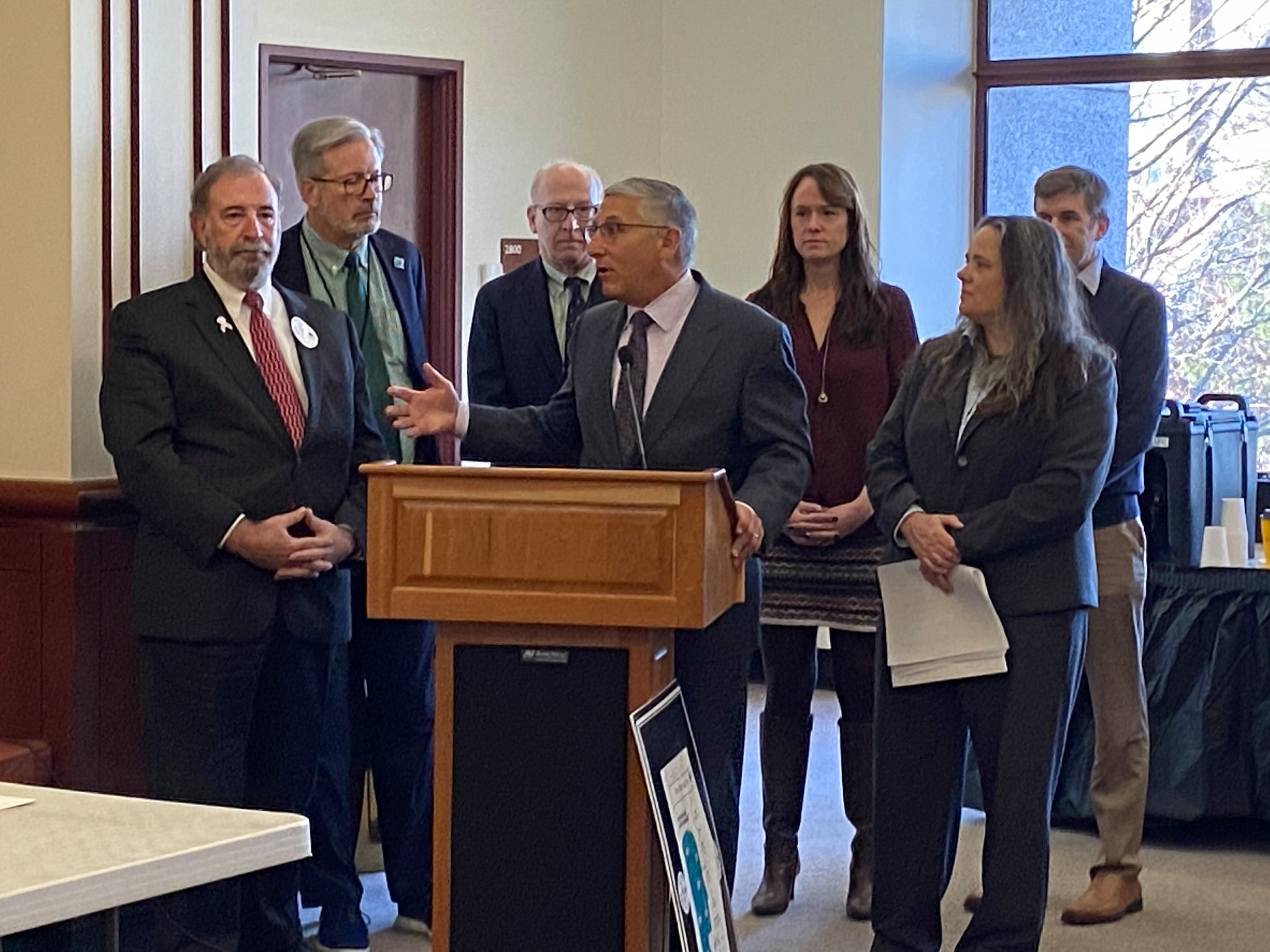
Gunzburg joined more than two dozen speakers who shared their stories during a Feb. 26 virtual Connecticut Rare Disease Day celebration sponsored by the National Organization for Rare Disorders (NORD) and the Connecticut Rare Action Network (RAN)

Read Hope in Focus (formally Sofia Sees Hope) 2021 Rare Disease Day letter to our elected representatives

His story reflects the plight of many people living with a rare disease because the more than 7,000 rare diseases in the United States are just that – rare. 

It’s difficult to correctly diagnose rare diseases when little information exists about them.

Some families living with rare disease find they must create their own advocacy avenues to educate the public and the medical community about diseases they’ve never heard of.

Gunzburg created the Global DARE Foundation with the mission of Defeating Adult Refsum Everywhere. His website gets the word out about the disease and gives information on symptoms, treatments, and research. 

Laura Manfre, co-founder and board president of Hope in Focus (formally Sofia Sees Hope), took that same route in 2014 after doctors genetically diagnosed her daughter with a form of Leber congenital amaurosis (LCA). As a global patient advocacy organization, Sofia Sees Hope helps transform the lives of those affected by blindness caused by LCA and IRDs by generating awareness, supporting affected families, and raising funds to advance research for diagnosis, treatments, and cures.

Creating Rare Disease Advisory Councils

The global phenomenon of Rare Disease Day exists to create awareness of rare disease, characterized in the United States as affecting fewer than 200,000 people. With more than 7,000 rare diseases, 25 million to 30 million Americans are affected by rare disease. That means one in 10 Americans suffer from rare diseases, and more than half of them are children. The European Organization for Rare Disorders (EURODIS) organizes the international campaign.

Nationally, Rare Disease Day brings together each state’s RAN ambassador – in Connecticut’s case, Volunteer State Ambassador Lesley Bennett – along with patients, caregivers, doctors, advocates, legislators, academics, and business and biotech leaders to generate awareness, increase patient and caregiver support, and drive research for treatment and cures.

This year’s event focused on creating Rare Disease Advisory Councils (RDACs) in all 50 states through NORD’s Project RDAC. Councils are made up of various stakeholders, including patients, caregivers, doctors, insurers, biotechnology companies, researchers, and state officials.

Project RDAC’s goals are to optimize existing councils and increase the number of groups nationally by opening collaborative opportunities among councils, creating educational resources to guide them, and helping more states pass legislation that establishes high-functioning councils.

More than a dozen states have RDACs, 12 are pursuing RDAC legislation, and another 23 states do not have an RDAC.

Connecticut is working toward creating a permanent RDAC task force, after a temporary group disbanded in 2019. Check out this map to see if your state has an RDAC or if NORD is working on legislation to create one. To start an effort in a state, click here

NORD’s Kristen Angell moderated the virtual celebration that featured more than two dozen people, sharing stories about the struggles and successes in the world of rare disease. A recording of the celebration will be available soon.

Suzanne Candela literally told an uplifting story as outreach and mission coordinator for Patient Airlift Services (PALS) with the motto: “Going Above and Beyond to Lift People Up.”

Volunteer pilots help eliminate logistical barriers to treatments by using their own aircraft, fuel, and time to fly patients to appointments. Over the course of 10 years, the company helped 2,900 families in 23,000 flights, covering more than 5.4 million miles. Candela told of a girl flown from northern Maine to Boston for repeated cancer treatments. The patient has flown on PALS flights about 60 times and counting.

The service could eliminate transportation barriers for participants in out-of-state clinical trials. The company also has flown 900 flights bringing combat-wounded veterans to appointments.

Connecticut State Sen. Cathy Osten described the story behind proposed legislation that she and State Rep. Christine Conley introduced this session to help a local family struggling to pay for special food for their two children diagnosed with phenylketonuria (PKU). The family’s share of the cost is about $36,000 per child per year. Osten said insurance companies hesitate to pay but the expense is well worth it when it comes to the quality of life for people with PKU.

David Leeds of Avon has the rare disease Hereditary Angioedema with normal C1 Inhibitor (HAE-nC1Inh), a new form of hereditary angioedema (recurring episodes of swelling) identified in 2000.

If he goes to the hospital in this time of the COVID pandemic and no one knows about his rare condition and no one can speak on his behalf, Leeds said, “We just have to hope that my rare disease doesn’t kill me before they send me home.

“I have to know everything about my disease because my doctors don’t.”

John Hopper, one of the emcees of the virtual celebration, heads the Greenwich-based Fibrolamellar Cancer Foundation that advocates for people living with fibrolamellar carcinoma, a rare liver cancer that usually occurs in adolescents and young adults with no history of liver disease.

Hopper, who also co-chairs NORD’s Rare Cancer Coalition, said his strategy is to be what he calls “the mouse that roared.” 

“That means we know we’re small, but we know we have to be loud,” Hopper explains on his foundation’s website. “Most people don’t know about rare diseases. Unfortunately, a lot of people don’t care about them. Our strategy is to be that loud voice – that leader – to make sure that every stakeholder from government to academia to pharmaceutical pays attention to this cancer and understands that working on this small cancer may lead to bigger things too for the rest of them.”

Hopper encouraged all the participants in the virtual rare disease day event to be that mouse that roars.

Working to Create Rare Disease Advisory Councils in all 50 States

Fifteen states done, 35 to go.

Fifteen states have established a Rare Disease Advisory Council (RDAC) to give the rare disease community, including those living with Leber congenital amaurosis (LCA), a stronger voice in state government. Another dozen states are actively working to establish RDACs this year.

With assistance from the National Organization for Rare Disorders (NORD), patient organizations, such as Hope in Focus (formally Sofia Sees Hope), and the broader rare disease community, RDACs around the country work to help states strategically address barriers faced by people living with rare diseases. The councils give stakeholders an opportunity to make formal recommendations to state leaders on critical rare disease issues, including increased awareness, diagnostic tools, and access to affordable treatments and cures.

Sofia Sees Hope, based in Ledyard, Conn., annually gives information to legislators on the Connecticut General Assembly’s Public Health Committee, letting them know that rare disease advocates and those living with a rare disease, need state and federal support in crafting legislation to help the rare disease community. 

The last day of February each year is officially Rare Disease Day, a time to raise awareness among the public and decision makers about rare diseases and their impacts on patients’ lives. NORD sponsors Rare Disease Day in the United States, alongside its sister organization, the European Organization for Rare Disorders (EURODIS), which organizes the official international campaign.

Find out here what is happening globally in celebration of Rare Disease Day. 

7,000 Rare Diseases in the U.S.

A disease is defined as rare in the United States if it affects fewer than 200,000 Americans. LCA and other inherited retinal diseases (IRDs) are among the approximately 7,000 rare diseases that exist nationally, affecting 1 in 10 people. These diseases include more than 500 types of rare cancers and all pediatric cancers. 

Between 25-30 million Americans live with a rare disease, including about 300,000 in Connecticut. 

NORD’s Connecticut Rare Action Network, along with other such groups nationwide, will highlight RDACs as part of its virtual celebration of Rare Disease Day 2021. Connecticut’s Rare Disease Day celebration will be at 9 a.m. ET, Friday, Feb. 26. You can register to participate in this free event by clicking here. 

NORD also just released its sixth edition of its State Report Card* that analyzes the 50 states and Washington, D.C., on eight policy issues that impact the rare disease community. The organization launched its report card project to evaluate the effectiveness of states serving people with rare diseases.

Each state has its own report card that addresses Medicaid Financial Eligibility, Medicaid Nutrition, Newborn Screening, Prescription Drug Out-of-Pocket Costs, Protecting Patients in State Medicaid Programs, Protecting Patients in State-Regulated Insurance, Rare Disease Advisory Councils, and Step Therapy (trying less expensive options before “stepping up” to drugs that cost more).

State governments make decisions every day affecting the rare community. They play critical roles in ensuring access to health care providers, services, and treatments needed to thrive, along with the design of their Medicaid program benefits, and regulation of some insurance plans. The councils offer forums for discussion about these issues.

Learn which states have Rare Disease Advisory Councils

As one Connecticut legislator said at a previous celebration, having one day to recognize rare diseases is not enough. 

“It needs to be Rare Disease Day every day in the state of Connecticut,” said State Rep. Jonathan Steinberg, co-chairman of the General Assembly’s Public Health Committee.

Connecticut Volunteer State Ambassador Lesley Bennet  – along with ambassadors nationwide, doctors, researchers, advocates, caregivers, patients, legislators, and business leaders – take this time to advocate state-by-state for better resources and outcomes for people living with rare diseases.

Bennett said many of their patients have difficulty getting access to services because people don’t understand the disorders. 

Patients, caregivers, families, and providers in North Carolina created the first RDAC six years ago; 15 states have active councils with1 2 more on their way toward fruition, for a total of 27 states.

Another 23 states, including Connecticut, do not have such councils but efforts continue through NORD’s Project RDAC, launched last fall. Connecticut established a task force to study whether to create an RDAC, but the group disbanded in 2019. 

Check out this map to see if your state has an RDAC or if NORD is working on legislation to create one. To start an effort in a new state, go to RDAC@rarediseases.org

Council composition varies from state to state in size, duties, and accountability requirements. It also depends on the type of entity that houses the RDAC, such as a state department of health or a non-profit organization.

A council typically comprises various stakeholders, including patients, caregivers, doctors, insurers, biotechnology companies, researchers, and state officials.

Project RDAC aims to optimize the existing councils and increase the number of groups nationwide by opening collaborative opportunities among the councils, creating educational resources to guide them, and helping more states pass legislation establishing high-functioning councils.

Which States Have Rare Disease Advisory Councils?

15 states with an established Rare Disease Advisory Council:

Alabama, Kentucky, Illinois, Massachusetts, Minnesota, Missouri, Nevada, New Hampshire, New York, North Carolina, Ohio, Pennsylvania, Utah, Tennessee, and West Virginia.

Arkansas, California, Florida, Georgia, Kansas, Michigan, New Jersey, South Carolina, Texas, Virginia, Washington, and Wisconsin.

23 states with no Rare Disease Advisory Council:

Alaska, Arizona, Colorado, Connecticut, Delaware, Hawaii, Idaho, Indiana, Iowa, Louisiana, Maryland, Maine, Mississippi, Montana, Nebraska, New Mexico, North Dakota, Oklahoma, Oregon, Rhode Island, South Dakota, Vermont, and Wyoming.

Michael Kalberer’s Philosophy: Transcend Disability

Born with cerebral palsy (CP), Michael J. Kalberer grew up with a philosophy that has served him well throughout his 43 years.

“My parents raised me as an individual with a disability, not a disabled individual,” the native Long Islander recently said. “So, I never felt there was anything wrong with me or wrong with exploring something that could make things better. I didn’t feel like I had to be fixed and there’s a huge difference between those things.”

When Michael was about 10, he had difficulty with depth perception and felt sensitive to light. 

“Sometimes a curb looked like a driveway, or vice versa,” when walking with his crutches.

Legally blind, Michael attributed his increasing lack of peripheral vision to CP and moved on. 

After enduring an arduous transition from high school, he earned two degrees with honors: a bachelor’s in psychology and speech communications from Hofstra University and a master’s in social work from Adelphi University.

His vision dramatically worsened in his 30s. While at a New York Islanders hockey game, he looked at the scoreboard and suddenly it seemed like it was underwater.

His low-vision specialist referred him to a retinal doctor. 

“He takes one look at my eyes and says, ‘Has anybody ever diagnosed you with a retinal disease?’ ” 

The retinal specialist diagnosed him 10 years ago with Retinitis Pigmentosa (RP) , a group of related eye disorders that causes progressive vision loss as the retina’s light-sensing cells gradually deteriorate.

Michael said he was in shock when the doctor told him that he’ll permanently lose his sight, barring advancements, but advancements are coming.

Cataract surgery and then …

He underwent his first cataract surgery in 2012. He did more research and got involved with Foundation Fighting Blindness, where he served on a Foundation panel of doctors and described his experiences as a patient with visual impairment. 

Listening to the doctor speaking before him, Michael could hardly sit still when he heard him delineate differences between Leber congenital amaurosis (LCA) and RP and realized his visual indicators aligned more strongly with LCA.

“Oh my God, oh my God, I gotta stop this guy,” he recalled saying after finishing his patient portion of the presentation. “Do not let him leave. We need to talk.”

Talk they did and two days later, he was genetically tested at New York’s Columbia Eye Clinic and received a confirmed diagnosis of LCA10, a mutation of the CEP290 gene, one of the more than 25 forms of gene mutations that cause LCA.

Since then, Michael has tracked LCA research advancements and his own experiences with his vision. He has 3 percent vision in one eye and 7 percent to 8 percent in the other. He can discern some shapes, colors and hand motions. 

“I really took a hands-on, very proactive approach to navigating what my vision was like; I took control of logging, charting and tracking. It was kind of my way of taking control of the disease, so I had it and it didn’t have me.”

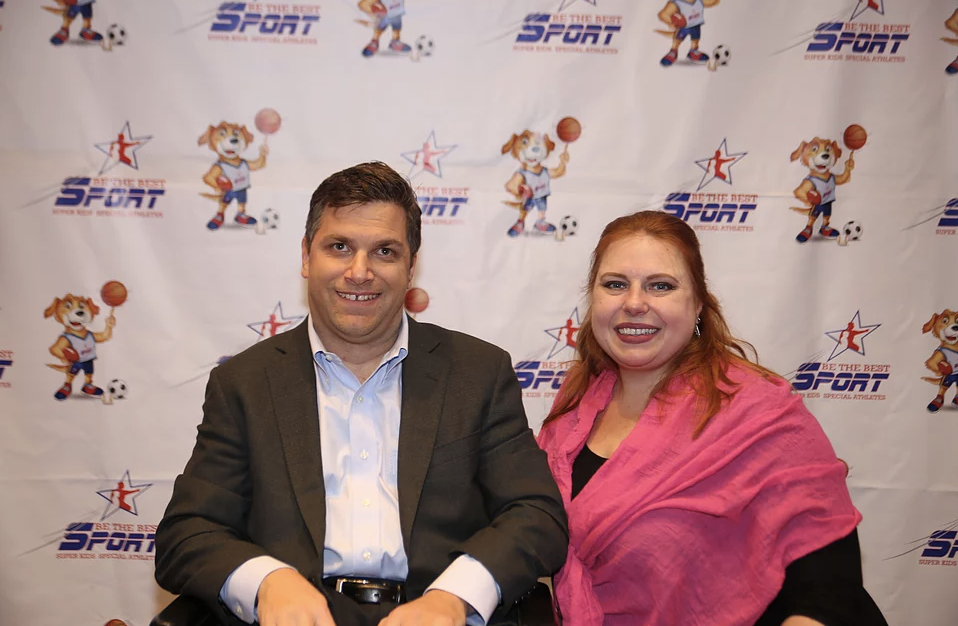
Michael wearing a gray suit and Katie next to him wearing a pink shawl.
Michael Kalberer, left, with Katie van Benschoten of the Foundation Fighting Blindness.

He has also done fundraising for the Foundation, taking on leadership roles as a team captain for the organization’s VisionWalks and speaking at conferences.

“I can’t say enough about Foundation Fighting Blindness’s outreach and their confidence in my ability.”

Addressing the Foundation’s audience at its 2019 Dining in the Dark Spring Forward Fundraiser, he thanked the organization for helping him get a confirmed genetic diagnosis. 

“The root of the Foundation for Fighting Blindness’s success is in cultivating relationships and helping change the way literally thousands of people with LCA and other (inherited rare diseases) IRDs view the world.

“How we process the world shapes who we are,” he told his audience.

Michael also wrote an inspiring piece for the National Organization on Disability’s campaign to increase awareness of the professional ability possessed by individuals with disabilities. 

Even though a career counselor once told him he was unemployable, he shared in his essay that he formed his own business called Michael J. Kalberer Presents. His company’s logo features a rising sun under the phrase “All Humanity Matters,” and he lists his roles as cultural competence presenter, communication etiquette specialist, transition planner, tutor and motivational speaker. 

Michael’s life work now is educating people to maximize their personal strengths and to see others as more than their condition. He also has written an interdisciplinary curriculum to help professionals working with people with disabilities in diverse environments.

In the essay, he also described his work as a New York state licensed social worker at Family and Children’s Association, where he managed cases and helped people living with mental illness obtain and sustain employment in work environments conducive to success.

Michael attributes his feeling of empowerment to the unconditional support he continues to receive from his entire family and all his friends. 

“My diagnosis of LCA could have altered the way they interact with me, but it’s made our relationships stronger. They are as emotionally invested in this journey as I am for myself, and there’s a beauty and a strength in the relationships that’s difficult to put into words.”

He did, however, capture the result of this supportive network of relationships in his closing sentence of that essay:

“I’m Michael J. Kalberer. I transcend cerebral palsy and Leber congenital amaurosis.”

Hope is Believing the Future Can Be Better

I must admit, when I learned that my vision was slowly deteriorating, I lost hope. I didn’t know what the future would bring. I knew that with worse vision came more accessibility barriers and was worried that these barriers would prevent me from achieving my dreams.

But my hope soon returned. I knew that I needed to make a choice. I could either feel bad about myself or do something to make a difference. I chose the second and began to plan. For me, hope is about believing the future can be better.

I wasn’t sure if there was anything I could do about my vision. Genetics had made up its mind. The science was close to a treatment, but I couldn’t count on it. That being said, many treatments were near enough to becoming reality that they would definitely affect many. This was my opportunity. I began raising money for sight-saving research, speaking at events and advocating for treatments. I’ve learned that snails move faster than medical research. It is frustrating and easy to lose hope. But, a snail’s pace is still progress!

For example, LUXTURNA®. The first FDA-approved gene therapy for an inherited retinal disease was approved in the US long before it was approved here in Canada. I’m pleased to say that it was finally approved by Health Canada in October 2020. I have the type of LCA that LUXTURNA treats, and if the provincial government agrees to fund it, I could receive this treatment soon.

The disease that causes my vision loss is advanced. LUXTURNA® will come nowhere close to giving me perfect vision. I’ve learned that having hope for restored vision and hope for life after vision loss are equally important. The best parts of life are not lost with vision loss. I have an amazing life. I have a lot to be thankful for – a good job, an incredible family, fantastic friends and opportunities to participate in accessible activities like sailing and skiing. I hope that you continue to have hope for life after vision loss too.

Jack McCormick was diagnosed in high school with LCA2. He graduated in 2018 from Canada’s Wilfrid Laurier University in Waterloo, Ontario. He is a Hope in Focus (formally Sofia Sees Hope) ambassador, helping people living with LCAs and IRDs. You can read his blog at jackdamccormick.wordpress.com

Using Their Fingers, Blind Children Learn Music and Languages with Lux+Louise

Building on her son’s love of music, singing, moving, and reading, Laura Steinbusch created a multilingual children’s songbook called Lux+Louise to help youngsters learn music by braille.

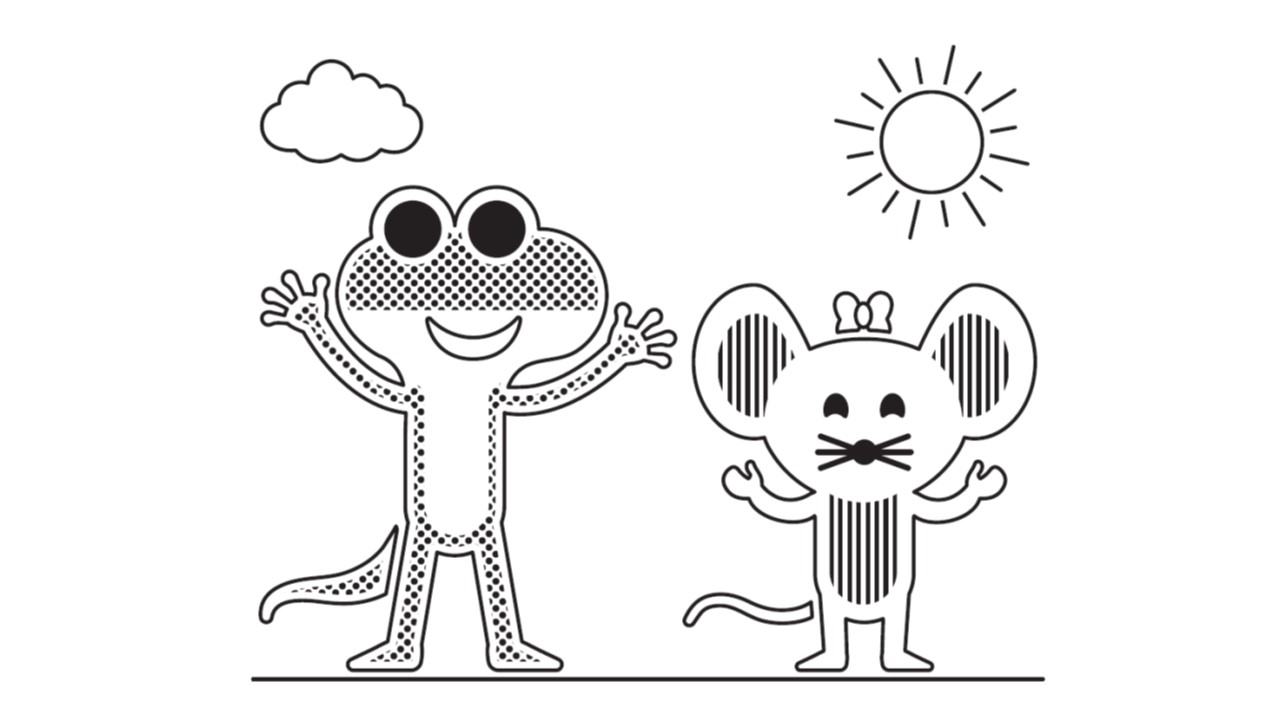
Black and white cartoon drawings of a lizard and a mouse

With songs in Dutch, English, French and German, the songbook’s characters, Lux the lizard and Louise the mouse, help expose children with blindness or visual impairment to learning other languages from an early age and allow them to independently explore the world.

Laura came up with the idea because her son, Enzo, now 6, easily learned new words early on through songs in French or English, especially when he already knew them in Dutch. 

Enzo was born in 2014 in Lausanne, Switzerland, and genetically diagnosed at 18 months with LCA10-CEP290, a form of Leber congenital amaurosis causing severe retinal dystrophy because of mutations in the CEP290 gene. Enzo lives in The Netherlands with his mom and his dad, Merlijn, and his new little sister, Maud.

He started to learn braille when he was 5 and he enjoys it a lot, his mom said. 

“His favorite story is ‘the story of the little mole who knew it was none of his business,’ which we had to buy in the four

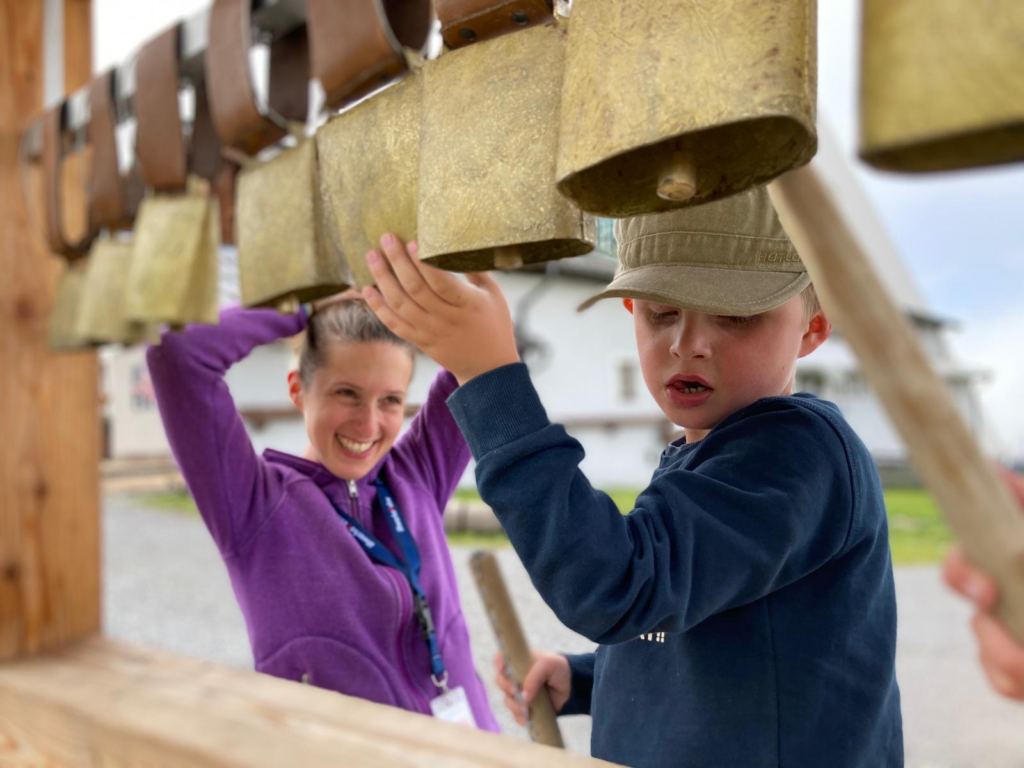
Laura and Enzo playing with large bells
Enzo and his mom Laura at an Austrian playground listening to sounds from a cowbell glockenspiel.

languages of my songbook because he wants to know the whole story in those four languages.”

Lux+Louise contains five popular children’s songs with printing in black and in braille and six visual and tactile illustrations with explanations and questions. Along with singing about a bus and a spider, the book helps with learning body parts and movement.

“This makes it easier for blind children to connect the song texts to the tactile illustrations and the real world,” Laura said. The songs can also be played on the piano or flute.

“Most children adore singing; some children even sing before they speak,” she said. “Blind or visually impaired children use their hearing all the time and mostly enjoy music and making noise … Independence is also important for learning music. It would be best if blind children could learn reading braille music as soon as they have learned to read braille text.”

The songs are: “A Ram Sam Sam,” “Head Shoulders Knees and Toes,” “Are You Sleeping (Brother John)?” “The Wheels on the Bus,” and “Itsy Bitsy Spider.” 

“I hope people enjoy learning another language through music and learn to read music braille,” Laura said. “In the end, I hope it helps blind kids explore the technical world on their own.”

Listen for yourself via YouTube or Spotify

You can order the book on the Lux+Louise website.

Shaberman Combines Love of Science, Writing in Sci-Fi Novel Debut

Ben Shaberman – Senior Director of Scientific Outreach & Community Engagement at Foundation Fighting Blindness – combines his skills in science and storytelling to create Retina Boy, a sci-fi young-adult novel that weaves friendship, love, music, and an alien world of blind inhabitants into a delightful read.

Shaberman tells of the adventures of a Midwestern boy named Doug Anderson, who was born without retinas. Researchers were mystified by the boy from Des Moines, while strangers and friends were mesmerized by his luminescent, aquamarine eyes. A school kid taunts him, calling him Retina Boy, and Doug decides he likes his new nickname; it sounds like a moniker for a superhero, rather than a label given to someone who didn’t quite fit in, Shaberman writes. 

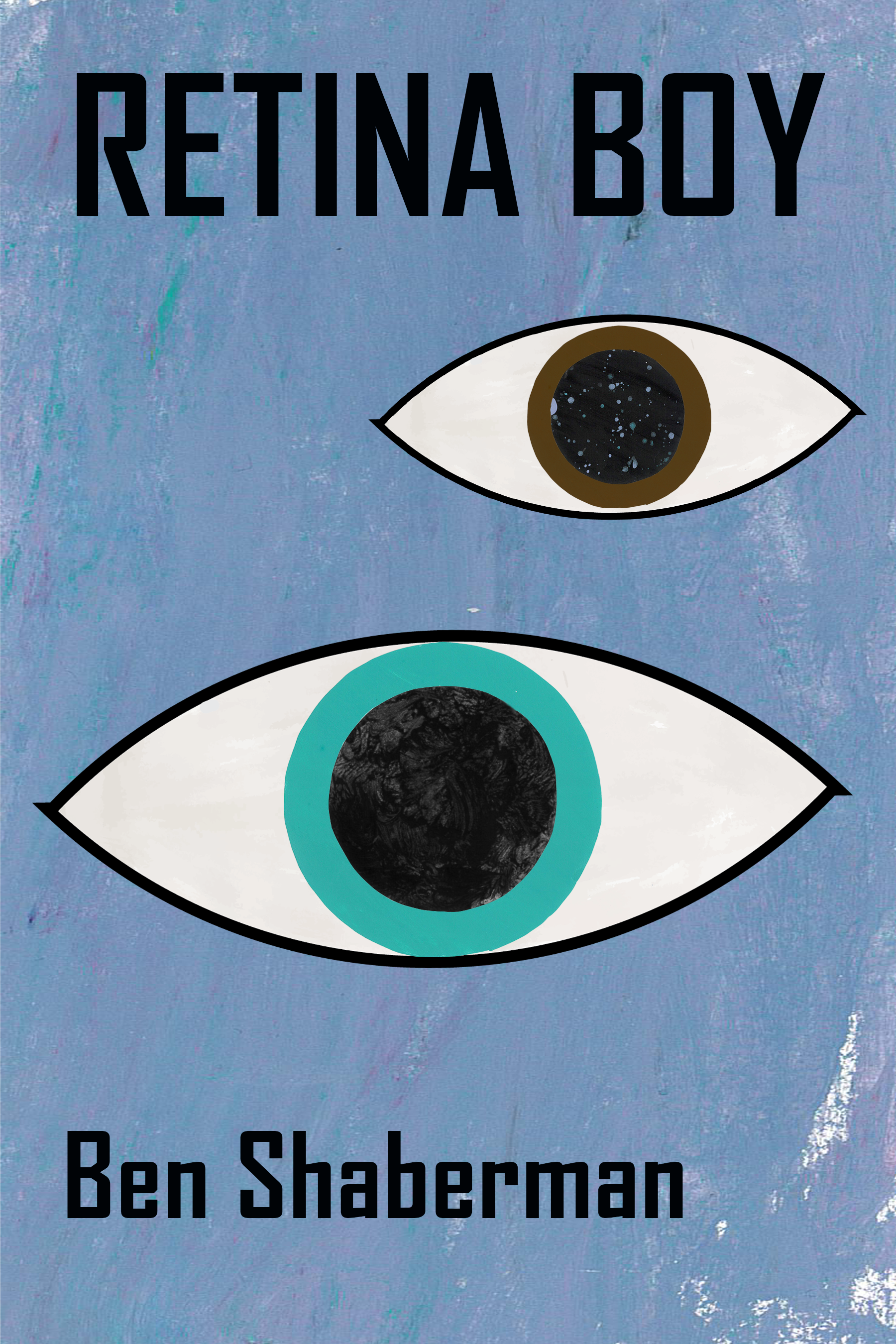
Book cover with blue background and two large hand-drawn eyeballs. Title: Retina Boy Author: Ben Shaberman

The 59-year-old author and Washington, D.C., resident chose Des Moines as the setting for his novel published last fall because he lived there for a while and was taken by the expanse of the landscape and the endless cornfields. 

“Iowa was very different from the mostly urban places where I’ve lived,” Shaberman said. “I also needed a place to land an alien spacecraft undetected and be relatively near a retinal research center. University of Iowa is about 100 miles from Des Moines.” 

Retina Boy grew up to be a carefree teenager, playing lead guitar in an awesome, classic rock cover band. His girlfriend, Marcy, though unable to walk, was the smartest kid in their school. They were a perfect pair – she was his eyes and he was her legs. Never did Retina Boy imagine he was from another planet, and that he and Marcy would be called upon to save the Earth and an alien world of blind inhabitants on the brink of environmental collapse.

Shaberman’s talent as a science writer for the Foundation shines throughout the 202-page book, and we read familiar passages about genetic therapies and rare inherited retinal diseases (IRDs) that he writes about regularly in a column for Hope in Focus (formally Sofia Sees Hope)’s newsletter, Seeing Hope

“One of my roles early on at the Foundation was to write about families affected by inherited retinal diseases. While there were always obvious and significant challenges for parents, I was often amazed by how well the kids were doing in their lives,” he said. “Their courage and perseverance always impressed me. That was part of the inspiration. 

“But I also wanted to write something fun and adventurous that would appeal to both adults and children of all backgrounds and abilities. And, it was nice for me to take a break from the serious business of reporting on research.”

Among praise for the book from the rare retinal disease community, Sofia Sees Hope Co-Founder and President Laura Manfre, wrote: “A dynamic and fun read from beginning to end that touches on all of the elements of YA fiction today, while also dealing with issues of being different – being rare in one’s world or another world. I thoroughly enjoyed it!”

One of Shaberman’s characters, Dr. Ted Strong, a long-time clinical researcher into rare retinal diseases, had delivered difficult news to hundreds of parents in his 25-year career. But with Doug’s parents, Peter and Peg, he struggles, as Shaberman writes:

“Usually there’s some atrophy or dysplasia of the rods or cones. We often see pigmentary changes,” he said, rubbing his hand through his thinning brown hair. “But with your son, I mean, well, there’s hardly any retina. It’s so thin, a shadow of what it should be. Yet, the rest of his eyes appear to be relatively normal. The way eye development works, this can’t… uh… this shouldn’t happen.” 

Dr. Strong tries to reassure the parents, who understand their son is blind but feel scared upon hearing their son’s case is singularly rare.

“I understand your concern, but there’s no easy answer,” the doc says. “Your son might have a very rare genetic defect. It could have been some type of spontaneous mutation during early development, or it could be inherited.” 

Reality vs Science Fiction

With Shaberman’s career firmly based in reality, why write sci-fi?

Black and white headshot of Ben Shaberman
Ben Shaberman

“Early on, I came up with the premise of a planet of blind inhabitants and that made the science-fiction genre inevitable. Science fiction was an entirely new genre for me and quite daunting. Creating an alien world of blind inhabitants was an incredibly difficult process,” he said.

“The story alternates between Earth and Zooba, the planet of the blind. I didn’t intend for the book to be YA and the story has appealed to all ages. But the story’s main characters are kids who become teenagers, so I think the YA label fits.”

Shaberman said he wanted to emphasize music in the novel, which he describes as an adventure of friends, aliens, retinas, and rock & roll.

“The book is filled with references to music, especially classic rock and electronica from the early ’70s and some other popular songs and artists. In essence, the book has a soundtrack. For obvious reasons, I tried to make sound an important element in the story.” 

In the writing process, Retina Boy’s girlfriend, Marcy, emerges as a central character.

“In many ways, I became more attached to her than Retina Boy. She is a genius and a force to be reckoned with. Many times, she is running the show.”

Shaberman also said he’s received a wide range of reactions to the book’s ending.

“No spoilers here, but all I can say is it isn’t conventional.” 

Readers can view an animated trailer of the book on YouTube. 

Shaberman dedicated his book to all individuals and families with challenging visual impairments. 

“I am especially grateful to those with retinal degenerative diseases, such as retinitis pigmentosa (RP), Leber congenital amaurosis (LCA)Usher syndromeStargardt disease, and age-related macular degeneration.

“As a writer for the Foundation Fighting Blindness, I’ve had the privilege of interviewing dozens of people and families impacted by these retinal conditions. While I fully embrace the Foundation’s mission to eradicate all retinal degenerative diseases, Retina Boy is an homage to those who persevere and thrive despite having few treatments or cures for their vision loss. Their courage, resourcefulness, and resilience have been incredibly inspiring for me. They are my heroes.”

“I’ve also had the privilege of reporting on retinal research advancements for emerging therapies to save and restore vision. It has been a fascinating journey.”

Shaberman offers thanks to more than 65 scientific investigators for enlightening him – a nonscientist – about the retina and related research. 

His previous books include a work of fiction called Jerry’s Vegan Women and a collection of essays called The Vegan Monologues. His essays, articles and commentaries have appeared in The Washington Post, Chicago Tribune, The Baltimore Sun, Des Moines Register, VegNews magazine, Sky & Telescope magazine, and on National Public Radio.

Rare Disease Day 2020: Lawmakers Hear From Advocates

Rare disease patients, caregivers, advocates, researchers, doctors, healthcare providers and lawmakers gathered at Connecticut’s capitol in Hartford on Friday, Feb. 28, to celebrate Rare Disease Day 2020 and raise awareness because rare medical conditions often are overlooked by health-policy decision makers and the medical community. 

CT Rare Disease Day at the state Capitol in Hartford. Photo courtesy NORD.

The National Organization for Rare Disorders (NORD) and its Rare Action Network (RAN) organized the event for Rare Disease Day, celebrated nationally and in more than 85 countries. Click here for information on your state’s events, RAN and Rare Disease Day.

A disease is defined as rare in the United States if it affects fewer than 200,000 Americans. As many as 7,000 rare diseases exist nationally, affecting 1 in 10 people. Between 25 million and 30 million Americans live with a rare disease, including about 300,000 in Connecticut alone. 

Sofia Sees Hope, based in Ledyard, Conn., gave information to legislators on the Connecticut General Assembly’s Public Health Committee, letting them know that rare disease advocates and those living with a rare disease, such as Leber congenital amaurosis (LCA) and other rare inherited retinal diseases (IRDs), need state and federal support in crafting legislation to help the rare disease community. 

Awareness helps research

We wanted to impress upon the committee that dedicated, grassroots attention and awareness to specific rare diseases generate incredible results in finding cures and treatments. Children living with visual impairment now can regain their vision through a ground-breaking retinal medicine called LUXTURNA

The legislators learned that for six years Sofia Sees Hope has been generating awareness, supporting affected families and raising funds to advance research for diagnosis, treatments and cures for blindness caused by LCA and other IRDs, such as retinitis pigmentosa (RP). 

Here’s our legislative statement in its entirety: 

LCA is characterized by severe vision loss at birth. While some children are born with little or no vision, others may have significant vision loss in the first few years of life, stable vision for a period, and then eventually complete vision loss as the retina deteriorates into total blindness.

The optimal window for reversing vision loss is during the early phase of the disease. Creating avenues to affordable treatments and accessibility to resources is imperative and often can be inhibited by insurance regulations and other rules limiting access to help and support patients.

More than 25 genes are associated with LCA and a mutation in just one of these can result in blindness. The rare disease occurs in 1 in 33,000 to 1 in 88,000 people and makes up 5 percent of all retinal dystrophies. Twenty percent of children with visual impairment and attending special schools have LCA; it is the second most common inherited retinal dystrophy after retinitis pigmentosa.

A patient needs a confirmed genetic diagnosis to proceed with appropriate treatment avenues. Sofia Sees Hope has given more than $100,000 to provide families, including those in Connecticut, free access to genetic testing and has directed $275,000 to genetic retinal research. Patients also need support from their lawmakers to ensure they receive the quality of life to which they are deserving.

After decades of research and dedicated investment in studies, scientists created a breakthrough genetic therapy that helps restore vision in patients with one of the genetic mutations causing LCA. The U.S. Food and Drug Administration in 2017 approved this treatment – developed by Spark Therapeutics and called LUXTURNA – which also is the first genetic therapy ever in the United States to treat ANY rare inherited disease.

LCA patients treated with LUXTURNA experienced dramatic changes in their lives with greatly improved or restored vision. Children who are 5, 6, 7 years old and have been treated with LUXTURNA view life in a new light in big and little ways. They now can see rainbows in the sky and stars shining at night.

Our lawmakers need to know that we fully support the principle that all FDA-approved treatments should be made available to all those who will benefit from such treatment, and to reject any proposed requirements restricting access to medications.

Sofia Sees Hope also encourages the Connecticut General Assembly to establish a Rare Disease Advisory Council comprised of patients, patient advocates, doctors, researchers and community members to address the emerging public health priority of rare diseases, including LCA.

More than 20 people – legislators, patient advocates, patients, caregivers, researchers, doctors and businesspeople – spoke during the morning event to a crowd gathered in the second-floor atrium of Connecticut’s Legislative Office Building. 

Jean Kelly, co-founder of Brian’s Hope, spoke on behalf of her son, Brian, and others with Adrenoleukodystrophy (ALD), an x-linked metabolic disorder that destroys myelin, the protective sheath that surrounds the brain’s neurons – the nerve cells that allow us to think and to control our muscles. She and her husband are 24/7 caregivers of Brian who was diagnosed at age 6 and is now 31. Their son can hear but he cannot speak, see or walk. She advocated for more help for parents who must devote their lives to caring for their children. She and her husband advocated for mandatory ALD newborn screening in Connecticut, which was passed into law in 2013.  

Laura Morris from the state’s Office of Health Strategy thanked legislators for the passage 10 years ago of a law requiring health insurance coverage for wound care for people like her daughter, who lived with Epidermolysis Bullosa (EB), a group of rare genetic conditions that result in easy blistering of the skin and mucous membranes. 

A host of other speakers talked about dealing with enormous monthly bills, tangles over insurance coverage and the overwhelming stress on rare disease patients and caregivers.

NORD Director of State Policy Heidi Ross, in a statement from the organization’s President and CEO Peter L. Saltonstall, told the group:

“The purpose of Rare Disease Day is to bring patients and advocates together to articulate with one voice the shared message that millions of people around the world are suffering with unmet medical needs and need help. Our patients need earlier diagnosis; safe, effective treatments; and assured access to medical care and other services …

“There are events like ours today taking place in state capitol buildings across the nation, where elected officials are meeting with patient advocates to better understand what life is like with a rare disease, and how health care decisions they make at the state level – on issues such as newborn screening, medical insurance, cost-sharing and (specially formulated) medical foods – have a major impact” on those living with a rare disease.

Saltonstall’s statement ended with NORD’s credo:

Yes, we are.

Connecticut Rare Disease Day 2020

Rare Disease Day banner with zebra stripes. "Make an Impact on Rare Disease Day! Show Your Stripes."

The end of February signals the time to focus awareness on rare conditions by celebrating Rare Disease Day, a global event addressing the thousands of rare diseases that affect one in every 10 Americans.

Rare medical conditions affect 300,000 people in Connecticut, the home state of Sofia Sees Hope, and 30 million nationwide.

Yes, those are astounding figures that call for astounding action to bring attention to the needs of people living with rare diseases, such as Leber congenital amaurosis (LCA), one of the more than 7,000 rare diseases. The day – and its events that happen nationally and in more than 85 countries – fosters awareness needed to drive research for cures and treatments for rare diseases often overlooked by health-policy decision makers and the medical community.

In Connecticut, people living with rare disorders and their families, along with lawmakers, caregivers, advocates, advocacy organizations, healthcare providers, industry leaders and researchers will gather at the Capitol in Hartford to celebrate Rare Disease Day 2020 by highlighting their concerns and seeking help for solutions from state lawmakers.

Sofia Sees Hope plans to relay rare disease advocacy information, including the importance of genetic testing, to legislators on behalf of people living with LCA and other rare inherited retinal diseases (IRDs).

The public is invited to attend this legislative forum and breakfast at the Legislative Office Building, 100 Capitol Ave., Hartford, from 8 a.m. to 11 a.m., Friday, Feb. 28, the last business day before 2020’s official Rare Disease Day, Saturday, Feb. 29. The event takes place in the building’s second-floor atrium that looks out to the gold-domed Capitol building.

The National Organization for Rare Disorders (NORD) is the U.S. sponsor for Rare Disease Day 2020. The Hartford gathering, as with many others across the nation, is organized by NORD and its Rare Action Network (RAN). The focus for this year’s Rare Disease Day is the impact that rare diseases have on patients, families, caregivers, healthcare providers and local communities.   

For more information about this free event, please contact Lesley Bennett, RAN’s Connecticut Volunteer State Ambassador at Lesley.bennett@rareaction.org or 203-829-7650. Also, here is a link to information on all states regarding RAN and Rare Disease Day: https://rareaction.org/resources-for-advocates/state-profiles/

Here’s a look at the prospective speakers 

Dominic Cotton, a father and advocate for those with rare diseases and brain injuries, will emcee the event that begins after the 8 a.m. sign-in and breakfast.

Heidi Ross, NORD’s Director of State Policy, will offer opening remarks, followed by the legislative welcome by state Rep. Jonathan Steinberg, Co-Chair of the General Assembly’s* Public Health Committee; Rep. Michelle Cook,* member of the Public Health Committee; Sen. Len Fasano, Senate Majority Leader; and Jean Kelly of Brian’s Hope, a non-profit she and her husband, Jack, founded in 2012 for their son, Brian, diagnosed at age 6 with Adrenoleukodystrophy (ALD), an x-linked metabolic disorder. The couple advocated for mandatory ALD newborn screening in Connecticut, which was passed as law in June 2013. 

Dr. Karen Rubin, a pediatric endocrinologist at Connecticut Children’s Medical Center (CCMC), and Adrienne ManningConnecticut’s Newborn Screening (CT NBS) Program Division Director in the Department of Public Health Laboratory, will address diagnoses and treatments in newborns. State law requires all newborns to be screened for certain genetic and metabolic disorders. The program’s efforts help prevent disability and premature death by ensuring newborns receive the screening and, when needed, evaluation and treatment.

Dr. Rubin and Manning are part of a new partnership between the NBS Program and CCMC called the Connecticut Newborn Diagnosis and Treatment Network.

Silvia Vilarinho, MD, PhD, and Donna Sciacca of the American Liver Foundation are  scheduled to talk about rare liver disorders. Dr. Vilarinho, Assistant Professor of Medicine (Digestive Diseases) and of Pathology at Yale University, is a physician-scientist who uses genetics, genomics and human samples to investigate the molecular basis of various liver diseases of unknown causes. Sciacca is the Community Outreach and Education Manager for the foundation’s Connecticut division.

Dr. Joanna Gell of Jackson Laboratories and CCMC will address germ cell tumors, which can be cancerous or noncancerous growths that form from reproductive cells. Dr. Gell is Assistant Professor in the Department of Pediatrics at the UConn School of Medicine.

Dr. Charles Whitaker, a neurologist who sees patients at the Hospital for Special Care (HSC), will talk about adult neuromuscular disorders.

Laura Morris, mother of a patient with epidermolysis bullosa (EB), a group of rare genetic conditions that result in easy blistering of the skin and mucous membranes, will appear with Rep. Russ Morin, who authored legislation that helped EB patients. Morris is Outreach Coordinator for the state’s Office of Health Strategy.

Dan Donovan, Co-Founder and CEO of rareLife solutions, will address the scarcity of literature on rare diseases.

Father Nikolas Karloutsos will moderate a pediatric panel about the impact of pediatric rare diseases on families. He is a caregiver for his daughter who has a BRAF mutation Rasopathy – probably Cardiofaciocutaneous (CFC) Syndrome – which causes issues with behavioral health and cognition. 

Taking part in the panel will be: 

  • Heather Knapp, caregiver and mother of four, whose youngest was identified at birth through the NBS Program with Phenylketonuria (PKU), an inherited disorder that increases the levels of a substance called phenylalanine in the blood. If untreated, phenylalanine can build up to harmful levels in the body, causing intellectual disability and other serious health problems.
  • Jim Kubicza, who has a son with Angelman syndrome, a complex genetic disorder that primarily affects the nervous system.
  • Information that will be shared on behalf of Marissa B., mother of a child with CDKL5, a neurodevelopmental and epileptic encephalopathy disease characterized by difficult-to-control seizures that begin in infancy, followed by significant delays in many aspects of development. She and her husband provide 24/7 care for their child, who is among those on a years’ long waiting list for a special children’s waiver for Medicaid coverage.  

A panel on the impact on adults with rare diseases will follow, and includes:

  • Carmen Wooster, mother of a daughter with Stiff Person Syndrome (SPS), a rare, progressive syndrome that affects the nervous system, specifically the brain and spinal cord.
  • Beverly St. Onge on Common Variable Immune Deficiency (CVID), one of the most frequently diagnosed primary immunodeficiencies, especially in adults, characterized by low levels of serum immunoglobulins and antibodies, which cause an increased susceptibility to infection.
  • Input on DiGeorge syndrome, a chromosomal disorder that results in poor development of several body systems.
  • The Leeds family regarding hereditary angioedema, a disorder characterized by recurrent episodes of severe swelling.

Paul Pescatello is also set to speak. Pescatello is President and CEO of the New England Biotech Association and chairs Connecticut Business & Industry’s Bioscience Growth Council.

Rare Disease Advocacy: There’s Power In Numbers

Tell your story. Tell your story again. Then tell it again.  

That’s the beginning of advocacy for rare disease. 

“You have to be assertive and speak up. You don’t have time to waste!” advocate Terri Booker implored her audience at the Sofia Sees Hope second LCA Family Conference.  

Booker, a lawyer and an advocate for people living with Sickle Cell Disease (SCD), spoke as part of a four-member, patient-advocacy panel called “Your Voice Matters!” moderated by Hope in Focus (formally Sofia Sees Hope) Executive Director Annette Tonti.

More than 80 people from 15 states and Mexico attended the July 27 conference in Philadelphia. The event brought together people living with Leber congenital amaurosis (LCA)inherited retinal diseases (IRDs), SCD, which is a group of inherited blood disorders, and Barth Syndrome, a rare genetic disorder that can cause heart failure, muscle weakness and infection.

These diseases are among the 7,000 rare diseases affecting 25 million Americans. 

Kristen Steele hired a lawyer and filed a lawsuit in order to make her career dreams come true. Read her story here.

“Imagine the impact if we all get together and say, ‘We’re here! Twenty-five million people who can vote!’ ” said Booker, who works professionally and personally to help seek justice in the Philadelphia community.

Live long with advocacy

She co-founded the Young Adult Sickle Cell Alliance after her last hospitalization for SCD-related problems in 2012. Doctors with no answers asked what she usually did when symptoms occur, and she replied: “I thought I was here to get help from you.”

SCD is a group of disorders that affects hemoglobin, the molecule in red blood cells that delivers oxygen to cells throughout the body, according to the National Institutes of Health (NIH). People affected have atypical hemoglobin molecules called hemoglobin S, which can distort red blood cells into a sickle or crescent shape.

“I’m talking about it every chance I get,” she said.

If someone notices she’s limping, she tells them she’s got sickle cell, a genetic disorder, “where a whole bunch of cells get together and attack your body, your heart, your eyes, your joints.”

“It’s about accommodating you and whatever it is you’re going through, to make it easier to function.”

Young people with SCD especially need to be empowered to speak up for what they need when they need it and Booker focuses on youth for a big reason: “As a child (with a rare disease), they love you. Once you become an adult, people don’t care about you anymore.”

She encouraged advocating for rare diseases by taking part in events surrounding Rare Disease Day, celebrated annually the last day of February. Rare Disease Week in Washington, D.C., and a multitude of events happen nationally and globally around that time.  

“Help sickle cell patients live long with advocacy,” she said.

The more members of Congress and state legislatures hear stories from rare disease patients and advocates, the more progress will be made toward funding research to find treatments and cures.

“Don’t be afraid,” Booker said. “No one can tell your story but you.”

Panel member Jill Dolgin, PharmD, Head of Patient Advocacy at Applied Genetic Technologies Corp. (AGTC), said rare diseases are small diseases, and suggested a way for people with rare disease to be heard above the noise of research news on more familiar diseases.

“I call it building an orchestra,” – talking about LCA, inherited retinal diseases (IRDs), blindness and genetic testing on the internet, in social media and at conferences – so you’re all “singing the same song” and constantly increasing the volume and frequency of the messages in the song. 

AGTC is developing genetic therapies to treat patients with rare inherited conditions, with its most advanced therapy programs designed to restore visual function and meet the needs of patients with rare blinding conditions, according to the company’s website.

Dr. Dolgin, a healthcare professional with more than 20 years’ global experience in public policy and patient and professional advocacy, said she brings the voice of the patient to small- and medium-sized biotechs to ensure that the needs of the patient are considered and incorporated into every aspect of drug development.

“I’m really helping one patient, one family at a time.” 

Panelist Jamie Ring is Head of Patient Advocacy at Spark Therapeutics, developer of LUXTURNA™, the first approved drug in the United States and Europe to treat an inherited genetic disease and to treat the RPE65 gene which, when mutated, causes one of the more than 25 forms of LCA. She previously worked at Genzyme, a Sanofi company, where she led rare disease patient advocacy and humanitarian programs. 

Ring said her role at Spark Therapeutics is three-fold. 

She serves as a liaison between the company and rare disease communities: “Serving as the voice of the patient inside the walls of our organization.”

She hears directly from the community: “At Spark, it’s really critical for us to understand what the needs of the patients are. You all have a voice at that table.”

Ring also helps connect different rare diseases together to learn how they develop and progress.

LUXTURNA came to fruition after 12 years of research and more that $500 million in investment. The U.S. Food and Drug Administration gave its approval in December 2017. 

“Be involved,” Ring advised the gathering. “Understanding what matters to you, matters to us.”

Panelist Emily Milligan, Executive Director of the Barth Syndrome Foundation, said she is socially and medically committed to serving underserved populations. Before leading the foundation, she launched an $80 million venture fund developing products for Type 1 diabetes and worked with the Juvenile Diabetes Research Foundation overseeing an annual $100 million research portfolio.

Barth Syndrome primarily affects boys and is a multiple-system, complex disorder caused by a chromosomal mutation. It can cause growth delay, impaired lipid metabolism and extreme fatigue. Severe symptoms can result in needing a heart transplant, contracting potentially lethal infections and even death.  

The syndrome, Milligan said, can turn a scraped knee into a trip to the emergency room with sepsis, a life-threatening condition occurring when the body cannot fight infection.

The foundation, she said, became the 14th organization to host a high-level meeting with the FDA, where more than 25 percent of the Barth community, which is about 250 worldwide, told their stories. In research, a second clinical trial is underway toward changing the biology associated with Barth that could mean an improved quality of life for some.

“You have to come together,” Milligan told the group. 

This family conference in Philadelphia has such an enormous impact when people gather together for a common goal, she said. 

“You have no idea the power in numbers. You are a community.”