Advocacy is the act of speaking up, raising awareness, and taking action to support a cause or a group of people. In healthcare, it often means promoting understanding, access to treatment, funding for research, and policies that improve the lives of patients.
Why advocacy is crucial for rare diseases like Leber congenital amaurosis (LCA) and other Inherited Retinal Diseases (IRDs):
Awareness: Rare diseases affect a small number of people, so public and medical awareness is often limited. Advocacy helps educate doctors, policymakers, and the community.
Research and funding: Because rare diseases impact fewer people, research funding is limited. Advocacy drives attention and resources toward scientific studies and potential treatments.
Access to care: Patients with rare conditions often face barriers to specialized care, therapies, and clinical trials. Advocacy helps ensure they get the support and services they need.
Community support: Advocacy connects patients and families, giving them a platform to share experiences, find resources, and feel less isolated.
For organizations like Hope in Focus, advocacy is essential. It’s how we bring attention to rare retinal diseases, support families, and accelerate research for treatments.
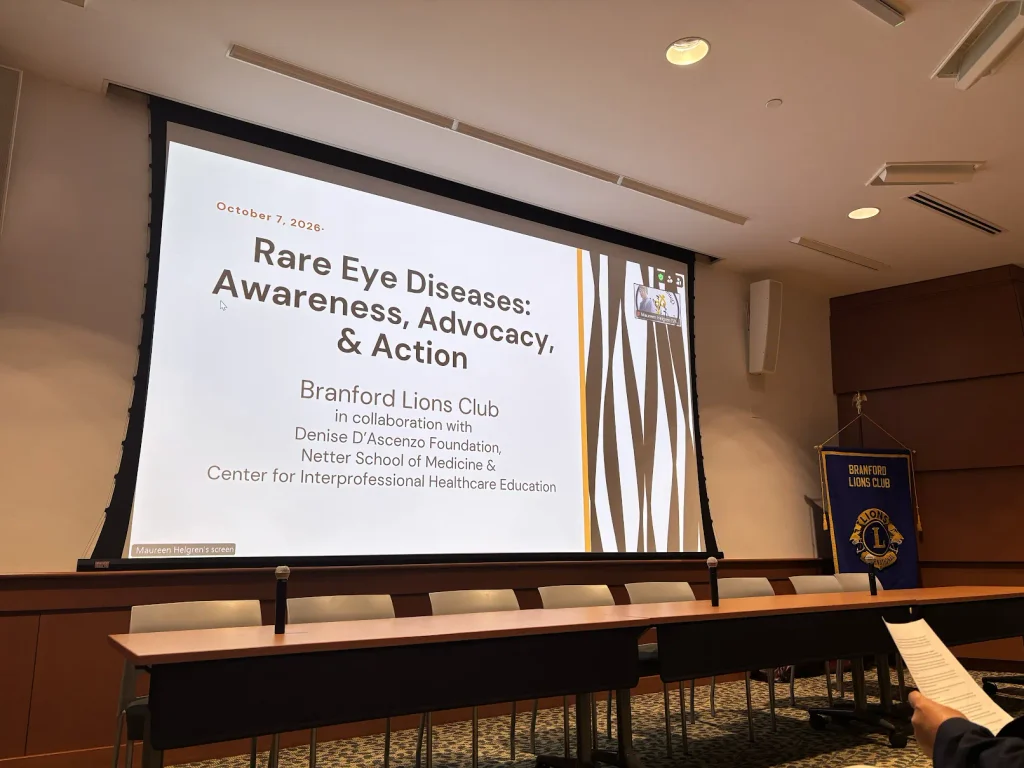
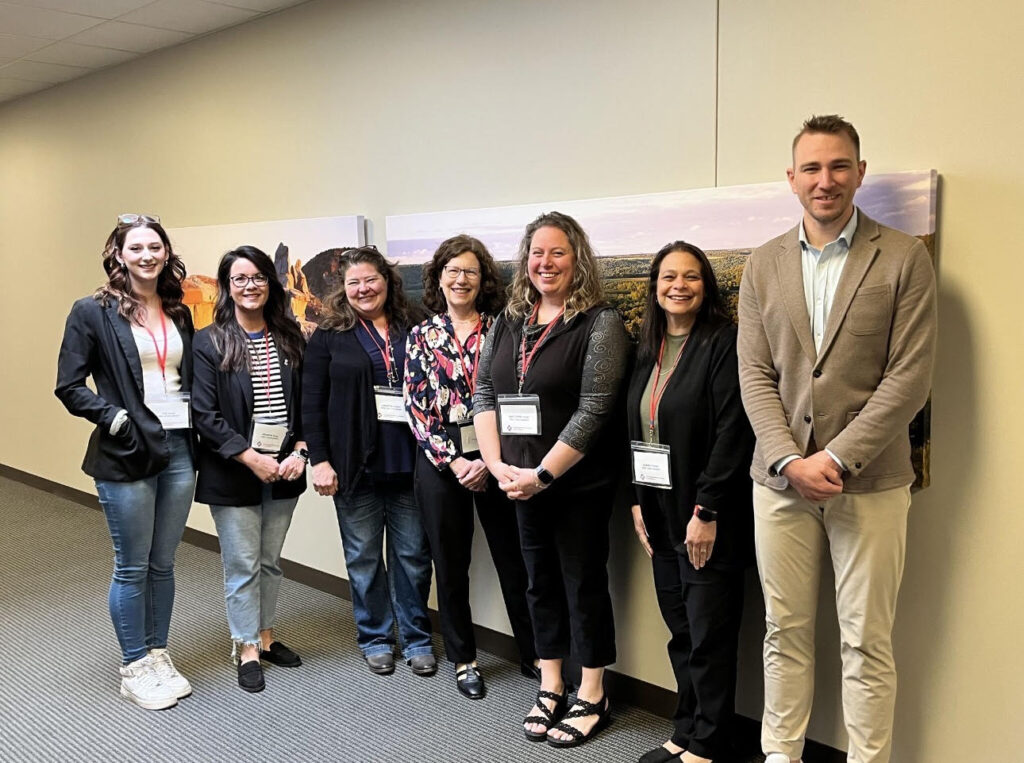
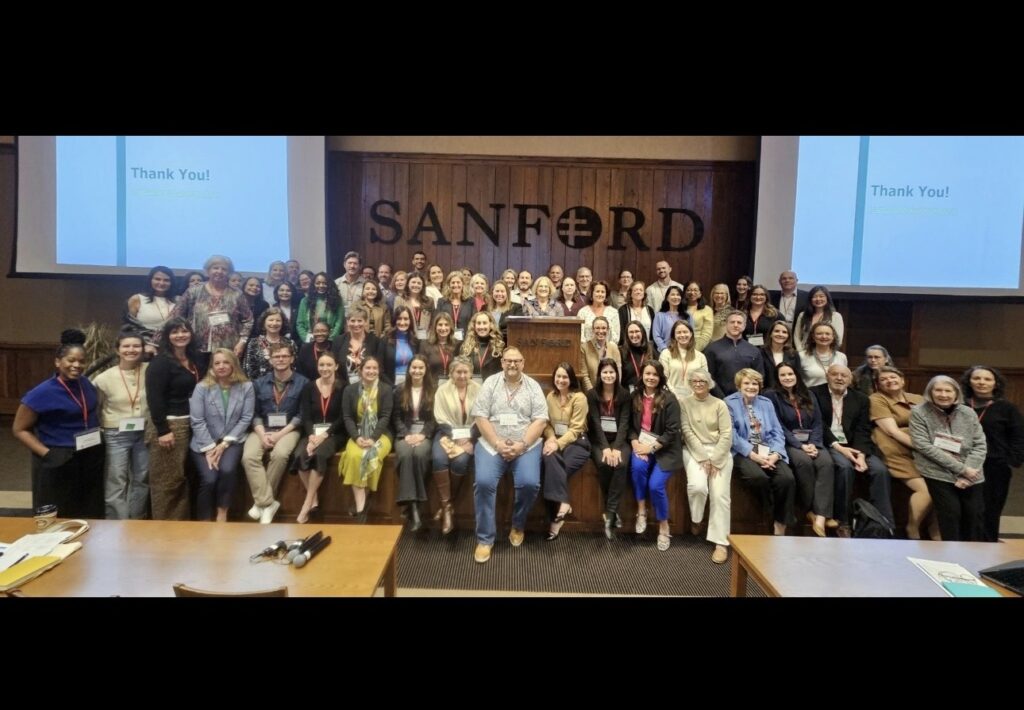
On October 7, Hope in Focus joined the Branford Lions Club at Quinnipiac University in Hamden, Connecticut, for “Rare Eye Diseases: Awareness, Advocacy and Action.” Held in collaboration with Quinnipiac University’s Frank H. Netter MD School of Medicine and the Denise D’Ascenzo Foundation, the event brought together local Lions Club members, patient advocacy organizations, medical students, healthcare professionals, patients, and caregivers to discuss rare eye diseases and their impact on individuals and families.
Rare Eye Disease presentation by the Branford Lions Club
The meeting focused on raising awareness of rare eye diseases, exploring the challenges faced by those affected, and identifying opportunities for the Lions to support meaningful education, advocacy, and community engagement.
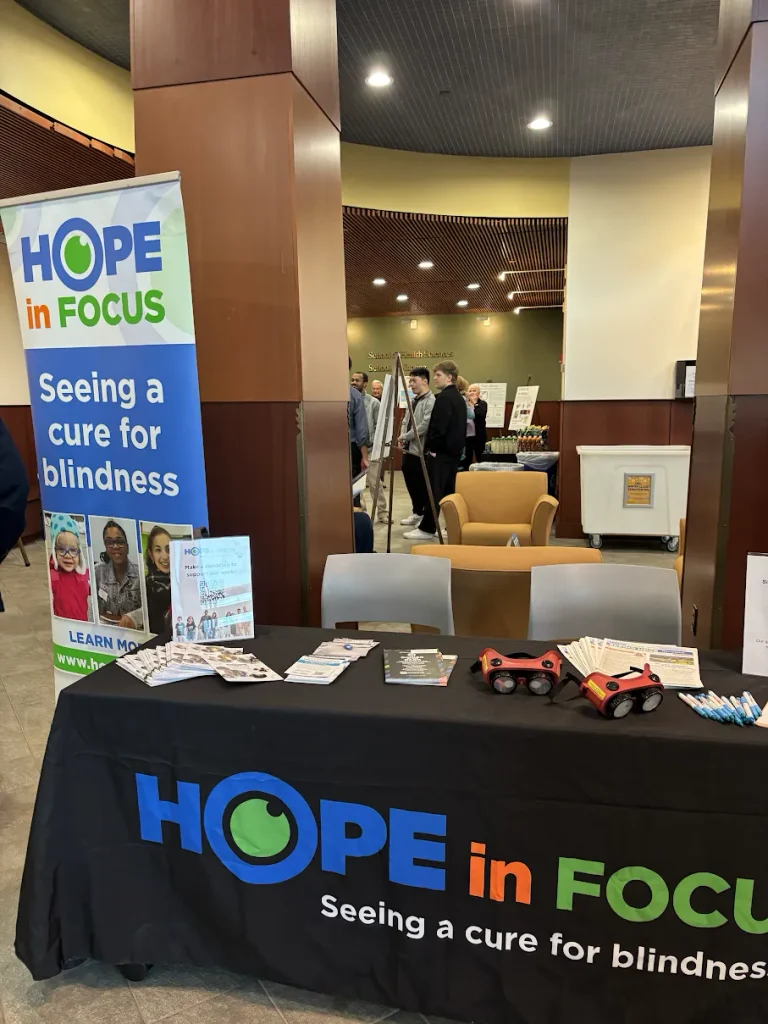
As part of Hope in Focus’ mission to advance the development of treatments for blindness caused by Leber congenital amaurosis (LCA) and other rare inherited retinal diseases (IRDs), we were grateful for the opportunity to share our work, connect with community members, and help raise awareness of the needs of individuals and families living with these conditions. Hope in Focus also hosted an informational table where attendees could learn more about LCA, inherited retinal diseases, and available resources.
Exploring Rare Eye Diseases and the Challenges They Present
The evening featured several panels and presentations highlighting different aspects of rare eye diseases, from medical research and diagnosis to the lived experiences of patients and families.
The first panel, led by Maureen Helgren, PhD, provided an overview of rare diseases, emphasizing the importance of awareness and the challenges that individuals and families often face when navigating these conditions.
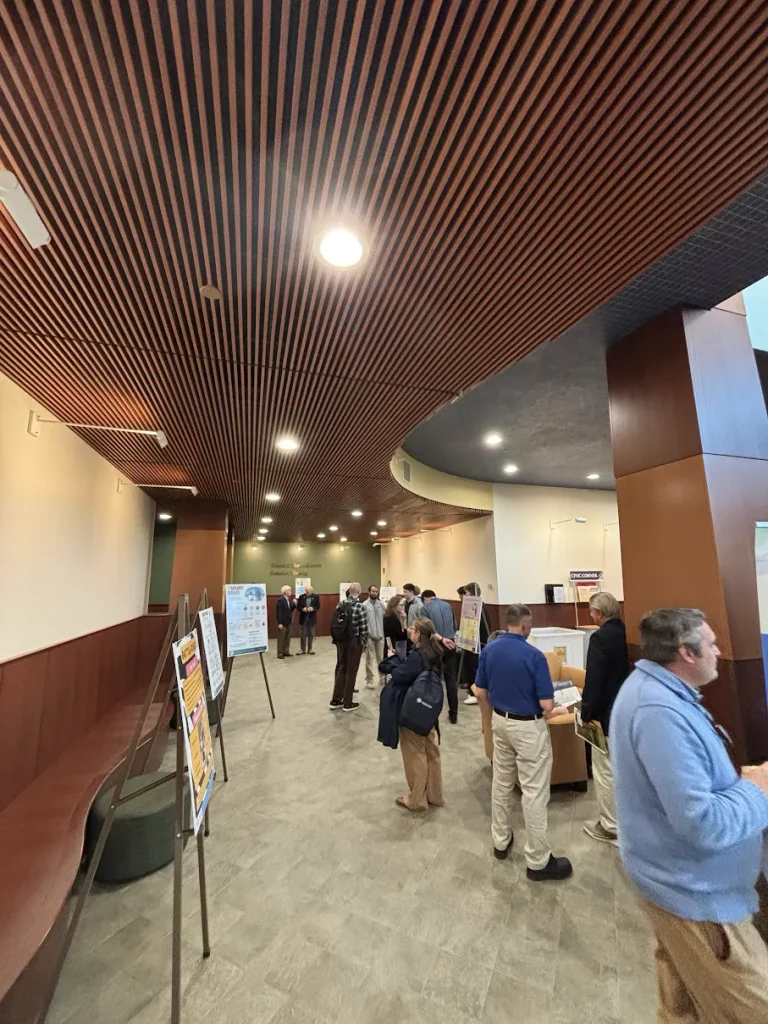
Lobby with informational posters
Four medical students from Quinnipiac’s Netter School of Medicine followed with presentations on four eye diseases: Cogan syndrome, retinitis pigmentosa (RP), choroidal melanoma, and Stargardt disease. Their presentations offered attendees an opportunity to learn more about these conditions and the importance of continued education among future healthcare professionals.
The Patient and Family Perspective
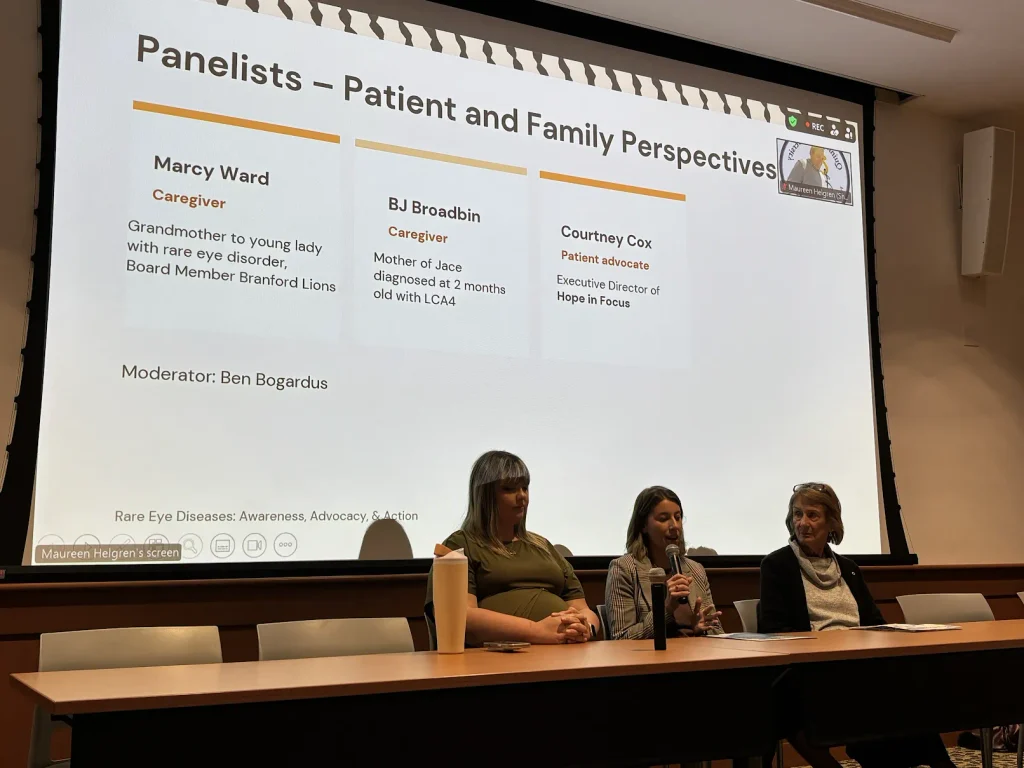
Hope in Focus Executive Director Courtney Coates participated in a panel focused on the experiences of patients and families affected by rare eye diseases. She was joined by two LCA caregivers, DJ Broadbin, mother of Jace, and Marcy Ward, grandmother of Michelle Ward.
Jace is one of four children who received an eye injection in London as part of a clinical trial for LCA4 associated with mutations in the AIPL1 gene. Michelle is a young woman living with LCA8, a mutation in the CRB1 gene.
Patient and Family Perspective Panel
Together, the panelists discussed the realities of navigating a rare diagnosis and the importance of genetic testing, accessible education, and stronger connections between medical professionals and the patient community. They also highlighted the need for appropriate assistive technology, educational tools and resources to help individuals with vision loss thrive in school and everyday life.
Their perspectives underscored the importance of ensuring that patients and families are active participants in conversations about research, treatment development, and the resources available to them.
The discussion continued with Dr. Matthew Bakhoum, physician and scientist at Yale School of Medicine, and Michelle Wyatt, President of the Connecticut Lions Eye Research Foundation (CLERF). Together, they explored the role of research and education in advancing the understanding and treatment of eye diseases, as well as the broader impact of community support for these efforts.
The evening concluded with a panel titled “From Ideas to Action,” which explored ways the Lions could turn the conversations and ideas shared throughout the meeting into meaningful, lasting change. One proposal was to create a new Lions Club at Quinnipiac University, along with a five-year plan to guide future initiatives and community impact.
Building Connections and Looking Ahead
Hope in Focus is grateful to the Branford Lions Club, Quinnipiac University’s Netter School of Medicine and the Denise D’Ascenzo Foundation for bringing together such a dedicated group of individuals committed to improving the lives of those affected by rare eye diseases.
Hope in Focus table
Events like this create valuable opportunities to connect patients and families with healthcare professionals, researchers, students, and community advocates. They also help build awareness of LCA and other inherited retinal diseases while encouraging new partnerships and ideas that can move the community forward.
We were especially glad to meet new members of the LCA community, reconnect with familiar faces and share information about Hope in Focus and the resources available to individuals and families affected by these conditions.
Through continued education, advocacy, and collaboration, we can help build a stronger, more connected community working toward a future with treatments for inherited retinal diseases.
PAO’s Intermediate group with speaker Rob Long, Executive Director of Uplifting Athletes
The Sanford Research Center hosts the largest registry in the U.S. for patients with rare diseases, primarily children. Work done at Sanford Research led to the first-ever clinical trial using gene therapies for one of these diseases. PPALS provides an environment where conversations and collaborations with industry and other patient advocacy organizations can happen naturally. The training provides opportunities for connected conversations in a small-group setting.
This is Eve’s second year, joining the intermediate course in the Patient Advocacy Organization (PAO) group. “I am excited to be involved again with PPALS and meeting other people who help push for treatments, engage in advocacy, and provide resources for our community,” Eve said. “I’ve learned more about the industry and gained a comprehensive understanding of our space, while building connections within the rare disease community to bring new information, ideas, and opportunities back to Hope in Focus.”
One session that stood out to Eve was “Fundraising and Beyond” led by Terri L. Klein, CEO and President of the MPS Society. Klein discussed the MPS Society’s work and explained how various fundraising and community engagement strategies can effectively support and grow patient advocacy organizations. The session also gave PAO participants the opportunity to strategize together and discuss ways to better connect with and support their communities.
Experiences like PPALS continue to help Hope in Focus expand its connections, strengthen advocacy efforts, and bring valuable resources to the rare disease community.
One woman called doctor after doctor, only to hear they would not treat her and her two rare pediatric conditions because she turned 18 and no longer qualified for help.
Another fights for life-saving medicine to treat her rare disease that causes dangerous swelling.
While another faces $60,000 in annual medical expenses for her two teenagers living with a rare metabolic disorder requiring a special diet to stave off life-threatening symptoms.
“The medicine is there but you can’t get to it,” Candice Flewharty told the group gathered in Hartford, Connecticut, for Rare Disease Day. “Each phone call I make is a battle for my childs’ lives.”
State Sen. Cathy Osten, who has proposed legislation requiring insurance coverage for medical foods, accompanied Candice and her daughter to the gathering.
Candice Flewharty (L) with State Senator Cathy Osten
People living with rare diseases told their stories to Connecticut legislators on Rare Disease Day on March 23, about a month after a New England snowstorm canceled the event usually celebrated the last day of February.
Through the state’s newly minted Rare Disease Advisory Council, known as the RDAC, legislators of Connecticut’s General Assembly now have a collaborative and organized way to improve the lives of residents living with rare diseases.
The council’s first report of its findings and recommendations is due in November. Click here for a summary of the RDAC legislation, effective last July.
Lesley Bennett, CT-RAN State Volunteer and new RDAC member
The council will give patients, families, caregivers, health care providers, advocates, researchers, and other stakeholders the opportunity to make formal recommendations to state agencies and the legislature on ways to develop policy and health care legislation to improve the lives of those people living with rare disease and their caregivers, according to Lesley Bennett, Volunteer Ambassador for the Connecticut Rare Action Network (CT-RAN) of the National Organization for Rare Disorders (NORD).
Connecticut Gov. Ned Lamont signed legislation establishing the council after rare disease advocates worked for years to get it going.
“We did it,” Lesley said. “It took eight years, but we did it.”
Introducing six new council appointees
Rare Disease Advisory Council members will include Insurance, Public Health, and Social Services commissioners, or their designees, and 10 members appointed by the Governor and the Public Health Committee leadership. Six new members were introduced at the Rare Disease Day event; four have yet to be announced.
James Rawlings, President/CEO Sickle Cell Disease Association of America Connecticut Chapter, and new RDAC member
The six members and their council roles are:
Patient Advocate Representative: Lesley Bennett, RDAC Coalition Leader and CT-RAN Volunteer State Ambassador.
Pediatric Patient Representative: Saurabh Vaidya, Connecticut Hemophilia Society President, and father of a son with hemophilia.
Caregiver Representative: Mary Caruso, Friedreich’s Ataxia Research Alliance Founding Member, and caregiver for two adult children living with the disease.
Researcher: Joanna Gell, MD, Pediatric Oncologist and Hematologist, Connecticut Children’s, and Research Scientist, Jackson Laboratories.
Physician Treating Rare Disease Patients: Emily Germain-Lee, MD, Division Head, Pediatric Endocrinology & Diabetes; Director, Center for Rare Bone Disorders, Albright Center, and Osteogenesis Imperfecta Center.
Patient Representative: James Rawlings, R.PH, MPH, President/CEO Sickle Cell Disease Association of America, Connecticut, Michelle’s House.
“Everybody is here to help each other out.”
State Senator Saud Anwar
Connecticut Public Health Committee Co-Chair Sen. Saud Anwar told the gathering the time is here to find solutions to take care of and invest in the health of the rare disease population, saying the council must go forward with this mindset:
“Every illness is treatable. Every disease has an answer and a solution.”
The senator spoke about the realities of national and international collaborations resulting in developing regenerative medicine.
“We will put our hearts together a make sure we come out of the room with solutions. Everybody is here to help each other out.”
Connecticut Public Health Committee Co-Chair Rep. Cristin McCarthy Vahey told the group, “I look forward to working with you and being supportive in making things happen for all of you.”
State Representative Cristin McCarthy Vahey
Fewer than 40 treatments existed for rare disease 40 years ago; the number is now 600, according to Annissa Reed, NORD’s Associate Director of State Policy. She said she hopes the collaborative effort makes the dream of finding more rare disease solutions and access to medicine a reality.
Connecticut-based Hope in Focus advocated throughout the years with the Rare Action Network to help create the council, with Co-Founder and President Laura Manfre attending the Rare Disease Day event.
Hope in Focus’ Laura Manfre with Brian Rosen of Axion Pharmaceuticals
Connecticut joins 24 states in establishing a council specifically to address the complexities of living with a rare disease, caring for someone with a rare disease, gaining access to treatment, and getting better insurance coverage. To find out whether your state has an RDAC or is developing one, please go to: https://rarediseases.org/rare-disease-advisory-councils/map/.
The council is critical, as it is exponentially more difficult for the rare disease population – inherently fewer in number than the rest of Connecticut – to have a voice on the state level.
A rare disease in the United States is characterized as any disease, disorder, illness, or condition affecting fewer than 200,000 people. With more than 7,000 known rare diseases, upwards of 90 percent have no FDA-approved treatment. About 1 in 10 people – more than 30 million Americans – live with a rare disease.
Most rare diseases are genetic or have a genetic component, more than half of those affected by rare diseases are children, and all pediatric cancers are rare.
Dominic Cotton, a rare disease parent and co-leader of the RDAC Coalition, thanked the Department of Public Health and its nearly 60 years of support for newborn screening.
“Without newborn screening, my son wouldn’t be alive today.”
Kristen Angell and Jennifer Huron of the National Organization for Rare Disorders (NORD)
Every newborn in Connecticut is assessed for a range of diseases, and each year more than a hundred babies tested for any one of the diseases are on a critical, early-intervention path leading to keeping a disease in check and people living fulfilled lives.
Kristen Angell, NORD’s Associate Director of Patient Advocacy, said the gathering is important for our population living with rare diseases.
“It gives them an opportunity to speak face to face with our General Assembly and let them know the daily struggles and challenges they face, and it provides the legislators an opportunity to assist in making a possible impact.”
Access to medication a matter of life or death
Rare Disease Day is all about awareness. Here is a sampling of what legislators learned from people living with rare diseases:
Pamela Johnson and her 10-year-old son have a rare, life-threatening disease called Hereditary Angioedema (HAE), a genetic condition that can cause severe swelling in various parts of the body and affects about 1 in 50,000 people globally. She has a well-paying job and feels she should be able to afford to pay for her medications, but they cost $90,000 a month.
With no access to life-saving drugs in 2017, she underwent two surgeries for severe swelling in her throat. Without medication, two or three times monthly, she would experience attacks making it extremely difficult to breathe.
Pamela Johnson
David Leeds, who helped with the day’s introductions and has HAE, highlighted one aspect of life more difficult with a rare disease – getting treatment at a hospital. It is a place of stress, anxiety, and fear of not receiving the treatment he needs because doctors and nurses never encountered his disease.
He described two published investigations of major insurance companies denying coverage for medication to help people live. Insurance companies, rather than treating doctors, are deciding who gets to have medication and who doesn’t.
“This is every day for rare disease patients.” he said. “Insurance companies cannot be relied upon to determine what is medically necessary.”
***
Megan Freeman said no one should ever have to go through what a person living with a rare disease has to experience.
As if it were yesterday, she remembers the day she got her diagnosis, and her response:
Alissa DeJonge (L), Megan Freeman, and her friend Elizabeth Nagle
“Am I going to die? Am I going to live? Am I going to be able to live to get married and live to have kids.”
Megan lives with 2q37 deletion syndrome. She is one of about a hundred people worldwide with the ultra-rare chromosome disease that can affect many parts of the body. She is an advocate and founder of her own rare disease organization. She praised the legislators for creating the RDAC, saying, “I give you guys an A for effort!”
***
Rachel O’Grady was diagnosed as an adult with two pediatric conditions: Tethered Cord Syndrome, a neurologic disorder caused by tissue attachments limiting spinal cord movement, and Spina Bifida Occulta that causes a small gap in the spine. Any resources for Rachel in Connecticut dried up when she turned 18, no longer qualifying for help as a minor.
“They would not see me, nor would they treat me,” she said. Maxed out in medical debt, she found help in Massachusetts.
***
Alissa DeJonge’s sixth-grade son lives with a bleeding disorder called Hemophilia A. She knows people living with rare diseases make tough choices, given the huge cost of necessary medicines, and looks forward to having the new council work to protect patient care, help caregivers, and allow parents to take time off from work.
***
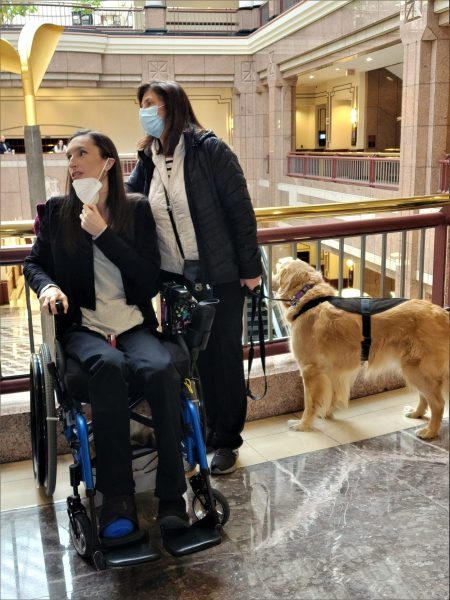
Kelly Considine, with her mother, Susan, and service dog, Gunner, in the atrium of the Legislative Office Building
Kelly Considine, accompanied by her mother, Susan, came to raise awareness about and promote research for a rare chronic pain disorder she lives with called Complex Regulatory Pain Syndrome.
Kelly characterized the disease as the most painful condition known to modern medicine. She receives some relief from an implanted therapeutic device and receives help and love, from her mother and her service dog, a golden retriever named Gunner.
***
Amy LaChance, the mother and caregiver of a child with Syngap1, a genetic mutation affecting 1,200 people worldwide, said people need access to genetic testing to support research and trials for a treatment to fix this genetic typo.
It makes a difference when people with rare disease tell lawmakers their stories about needing access to tests and medicine, saying, “The squeaky wheel really does get the grease.”
Biotechnology growth important to state economy
Paul Pescatello, JD, PhD, is Senior Counsel and Executive Director of the Connecticut Bioscience Growth Council, a committee of the Connecticut Business and Industry Association’s biotech and biopharma members.
Amy LaChance
The bioscience council fosters collaboration with the life-science institutions of biotech and biopharma, and with the state to help grow this sector of Connecticut’s economy. Developing a new medicine costs about $2.7 billion and takes 12 to 15 years, he said.
“Essentially, it costs what it costs, no matter the size of the patient population,” he said. “That’s why it’s important to underscore how rare disease new medicine research typically leads to many insights and advances in drug development for larger patient populations.”
Keep telling your rare disease stories
Representative Vincent Candelora, house minority leader and rare disease champion, urged people to tell their stories to make people aware so lawmakers can help fashion policy to help them.
“If we don’t hear from you, it’s harder for us to do our job. It’s the true stories that tell us everything that’s going on.”
His advice echoed the encouragement we at Hope in Focus give to our LCA and IRD community – tell your stories to feel less isolated in your journey of living with a rare inherited retinal disease and to help advance research into treatments to improve vision or to halt vision loss.
The council will give patients, families, caregivers, health care providers, advocates, researchers, and other stakeholders the opportunity to make formal recommendations to state agencies and the legislature on developing policy and health care legislation to improve the lives people living with rare disease and their caregivers.
The council will deliver its first report of findings and recommendations in November. Please click here for a summary of the RDAC legislation that Gov. Ned Lamont signed into law. Connecticut joins 24 states having a Rare Disease Advisory Council. To see whether your state is working to create such a group, please check here.
RDAC members will include Insurance, Public Health, and Social Services commissioners, or their designees, and 10 members appointed by the governor and the Public Health Committee leadership. Of those 10 appointments, here are the six announced at Connecticut’s March 23, 2023, celebration of Rare Disease Day:
Patient Advocate Representative: Lesley Bennett, RDAC Coalition Leader, and CT-Rare Action Network Volunteer State Ambassador, National Organization for Rare Disorders.
Pediatric Patient Representative: Saurabh Vaidya, Connecticut Hemophilia Society President, and father of a son with Hemophilia.
Caregiver Representative: Mary Caruso, Friedreich’s Ataxia Research Alliance Founding Member, and caregiver for two adult children living with that rare disease.
Researcher: Joanna Gell, MD, Pediatric Oncologist and Hematologist, Connecticut Children’s Hospital, and Research Scientist, Jackson Laboratories.
Physician Treating Rare Disease Patients: Emily Germain-Lee, MD, Division Head, Pediatric Endocrinology and Diabetes, and Director, Center for Rare Bone Disorders, Albright Center, and Osteogenesis Imperfecta.
Patient Representative: James Rawlings, R.PH, MPH, President/CEO Sickle Cell Disease Association of America, Connecticut, Michelle’s House.
We’ll let you know when the rest of the appointments are official. They include representation of hospitals, the biopharmaceutical industry, and people living with a rare disease.
Advocates for people living with rare diseases are collaborating with Connecticut Gov. Ned Lamont’s office and leaders of the Connecticut General Assembly’s Public Health Committee to build the state’s new Rare Disease Advisory Council (RDAC) that requires appointees, budgets, and bylaws be in place this summer.
Assistant Director of Advocacy for the National Organization for Rare Disorders (NORD) Kristin Angell joined Co-Ambassadors Katie Gillick and Lesley Bennett of NORD’s Connecticut Rare Action Network (CT-RAN) in hosting a Zoom conference with more than 30 people, including state legislators, patient advocates, doctors, researchers, industry leaders, health care providers, caregivers, and people living with rare disease.
The meeting included two representatives from Connecticut-based Hope in Focus and discussions about the range of needs to be addressed by the new council and the planning of next month’s celebration of Rare Disease Day on Feb. 28.
“We are working on it, and we will get it done,” Bennett said.
A rare disease is defined as one affecting fewer than 200,000 people nationwide. More than 7,000 known rare diseases affect an estimated one in 10 people in the United States, translating to about 30 million people or 10 percent of the country’s population. Globally, 300 million people live with rare diseases.
With the establishment of a permanent Connecticut RDAC, 13 members will be appointed to advise and make recommendations to the Department of Public Health, the Department of Social Services, and other state agencies about the needs of people living in Connecticut with a rare disease and their caregivers. Advisory councils may differ from state to state. Please click here to check whether your state has an RDAC or is working to establish one.
The cause of many rare diseases is unknown, but about 80 percent are genetic, such as LCA and other IRDs, and about half of all rare diseases affect children.
Getting state agencies to understand the rare disease population is key to the RDAC. Even something as simple as putting links to national rare disease resources on state government departments’ websites would be a big step.
More than 40 people submitted applications to become part of Connecticut’s council, and six have been appointed so far. The names of the new members will be announced when all 13 have been appointed.
The group will include insurance, public health, and social services commissioners, or their designees, and 10 members appointed by the Governor and the Public Health Committee leadership. Those 10 members will be:
a representative of an association of hospitals or a hospital administrator, and a physician with expertise in medical genetics
a representative of a patient advocacy group in the state representing all rare diseases, and a family member or caregiver of a pediatric patient living with a rare disease
a representative of the biopharmaceutical industry involved in rare disease research and therapy development, and an adult living with a rare disease
a member of the scientific community engaged in rare disease research, and a caregiver of a child or adult living with a rare disease
a physician who treats people living with a rare disease, and a representative, family member, or caregiver of a person living with a rare disease
Planning for Rare Disease Day
Following the midterm elections and changes in some legislative seats at Connecticut’s General Assembly, educating lawmakers is key to finding solutions for people living with rare disease to have the necessary access, resources, and educational tools to enjoy their best quality of life.
One person attending the meeting talked about the need for more doctors and patient advocates in Connecticut because people living with rare disease often must travel to another state for medical care. She also mentioned the potential of patients being charged for sending simple questions to doctors through computer health care portals, and whether lawmakers attending upcoming Rare Disease Day events could help mitigate or eliminate those costs.
Connecticut Gov. Ned Lamont signed into law years-in-the-making legislation establishing a permanent Rare Disease Advisory Council (RDAC), effective July 1, 2022.
“This RDAC will give patients, families, caregivers, health care providers, advocates, researchers, and other stakeholders an opportunity to make formal recommendations to state agencies and our legislature on ways to develop public policy and health care legislation that will improve the lives of those impacted by a rare disease in Connecticut,” Bennett said.
Connecticut-based Hope in Focus advocated over the years with the Rare Action Network for the establishment of the council. The state created a temporary rare disease task force in 2017 that never got off the ground.
This year, in a short legislative session – with lots of input from advocacy organizations, patients, caregivers, doctors, researchers, and advisory council members from other states – Connecticut’s governor signed into law House Bill 5500, now Section 48 of Public Act 22-58, establishing a permanent RDAC.
Laura Manfre, Hope in Focus Co-Founder and Board Chair, commended the action, saying it will bring much-needed awareness to rare diseases.
“Helping people living with rare disease all begins with awareness and Connecticut’s Rare Disease Advisory Council will help with that, and more, for the 7,000 known rare diseases affecting 25-30 million people, about 10 percent of the country’s population,” she said.
“Rare disease by definition needs all the attention it can get and establishing a Rare Disease Advisory Council in Connecticut can only bring more awareness to those living with rare conditions and bring needed support to help improve people’s lives.
Hope in Focus representatives testified in the last several years at the capitol in Hartford in support of establishing a permanent council by educating legislators about our organization and LCA to demonstrate in human terms the necessity for such a council.
We told them that LCA is characterized by severe vision loss at birth, and that while some children are born with little or no vision, others may have significant vision loss in the first few years of life, stable vision for a time, and, as the retina deteriorates, eventually blindness.
We let them know that LCA patients living with one form of the rare inherited retinal disease and treated with the gene therapy LUXTURNA® experienced dramatic changes in their lives with improved or restored vision. Five, 6, 7-year-old children treated with the breakthrough drug view life in a new light in big and little ways, and they now can see rainbows arcing in the sky and stars shining at night.
The legislators also needed to know that the optimal window for reversing vision loss is during the early phase of the disease. Current clinical trials and preclinical research give hope to those with one of the 26 other gene mutations identified to cause LCA, as those scientific studies are critical to advancing treatments for LCA and other IRDs.
After the U.S. Food and Drug Administration approved LUXTURNA® in 2017, several states attempted to pass laws denying access to treatment to individuals, saying a certain degree of blindness must be met before they could access treatment. Such restrictions are unacceptable and go against federal health recommendations, which state the earlier the intervention, the better the expected outcome.
Hope in Focus made the point that no one who qualifies according to FDA guidelines should ever have to wait to be “blind enough” to receive access to treatment. We, along with other organizations, were quick to call these states out and urged the Connecticut General Assembly to support patient access to FDA-approved treatments.
Rare Disease Advisory Council Specifics
The new law establishes a 13-member Connecticut RDAC to advise and make recommendations to the Department of Public Health and other state agencies about the needs of people in the state living with a rare disease and their caregivers. Advisory councils may differ from state to state in some ways. Click here to check whether your state has an RDAC or is working to establish one.
Council members will include insurance, public health, and social services commissioners, or their designees, and 10 members appointed by the governor and the Public Health Committee leadership.
The 10 members are:
a representative of an association of hospitals or a hospital administrator, and a physician with expertise in medical genetics.
a representative of a patient advocacy group in the state representing all rare diseases, and a family member or caregiver of a pediatric patient living with a rare disease.
a representative of the biopharmaceutical industry involved in rare disease research and therapy development, and an adult living with a rare disease.
a member of the scientific community engaged in rare disease research, and a caregiver of a child or adult living with a rare disease.
a physician who treats people living with a rare disease, and a representative, family member, or caregiver of a person living with a rare disease.
Initial appointments are required to be made by Oct. 31, 2022. Under the law, five of the first-appointed members serve two-year terms; five members serve three-year terms, and all members serve two-year terms thereafter. Members are not compensated for their services but may be reimbursed for necessary expenses.
The advisory council is required to meet in-person or remotely at least six times between Nov. 30, 2022, and Oct. 31, 2023, and quarterly thereafter. The council also must provide opportunities for the public to make comments, hear council updates, and provide input on council activities.
The council also can hold public hearings to solicit comments from the public to assist with a study or a survey about people living with rare disease, their caregivers, and their health care providers.
The RDAC can consult with experts to develop policy recommendations and conduct research to make recommendations covering treatment, care, safeguards against discrimination, health insurance coverage, drug formularies, and more.
The law also requires the council, starting by Nov. 30, 2023, to annually report to the governor and the Public Health Committee on its findings and recommendations, including council activities, research findings, and legislative recommendations; and potential funding sources for its activities, including grants, donations, sponsorships, or in-kind donations.
The first meeting of the council will be by Nov. 30, 2022.
Children living with visual impairment become more independent and empowered when parents set high expectations for their kids and challenge them every day.
Just ask Beth Borysewicz. In her role with Connecticut’s Bureau of Education Services for the Blind, she makes a living helping children with visual disabilities realize their potential as strong, self-determined adults. And she’s the first one to say, often with tears in her eyes, that her job is to work herself out of a job.
Beth Borysewicz
She described her work in helping children from birth to 22 years old with visual impairment or blindness become more independent as adults as part of the Hope in Focus “Let’s Chat About …” webinar series. Our March episode, moderated by Courtney Coates, Director of Outreach and Development, featured Borysewicz, an Education Consultant for the Department of Aging and Disabilities, Bureau of Education Services for the Blind.
We developed the series with those living with Leber congenital amaurosis (LCA) and other rare inherited retinal diseases (IRDs) in mind, but we invite all members of our community, including those in research, industry, and the regulatory communities to join any of the sessions, as we look ahead to a common goal of advancing treatments for rare retinal disease. Click here to view this episode.
Borysewicz found her passion working with the blind and low-vision community unexpectedly 16 years ago, when she had a 3-year-old student named Sofia, who was diagnosed with LCA. Yes, that would be the same Sofia as in Sofia Sees Hope, our organization’s original name until a recent rebranding to Hope in Focus. Borysewicz also is Vice Chair of our Board of Directors.
She said parents need to be the biggest advocates for their children.
“If you think your child is not getting what they need, you can ask for it.”
She also encouraged connections with people who have been on this journey before, bringing to mind the Hope in Focus Family Connections program that helps ease feelings of isolation that can arise when a family member is diagnosed with a rare disease.
“It’s the people that have already gone through it who will help you the most, including Hope in Focus. That’s why I’m on the board. What Hope in Focus does for families is immeasurable.”
E.C.C. comes from the perspective of teaching students with blindness or low-vision and encompasses nine areas: Compensatory Skills, Orientation and Mobility, Social Interaction, Independent Living, Recreation and Leisure, Sensory Efficiency, Assistive Technology, Career Education, and Self-Determination.
The curriculum is more than a checklist or lesson plans for learners with a visual impairment, according to The E.C.C. and Me website. It’s all the little things we do every day, done with intention so children with visual impairments can learn skills they need for a fulfilling life.
“I wish everyone would do what I do,” Borysewicz told her webinar audience. “There is a shortage worldwide of TVIs.”
She advised parents to set expectations high for their children, challenge them every day, and give them a safe place to learn.
“Children can do anything they set their minds to. Do anything you can do to empower them,” she said. “Celebrate everything. Celebrate every little thing.”
She talked about self-determination, saying it’s her favorite part of the curriculum and the most important.
“It’s teaching a child to believe in themselves and just take that leap,” she said. “It’s taking that step off the curb to cross the street with a cane or initiating a conversation at a lunch table that builds self-confidence.”
Making Learning Fun and Exciting
Her work with people from birth to age 22 encompasses figuring out resources for newly diagnosed children, for school-aged students, and for young adults transitioning to the workforce or college.
“I switch hats from appointment to appointment every day,” she said. “As you can tell, I love my job.”
“It’s so important for the student to say, ‘This is what I need and why I need it,’ and just building those skills will make them successful as adults.”
And a lot of it is fun, especially with Borysewicz who excels in the Recreation and Leisure department. It goes back to when she was growing up and her dad always told her she was good at playing with people and should get a degree in play.
She implements that play degree often by creating board games to make math more fun or putting together programs to help students from prekindergarten through grade 3 explore the nine E.C.C. areas in their daily lives.
In an Expedition to Explore, students in the Young Passport Program worked on accumulating life skills at home over the summer. Each student has a passport consisting of pages designated for each of the nine E.C.C. areas, with a slant toward adventure. For example, “Career Education Caves” focuses on conversational skills, encouraging children to stay connected with their friends over the summer, known in the business world as networking, and holding mock interviews with their siblings or stuffed animals.
In “Self-Determination Safari,” a goal is to get the child to ask for help. A parent asks a child to do an unfamiliar chore, such as taking out the trash or putting toys away but doesn’t give guidance on how to do it or where to put the trash or toys, prompting or encouraging the child to ask for assistance or directions.
“Social Skills Glaciers” encourages children to spread kindness to neighbors and the community and recommends an online guide called “100 Acts of Kindness for Kids.” Activities include listening, following directions, taking turns, ignoring distractions, cooperating, and showing empathy. (Sounds great for adults, too!)
Resources for People with Blindness or Low Vision
Borysewicz talked about her work from the perspective of Connecticut and said services may differ from state to state.
She authors a blog dedicated to professionals, families, and students called I Love Brl (Braille) and she provided webinar viewers this list of resources:
Rare Disease Day 2022 kicked off today as people gathered across the country, including us here at Hope in Focus, to raise awareness and generate research for treatments and cures for rare diseases, including Leber congenital amaurosis and other rare inherited retinal diseases.
Hope in Focus joined more than 30 advocates gathered for a virtual celebration of Connecticut’s Rare Disease Day. The day, officially acknowledged annually on the last day of February, is celebrated nationally and globally as a concerted effort to raise awareness, to grant access to medications, therapies, and state services, and to encourage research on the more than 7,000 rare diseases.
The Rare Action Network (RAN) of the National Organization for Rare Disorders (NORD) organized Connecticut’s Rare Disease Day activities, the highlight of which was to inform the state legislature of the vital importance of establishing a Connecticut Rare Disease Advisory Committee (RDAC).
Courtney Assad, Hope in Focus Director of Outreach and Development, presented a statement from our organization in support of and RDAC, telling the group that research and investment paid off immeasurably with the development by Spark Therapeutics of LUXTURNA®.
“LCA patients treated with LUXTURNA® experienced dramatic changes in their lives with greatly improved or restored vision,” she said in the statement. “Five, 6, 7-year-old children treated with LUXTURNA® view life in a new light in big and little ways. They can now see rainbows arcing in the sky and stars shining at night.”
One in 33,000 people are affected by LCA, which represents 5 percent of all retinal dystrophies.
More than 20 states have established such councils and RAN is working toward creating a group for each state. This year, Connecticut’s attempt to establish an RDAC has move farther along than any of the efforts that began in 2015. A task force met a dozen times between 2017 and 2019, but a paper reporting the group’s recommendations never made it to the Public Health Committee of the Connecticut General Assembly.
RAN and NORD drafted legislation referred to as House Bill 5260 and called “An Act Establishing a Rare Disease Council.” We received great news that that the legislation was formally introduced and has been referred to the Joint Committee on Public Health. A public hearing is expected to be scheduled to hear testimony supporting the proposed legislation.
The council would advise and make recommendations to the Department of Public Health and other state agencies, regarding the needs of people in the state living with a rare disease and their caregivers.
It would consult with rare disease experts, develop policy recommendations for improving access to quality medical care, affordable and comprehensive insurance coverage, medications, medically necessary diagnostics, timely treatment, and other necessary services and therapies.
The RDAC also would perform a host of other functions in support of the 250,000 to 300,000 people living with rare disease in Connecticut. You can view the text of the legislation here.*
Rare disease affects more than 25 million Americans. This equates to 1 in 10 Americans, or one on every elevator and four on every bus, according to the National Institutes of Health (NIH). More than 300 million people worldwide live with a rare disease.
Thirteen members would make up the group that includes the commissioners of public health, social services and insurance or their respective designees
A hospital representative and a physician licensed in medical genetics would be appointed by the governor.
Other members would represent patient advocacy groups, family members or caregivers of a pediatric patient living with a rare disease, a caregiver of a child or adult living with a rare disease, an adult living with a rare disease, a rare disease scientist, a rare diseases physician, and a member of the biopharmaceutical industry.
Kristen Angell, NORD Associate Director of Advocacy, and Lesley Bennett, Volunteer State Ambassador for Connecticut’s RAN, organized the event.
Connecticut’s Lt. Gov. Susan Bysiewicz opened the session saying never doubt the power of advocacy and passionate volunteers that have extensively lobbied her and many others in the statehouse to create a RDAC.
“I have a lot of hope. I know my colleagues in the legislature are people of great compassion who will be working for you.”
U.S. Sen. Richard Blumenthal also offered a statement on the event: “This Rare Disease Day, I’m proud to join the National Organization for Rare Disorders as we renew our commitment to supporting patients, families, and essential caregivers. With robust federal investment, we can and will spur innovation of research, treatments, and cures for those living with rare diseases – saving countless lives in Connecticut and across the country.”
More than a dozen people – advocates, caregivers, patients, doctors, and businesspeople – shared their stories. Many of them are parents of children living with rare diseases, such as rare muscle disorders, rare pediatric cancers, rare genetic disorders, and other diseases that often are described as pediatric Alzheimer’s and juvenile ALS (amyotrophic lateral sclerosis, known as Lou Gehrig’s disease.
Connecticut State Rep. Mitch Bolinsky, one of the legislators in on the meeting, said, “WOW! What an incredible group of advocates. You got us to the finish line and now we just have to get ourselves over it.”
We hear a lot these days about the necessity of the patient voice in developing treatments, especially for people living with rare disease, such as Leber congenital amaurosis (LCA) or other rare inherited retinal diseases (IRDs).
So, how does the voice of the patient manifest in helping speed up the process of drug development and bringing treatments to market?
In several specific ways, according to Jill Dolgin, PharmD, Head of Patient Advocacy at a clinical-stage biotechnology company. Here they are:
Get a confirmed genetic diagnosis through genetic testing to determine the underlying cause of the disease.
Add your voice to science by joining a patient registry that gives researchers necessary information for clinical trials.
Take part in Natural History studies that glean knowledge and an independent understanding of diseases over time.
People also should tell their stories and bring awareness to as many people as possible to help advance research.
Dr. Dolgin leads Patient and Professional Engagement Strategy at Applied Genetic Technologies Corporation (AGTC), headquartered in Alachua, Fla., with offices in Cambridge, Mass. The company develops transformational genetic therapies for IRDs, and Dr. Dolgin works to drive disease and clinical trial awareness efforts for the AGTC pipeline.
Sofia Sees Hope featured her in its September webinar episode: “Let’s Chat About…the importance of the patient voice.” Director of Marketing and Communications Elissa Bass moderated the monthly series.
Dr. Dolgin has more than 20 years of global pharmaceutical experience in Medical Affairs, Corporate Communications, Patient and Professional Advocacy, and Public Policy. She earned a doctorate in clinical pharmacy from the University of the Sciences in Philadelphia and a Bachelor of Science in pharmacy from The Ohio State University.
At AGTC, she ensures that patient needs are considered and incorporated into every aspect of drug development. Externally, she collaborates with patient advocacy groups, such as Sofia Sees Hope, to educate patients and families about the importance of taking part in clinical trials, gene therapy, and the value of listening to the voices of patients and their families to help the media, healthcare professionals, payors, and policymakers understand the challenges encountered by patients as they live with rare retinal conditions.
Dr. Dolgin brings patient voices to the corporate table, noting AGTC’s mantra: “No decision about the patient without the patient.”
Genetic Tests, Patient Registries & Natural History Studies
Once a patient receives a clinical diagnosis of LCA, a genetic diagnosis via genetic testing is the next critical step toward advancing research. AGTC and Sofia Sees Hope provide funding to the Foundation Fighting Blindness (FFB) to help patients gain free access to genetic testing.
More than 100 mutations could cause various forms of eye disease; a confirmed genetic diagnosis narrows the condition to one or more gene mutations. The next steps include finding whether a treatment exists for the condition, whether technology exists to correct the mutation, and/or whether clinical trials are underway for that condition.
That’s when joining My Retina Tracker® registry, a free and secure online registry launched by FFB, comes into play. Dr. Dolgin talked about the necessity of this bank of patient medical information that gives voice to the patient and a role in contributing to science by driving research for LCA and IRD treatment and cures.
With rare disease, where the history and progression of the disease over time is particularly poorly understood and unknown, Natural History studies should be conducted before beginning a clinical trial.
Researchers gather specific information from patients to better understand a disease’s progression, using the data to assess whether an investigational treatment administered during a trial is affecting that progression.
Incorporating the patient voice into the development plan goes beyond the clinical trial, she said. Patient and caregiver feedback should be considered throughout the development and commercialization of a product. For example, when developing the formulation of a product given by mouth, researchers need to keep in mind the specific needs of patients, whether they be children, elderly, or anyone with difficulty swallowing, and consider developing a liquid product.
They also should consider ease of use in product packaging. Just trying to open the medicine bottle can be daunting for someone with arthritis. She jokingly said safety caps should be labeled adult-proof, rather than child-proof, because they’re so often difficult to open.
Becoming Part of a Clinical Trial
Dr. Dolgin’s job also includes discussing clinical trials as a treatment option and finding appropriate participants for clinical trials, a challenging task for developing treatments and cures for rare diseases with smaller pools of potential participants. A rare disease is one that affects fewer than 200,000 people.
Patients considering taking part in a clinical trial need to understand the process of clinical development, the goals, and the expected outcomes for each stage of development, from pre-clinical animal studies to human studies, she said.
Researchers divide human studies into three phases. In rare disease studies, they combine Phase 1 and Phase 2 studies because of the small number of patients. They design these early-phase trials primarily to assess safety over a wide dosage range and to assess potential biologic activity or efficacy in a small number of patients.
The final phase before Food and Drug Administration approval is Phase 3, in which researchers enroll a larger number of patients and administer the highest and safest dose given in the Phase 1/2 trial. The goals are to further assess any safety issues and evaluate the potential efficacy of a product in a larger number of participants. In rare disease trials, often fewer than 100 patients take part in each trial phase.
Even when a lot of people initially make up a pool of potential participants, those big numbers shrink fast when people understand the burden of time required to take part in the trial, including multiple scheduled visits in the first year of the trial.
Most IRD trials last 5 years to determine long-term efficacy and safety. The time commitment can impact childcare, time away from school, work, and family commitments. Time and expense for another person to accompany a clinical trial patient with vision loss is another variable. The trial’s sponsor generally covers travel and lodging costs, but patients should confirm whether that is the case before agreeing to participate.
A potential participant with a clinical and genetic diagnosis may not meet all the inclusion criteria because of the severity of their disease (either too good or too severe), or because they may have other medical conditions that might interfere with medications provided during the trial or the medication under investigation.
While more than a thousand gene therapy developers are out there, with 50 dealing with ophthalmologic drug development, Dr. Dolgin said, the road to a marketed drug is long and arduous, often taking 10 to 15 years from laboratory and animal studies to final approval for use in humans.
About a hundred trials for various eye diseases are in preclinical stages, with about 60 ongoing clinical trials. It’s a big trial-and-error process, she said, citing trial failure rates of 80 to 90 percent.
She described the two kinds of gene therapies on the market and in development, the first being gene addition, in which doctors insert a functional copy of the gene, and the second, gene editing, by removing the mutating gene and inserting the correct one.
Current AGTC Research Highlights
Along with AGTC’s patient advocacy work, Dr. Dolgin said the company has made exciting progress with three advanced clinical trials:
The first deals with X-linked Retinitis Pigmentosa (XLRP). Retinitis Pigmentosa (RP) describes a group of rare genetic eye diseases that damage light-sensitive cells in the retina, leading to loss of sight over time. Of the 200,000 RP patients, about 10 percent have X-linked RP, in which a mother passes down the non-working gene to her male children.
AGTC just completed Phase 1/2 of the XLRP clinical trial and is currently enrolling in a Phase 2 expansion trial and screening for participants for its Phase 3 trial to be initiated soon.
Achromatopsia (ACHM), an inherited condition caused by mutations in one of several genes, is the subject of two separate Phase 1/2 clinical trials for individuals with a mutation in either the CNGA3 or CNGB3 genes. ACHM is associated with extremely poor visual acuity, extreme light sensitivity, and complete loss of color discrimination.
AGTC completed Phase 1/2 clinical trial enrollment for both the CNGA3 and CNGB3 trials.
The free and secure online registry launched six years ago by the Foundation Fighting Blindness is being updated and your feedback is needed. The organization currently is conducting a “user-experience” survey of its membership to glean new ideas to make the registry more effective for patients and for researchers, according to the Foundation’s Todd Durham.
Now, through at least the end of June, you can contribute by taking the survey on the registry’s website and updating your profile. If you’re not already part of the registry, click here to join. The global registry has more than 18,000 members and is open to anyone with an inherited retinal condition and/or adult caregivers of children.
As the Foundation’s Vice President of Clinical & Outcomes Research, Durham is responsible for directing the organization’s Clinical Consortium of retinal experts, developing strategies to enhance product development, partnering with industry, and providing technical input on partnered programs and investment decisions.
The Foundation is the world’s leading private funder of retinal disease research and collaborates with patients, caregivers, researchers, and biopharmaceutical companies. That funding has been a driving force behind the progress toward cures, including the identification of more than 270 genes linked to retinal disease, and the launch of 42 clinical trials for potential treatments.
Durham discussed the patient registry and survey in our May webinar episode: “Let’s Chat About … Patient Registries and My Retina Tracker®.” Sofia Sees Hope Director of Marketing and Communications Elissa Bass moderates the free monthly webinar series. You can watch the webinar here.
Durham earned a Bachelor of Science in Public Health, a master’s in biostatistics, and a PhD in health policy and management (Decision Science and Outcomes Research) from the University of North Carolina School of Global Public Health. He has more than 25 years of drug-development experience.
Understanding Patients and Retinal Disease Through Data
A patient registry is a planned collection of data around a disease. My Retina Tracker distinguishes itself from others by focusing on inherited retinal degenerations or diseases with the purpose to understand genetics, prevalence of conditions, and impacts of IRDs on individuals’ lives.
The registry also enables researchers to find people for clinical trials, especially challenging work in the rare disease world of LCA and other IRDs.
Registry subsections include assistive devices, driving, visual symptoms, and the recently added “My Health Today,” a series of questions developed by the National Institutes of Health (NIH) to assess physical and mental health.
To become a member, click on ‘Register Now’ and follow the prompts to establish a username and password and to answer questions to build your personalized retinal health profile. You are then guided through a series of questionnaires developed by retinal clinicians, geneticists, genetic counselors, and rare inherited retinal disease researchers.
The registry becomes your personal retinal health record, updated by you and your doctors. Your history and testing results create a critical resource in tracking the progress of your disease and becoming part of a comprehensive database. It employs state-of-the-art technology to protect privacy and adheres to the highest standards of confidentiality and ethics.
Your disease information is accessible only to you, Foundation registry staff, and researchers who meet a rigorous scientific review application process to use the data for studies and to reach individuals to participate in clinical trials, Natural History studies, or focus groups. Your personal information is never shared with researchers.
It’s important to update your profile because the data unique to those living with LCA and other IRDs gives researchers a trove of opportunities for studies. The more complete the profile, the more likely you are to be contacted about a research opportunity.
“Many of our research collaborators may approach us with a research idea and a certain criterion they want to apply to their study, and we use as much data in the profile as we can to help find the right target for that study,” Durham said. “As your vision changes, as your life situation changes, we’d like to know the milestones along the way. That’s informative information.”
Enhancing Patient Registries through Survey Feedback
An important improvement to the registry would be the ability to highlight to its members the research emanating from the information given by registrants. Completing the survey and giving specific feedback will help accomplish this.
“The key focus right now is delivering back to the members some information that they find useful, that shows that they are contributing to science.”
The Foundation also wants to engage its registry membership more regularly with information tailored to profiles.
“Speaking with a number of individuals involved with the Foundation, they say ‘it sure would be nice if when I tell you that my gene is, let’s say, EYS that you could tell me more about people like me.’ We’re looking into some ways that we can collect that data, put it in a way that’s understandable, digestible, presentable, and make that available to our membership, the registry.”
Results from the user-experience survey will be central in making the registry more valuable.
“As much as possible we really want folks’ feedback and, in this survey, we ask about their experience not just with the registry itself, but also with our genetic testing program, which many people have been able to take advantage of.
“We’re in a rapidly evolving research field; we’ve got new therapies coming all the time. To me, it’s important to put in mechanisms where we can learn along the way, and we’ll want to get as many indicators as possible.”
Patient Registries: Making a Difference Through Research
Every month, six or seven researchers contact the Foundation for access to the registry, Durham said. One proposed study would look at patient experience with genetic testing and counseling.
“How did that counseling session change the way they view their life, what impact did it have on them? This is very promising and interesting research. When we saw this, we thought this is very relevant for our members and for our community in general because we believe genetic testing is hugely important.
“From my conversations with individuals, that moment when you have the clarity of a genetic diagnosis is kind of a day that you remember. It is now the time where I can at least ask the question, ‘what is the typical progression for folks like me? Are there research opportunities for me? What are the research prospects for people like me?’
“All this research can make a big impact.”
One project using registry data produced an analysis estimating the cost of illness for an IRD – an economic burden of up to $31.7 billion in the United States.
“When you see the paper as to the estimated cost to the U.S. of the IRDs, that study result came because people participated in the My Retina Tracker registry.”
The Foundation plans to prepare reports or peer-reviewed publications out of the registry over the coming years to show the research community how much can be learned about what life is like with an IRD.
Patient Registries Put People at the Center of Research
The registry also is an integral part of patient-focused drug development, a national concept organized by the U.S. Food and Drug Administration to put patients at the center of research.
“This is a unique thing that the Foundation is doing to make sure we don’t lose sight that there are humans, there are people and lives that are impacted by research.”
In a partnership as part of this patient-focused research, Sofia Sees Hope and the Foundation conducted intensive workshops on the CRB1 and IQCB1 genes that included the voices and perspectives of patients and their families, along with dozens of leading experts.
Another example of patient-centered research is the collaboration between the Foundation and the biopharmaceutical industry to study males with X-linked retinitis pigmentosa (XLRP), an incurable genetic disease that causes blindness in men and affects about one in 15,000 people.
“We’ll be surveying people through our registry and then convening a panel of experts and inviting the FDA to attend a workshop about results of the work and also inviting affected individuals and their caregivers to tell us what life is like with XLRP,” Durham said.
Living in a Time of Hope
Retinal research has come far, with more than 40 clinical trials underway.
“This is an exciting time, and I don’t think it’s an exaggeration to say, which should be a great time of hope, because 10 years ago there were not a whole lot of treatments to talk about,” he said, “and now even as the Foundation stands, we struggle to keep up with all the latest news amongst therapy developers.”
Not all therapies work out, but researchers learn a lot in the process of product development.
Also, conditions once thought to have been impossible to treat now have multiple therapeutic approaches, with even more in the pipeline.
Durham said, for example, neuroprotection, which is the relative preservation of neuronal structure and/or function, and neuroprosthetics,* implantable medical devices that provide some degree of vision to people with blindness.
“If we can just slow down the further degeneration of the photo receptors that could be really helpful, that could add hopefully years to vision. Gene therapy has the potential in many cases to restore vision that was lost. And you have even new technologies for later-stage disease, like (visual) neuroprosthetics.