In the debut of Hope in Focus (formally Sofia Sees Hope) ‘Let’s Chat About …’ monthly webinar series, Ben Shaberman of the Foundation Fighting Blindness, provided his Zoom audience with a plethora of information about Leber congenital amaurosis (LCA), highlighting some of the more than 40 clinical trials underway to find treatments and cures for LCA and other rare inherited retinal diseases (IRDs) and giving updates on promising preclinical research.
The recorded webinar aired 1 p.m. Wednesday, Jan. 27, 2021, and can be seen here. Elissa Bass, our marketing and communications director, moderated the session.
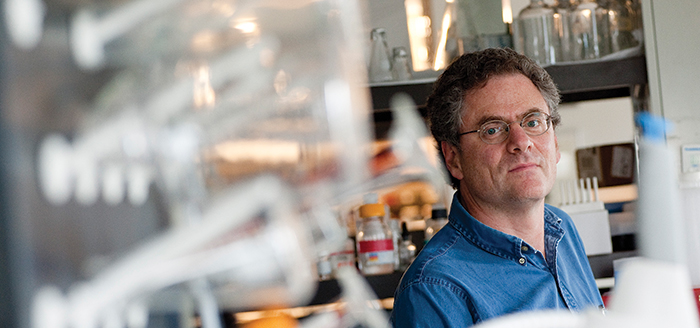
Shaberman, Senior Director, Scientific Outreach & Community Engagement, stumbled across a science writing position at the Foundation Fighting Blindness 16 years ago without a clue about retinas or blindness. He called his move to the Foundation serendipitous. He knew he made the right choice after hearing retinal researcher Dean Bok, PhD, tell attendees at a 2005 Foundation conference how he was drawn to the field by the seduction of the retina’s myriad complexities and inner workings.
Shaberman, too, felt pulled by the intriguing science of the retina.
As such, so are the 27 forms of LCA that cause varying kinds of visual impairment within each gene mutation and within each affected person. An estimated 8,000 people in the United States have LCA.
The path of retinal research
Shaberman took his audience from the beginnings of identifying the RPE65 gene in 1993 and learning shortly thereafter it could lead to LCA, to using mice models and later studying Briard dogs that had the same gene mutation that caused LCA in humans. A clinical trial at Children’s Hospital of Philadelphia led to the 2017 FDA approval of the breakthrough gene therapy LUXTURNA®, developed by Spark Therapeutics. The drug successfully improved the vision of many of the LCA2-RPE65 patients who received the treatment through subretinal injections.
When children receive an LCA diagnosis, their families should find a good retinal specialist, get regular exams, and ultimately get a confirmed genetic diagnosis to be on the path to more specific information and research into that form of LCA, Shaberman said.
Families also should register with the Foundation’s My Retina Tracker®, a free and secure online registry that facilitates getting a confirmed genetic diagnosis by making registrants eligible for free genetic testing.
The registry becomes your personal retinal health record, updated by you. It employs state-of-the-art database technology to protect privacy and adheres to the highest standards of confidentiality and ethics.
It also notifies registrants of clinical trials and gives researchers access to their disease data – not their personal information – to advance research and therapy development associated with LCA and IRDs.
Reading research publications and attending events sponsored by the Foundation and by Sofia Sees Hope also provide opportunities for families to interact and learn the latest research. Shaberman and Bass encouraged people affected by LCA and their families to contact them, respectively, through the Foundation’s website and/or the Sofia Sees Hope website for specific information on clinical trials or other questions and concerns about living with LCA.
“Yes, it’s work,” Shaberman said. “You have to be your own advocate and your own child’s advocate, but more and more information is becoming available, and that’s the good news.”
More than 40 clinical trials underway
Shaberman also reviewed some of the more than 40 retinal clinical trials in the pipeline for LCA and other IRDs:
MeiraGTx offers LCA4-AIPL1 gene therapy through a compassionate use program, which means the therapy is unapproved but made available to patients with serious conditions. The company also is working on an RPE65 gene therapy in a clinical trial.
February’s “Lets Chat About …” webinar airs at 3 p.m. ET, Tuesday, Feb. 16. Our guest will be Wiley A. Chambers, MD, Supervisory Medical Officer for the Office of New Drugs, Center for Drug Evaluation and Research at the U.S. Food and Drug Administration. Register here.
The biotechnology company based in Boston and in Leiden, The Netherlands, announced earlier this month that it finished enrollment in its Phase 2/3 Illuminate study of sepofarsen for treatment of LCA10 due to the p.Cys998X mutation in the CEP290 gene.
LCA10 is a severe retinal dystrophy, causing blindness or severe visual impairment at birth or during the first months of life. The mutation affects about 2,000 people in the Western world.
Sepofarsen is an antisense oligonucleotide (AON) that works like “genetic tape” to fix the mutation. The therapy is unlike gene replacement therapies in which whole genes are delivered to replace defective copies.
The drug aims to repair the genetic defect that causes the disease in the ribonucleic acid (RNA). The mutation leads to an aberrant splicing of a person’s messenger RNA (mRNA) and leads to a non-functional CEP290 protein. Sepofarsen is designed to enable normal splicing, resulting in subsequent production of functional CEP290 protein.
Recruiting patients for clinical trials represents one of the biggest challenges in getting studies underway. The COVID-19 pandemic and concerns about spreading the virus presented an unprecedented challenge in and of itself. Pharmaceutical companies also have steered their focus from studies across the board as they raced toward developing and rolling out worldwide virus vaccines.
Finding the required 33 LCA10 individuals for the Illuminate trial in a subset of a people with a rare condition was exceptionally challenging, and ProQR exceeded that requirement by enrolling 36 participants.
During the Phase 2/3 study, the 36 patients, ages 8 and older, are set to receive sepofarsen either in a dose expected to be used once the drug gains approval or a lower dose or a placebo. The 12-month clinical trial is intended to support an application for marketing approval of sepofarsen. The study is being conducted in the United States, Canada, Brazil, The Netherlands, Belgium, France, Italy, Germany, and the United Kingdom.
Top-line results in early 2020 from the Phase 1/2 clinical trial of sepofarsen in 11 children and adults revealed that 60 percent of patients had improvements in visual acuity and navigating a mobility course. The study, carried out in the United States and Belgium, also netted a super responder, a person who responded particularly well to the treatment.
Laura Manfre, chair and co-founder of Hope in Focus (formally Sofia Sees Hope), said that as the parent of a child with an LCA diagnosis, she was told there was nothing that could be done and that her family needed to accept that their daughter would one day be blind.
“Now, in early clinical testing we have seen the potential for sepofarsen to make a significant difference for patients with LCA10 due to a mutation in the CEP290 gene,” she said. “We see hope for individuals living with this disease. We look forward to learning about the results of the Illuminate trial and continuing to work with ProQR as they advance their pipeline of RNA therapies to potentially help children, adults, and families who are affected by blindness caused by LCA and other rare inherited retinal diseases.”
Aniz Girach, MD, ProQR’s chief medical officer, said in a statement that the company was pleased to have completed enrollment of the Illuminate trial of sepofarsen.
“This marks an important milestone for ProQR, as well as for the LCA10 and broader inherited retinal disease community,” Girach said. “In surpassing our enrollment target, we were able to accommodate the broad interest to participate in the trial. This speaks to the fact that there are currently no approved treatments for patients with LCA10.
“If approved, sepofarsen has the potential to be the first therapy to address this high unmet medical need for patients who would otherwise face blindness, he said.
“We are grateful to those who have supported our efforts in bringing this trial forward, including our investigators, patients, and caregivers. We look forward to sharing the top-line results in the first half of 2022.”
Born with cerebral palsy (CP), Michael J. Kalberer grew up with a philosophy that has served him well throughout his 43 years.
“My parents raised me as an individual with a disability, not a disabled individual,” the native Long Islander recently said. “So, I never felt there was anything wrong with me or wrong with exploring something that could make things better. I didn’t feel like I had to be fixed and there’s a huge difference between those things.”
When Michael was about 10, he had difficulty with depth perception and felt sensitive to light.
“Sometimes a curb looked like a driveway, or vice versa,” when walking with his crutches.
Legally blind, Michael attributed his increasing lack of peripheral vision to CP and moved on.
After enduring an arduous transition from high school, he earned two degrees with honors: a bachelor’s in psychology and speech communications from Hofstra University and a master’s in social work from Adelphi University.
His vision dramatically worsened in his 30s. While at a New York Islanders hockey game, he looked at the scoreboard and suddenly it seemed like it was underwater.
His low-vision specialist referred him to a retinal doctor.
“He takes one look at my eyes and says, ‘Has anybody ever diagnosed you with a retinal disease?’ ”
The retinal specialist diagnosed him 10 years ago with Retinitis Pigmentosa (RP) , a group of related eye disorders that causes progressive vision loss as the retina’s light-sensing cells gradually deteriorate.
Michael said he was in shock when the doctor told him that he’ll permanently lose his sight, barring advancements, but advancements are coming.
Cataract surgery and then …
He underwent his first cataract surgery in 2012. He did more research and got involved with Foundation Fighting Blindness, where he served on a Foundation panel of doctors and described his experiences as a patient with visual impairment.
Listening to the doctor speaking before him, Michael could hardly sit still when he heard him delineate differences between Leber congenital amaurosis (LCA) and RP and realized his visual indicators aligned more strongly with LCA.
“Oh my God, oh my God, I gotta stop this guy,” he recalled saying after finishing his patient portion of the presentation. “Do not let him leave. We need to talk.”
Talk they did and two days later, he was genetically tested at New York’s Columbia Eye Clinic and received a confirmed diagnosis of LCA10, a mutation of the CEP290 gene, one of the more than 25 forms of gene mutations that cause LCA.
Since then, Michael has tracked LCA research advancements and his own experiences with his vision. He has 3 percent vision in one eye and 7 percent to 8 percent in the other. He can discern some shapes, colors and hand motions.
“I really took a hands-on, very proactive approach to navigating what my vision was like; I took control of logging, charting and tracking. It was kind of my way of taking control of the disease, so I had it and it didn’t have me.”
Michael Kalberer, left, with Katie van Benschoten of the Foundation Fighting Blindness.
He has also done fundraising for the Foundation, taking on leadership roles as a team captain for the organization’s VisionWalks and speaking at conferences.
“I can’t say enough about Foundation Fighting Blindness’s outreach and their confidence in my ability.”
Addressing the Foundation’s audience at its 2019 Dining in the Dark Spring Forward Fundraiser, he thanked the organization for helping him get a confirmed genetic diagnosis.
“The root of the Foundation for Fighting Blindness’s success is in cultivating relationships and helping change the way literally thousands of people with LCA and other (inherited rare diseases) IRDs view the world.
“How we process the world shapes who we are,” he told his audience.
Told he was ‘unemployable’
Michael also wrote an inspiring piece for the National Organization on Disability’s campaign to increase awareness of the professional ability possessed by individuals with disabilities.
Even though a career counselor once told him he was unemployable, he shared in his essay that he formed his own business called Michael J. Kalberer Presents. His company’s logo features a rising sun under the phrase “All Humanity Matters,” and he lists his roles as cultural competence presenter, communication etiquette specialist, transition planner, tutor and motivational speaker.
Michael’s life work now is educating people to maximize their personal strengths and to see others as more than their condition. He also has written an interdisciplinary curriculum to help professionals working with people with disabilities in diverse environments.
In the essay, he also described his work as a New York state licensed social worker at Family and Children’s Association, where he managed cases and helped people living with mental illness obtain and sustain employment in work environments conducive to success.
Michael attributes his feeling of empowerment to the unconditional support he continues to receive from his entire family and all his friends.
“My diagnosis of LCA could have altered the way they interact with me, but it’s made our relationships stronger. They are as emotionally invested in this journey as I am for myself, and there’s a beauty and a strength in the relationships that’s difficult to put into words.”
He did, however, capture the result of this supportive network of relationships in his closing sentence of that essay:
“I’m Michael J. Kalberer. I transcend cerebral palsy and Leber congenital amaurosis.”
Danielle Senick of Norwich, Conn., reached out to Hope in Focus (formally Sofia Sees Hope) more than three years ago when she needed answers about her deteriorating vision.
Doctors diagnosed Danielle at age 6 months with Leber congenital amaurosis (LCA), and her parents learned that this rare inherited retinal disease (IRD) would cause retinal degeneration to the point of having little or no vision.
She could see light and shadows, but she noticed a pronounced deterioration in her vision in her early 20s. We asked Danielle to talk about her experiences since she connected with us. Here is her story.
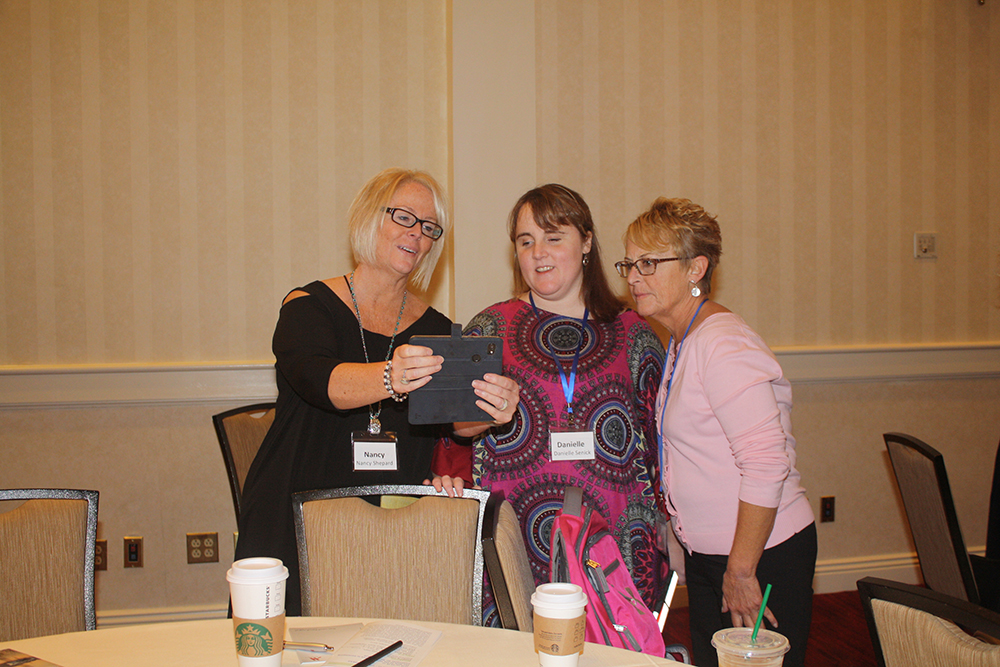
Danielle Senick, center, with her aunt Nancy (left) and mother Patty at the 2018 LCA Family Conference in Mystic, CT
“Though the (vision) changes were subtle, they caused me to realize how little I knew about my condition and I wanted to learn more. I did a little research and stumbled across Sofia Sees Hope. I was intrigued to hear about Sofia’s story, and I wanted to learn more, so I contacted the organization. I heard back, almost immediately, from Danielle Chiaraluce, who worked for the organization at the time.
“We had a lengthy conversation and she told me that she and Laura (Manfre, Co-Founder and Board Chair of Sofia Sees Hope) were interested to learn more about me, and they invited myself and a guest to Dinner in the Dark. I was honored to be invited, and it was a very fun, yet emotional, experience. It was wonderful to have my aunt learn a little bit about what my life is like to have no vision.
“At this event I met Laura, Sofia, Danielle, David Brint, his wife, Betsy, and his son, who also has LCA, and several other influential individuals. I was so honored during the auction to see how many people were willing to contribute their hard-earned money to the cause (including my aunt who bid on a trip to Bali).
Undergoing genetic testing
“Later I spoke with David and he helped me to get in touch with Spark Therapeutics, where I underwent free genetic testing. I had not seen a specialist or done anything about trying to learn about my diagnosis in several years because I often stumbled across roadblocks and it seems that the doctors that I previously had seen were not as educated about LCA. However, this experience was much different.
“I gave a blood sample and sent it to the lab and once my results came in, I spoke with Dr. Jill Harris in great detail about my results. She made me aware that my gene mutation is LCA-CRB1 (LCA8). Unlike LCA-RPE65 (LCA2), (for which there is a federally approved treatment), information about this mutation is still in the works. There is no cure, so I knew all along not to expect a cure and that with genetic testing you must be patient. I joined My Retina Tracker® (a Foundation Fighting Blindness free, secure online registry that helps connect families and enables researchers and doctors to track progress, prevalence and other variables of IRDs to move research forward) and receive emails about any new information on the condition and still remain hopeful.
“About a year later, through social media, I became connected with Kristen Steele of Iowa. (Kristen has LCA10 caused by a
Kristen Steele
mutation in her CEP290 gene.) She is a remarkable young woman who is extremely confident, well-spoken, and independent, and like me, a very passionate licensed massage therapist.
“When I spoke with her, I was in the process of attaining my license and still in school. I was having a little trouble getting the results from my license test in braille and she told me that was unacceptable and filled me in about her journey and how hard she had to fight to pave the way to get her testing accommodations. When I set up my accommodations with the testing center all I had to do was mention her name and request my accommodations and the center provided me with everything I needed.
“For that I am very thankful. I am now a licensed massage therapist myself and although we are both busy and haven’t talked in a while, Kristen is always available if I ever have any questions about my journey. I was fortunate enough to meet Kristen by attending the LCA Family Conference in 2019 (in Philadelphia). I also attended the family conference with my aunt and mother in 2018 in Mystic (Connecticut) and was quite intrigued by all the speakers.
LCA community welcomes Danielle
“At this conference I also met two individuals that are about my age who both have children with LCA. It was wonderful to meet with them and answer some of the questions that they had about what it was like growing up with LCA and any suggestions they had about being a parent of a child with LCA. As I have received so much guidance and help along the way, it’s wonderful to give back by helping others and giving them advice.
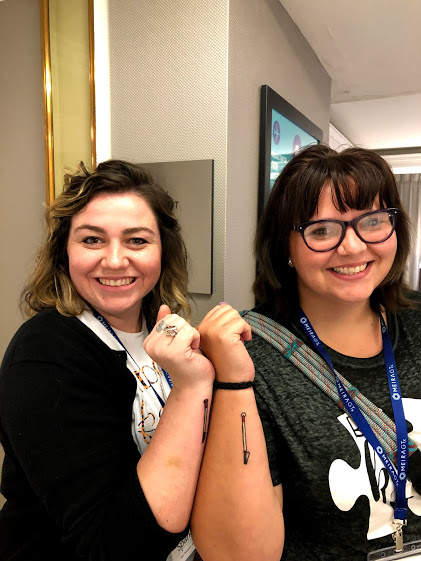
Deanna Carroll and Ashlyn Lincoln with their matching white cane tattoos.
“I have stayed in contact through social media and text messaging with these two individuals, Deanna Carroll and Ashlyn Lincoln, and have potential plans to go down to North Carolina and meet their children! I was able to meet up with them again in 2019 for the Philadelphia family conference. I brought my brother with me as a guest and he was also intrigued to learn so much about my condition.
“There was a plethora of informative speakers from all over the country, and it was amazing to see how far research had come even since 2018 at the last conference. I was especially intrigued to hear Tami’s story (Tami Morehouse, from Ohio, underwent RPE65 gene therapy as part of the LUXTURNA® treatment clinical trials) and how much it changed her life.
“I became quite emotional when she described all the little things that had come from it and changed her life, such as being able to go to her children’s socc
er games and cheer them on, actually being able to see them score goals, where before she had to rely on others to describe what was going on.
“The main takeaway from this process has been to continue to remain hopeful and stay involved. It is quite a process and the research is quite extensive and costly, so we would not have been able to come as far as we have without the generosity of others involved with Sofia Sees Hope.
“It’s amazing to see what a little bit of poking around on the Internet has led to and how much it has changed my life. My curiosity and doing a little bit of research to learn about LCA led to my becoming involved with Sofia Sees Hope, receiving genetic testing, attending wonderful events and conferences, and meeting truly amazing individuals, both sight-impaired and sighted.”
Building on her son’s love of music, singing, moving, and reading, Laura Steinbusch created a multilingual children’s songbook called Lux+Louiseto help youngsters learn music by braille.
With songs in Dutch, English, French and German, the songbook’s characters, Lux the lizard and Louise the mouse, help expose children with blindness or visual impairment to learning other languages from an early age and allow them to independently explore the world.
Laura came up with the idea because her son, Enzo, now 6, easily learned new words early on through songs in French or English, especially when he already knew them in Dutch.
Enzo was born in 2014 in Lausanne, Switzerland, and genetically diagnosed at 18 months with LCA10-CEP290, a form of Leber congenital amaurosis causing severe retinal dystrophy because of mutations in the CEP290 gene. Enzo lives in The Netherlands with his mom and his dad, Merlijn, and his new little sister, Maud.
He started to learn braille when he was 5 and he enjoys it a lot, his mom said.
“His favorite story is ‘the story of the little mole who knew it was none of his business,’ which we had to buy in the four
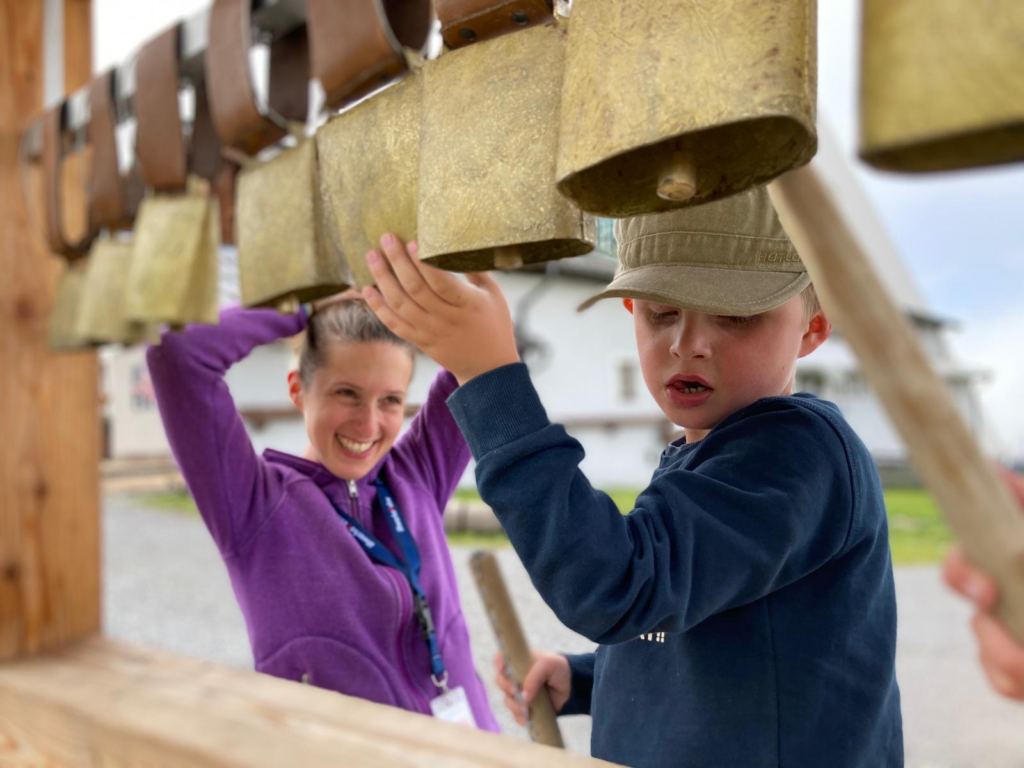
Enzo and his mom Laura at an Austrian playground listening to sounds from a cowbell glockenspiel.
languages of my songbook because he wants to know the whole story in those four languages.”
Lux+Louise contains five popular children’s songs with printing in black and in braille and six visual and tactile illustrations with explanations and questions. Along with singing about a bus and a spider, the book helps with learning body parts and movement.
“This makes it easier for blind children to connect the song texts to the tactile illustrations and the real world,” Laura said. The songs can also be played on the piano or flute.
“Most children adore singing; some children even sing before they speak,” she said. “Blind or visually impaired children use their hearing all the time and mostly enjoy music and making noise … Independence is also important for learning music. It would be best if blind children could learn reading braille music as soon as they have learned to read braille text.”
The songs are: “A Ram Sam Sam,” “Head Shoulders Knees and Toes,” “Are You Sleeping (Brother John)?” “The Wheels on the Bus,” and “Itsy Bitsy Spider.”
“I hope people enjoy learning another language through music and learn to read music braille,” Laura said. “In the end, I hope it helps blind kids explore the technical world on their own.”
Kristen Steele knows a thing or two about telling her story and getting what she needs to be her best.
The 22-year-old from Council Bluffs, Iowa, is a licensed massage therapist in Iowa and Nebraska. She travels throughout rural Nebraska, giving massages to the elderly and the ill as an independent contractor specializing in geriatric care.
But she had to fight to take her massage therapy exam in Braille. Never had anyone taken the Massage and Bodywork Licensing Examination, known as the MBLEx, in Braille.
Kristen told her story to people living with Leber congenital amaurosis and other inherited retinal diseases (IRDs) at the Hope in Focus (formally Sofia Sees Hope) second LCA Family Conference in Philadelphia in July. The gathering brought together patients, advocates, doctors, researchers and biotechnology leaders – more than 80 people from across the nation and Mexico. She spoke from the audience following the conference’s session on patient advocacy called “Your Voice Matters!”
Doctors diagnosed Kristen with LCA as an infant, while her clinical diagnosis of LCA10 (CEP290) came years later in middle school. She learned Braille at age 3.
Kristen planned to be an English teacher but decided her passions aligned more with the medical field. She enrolled in Midwest School of Massage near Omaha after rejecting another school because of difficulty accessing its curricula. At Midwest, she found an instructor with a background in exercise physiology and physical therapy. She said the teacher cared and put in extra time to make sure she fully understood the techniques.
After completing the 1,000-hour massage therapy course on anatomy, physiology and pathology, plus 200 practice massages, with a 4.0 average, Kristen learned she couldn’t take the exam in Braille. Instead, volunteer readers administered the test to people with visual impairment. Readers could be unfamiliar with and prone to mispronouncing complex anatomical and medical terms, putting Kristen at risk of failing the exam. Plus, she didn’t want to pay the $195 exam fee twice.
She found a blind lawyer in Iowa and they sued the Federation of State Massage Therapy Boards. She reached a settlement agreement and took the exam, passing on her first try. Kristen also insisted on having a professional reader, an occupational therapist familiar with terminology used in the test questions – just in case she needed clarification.
Kristen polished her resumé with the help of visual interpreter services, highlighting her certificates in advanced dementia processes and other therapies.
“It placed my disability on the back burner, and it gave me the upper hand when you have sighted massage therapists and they’re interviewing without any of these advanced certificates,” she said.
A company interviewed Kristen by phone last year and hired her the day after her in-person interview. She continues to thrive there as a massage therapist specializing in geriatric care. She also devised her own transportation system to get to and from clients in the Nebraska countryside.
Kristen paved the way for others, including perhaps another conference attendee, Danielle Senick from Norwich, Conn. Danielle is studying to be a massage therapist, and Kristen said she will be there to help her succeed in changing the rules to take the exam in Braille in Connecticut.
The 21-year-old paved a smoother road for those without vision by changing massage-therapy exam protocol, writing policies and procedures, and proving herself as a competent, independent contractor who makes house calls to the elderly and the ill in rural Nebraska.
Kristen, who lives in Council Bluffs, Iowa, near the Nebraska line, forges through life with passionate determination. She finds the support she needs to be her best and passes her knowledge along so others can be their best.
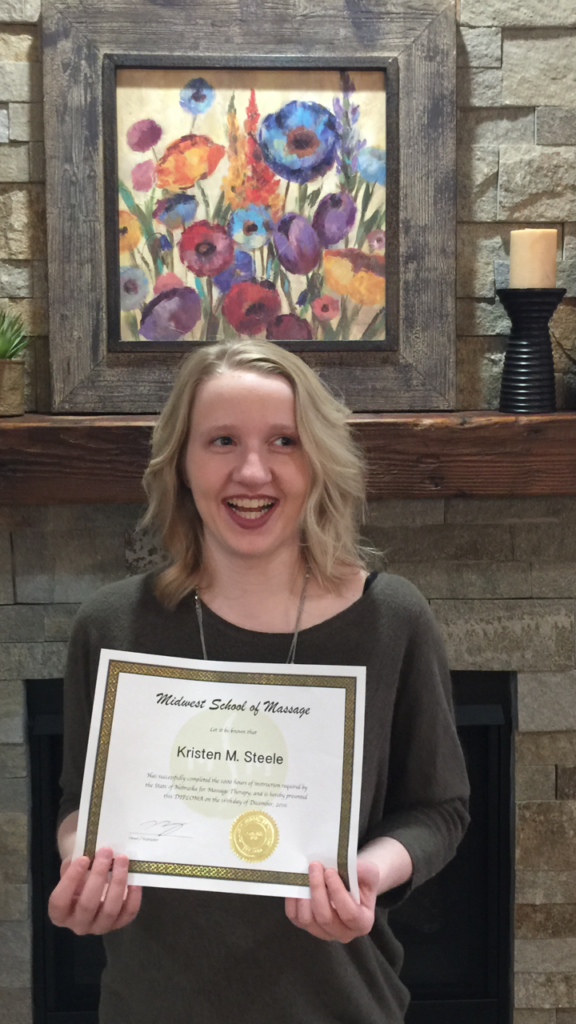
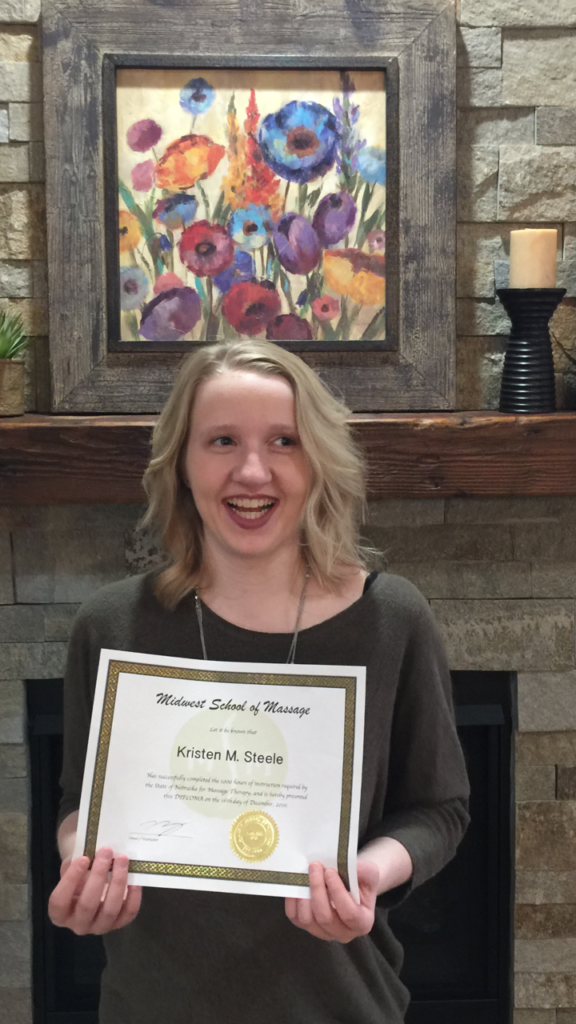
Kristen Steele proudly shows off her massage therapy certificate.
She has helped those without vision to pursue massage therapy careers, including Connecticut resident Danielle Senick. They connected through a Facebook page for people with Leber congenital amaurosis (LCA) and soon will connect in person at the second LCA Family Conference presented by Hope in Focus (formally Sofia Sees Hope) in Philadelphia this weekend, Friday, July 26, to Sunday, July 28.
Kristen, Danielle and those living with LCA or other rare inherited retinal diseases (IRDs) will gather at the conference, which offers myriad opportunities to engage in thoughtful and interactive exchanges of knowledge, ideas and viewpoints on research, future treatments, advocacy, and people sharing their stories.
Diagnosis: LCA10
Doctors diagnosed Kristen with LCA as an infant, although her clinical diagnosis of LCA-CEP290, also known as LCA10, came years later in middle school.
She began reading Braille at age 3, and since first grade, has used a BrailleNote, a mini tablet-sized personal digital assistant with input through a Braille keyboard.
Struggling in school and having trouble with teachers adapting to a blind student, Kristen’s mother quit her job in the accounts receivable department at a medical supply company.
Her mom would pull up her assignments on the computer and tell her what she was missing and what she needed to go forward with the work.
“I had straight As but it was hard to find someone competent enough and willing to adapt,” Kristen said. “My mom, still to this day, is in LCA groups with parents of blind children. She still tries to help out other families and reconnect and advocate.”
A friend of her pharmacist-dad helped her with geometry and algebra by making 3-D shapes with rubber bands, detail that enabled her to visualize and understand the problems.
“That worked. It was just the extra time and energy,” Kristen said. “I didn’t let anything stop me. Sometimes I’d be up ’til midnight doing papers. I spent countless hours. I had to do it because I couldn’t let myself fall behind because of someone’s ill-preparedness.”
Kristen graduated ahead of her class in December 2014, with plans to become a high school English teacher. That changed during a semester at the University of Nebraska at Omaha, where a public-speaking assignment to interview a person in her chosen field led to a blind English teacher in Indiana.
“She did a really great interview, but she told me to think twice about it.”
Working from 6 a.m. to midnight, it took double time to grade papers. The teacher, then 48 and named Teacher of the Year, said she’d never married or had children because her job took over her life.
“She also mentioned she has a lot of students texting in class, throwing spitballs. They threw a backpack at the window, broke the window, and they were laughing, thinking they played a cool prank on her.”
Choosing her path and fighting her fight
Kristen decided her passions aligned more with the medical field, given her parents’ work, and her interest in the healing arts. Also, her grandmother, who had dementia, had recently died, and she thought more about geriatrics and helping the elderly.
She reached out to a blind friend who is a licensed massage therapist and researched massage therapy schools, finding and rejecting one because of the difficulty in accessing its curricula. She ultimately enrolled at Midwest School of Massage near Omaha. The school turned out to be a perfect fit, pairing Kristen with an instructor named Les Lundberg, who had a background in exercise physiology and physical therapy.
“He cared. He wanted to put in the extra time to make sure I had a quality experience.”
Using a skeleton as tall as Kristen, her teacher went over each of the body systems and muscles, reviewing each individually on the skeleton, on herself and then on the instructor to make sure she understood the techniques.
“It was a really nice blend of anatomy and physiology.”
After completing the 1,000-hour course in February 2017 on anatomy, physiology and pathology, plus 200 practice massages, with a 4.0 grade point average, she studied for the Massage and Bodywork Licensing Examination, known as the MBLEx.
Before taking the exam, Kristen took on the Federation of State Massage Therapy Boards because it would not administer the test in Braille. She would have to take the four-hour test with a hundred multiple-choice questions using a human reader, a volunteer likely unfamiliar with medical terms.
“The exam cost $195 and I didn’t want to pay the price more than once and I didn’t want to fail.”
Through the National Federation for the Blind, Kristen found a blind lawyer in Iowa and they sued the Federation of State Massage Therapy Boards.
Eight months later, they reached a settlement agreement, making Kristen the first to advocate for and pass the MBLEx in Braille.
“I took the exam and passed on the first try, but I was debating over this whole time, was it worth it? I could have been licensed and working.”
In the end, she knew it was worth it.
“I wanted to create this advocacy for anyone else pursuing massage therapy and let the boards know it should be in Braille.”
Kristen now works with others, including Danielle, who was diagnosed with LCA-CRB1, also known as LCA8, and who is finishing massage therapy school and getting ready for the MBLEx.
First steps down a career path
Massage therapists often work as independent contractors and Kristen’s first contracted job led her to a brand-new company.
“They were accepting and very welcoming at first,” she said.
She honed her massage therapy technique on a hospice patient with dementia. The patient essentially was non-verbal, meaning Kristen learned the woman’s massage therapy needs from her client’s physical responses. The woman also could not hear well and indicated her soreness by holding out her arthritic hands and feet.
“If they can’t form words, I need to pay attention to what they are doing and how they’re reacting.”
Her next client did not have dementia and could tell Kristen where she had pain on her shoulders and back from bedrest.
“She helped me with the verbal side of crafting my technique.”
Kristen also wrote the company’s new policies and procedures for its massage therapy program.
Her employer, while pleased with her job performance, tried to have her sign a written contract that she couldn’t read because it wasn’t in Braille. Her mother came with her to read the new contract, but the company initially did not produce it.
“They finally spilled it. ‘We need to lower your rates.’ ”
She brought the case to the Nebraska Department of Labor and told officials she never looked over the contract because she can’t see.
“That went south quick. We won.”
She applied for a job at another company.
“The interview went OK. They just didn’t believe in me, that I would be able to find transportation, find the patients. They didn’t have the confidence that the blind could do it.”
She took a job at a physical therapy clinic in Council Bluffs but left because of few hours and low pay.
Kristen also began accumulating Continuing Education Unit (CEU) hours to help her stand out as a job candidate in a field of sighted massage therapists.
Comfort Touch™ instructor and licensed massage therapist Mary Kathleen Rose never had a Braille reader, so her course materials were not available to read by Braille.
Kristen ordered a print copy through Bookshare.org, an online library for people with visual disabilities. Bookshare scanned the book on a Monday and uploaded it by Friday, and she began the class.
“I was the first one to put these materials into Braille that are sold on Amazon and everywhere throughout the country. … That was the first ever CEU class that I took, and it was really cool because Mary Rose did a video of me reading in Braille the Comfort Touch™ textbook. I had adapted these course materials and paved the way, and for my turn (on the video) she wanted me to read ‘Adapting to Change,’” which deals with loss, aging and change.
In a 2017 North America/Caribbean Region Onkyo Braille Essay Contest, in which Kristen placed second, she detailed her advocacy for Braille in a piece called “Shining Through Darkness.” She recalled in the essay her Comfort Touch™ teacher saying after hearing her read: “Your reading . . . it’s just like everyone else.”
She also wrote in the essay: “Remaining literate despite being blind is not difficult; consistent practice can equal or surpass the fluency of print readers with eloquence and grace.”
Expanding her personal and professional horizons
Kristen also earned certificates in hot-and-cold stone therapy, aromatherapy, Reflexology, advanced dementia processes, and she is a licensed massage therapist in Iowa and Nebraska.
She familiarized herself with Aira and Seeing IA, visual interpreter services. She sent her resumé to Aira and worked with a trained professional who formatted and polished her draft into what Kristen called the perfect resumé.
“It placed my disability on the back burner, and it gave me the upper hand when you have sighted massage therapists and they’re interviewing without any of these advanced certificates.”
Between her resumé and an initial phone interview, Kristen felt she would be judged equally as a sighted person before showing up for an in-person interview.
After seeing a familiar job posting in May 2018, she sent her resumé to the company where representatives a year earlier did not believe she could do the job. She received a call back in an hour and did a phone interview.
During her in-person interview, Kristen demonstrated Aira – using a phone and wearing glasses connected via Bluetooth to a hotspot – and called an agent, displaying her ability to navigate a client in-take process and get around the office. Or, as she said, “I took Aira for a spin. I walked around the office, read people’s name tags, saw suite numbers.”
The company hired her the next day and she’s currently thriving there as a massage therapist specializing in geriatric care.
As an independent contractor, Kristen travels to clients and returns using a door-to-door shuttle service. Initially her mom helped, then she used Lyft and Uber, but that became expensive, prompting her to develop her own transportation service, which she jokingly calls Kristen’s Transportation Fleet. She contracts with drivers who get her to clients based on a negotiated fee.
So, what does this 22-year-old do when she’s not busy working and enhancing her skills?
She loves working and playing with her beautiful guide dog, a golden retriever named Corvette.
She loves to shop at a gigantic mall billed as the largest shopping area in Iowa.
“I like reading. I’d like to write a non-fiction book, kind of a memoir someday about my life and my work with comfort care.”
And she drives.
“I like to drive. My mom sits in the passenger’s seat. We go on the back roads. It’s so freeing.”
As Kristen said, quoting Helen Keller in her reading for the “Adapting to Change” video:
“What we have once enjoyed, we can never lose. All we love deeply becomes a part of us.”
The best of both worlds – that’s how Ashlyn Lincoln describes life with her two sons: 4-year-old Gunner, who was born without vision, and 7-year-old Ace, who is sighted.
“Both Ace and Gunner teach us many life lessons, regardless of who is sighted and who is blind,” says their 29-year-old mom.
7-year-old Ace and his 4-year-old brother Gunner. Gunner was diagnosed at 6 months with LCA10, caused by a mutation in his CEP290 gene. Doctors determined Gunner came into this world with no usable vision cells and no light perception.
Living in eastern Iowa, Ashlyn and her husband, Axel, noticed problems with Gunner’s eyes in August 2014, when he was about 2 weeks old: he stayed awake during the day and his eyes would not focus. The pediatrician examining their infant at 6 weeks wasn’t concerned, but to put them at ease, he referred them to the first in what would become a series of specialists, leading to lots of tests on Gunner’s eyes and on his parents’ genetic backgrounds.
Gunner was diagnosed with Leber congenital amaurosis (LCA) at 4 months; at 6 months in February 2015, his parents learned through genetic testing that he had LCA10, caused by a mutation in his CEP290 gene. Doctors determined Gunner came into this world with no usable vision cells and no light perception.
Last May, the family moved to a suburb of Nashville, seeking a stronger support system and better resources for Gunner, who is now thriving at the Tennessee School for the Blind.
Mr. Independent
Gunner loves prekindergarten, especially gym time and swimming lessons. He listens to try to understand musical instruments, and he loves making art and writing on the Brailler. “He’s pretty independent,” Ashlyn says.
Ace and Gunner have a typical sibling relationship, blaming each other, kicking each other, playing in their own world, she says. “Ace pretty much treats him like he is sighted. He adjusts (when he remembers Gunner cannot see) and goes right back to thinking it. It’s the best of both worlds.
“Their positive outlook and attitudes on life really help us be better ourselves. I just feel so lucky to be able to always have different outlooks on everything that others may not realize,” she said.
Gunner ‘reads’ his Braille books. Gunner’s reading is feeling the Braille but making up his own stories as he goes along.
Their daily life is like other families — the boys get up and get ready for school, eat breakfast, brush their teeth. After school they have snack, play, watch cartoons, do homework.
“This might be the only thing ‘different,’” Ashlyn notes “Ace’s homework is reading, so Gunner will bring his Braille books to the couch and ‘read’ them, too. Gunner’s reading is feeling the Braille but making up his own stories as he goes, which are usually pretty creative and cute.”
Ashlyn’s best-of-both-worlds might as well extend to a third “world,” given the influence, support, and love she and her family have received from Axel’s “battle buddies” from his time in the Marines.
War Wounds Inside and Out
Axel served four years’ active duty (followed by four years’ inactive duty), being deployed twice to Afghanistan and once to Haiti on a relief mission.
He came home from Afghanistan suffering from severe injuries when his right shoulder took the brunt of his Humvee’s impact after it ran over an IED, an improvised explosive device.
Axel and Ashlyn married as soon as they could after his return home. He has a 90 percent disability rating for the injury and for Post-Traumatic Stress Disorder (PTSD). About two years ago, Alex’s service dog, Tucker, became part of the family, helping with his PTSD and bringing comfort when his anxiety is high. Tucker’s also great with the boys and may someday be joined by a service dog for Gunner.
Axel wasn’t the only one to come home to the Lincoln family. The Marines came, too, and they are still part of it.
When Ashlyn was about to deliver her firstborn, her husband and his Marine friends were there. If the baby was a girl, she’d get to name her. If not, Daddy and his buddies had the honors.
“They gave me options. I had Achilles, Leonidas, Thor, Zeus – I was excited about that one.”
Achilles it was, or Ace, as they call their now first-grader.
It was Ashlyn’s turn to name their second boy, but she still wanted to honor their military family.
She explained that a gunner, sitting on top of a Humvee and rotating 360 degrees to protect its occupants, would throw himself on a badly injured compatriot as “an unwritten act of brotherhood.” The gunner in Axel’s case did not have to, but if Axel’s injuries were worse, he would have.
“So, to go along with the history of Ace’s name, we picked Gunner to name him.”
When she picked the name, she didn’t think much about looking up its meaning.
“Later on, after we got the diagnosis, I randomly decided to look up the meaning to find it meant ‘Battle Strong,’ which seems very appropriate on our adventure.”
You’re Overwhelmed and It’s OK
Life wasn’t always easy though. Dealing with Gunner’s diagnosis and coping with new realities was difficult. Here is the message she would like to extend to other mothers: “I was overwhelmed, and I was tired. I want to acknowledge that I know you’re overwhelmed and it’s OK.
“Take baby steps, know your local resources, and know that it’s not just something you’re going to conquer in one day.”
For support and to learn more about the LCA community, Ashlyn and a friend she met through an LCA Facebook group, traveled to Connecticut last fall to attend Hope in Focus (formally Sofia Sees Hope) LCA Family Conference, where she found a sense of community.
“It was fantastic,” she says. “There are families in other states and I’m not alone and here we are together. It’s just a moment where you can find comfort and know you’re not alone.”
Ashlyn said she does have a personal goal – one that she’s fulfilled right here.
“It’s hard to admit when your child is born and not perfect, and your husband has PTSD,” she said. “I hope that just by telling my story about LCA and veterans, that other families also can not feel so alone.”
The lack of information on rare diseases can create difficulty in developing drugs to treat them. To help, it is important to study the natural history of rare diseases.
Compared with common diseases, researchers know little about rare disease signs and symptoms, how the disease changes over time, and ways in which the disease affects the lives of patients and their families.
Natural History studies track the course of a patient’s disease over time. They identify demographic, genetic, environmental, and other variables that shape the drug development process
Dr. Eric Pierce, Massachusetts Eye and Ear
“In general, Natural History studies can be helpful precursors to clinical trials of potential treatments for inherited retinal degenerations for multiple reasons,” said Eric A. Pierce, MD, Ph.D., with Massachusetts Eye and Ear. “For example, they can help identify the tests or measurements which would be most appropriate to use as endpoints in therapeutic studies.”
Another way to view such studies is to “Begin with the end in mind,” as suggested by Anne R. Pariser, MD, in her work on Natural History studies for the U.S. Food and Drug Administration
Natural History data provide knowledge and an independent understanding of a disease, while establishing an essential foundation for building drug development programs. These studies have been characterized as the “pillar of epidemiologic research on rare conditions,” and, along with assisting in developing drugs, they help with patient care, best practices, research priorities, and clinical trial readiness, according to Dr. Pariser, director of the Office of Rare Diseases Research at the National Center for Advancing Translational Sciences.
The studies give scientists and researchers a better estimate of the prevalence of the disease, help identify potential biomarkers, affect clinical outcome assessments, and determine the feasibility of established assessments for clinical trials.
A rare disease is a disease or a condition that affects fewer than 200,000 Americans. With a relatively small number of people affected by the 7,000 diseases considered rare, scientists sometimes face daunting odds in finding enough people meeting study requirements.
In the Leber congenital amaurosis (LCA) community, scientists are looking for people to take part in different stages of drug development.
Editas Medicine, a genome-editing company based in Cambridge, Mass., is sponsoring a Natural History study of LCA10, known by its gene name CEP290, to inform the design of potential future treatment studies involving genome editing in LCA10. The purpose of the study is to understand and better describe the clinical course of LCA10-related retinal degeneration that is associated with a particular genetic change in the CEP290 gene called c.2991+1655A<G.
The study will be used to characterize the range of visual function in patients, evaluate which visual tests may be most useful, and determine the rate of change in visual function over a one-year period.
Dr. Pierce, director of the Ocular Genomics Institute and the William F. Chatlos Professor of Ophthalmology at Massachusetts Eye and Ear (MEE) and Harvard Medical School, is the principal investigator at one of the seven sites in the United States and Europe actively recruiting patients for this Natural History study. For more information, call MEE at 617-573-6060 or visit www.enlightenLCA10study.com/. Study details also can be found at ClinicalTrials.gov Identifier: NCT03396042.
The two groups of conditions below describe the parameters for taking part in the study. Taken together, they illustrate the potential difficulty in finding the 40 participants needed for the study of this rare disease.
Patients must meet six conditions, known as inclusion criteria:
3 years of age or older;
Abnormally decreased vision, with examination and test results consistent with inherited retinal degeneration due to mutations in the CEP290 gene;
Able to cooperate with assessments relative to the patient’s age;
Clear ocular media and adequate pupil dilation in at least one eye to permit good-quality examination of the interior surface of the eye opposite the lens and optical coherence tomography (OCT) imaging;
Able to successfully navigate a mobility maze at a level of difficulty below the maximum performance level.
Patients cannot participant if one or more of the five following conditions, called exclusion criteria, exist:
Visual acuity of no light perception in both eyes;
History or current evidence of a range of medical conditions that may preclude attending scheduled study visits, safe participation in the study, or affect the study results;
History or current evidence of ocular disease in either eye that may confound assessment of this inherited retinal disease;
Currently receiving gene therapy and/or has received gene therapy;
Currently enrolled in an investigational or interventional drug or device study and /or has participated in such a study within 30 days of screening.
Participants currently are being recruited for a Foundation-funded Natural History study of disease progression in patients with USH2A-related retinal degeneration associated with congenital hearing loss (Usher syndrome type2a) or non-syndromic retinitis pigmentosa (RP39).
1971 – Just those numbers in white on a black page appeared on the big screen.
That’s how Brian Mansfield, PhD., began his presentation to families and patients living with Leber congenital amaurosis at Hope in Focus (formally Sofia Sees Hope) LCA Family Conference on Saturday, Oct. 6, in Groton, CT.
The year on that otherwise empty page marked the founding of Foundation Fighting Blindness – a time when patients losing vision often heard, “Go home. Learn Braille. You are going to go blind.”
Mansfield’s audience at the conference was made up of people diagnosed with a variety of rare inherited retinal diseases, including LCA, their caregivers and relatives, and representatives of various bio-tech and pharmaceutical companies working in the IRD arena. It was Sofia Sees Hope’s first such conference.
Dr. Brian Mansfield
Mansfield is the foundation’s senior vice president of research. He brought his audience up to date with information about clinical trials for inherited retinal diseases (IRDs), the rich preclinical therapeutic pipeline, how the Foundation uses money to move treatments forward and what people can do to drive change for IRD treatments and therapies.
His presentation culminated in a projected slide filled with logos of bio-technology and pharmaceutical firms, many of which are in contact with the Foundation, and represent the ever-expanding research and development field to help people with visual impairment.
$725 million in funding
In its 47 years, Foundation Fighting Blindness has raised more than $725 million toward research, development and public health education. It partners with several dozen U.S. non-profit organizations, including Sofia Sees Hope.
Mansfield traced the rapid trajectory of identifying genes causing retinal disease, from the founding of the National Eye Institute in 1968 through the Foundation’s funding of the Berman-Gund Laboratory for the Study of Retina Degenerations in 1971. It included the 1989-90 work identifying the rhodopsin gene as the genetic cause of Retina Pigmentosa (RP), and conducting the first retinal disease gene therapy trials in 2007. And of course culminated in last December’s federal approval LUXTURNA™, a gene therapy that helps restore vision in people with LCA2 (RPE65).
For people affected by LCA, more than 80 percent can now get a clear genetic diagnosis. For IRDs, more than 260 retinal disease genes have been identified, and the overall success in providing a clear genetic diagnosis is 65 percent.
Mansfield said that 23 gene-based clinical trials targeting 13 different genes are currently underway, including the LCA4 (AIPL1) gene trial by MeiraGTx.
A promising pipeline
He said the gene therapy preclinical pipeline is promising, with 100 genes under investigation. Researchers also are conducting preclinical studies of optogenetic gene therapies, in which light is used to control genetically modified retinal cells.
ProQR is planning a pivotal Phase 2/3 gene patch clinical trial for the LCA10 (CEP290) gene that involves injecting a short DNA molecule to cover up the faulty instruction the gene otherwise gives to act incorrectly. Also, Mansfield said, Editas Medicine is close to gene editing clinical trials, called “cut and paste” because an enzyme seeks out and repairs the defective gene. Another editing therapy in the pipeline, called base editing, essentially backspaces over the mutation and types the correction over it.
Also underway are more than 20 retinal cell therapy trials in which lost cells are put back to replace missing cells or used as biofactories to produce factors that help stabilize the retinal cells.
To help propel research and trials, the Foundation funds Career Development Awards to attract and retain clinician researchers dedicated to retinal disease research. The Foundation also provides awards to the brightest minds in the field, individually or as a team, to drive research.
It also gave 16 years of preclinical research support amounting to $10 million toward Spark Therapeutics’ commercial gene therapy, LUXTURNA, the first directly administered gene therapy approved in the United States that targets a disease caused by mutations in a specific gene – LCA RPE65.
Mansfield talked about how Applied Genetics Technology Corp. (AGTC) leveraged an early Foundation investment to garner $265 million to develop genetic therapies, some of which are in clinical trials.
The Foundation also supports 20 centers – the International Clinical Consortium – that have standardized assessment protocols for clinical trials.
Patient involvement is key
To continue to attract industry interest, Mansfield detailed the Foundation’s My Retina Tracker registry, with its tagline “Track your vision. Drive the research.” It’s a free, secure, online patient registry that notifies registrants of clinical trials and gives researchers access to their disease data – but not their personal information – to advance studies on any number of research and therapy development efforts associated with IRDs.
The power of My Retina Tracker is optimized by registrants getting a genetic diagnosis. Sofia Sees Hope donated $65,000 to help people receive genetic testing and counseling.
Mansfield emphasized to his audience the vital importance of their knowledge, what they carry with them, and that patient input is critical to drug development.